Cat Nutrition: Wet vs Dry Food
The Wet vs. Dry Debate
Cat owners often ask whether wet or dry food is better. The truth is that both have advantages, and the best approach depends on your cat's age, health status, and preferences.
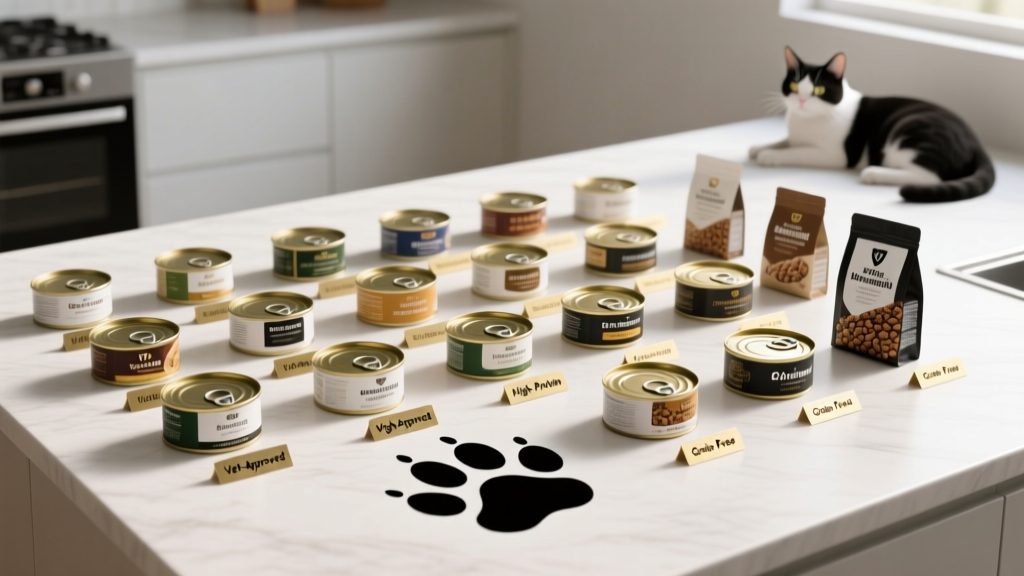
Wet Food Advantages
- Higher moisture content (75-80% water) — supports kidney and urinary health
- Higher protein, lower carbs — closer to a cat's natural diet
- More palatable — better for picky eaters and sick cats
- Portion control — single-serve cans prevent overfeeding
- Softer texture — easier for cats with dental issues
Dry Food Advantages
- Cost-effective — significantly cheaper per calorie
- Convenience — can free-feed without spoilage concerns
- Dental benefit — mechanical cleaning action (modest effect)
- Long shelf life — practical for multi-cat households
Nutritional Comparison
On a dry-matter basis (removing water content), most quality wet and dry foods provide similar nutrition. The key differences:
- Wet food typically has 40-50% protein (dry matter) vs. 30-40% in dry food
- Dry food has 20-40% carbohydrates vs. 5-15% in wet food
- Wet food provides more natural hydration, critical for cats with CKD
The Mixed Feeding Approach
Most veterinarians recommend a combination:
- Morning: Wet food meal (hydration boost)
- Daytime: Small amount of dry food available for grazing
- Evening: Wet food meal (bonding time and monitoring appetite)
Special Considerations
- Kittens: Need calorie-dense food — either wet or dry formulated for growth
- CKD cats: Wet food strongly preferred for hydration
- Diabetic cats: Low-carb wet food helps manage blood sugar
- Overweight cats: Measured wet food portions aid weight loss
Reading Cat Food Labels
Look for these quality indicators:
- Named animal protein as first ingredient (chicken, not "meat by-products")
- AAFCO statement for complete and balanced nutrition
- Avoid foods with excessive fillers (corn, wheat, soy)
- Check for taurine — essential amino acid cats cannot synthesize