Cat Food Shelf Life: Unopened vs Opened Storage Rules
1) Why cat food shelf life matters for cat health
Feeding a high-quality diet only helps your cat if the food is still safe, palatable, and nutritionally intact when it hits the bowl. Shelf life and storage mistakes can lead to:
- Foodborne illness (bacterial growth in wet food, contamination after opening, mishandled raw diets)
- Oxidation of fats (rancidity), which reduces taste and may contribute to gastrointestinal upset
- Vitamin degradation, especially in foods exposed to heat, air, or light over time
- Dehydration risk if cats refuse stale food and eat less overall
- Wasted money from tossing spoiled food or buying oversized bags that go stale before they’re finished
Cats are famously selective eaters, and their refusal can be a useful warning sign. Still, some spoilage isn’t obvious to humans (or cats), so using evidence-based storage rules is the safest approach.
2) Scientific background: feline nutrition and why freshness matters
Cats are obligate carnivores, biologically adapted to diets rich in animal protein and fat with very limited carbohydrate requirements. This influences both the types of foods they eat and how those foods can spoil:
- High-protein, high-moisture foods (canned/wet) create a favorable environment for bacterial growth once opened if kept warm or uncovered.
- High-fat foods (many dry foods and some wet foods) are prone to oxidative rancidity. Oxygen, heat, and light speed this process.
- Key nutrients for cats include taurine, preformed vitamin A, arachidonic acid, and specific B vitamins. While reputable commercial foods are formulated to meet standards (AAFCO/FEDIAF), nutrient quality can gradually decline with poor storage.
Freshness is not a “nice to have.” For cats with sensitive stomachs, chronic kidney disease, diabetes, dental disease, or poor appetite, food quality and palatability can directly affect hydration, calorie intake, and overall stability.
3) Detailed analysis: shelf life rules for unopened vs opened cat food
How to read shelf-life clues on packaging
- “Best by”/“Best before” date: quality-focused (taste/nutrients) and typically based on unopened, properly stored food.
- Manufacture date/lot code: useful for tracking freshness and recalls.
- Use-by date: more conservative; treat it as a safety boundary.
Unopened shelf life (general expectations)
Exact shelf life varies by brand, preservatives used, packaging quality, and storage temperature. Use the printed date as the primary guide. As a practical rule, most:
- Unopened dry food stays best for months to over a year when stored cool and dry.
- Unopened canned food often remains stable for a long time if the can is intact and stored correctly.
- Unopened pouches/trays are similar to cans but may be more vulnerable to punctures or seal failures.
Opened shelf life (what changes once the seal is broken)
Opening introduces oxygen and microbes and removes the protective barrier that keeps food stable. These are typical veterinary nutrition-informed guidelines:
| Food type | Unopened storage rules | After opening: safe handling & fridge time | When to discard |
|---|---|---|---|
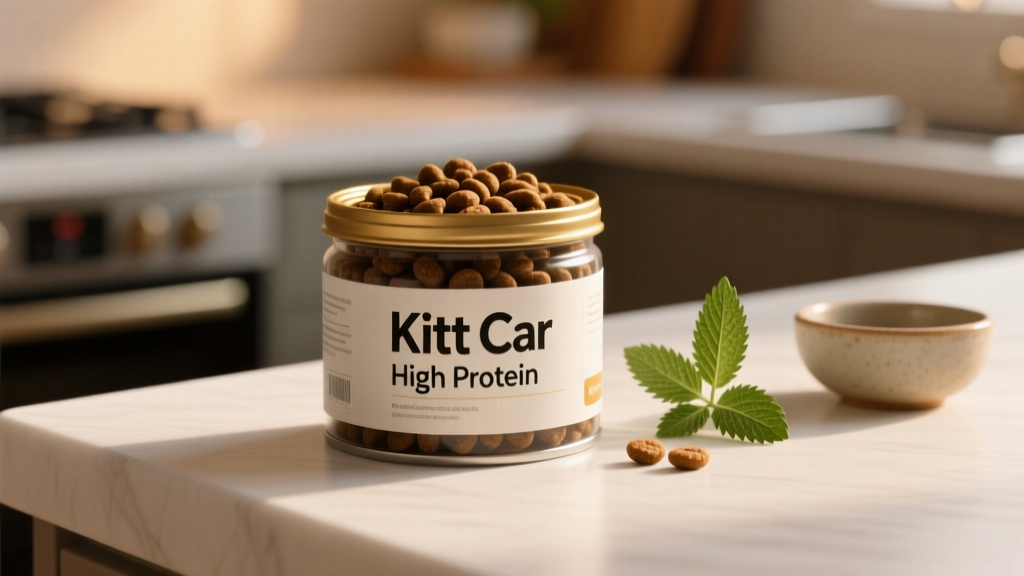
| Dry kibble | Keep sealed; store at room temp in a cool, dry, dark place. | Reseal tightly after each use; aim to finish within 4–6 weeks of opening for best freshness. | If smell is rancid/paint-like, texture is oily, cat refuses suddenly, or you see bugs/mold. |
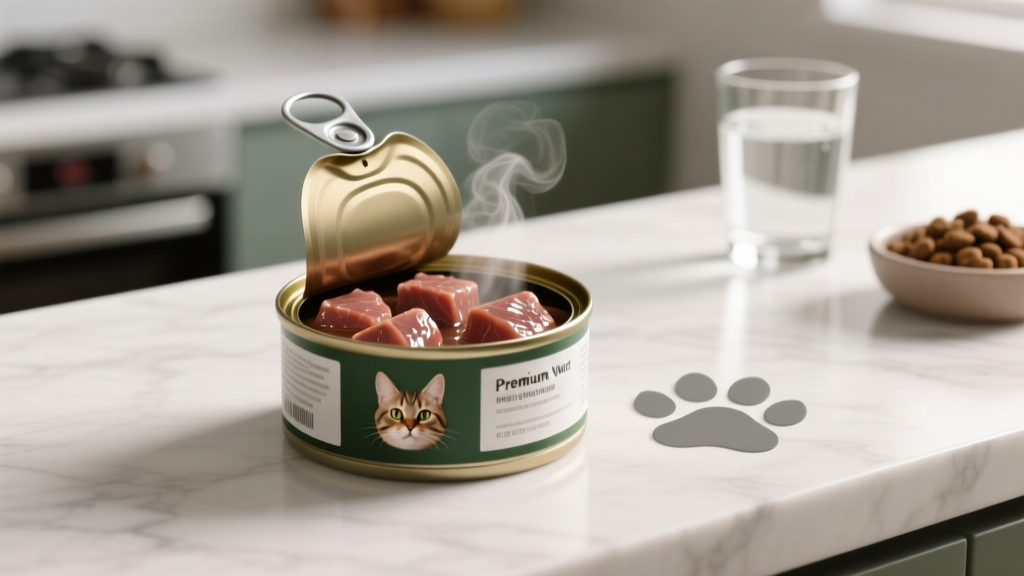
| Canned wet food | Store at room temp; avoid heat and freezing; don’t use dented/bulging cans. | Refrigerate promptly in a covered container or with a fitted lid; use within 24–72 hours (brand dependent). | After 3 days in the fridge (or sooner if odor/color changes). Discard if left out > 2 hours. |
| Pouches/trays (wet) | Keep intact; protect from punctures and heat. | Refrigerate leftovers immediately; use within 24–48 hours unless label says otherwise. | Discard if swollen, leaking, smells sour, or left out > 2 hours. |
| Fresh cooked / refrigerated commercial diets | Follow label; keep refrigerated; observe “use-by.” | Once opened, usually 3–5 days refrigerated; serve cleanly with minimal handling. | Any off odor/slime; discard past label timeline. |
| Frozen raw or frozen cooked | Keep frozen solid; maintain freezer temp; avoid thaw-refreeze cycles. | Thaw in fridge; use within 24–48 hours after thaw (per product guidance). | Discard if left out > 1–2 hours (raw is higher risk). |
Why dry food goes stale even when it looks fine
Dry food is low moisture, so it’s less likely to support rapid bacterial growth, but it can still lose quality quickly after opening:
- Fat oxidation increases with exposure to air, heat, and light.
- Volatile aromas (important for picky cats) fade over time.
- Pantry pests (weevils, moths) can infest bags, especially in warm climates.
Why wet food has stricter rules
Once opened, wet food is a perishable protein product. Refrigeration slows bacterial growth, but it doesn’t stop it. Leaving wet food out for “grazing” all day raises risk, particularly in warm rooms or multi-cat homes where bowls get contaminated.
4) Practical recommendations for cat owners
- Buy the right size bag/case: choose amounts your cat can finish within freshness windows (especially dry food within 4–6 weeks of opening).
- Keep dry food in its original bag (it’s designed as a barrier) and place the bag inside an airtight container. This preserves the lot code and reduces oxidation.
- Use clean scoops and bowls; oily residue can seed rancidity and bacteria.
- Refrigerate wet food immediately after serving. Cover opened cans/pouches.
- Warm refrigerated wet food safely for palatability: add warm water or briefly warm the portion (not the can) to “mouse body temperature” (lukewarm, not hot).
- Label your food with the opening date using tape or a marker.
5) Comparison of storage approaches (what works best)
| Approach | Best for | Pros | Cons / watch-outs |
|---|---|---|---|
| Original bag inside airtight bin | Dry kibble households | Reduces oxidation; keeps lot codes; easier pest control | Bin must be cleaned/dried between bags to prevent oil buildup and mold |
| Pour kibble directly into bin | Convenience-focused | Fast, tidy | Lose lot code; oils accumulate; can speed staling; higher contamination risk |
| Single-serve wet portions | Picky cats, small appetites | Less waste; fewer leftovers; better hygiene | Costs more per calorie; more packaging |
| Batch portioning wet food | Multi-cat homes | Efficient; consistent feeding; easy tracking | Must chill quickly; use within safe fridge window |
6) Common mistakes and misconceptions (myths debunked)
- Myth: “Dry food can’t spoil.”
Reality: It can become rancid or contaminated, even if it looks normal. Rancid fats often smell “off,” but not always strongly to humans. - Myth: “If my cat eats it, it must be safe.”
Reality: Cats may eat spoiled food due to hunger or habit. Illness can appear hours to days later, and subtle nausea can be missed. - Myth: “Refrigerating kibble keeps it fresher.”
Reality: Fridges add humidity and odor transfer. Moisture can promote mold. A cool, dry pantry is usually better. - Myth: “A dented can is fine.”
Reality: Dents can compromise seams. Discard cans that are bulging, leaking, heavily dented, or spurting when opened. When in doubt, toss it. - Myth: “Leaving wet food out all day is okay if the room is cool.”
Reality: Room temperature still supports bacterial growth. Follow the 2-hour rule (shorter for raw diets).
7) How to implement storage changes safely (and avoid upsetting your cat)
Storage improvements can change smell and texture (especially if you switch from stale kibble to fresher food), and some cats react to even small changes. Keep transitions calm and consistent:
- Change one variable at a time: don’t switch brand and storage method and feeding schedule all at once.
- If moving to smaller, fresher kibble bags: mix old and new kibble for 5–7 days to prevent GI upset.
- If serving more wet food: increase gradually, and watch stool quality and appetite.
- Keep food routine stable: same bowl, same location, consistent meal times.
- Monitor intake: record how much your cat eats for several days; reduced intake can be a medical red flag.
If your cat has a history of urinary issues, pancreatitis, inflammatory bowel disease, or is underweight/overweight, consult your veterinarian before changing diet type or feeding strategy.
8) Special considerations (age, health conditions, activity level)
- Kittens: need energy-dense, complete-and-balanced growth diets. Because they eat small, frequent meals, opened wet food can accumulate quickly. Use smaller cans/pouches and strict refrigeration.
- Senior cats: may have reduced smell sensitivity and dental disease, making freshness and texture more important. Warm wet food slightly and prioritize hydration. Seniors can also be more vulnerable to dehydration if they refuse stale food.
- Diabetes/weight management: predictable calorie intake matters. Stale food refusal can lead to erratic eating. Pre-portion meals and store properly to keep taste consistent.
- Chronic kidney disease (CKD): hydration and appetite are critical. Many CKD cats do best with wet food; handle opened cans carefully and use within 24–48 hours to keep flavor appealing.
- Food allergies/sensitivities: cross-contamination (shared scoops, unwashed bins) can trigger flare-ups. Use dedicated storage tools and clean containers between refills.
- Multi-cat homes: shared bowls increase contamination. Serve measured portions and pick up leftovers promptly rather than allowing all-day grazing with wet food.
Practical storage checklist (quick reference)
- Store unopened food cool, dry, dark; follow printed dates.
- Dry food: reseal tightly; aim to use within 4–6 weeks of opening.
- Wet food: refrigerate immediately; use within 24–72 hours; discard if left out > 2 hours.
- Wash bowls daily; clean kibble bins between bags.
- Discard any food with off odor, visible mold, pests, or damaged packaging.
9) FAQ: Cat food shelf life and storage
How long can wet cat food sit out after opening?
Aim for no more than 2 hours at room temperature. In warm rooms, shorten that window. After that, discard leftovers rather than refrigerating them again from the bowl.
Can I store kibble in a plastic container?
Yes, but best practice is to keep kibble in the original bag and place the bag inside the container. Clean and fully dry the container between bags to remove oily residue that can turn rancid.
Does freezing cat food extend shelf life?
Freezing can extend shelf life for many foods, but texture and palatability may change (especially wet foods). Follow the product label and thaw in the refrigerator. Avoid repeated thaw/refreeze cycles, and discard food that’s been left out too long.
What are the warning signs that cat food has gone bad?
- Rancid, sour, or unusual odor
- Color change, slimy texture (wet food), or oily/sticky kibble surface
- Mold, insects, webbing, or clumping in dry food
- Damaged packaging: bulging/leaking cans, punctured pouches
- Sudden refusal by a cat who normally eats that food (treat as a clue, not proof)
Is it safe to mix new food with old food to use it up?
Mixing is fine only if the older food is still within date and has been stored correctly. Don’t “dilute” questionable food. If you suspect spoilage, discard it. If you’re making a diet change, transition gradually and ask your veterinarian for guidance, especially for cats with medical conditions.
My cat prefers food that has “aired out.” Is that safe?
Some cats like stronger odors or certain textures, but leaving wet food out to “improve smell” increases bacterial risk. Instead, improve palatability by warming a refrigerated portion slightly or adding a small amount of warm water.
Veterinary reminder: If you’re changing your cat’s diet type (dry to wet, adding fresh food, switching to a prescription diet) or your cat has ongoing vomiting, diarrhea, weight change, or appetite loss, consult your veterinarian for individualized nutrition advice.
For more practical feeding and storage tips tailored to real-life cat homes, explore the nutrition guides on catloversbase.com.