Cat Food Recall History: Brands With Most Issues
1) How can I check if my cat’s food is recalled?
Look up the product on the FDA recall page, then match the brand, recipe name, package size, and lot/date code. Keep your bag label or take a photo of the code when you open it. If you’re unsure, contact the manufacturer with the lot code.
2) If a brand has had recalls before, should I stop using it?
Not automatically. Evaluate the type of recall, how the company communicated, and what corrective actions were taken. If you’re uncomfortable, choose a comparable food with a strong quality track record and transition gradually. For cats with medical conditions, consult your veterinarian before switching.
3) What symptoms might suggest a food safety problem?
Vomiting, diarrhea, drooling, reduced appetite, lethargy, fever, tremors, unsteady walking, increased thirst/urination, or sudden weight loss can all be warning signs. These symptoms are not specific to recalls—many illnesses look similar—so call your vet promptly.
4) Are wet foods safer than dry foods?
Neither is universally “safer.” Wet foods often support hydration, while dry foods can be convenient and stable. Safety depends on manufacturing controls and handling. Store all foods properly and discard anything with off odors, damaged packaging, or abnormal appearance.
5) Is it safer to make my cat’s food at home?
Home-prepared diets can work for some cats, but nutritional deficiencies are common without a properly formulated recipe and supplement plan. If you want to home-cook, ask your veterinarian for a referral to a board-certified veterinary nutritionist to design a complete recipe.
6) What should I do if I have recalled food in my home?
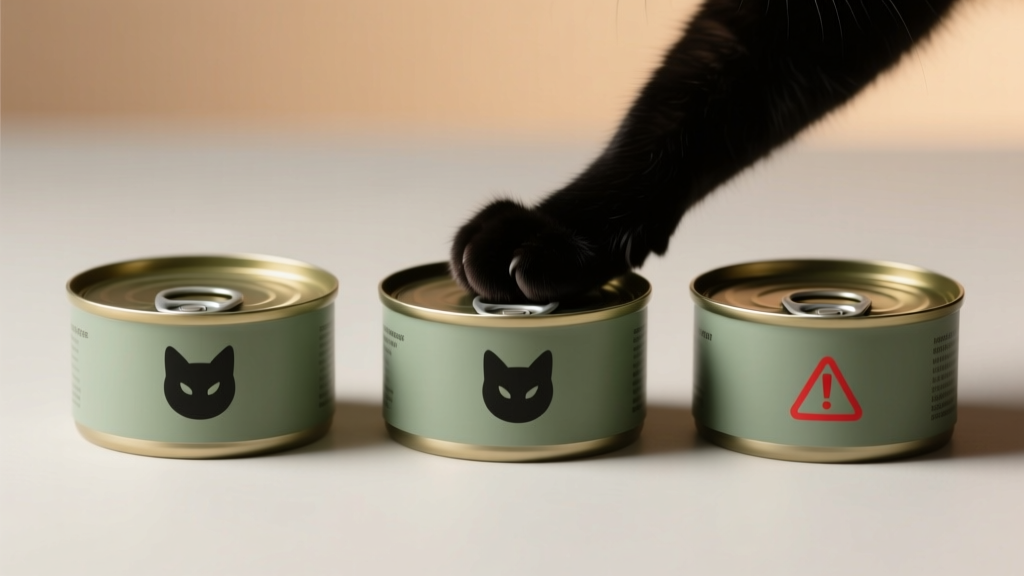
Stop feeding it immediately, secure it away from pets and children, follow the recall instructions for returns/refunds, and clean bowls/scoops/storage bins. If your cat has any symptoms, contact your veterinarian and share the recall details and lot code.
Recall history is one powerful lens for choosing a safer diet, but it works best alongside veterinary nutrition fundamentals: complete and balanced formulation, appropriate life-stage targets, and your cat’s individual health needs. For any major dietary change—or if your cat has a medical condition—work with your veterinarian to choose the right food and transition plan.
Explore more cat nutrition guides, food comparisons, and feeding tips on catloversbase.com to help you build a safer, healthier routine for your cat.