Cat Food Protein Digestibility: PDCAAS Scores for Pets
1) Why protein digestibility matters for cat health
Cats don’t just “need protein”—they need the right amino acids in the right amounts, delivered in a form their bodies can efficiently use. That’s where protein digestibility comes in. Two cat foods may list similar crude protein percentages on the label, yet one can support lean muscle, immune function, and healthy skin far better than the other because its protein is more digestible and more complete in essential amino acids.
For cat owners, understanding protein quality helps you:
- Choose foods that better support muscle maintenance and healthy body condition.
- Reduce gastrointestinal upset linked to poorly digested proteins (gas, large stools, diarrhea).
- Make smarter decisions for kittens, seniors, and cats with medical conditions.
- Avoid being misled by marketing that focuses only on high protein percentages.
2) Scientific background: cats are obligate carnivores
Cats are obligate carnivores, meaning their biology is adapted to derive key nutrients from animal tissues. Compared with omnivores, cats have:
- High, ongoing protein needs due to limited ability to downregulate protein catabolism (their metabolism “expects” dietary protein).
- Specific amino acid requirements that must come from the diet, especially taurine, plus adequate arginine, methionine, cysteine, and others.
- Unique nutrient dependencies associated with animal-derived ingredients (for example, preformed vitamin A and arachidonic acid).
Protein serves as more than a muscle-building macronutrient in cats. It supports:
- Lean mass and mobility
- Immune defenses and wound healing
- Skin and coat quality
- Enzymes and hormones
- Healthy growth and reproduction
Because cats rely heavily on protein, protein quality and digestibility can significantly influence health outcomes—especially over months and years of eating the same diet.
3) PDCAAS and pets: what it is, what it tells you, and its limitations
What PDCAAS means
PDCAAS stands for Protein Digestibility-Corrected Amino Acid Score. It was developed for evaluating human protein quality by combining:
- Amino acid profile (does the protein supply essential amino acids in adequate proportions?)
- Digestibility (how much is absorbed and used rather than passing through in stool?)
Scores are typically capped at 1.0 (or 100%). A higher PDCAAS generally means a protein is more complete and more digestible for the species and method tested.
Why PDCAAS is tricky in cats
PDCAAS is not routinely published for commercial pet foods, and when “protein quality scores” are mentioned, they may be based on human data or ingredient-level estimates rather than the finished diet as fed. There are several reasons PDCAAS is imperfect for cats:
- Species differences: PDCAAS was designed around human amino acid requirements and testing methods. Cats have different limiting amino acids and unique requirements (notably taurine, which isn’t part of standard PDCAAS calculations).
- It’s not the whole food: PDCAAS can be calculated for ingredients, but the final cat food is a blend of ingredients processed with heat, pressure, and time, which can affect amino acids (for example, Maillard reactions can reduce lysine availability).
- Doesn’t guarantee adequate taurine: Taurine must be present and stable in the finished diet. A food could use high-PDCAAS proteins and still be unsafe if taurine is insufficient (this is why feeding a complete-and-balanced diet is non-negotiable).
- Digestibility is not the same as tolerance: A protein can be highly digestible but still trigger food allergies or intolerance in a sensitive cat.
Better way to think about PDCAAS for pet owners
Use PDCAAS as a concept—protein quality depends on digestibility and amino acid completeness—rather than a number you must find on the label. In pet nutrition, the most practical “real-world” proxies for high protein quality are:
- AAFCO/FEDIAF “complete and balanced” formulation or feeding trial statement
- Named animal proteins and appropriate formulation for life stage
- Transparent quality control and veterinary nutrition expertise
- Good stool quality, stable body condition, and strong coat once fully transitioned
4) Protein digestibility in cat food: what influences it
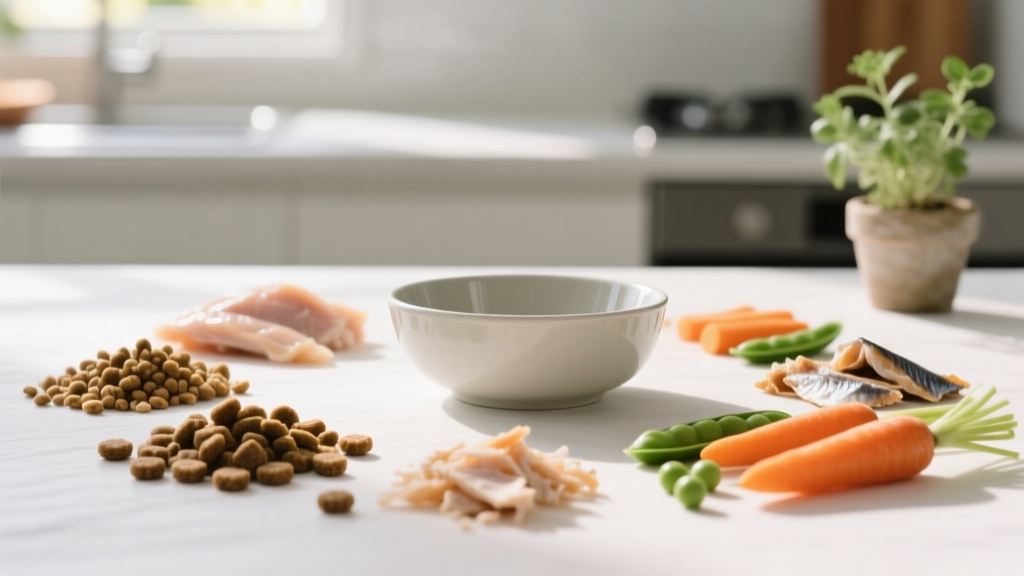
Ingredient type: animal vs plant proteins
In general, animal-derived proteins tend to have a more favorable essential amino acid pattern for cats. Plant proteins can contribute amino acids, but they may be more limited in certain essentials and can contain fiber or antinutritional factors that reduce digestibility.
| Protein source | Typical amino acid “fit” for cats | Digestibility (general trend) | Notes for cat owners |
|---|---|---|---|
| Egg | Excellent (complete) | Very high | Often used as a reference protein in nutrition science; not a complete diet by itself for cats. |
| Poultry, beef, pork, fish | Very good | High (varies with processing) | Named meat meals can be nutritious; quality depends on sourcing and processing control. |
| Organ meats | Good (nutrient-dense) | High | Supports micronutrients; balance matters to avoid excesses in homemade diets. |
| Pea protein / legumes | Moderate | Moderate | Can boost label protein %; may not provide an ideal amino acid balance for cats without careful formulation. |
| Wheat gluten / corn gluten | Variable | Often high | Highly digestible as an ingredient, but amino acid profile can be limiting; not inherently “bad,” but shouldn’t replace animal protein as the main driver. |
Processing and cooking method
Processing is a double-edged sword. It improves safety and can enhance digestibility, but excessive heat can damage certain amino acids or reduce availability.
- Extruded kibble: High heat/pressure can reduce amino acid availability if not carefully controlled; well-formulated diets compensate with amino acid supplementation.
- Canned/wet food: Often highly palatable and can be easier for some cats to digest; still heat processed but moisture can support urinary health and hydration.
- Gently cooked/fresh: May preserve palatability; must still be complete and balanced for cats (cats cannot safely “wing it” nutritionally).
- Raw: Not inherently more digestible; carries food safety risks (pathogens) for cats and humans in the household. If used, it should be veterinary-formulated and handled with strict hygiene.
Overall diet composition
Digestibility is influenced by the entire recipe:
- Fiber level: Some fiber supports gut health, but very high fiber can dilute calories and reduce digestibility.
- Fat level: Adequate fat improves palatability and energy density; very high fat can trigger GI upset in sensitive cats.
- Mineral balance: Proper calcium/phosphorus balance matters for growth and kidney health support strategies.
- Supplementation: Taurine and certain amino acids may be supplemented to ensure adequacy after processing.
5) Practical recommendations for choosing highly digestible protein for cats
What to look for on the label
- AAFCO or FEDIAF complete-and-balanced statement for your cat’s life stage (growth/kitten, adult maintenance, all life stages).
- Named animal proteins early in the ingredient list (e.g., chicken, turkey, salmon, beef) rather than vague terms.
- Appropriate energy density so your cat can maintain lean mass without overeating.
- Company quality control: feeding trials, nutritionist involvement, transparent manufacturing standards.
What to observe at home (often more useful than any score)
- Stool quality: smaller, well-formed stools often correlate with better digestibility.
- Coat and skin: shinier coat, less dandruff, fewer hairballs in some cats (not guaranteed).
- Body condition and muscle: steady weight and good topline muscle.
- Appetite and comfort: less gassiness, fewer vomiting episodes (after transition period).
If you’re considering a significant diet shift (therapeutic diets, raw, homemade, high-protein interventions for seniors), consult your veterinarian or a board-certified veterinary nutritionist to match protein level and digestibility to your cat’s health status.
6) Comparing approaches: wet vs dry vs fresh vs raw (protein quality angle)
| Approach | Potential benefits | Potential drawbacks | Best fit for |
|---|---|---|---|
| Wet (canned/pouches) | High moisture; often strong palatability; can support urinary health; good option for seniors | Can be more expensive; dental benefit is limited; requires food safety handling once opened | Cats prone to urinary issues, constipation, low water intake, picky eaters |
| Dry (kibble) | Convenient; cost-effective; easy to use with feeders; stable storage | Lower moisture; some formulas rely heavily on plant proteins; portion control is critical | Households needing convenience; cats doing well on measured portions with added water/wet food |
| Fresh/gently cooked (complete & balanced) | Highly palatable; may be easier for some cats to eat; ingredient transparency | Cost; storage needs; must be truly complete and balanced for cats | Owners able to manage refrigeration and measured portions; cats with appetite challenges |
| Raw | Owner preference; can be palatable to some cats | Pathogen risk; nutritional imbalance risk if homemade; not automatically more digestible or “higher quality” | Only with veterinary guidance and strict hygiene; not recommended in homes with immunocompromised people |
7) Common mistakes and misconceptions (myth-busting)
- Myth: “Higher protein % always means better.”
Reality: Crude protein is a quantity measure, not a quality measure. Digestibility and amino acid balance determine how much your cat can actually use. - Myth: “Plant protein is useless for cats.”
Reality: Some plant proteins are digestible and can contribute amino acids. The concern is when plant proteins displace animal proteins and the diet relies on supplementation to “patch” amino acid gaps. Cats generally thrive best when animal proteins are the primary contributors. - Myth: “By-products are automatically low quality.”
Reality: The term “by-product” can include nutrient-dense organ meats. Quality depends on sourcing, processing, and formulation—not the label term alone. - Myth: “Raw food is always more digestible and biologically appropriate.”
Reality: Digestibility varies; raw diets can be unbalanced and carry bacterial/parasite risks. Safety and nutritional completeness matter more than ideology. - Myth: “Grain-free means higher protein quality.”
Reality: Grain-free foods often substitute legumes (peas/lentils) which can increase plant protein content. Grain-free does not guarantee better digestibility or amino acid balance.
8) How to implement changes safely (transition tips)
Even a great food can cause diarrhea or vomiting if introduced too quickly. Plan a transition of 7–10 days (longer for sensitive cats):
- Days 1–3: 75% old food / 25% new food
- Days 4–6: 50% old / 50% new
- Days 7–9: 25% old / 75% new
- Day 10+: 100% new
- If loose stool appears, pause at the current mix ratio for a few days.
- Measure portions to avoid overfeeding during the transition (GI upset is worse with sudden calorie increases).
- Keep treats consistent or minimal so you can accurately judge tolerance.
- Any repeated vomiting, lethargy, refusal to eat, or blood in stool warrants a veterinary call.
9) Special considerations: kittens, seniors, and medical conditions
Kittens (growth)
- Require energy-dense, highly digestible diets formulated for growth.
- Protein quality is critical because growth demands essential amino acids in consistent supply.
- Choose diets labeled for kittens or “all life stages,” and ask your vet about ideal feeding amounts and body condition monitoring.
Adult cats (maintenance)
- Focus on maintaining lean mass and healthy weight.
- Protein digestibility matters most when calorie intake is restricted (weight loss) because you want maximal nutrition from fewer calories.
Seniors
- Many older cats benefit from highly digestible protein to help preserve muscle, but protein strategy should be individualized.
- Unintentional weight loss, reduced appetite, and dental disease are common and may require wet or softer textures.
- Because chronic kidney disease is more prevalent with age, discuss protein level, phosphorus, and calorie goals with your veterinarian rather than making assumptions.
Chronic kidney disease (CKD)
- Nutrition goals often include controlled phosphorus and tailored protein amounts (not necessarily “as low as possible” for every cat, and never without guidance).
- Veterinary therapeutic kidney diets are formulated to balance protein quality with kidney-supportive mineral profiles.
- Work closely with your vet—appetite and calorie intake can matter as much as macronutrient targets.
Food allergies or inflammatory bowel disease (IBD)
- Digestibility and ingredient selection both matter.
- Your vet may recommend a hydrolyzed protein diet or a carefully selected novel protein elimination trial.
- Avoid frequent diet-hopping; it can make diagnosis and management harder.
Highly active cats vs indoor loungers
- Active cats may need more calories and benefit from high-quality, digestible protein to support muscle repair.
- Indoor cats often need tighter portion control; choose nutrient-dense foods and monitor body condition score.
FAQ: Cat food protein digestibility and PDCAAS
1) Can I find PDCAAS scores on cat food labels?
Usually no. PDCAAS is a human nutrition metric and is not a standard labeling requirement for pet foods. Instead, look for “complete and balanced” statements, reputable manufacturers, and diets formulated for your cat’s life stage. If you want deeper data, some companies will share digestibility or feeding trial information if you contact them.
2) Does “high protein” kibble mean my cat is getting more usable protein?
Not necessarily. A high crude protein number can be achieved with a mix of animal and plant proteins, and crude protein does not equal amino acid availability. Watch real outcomes—muscle condition, stool quality, coat—and choose brands with strong formulation and quality control.
3) Are animal by-products bad for protein quality?
Not automatically. Many organ meats are highly digestible and rich in nutrients. The key is whether the overall diet is properly formulated, tested, and produced with consistent quality standards.
4) Is wet food always more digestible than dry food?
Not always, but many cats tolerate wet food well, and its moisture content can be beneficial. Digestibility depends on the specific formula, ingredients, and processing. Some cats do great on quality kibble; others do better with wet or mixed feeding.
5) My cat has soft stool—should I switch proteins right away?
Soft stool can come from rapid diet changes, overfeeding, stress, parasites, or intolerance. Before switching repeatedly, review portion sizes, slow the transition, and talk to your veterinarian—especially if the issue persists more than a few days or is accompanied by vomiting, weight loss, or lethargy.
6) Is a homemade high-protein diet the best way to maximize protein quality?
Homemade diets can be done well, but many are unintentionally unbalanced—especially for taurine, calcium/phosphorus, essential fatty acids, and key vitamins. If you want to feed homemade, do it with a recipe formulated by a veterinarian (ideally a board-certified veterinary nutritionist) and follow it precisely.
Next steps for cat owners
Protein digestibility is a powerful concept: cats thrive when they receive complete, highly usable amino acids from well-formulated diets. Rather than chasing a single score like PDCAAS, focus on complete-and-balanced nutrition, reliable manufacturing standards, your cat’s life stage, and measurable health signals (body condition, muscle, stool quality, coat).
Before making major diet changes—especially for kittens, seniors, or cats with kidney disease, GI disease, or allergies—consult your veterinarian for individualized guidance.
If you want more practical, vet-aligned nutrition guidance, explore our other cat feeding and ingredient deep-dives on catloversbase.com.