Cat Food Preservatives: BHA, BHT, and Natural Options
1) Why preservatives matter for cat health
Cat food isn’t “fresh” by the time it reaches your pantry. Fats can oxidize, vitamins can degrade, and microbial growth can become a safety risk if moisture is present. Preservatives are added to slow these changes so food stays safe, palatable, and nutritionally consistent through its shelf life.
For cat owners aiming to feed the best possible diet, preservatives matter for three reasons:
- Safety: Oxidized fats can become rancid and may irritate the gastrointestinal tract or reduce appetite.
- Nutrition: Oxidation destroys essential fatty acids and can reduce fat-soluble vitamins (A, D, E, K).
- Quality control: Stable formulas help cats get predictable nutrient intake—especially critical for kittens, seniors, and cats with medical conditions.
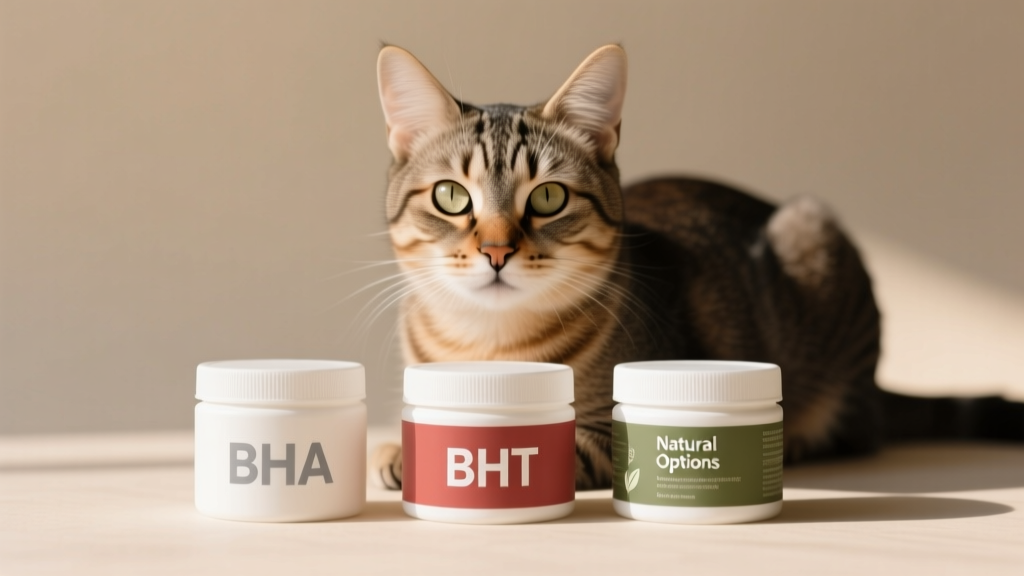
Two names commonly raise questions on labels: BHA (butylated hydroxyanisole) and BHT (butylated hydroxytoluene). They’re synthetic antioxidants used to prevent fat oxidation. Many brands also market “natural preservatives,” typically mixed tocopherols (vitamin E compounds), rosemary extract, and ascorbic acid (vitamin C) or its salts.
2) Scientific background: feline nutritional needs and why fat stability matters
Cats are obligate carnivores. Their metabolism is adapted to a prey-based diet: high protein, moderate fat, and very low carbohydrate. Several feline-specific biological traits make diet quality and stability especially relevant:
- Higher protein needs: Cats have a limited ability to down-regulate protein breakdown, so diets must provide adequate high-quality animal protein.
- Essential nutrients from animal tissues: Cats require preformed vitamin A, taurine, and arachidonic acid (an omega-6 fatty acid) in the diet.
- Fatty acids and palatability: Fats carry flavor and provide essential fatty acids. Oxidized fats can reduce taste and may cause some cats to refuse food.
Because many cat foods contain poultry fat, fish oil, or other lipid sources, antioxidants are used to protect these fats from oxidation. This is particularly important in:
- Dry kibble (large surface area + exposure to air after opening)
- Foods with fish oil or high levels of polyunsaturated fats (more prone to oxidation)
- Long shelf-life products stored at room temperature
3) BHA and BHT: what they are, what the evidence says, and why they’re used
BHA and BHT are synthetic antioxidant preservatives. Their primary job in pet food is to slow rancidity by interrupting oxidation reactions in fats. They’re typically used at low levels and are regulated by governmental agencies (regulations vary by country).
Why manufacturers use BHA/BHT
- Strong oxidative protection: Effective at preventing rancidity in fat-containing formulas.
- Cost-effective: Often less expensive than some “natural” antioxidant systems.
- Stable performance: Provide consistent protection across varying storage conditions.
Safety: realistic risk vs. understandable concern
Concern about BHA/BHT usually comes from discussions of toxicology studies and cancer risk debates in humans and laboratory animals. The key points for cat owners:
- Dose matters: Regulatory limits are designed to keep exposures low. The amounts used in commercial pet foods are small.
- Risk is hard to personalize: A label doesn’t tell you the exact amount or the total exposure from all foods and treats, and individual sensitivity may vary.
- Overall diet quality matters more: The nutrient profile, digestibility, calorie control, and medical appropriateness typically have a bigger impact on a cat’s health than one preservative decision.
That said, many owners prefer to minimize synthetic additives when practical. Choosing foods preserved with mixed tocopherols can be a reasonable preference, as long as the food remains nutritionally complete, stable, and appropriate for your cat.
Hidden sources: “preserved with BHA/BHT” may not be on the front label
Sometimes BHA/BHT aren’t added directly by the brand but come from an ingredient supplier (commonly fish meal or animal fat) that is preserved before it reaches the manufacturer. This may appear in small print in the ingredient list.
Natural preservative options: what they are and how they compare
“Natural preservatives” in cat foods usually means antioxidants derived from natural sources. The most common are:
- Mixed tocopherols: Vitamin E compounds that slow fat oxidation.
- Rosemary extract: Plant-derived antioxidant; effectiveness depends on concentration and formulation.
- Ascorbic acid/ascorbates: Vitamin C-related compounds used as antioxidants (cats synthesize vitamin C, but it can still function as an antioxidant in food systems).
| Preservative Type | Common Examples | Main Purpose | Pros | Trade-offs |
|---|---|---|---|---|
| Synthetic antioxidants | BHA, BHT | Prevent fat oxidation/rancidity | Very effective, stable, often longer shelf protection | Some owners prefer to avoid; may be present via supplier-preserved fats/meals |
| Natural antioxidants | Mixed tocopherols (vitamin E), rosemary extract | Prevent fat oxidation/rancidity | Aligns with “no synthetic preservatives” preference | May offer less robust protection in some formulas; can mean shorter “best by after opening” window |
| Packaging/storage strategy | Nitrogen-flushed bags, small bag sizes, opaque packaging | Reduce oxygen/light exposure | Improves freshness regardless of preservative type | Not always obvious on label; can cost more |
4) Practical recommendations for cat owners
Choosing a diet is about balancing safety, nutrition, palatability, and your cat’s individual needs. Use this checklist when evaluating preservatives and overall food quality:
- Prioritize “complete and balanced” (AAFCO/FEDIAF compliant, depending on your region) for your cat’s life stage.
- Check the fat sources: Foods with fish oil or high poultry fat may benefit from stronger antioxidant systems and careful storage.
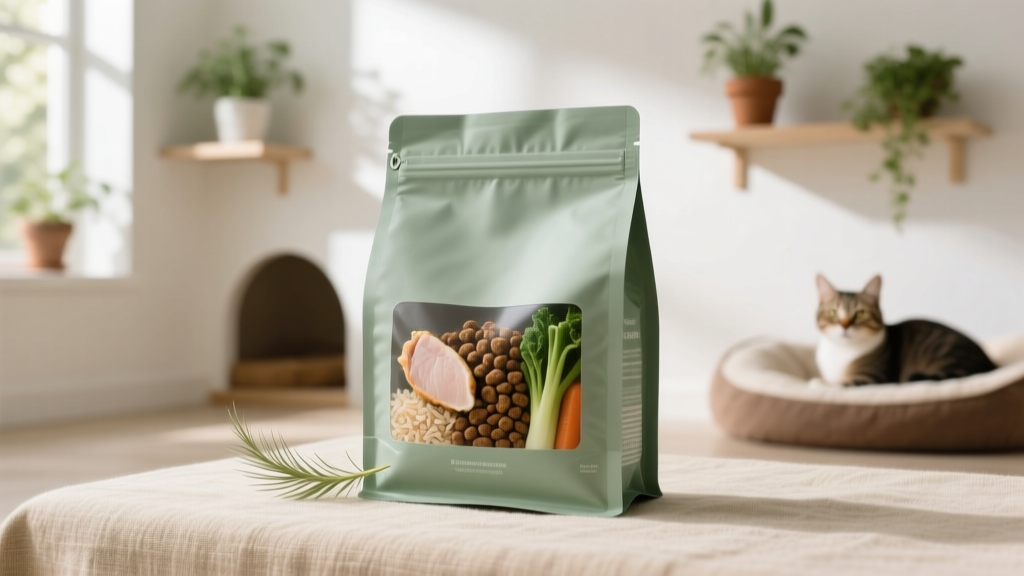
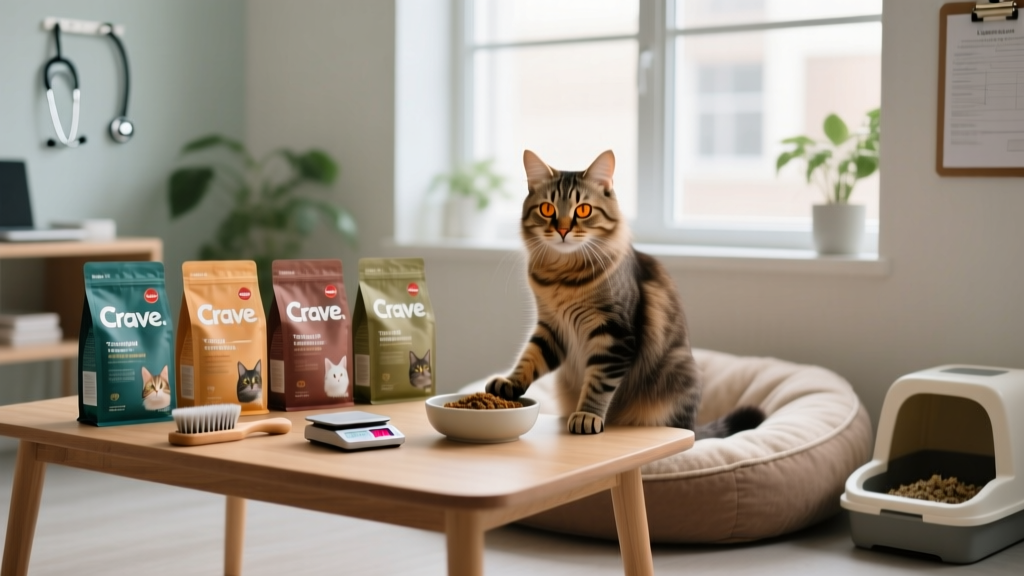
- Choose packaging that supports freshness: Small bags, resealable closures, and opaque packaging help slow oxidation.
- Buy sizes your cat will finish quickly: A huge bag is often less “fresh” by the end, even if it’s a premium brand.
- Store correctly: Cool, dry, dark place. Keep kibble in its original bag inside an airtight container (the bag provides a grease barrier and lot information).
- Use a “sniff and behavior check”: If food smells paint-like, metallic, or stale—or your cat suddenly refuses it—replace it and contact the manufacturer if needed.
Veterinary guidance matters: If your cat has kidney disease, urinary issues, GI disease, allergies, diabetes, or a history of pancreatitis, consult your veterinarian before changing foods. The best-preserved food is not helpful if it’s the wrong therapeutic profile.
5) Comparing approaches: BHA/BHT vs natural preservatives vs wet food
| Approach | Best For | Strengths | Watch Outs |
|---|---|---|---|
| Dry food with BHA/BHT | Owners needing long shelf life; multi-cat homes; consistent availability | Strong oxidation protection; stable during storage | Some owners prefer to avoid synthetic additives; still store carefully after opening |
| Dry food with mixed tocopherols/rosemary | Owners seeking “naturally preserved” kibble | Meets preference for natural antioxidants; widely available | May go stale faster after opening; buy smaller bags, seal tightly |
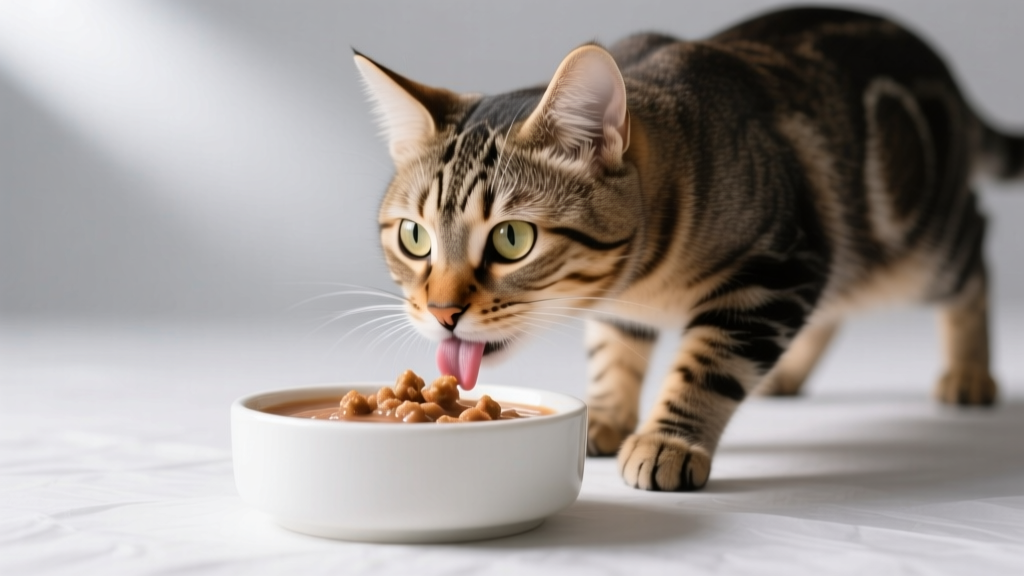
| Wet/canned food (various preservative systems) | Cats needing extra hydration; urinary support; picky eaters | Lower oxidation risk once sealed (less air); often higher moisture for urinary health | After opening, spoilage risk rises—refrigerate promptly and discard after recommended time |
6) Common mistakes and misconceptions to avoid
- Myth: “Natural” always means safer.
Reality: Natural antioxidants can be effective, but “natural” doesn’t automatically mean better for every cat or every formula. Safety and adequacy depend on dose, quality control, and the total diet. - Mistake: Ignoring storage and blaming preservatives.
Reality: A high-quality food can become rancid if left open to heat, light, and air. Storage practices can make a bigger difference than the preservative choice. - Myth: “No preservatives” means the food is fresher.
Reality: Fat-containing foods inevitably oxidize. “No preservatives” may simply mean the company is using packaging strategies, fast turnover, or unlisted supplier-preserved ingredients. Always read the full ingredient list and contact the manufacturer if unclear. - Mistake: Switching foods repeatedly to avoid certain additives.
Reality: Frequent diet changes can trigger GI upset and may worsen picky eating. Choose a nutritionally appropriate food your cat thrives on, then focus on consistency and proper transition. - Myth: Rancid food is always obvious.
Reality: Some oxidation is subtle. If your cat’s appetite drops, stools change, or the kibble smells “off,” don’t assume it’s behavioral—replace the bag and talk to your vet if signs persist.
7) How to implement changes safely (transition tips)
If you decide to switch from a BHA/BHT-preserved food to one preserved with mixed tocopherols (or change formats from dry to wet), transition gradually to reduce GI upset.
| Day | Old Food | New Food |
|---|---|---|
| 1–2 | 75% | 25% |
| 3–4 | 50% | 50% |
| 5–6 | 25% | 75% |
| 7+ | 0% | 100% |
- Go slower (10–14 days) for cats with sensitive stomachs, IBD, or a history of vomiting.
- Track stool quality, appetite, and energy during the transition.
- Keep treats consistent so you’re not changing multiple variables at once.
- Contact your veterinarian if you see persistent vomiting, diarrhea, refusal to eat for 24 hours, or signs of dehydration.
8) Special considerations: age, health conditions, and lifestyle
Kittens
- Need higher energy density and specific nutrient levels for growth.
- Focus first on a life-stage “growth” complete-and-balanced diet; preservative preferences come second.
- Discuss any diet changes with a veterinarian, especially if the kitten is underweight or has diarrhea.
Seniors
- May have reduced appetite, dental disease, or chronic kidney disease.
- Freshness and palatability matter—buy smaller bags and avoid storing kibble for long periods after opening.
- If kidney disease is suspected, do not switch diets solely based on preservatives; ask your vet about renal nutrition strategies.
Indoor, low-activity cats
- Weight control often matters more than preservative type.
- Choose portion-controlled feeding and consider wet food for satiety and hydration when appropriate.
Cats with allergies or food sensitivities
- True food allergies in cats are usually to proteins, not preservatives.
- If you suspect a food reaction (itching, chronic ear issues, vomiting/diarrhea), work with your veterinarian on a structured elimination diet rather than hopping between boutique “preservative-free” foods.
Urinary tract concerns
- Moisture intake and urine characteristics are key.
- Wet diets or veterinarian-recommended urinary diets may provide more benefit than focusing on antioxidant type alone.
9) FAQ: common questions about cat food preservatives
Are BHA and BHT banned in cat food?
In many regions, BHA and BHT are permitted within regulated limits. Rules vary by country and may change over time. If you’re unsure, ask the manufacturer for details on preservatives used in both the finished food and supplier ingredients.
Does “naturally preserved” mean the food has no synthetic preservatives anywhere?
Not always. Some ingredients (like fish meal or animal fat) may be preserved before they arrive at the pet food plant. If this matters to you, contact the brand and ask whether any incoming ingredients are preserved with BHA/BHT or similar compounds.
Is wet food automatically “preservative-free”?
No. Canned foods often rely on heat processing and sealed packaging for safety, but formulas may still include antioxidants for fat stability and nutrient protection. After opening, wet food must be refrigerated and used within the time window on the label (commonly 24–72 hours).
What’s the biggest freshness risk after opening a bag of kibble?
Oxidation accelerates when fats are exposed to oxygen, heat, and light. Buy smaller bags, reseal tightly, store in a cool/dry place, and consider avoiding prolonged “free-feeding” from an open bag if the food sits for weeks.
Should I switch foods just to avoid BHA/BHT?
If your current food is working well—healthy weight, good stool quality, glossy coat, normal energy—there may be no urgent reason to change. If you prefer to avoid synthetic antioxidants, choose a complete-and-balanced alternative, transition gradually, and ask your veterinarian for guidance, especially if your cat has medical needs.
Can I add vitamin E or “antioxidant supplements” to prevent rancidity?
Adding supplements to food at home is not a reliable way to stabilize fats and can unbalance the diet. Use proper storage, buy appropriate package sizes, and choose a reputable manufacturer with strong quality control. Consult your veterinarian before giving any supplements.
Choosing the best diet for your cat is about the full picture: nutritional adequacy, ingredient quality, safety testing, your cat’s health status, and how the food is stored and fed. If you’re considering a diet change—whether to avoid BHA/BHT or to try naturally preserved options—work with your veterinarian to make a plan that fits your cat’s needs.
For more practical, vet-informed nutrition guides, explore the latest articles on catloversbase.com.