How to Take Good Care of a Baby Kitten: The 7 Non-Negotiable Health & Safety Steps Every New Kitten Parent Must Get Right (Before Day 3)
Why This Isn’t Just ‘Cute’—It’s Life-or-Death Care
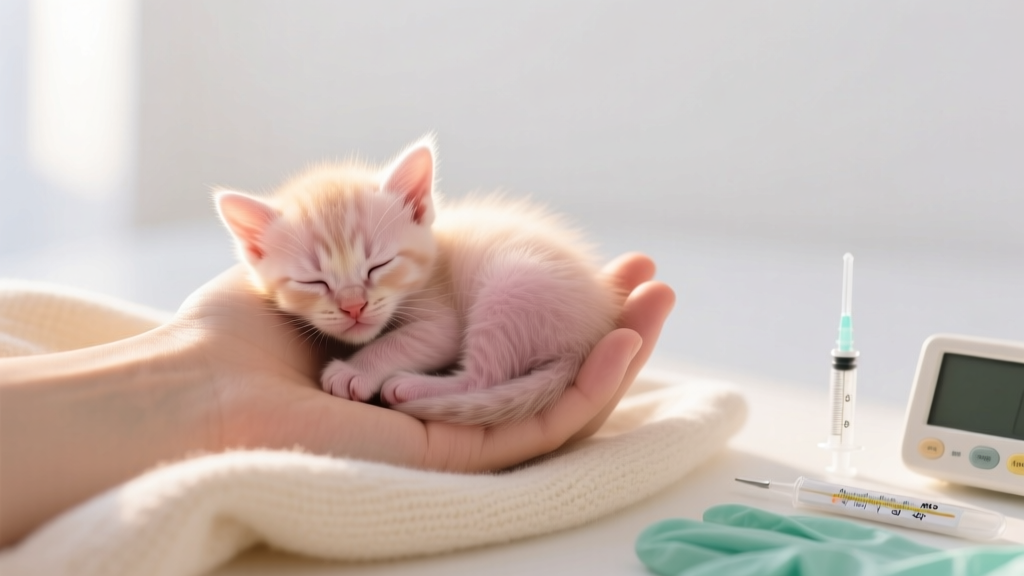
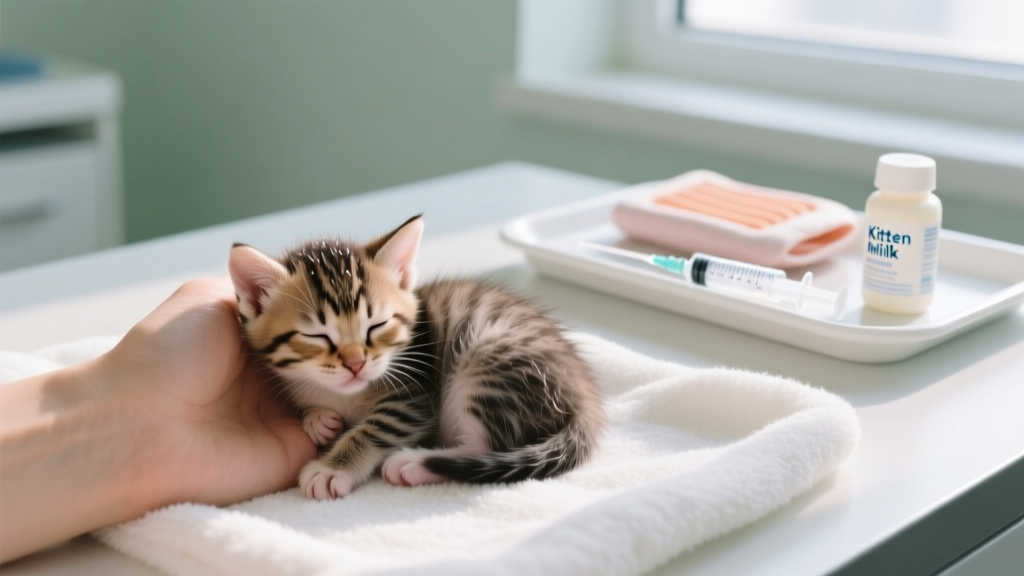
If you’re searching how to take good care of a baby kitten, chances are you’ve just brought home—or found—a fragile, wide-eyed newborn or orphaned kitten under 4 weeks old. And right now, your heart is racing—not just with excitement, but with quiet panic. That’s normal. Kittens under 4 weeks have zero immune defense, can’t regulate their own body temperature, and rely entirely on external warmth, precise nutrition, and human-guided elimination. One missed feeding, one degree too cold, one unstimulated bowel movement—and within hours, dehydration or hypothermia can turn fatal. This isn’t exaggeration; it’s veterinary consensus. According to the American Veterinary Medical Association (AVMA), over 60% of neonatal kitten mortality occurs in the first week due to preventable causes like chilling, malnutrition, or failure to thrive. So this guide isn’t about ‘adorable tips.’ It’s your actionable, evidence-backed survival protocol—grounded in neonatal feline physiology and real-world foster experience.
1. Temperature Control: The Silent Lifeline
A newborn kitten’s rectal temperature should be 95–99°F (35–37.2°C). Below 94°F? They’ll stop nursing, become lethargic, and risk fatal hypothermia—even if they appear ‘fine’ at first glance. Unlike adult cats, neonates lack shivering thermogenesis and brown fat reserves. Their ability to generate heat is virtually nonexistent before 3 weeks.
Here’s how to get it right:
- Use a digital thermometer (not glass): Rectal readings only—never ear or axillary. Lubricate with water-based lube and insert gently ½ inch. Read in 10 seconds.
- Create a thermal gradient: A heating pad set to LOW (never high) under *half* the nesting box, covered with two layers of fleece (no loose threads!). This lets the kitten move away if overheated. Add a warm water bottle wrapped in towel for extra stability—but replace every 2 hours.
- Monitor ambient room temp: Keep the entire room at 80–85°F (27–29°C) for newborns; drop to 75°F by week 3, then 70°F by week 5.
Pro tip: Place a small digital thermometer *inside* the nest—not on the surface—to track microclimate accuracy. And never use heat lamps: they cause rapid dehydration and burns.
2. Feeding Protocol: Precision Nutrition, Not Guesswork
Human baby formula, cow’s milk, or goat’s milk will cause severe diarrhea, bloat, and sepsis in kittens. Their digestive systems lack lactase persistence and require species-specific nutrients—especially taurine, arginine, and arachidonic acid. Commercial kitten milk replacer (KMR® or PetAg®) is non-negotiable.
Feeding schedule by age:
- 0–1 week: Every 2–3 hours (including overnight). 2–4 mL per feeding, 8–12x/day.
- 1–2 weeks: Every 3–4 hours. 5–10 mL per feeding, 6–8x/day.
- 2–3 weeks: Every 4–6 hours. 10–15 mL per feeding, 5x/day.
- 3–4 weeks: Begin gruel transition (see below). Still supplement with bottle 3–4x/day.
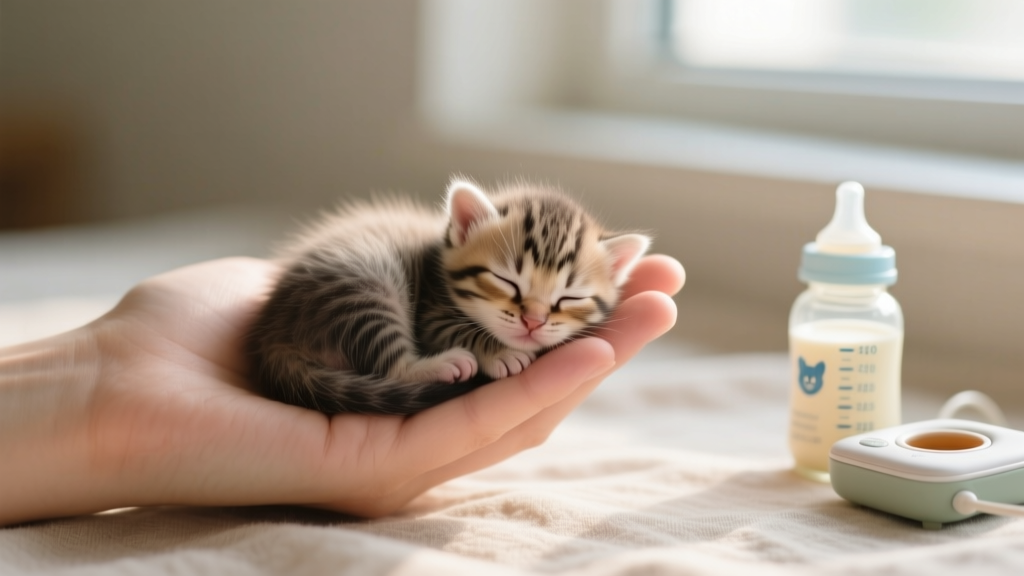
Technique matters more than volume: Hold kitten upright (never on back), tilt bottle slightly upward so air doesn’t enter stomach, and let them suckle at their pace. Burp after every 5 mL. If they choke, gag, or milk bubbles from nose—stop immediately and consult a vet. As Dr. Sarah Wooten, DVM and certified feline practitioner, emphasizes: ‘Aspiration pneumonia is the #1 preventable cause of death in hand-reared kittens—and it’s almost always due to improper bottle angle or overfeeding.’
3. Stimulation & Elimination: You Are Their Bladder and Bowels
Until ~3 weeks old, kittens cannot urinate or defecate without physical stimulation—mimicking the mother’s licking. Skipping this = urinary retention, constipation, toxic buildup, and death within 48 hours.
How to stimulate properly:
- Use a warm, damp cotton ball or soft tissue (never Q-tip—risk of injury).
- Gently stroke the genital and anal area in downward motions for 30–60 seconds *before and after each feeding*.
- Watch closely: Urine should be pale yellow and plentiful; stool should be soft, mustard-yellow, and formed (not watery or green).
Track output daily in a log. No urine for >6 hours? Call your vet immediately. Blood in stool? Stop feeding and seek emergency care. Also note: Kittens should gain 7–10g per day. Weigh daily on a gram-scale (kitchen scale works)—a dip of >10% body weight signals critical trouble.
4. Hygiene, Parasites & Early Vaccination: Building Immunity Safely
Neonatal kittens are immunologically naive. Maternal antibodies wane rapidly after birth—especially in orphans—and don’t cross the placenta (unlike dogs or humans). That means even mild environmental pathogens—Coccidia, Giardia, or feline herpesvirus—can trigger systemic collapse.
Key protocols:
- Sanitize everything: Wash hands with soap before/after handling. Use diluted bleach (1:32) on surfaces, bowls, and bedding weekly. Never use phenol-based cleaners (e.g., Lysol)—they’re toxic to cats.
- Fecal testing starts at 2 weeks: Even asymptomatic kittens carry roundworms. A vet-approved dewormer (pyrantel pamoate) is safe at 2 weeks and repeated every 2 weeks until 8 weeks.
- Vaccines begin at 6 weeks: Core FVRCP (feline viral rhinotracheitis, calicivirus, panleukopenia) is first administered then boosted at 8 and 12 weeks. Do NOT vaccinate before 6 weeks—their immature immune system won’t respond, and maternal antibodies may interfere.
Also critical: Keep kittens isolated from other pets until fully vaccinated. One sniff from an unvaccinated cat can transmit panleukopenia—a 90% fatality rate in under-8-week-olds.
| Age Range | Key Developmental Milestones | Critical Care Actions | Red Flags Requiring Vet Visit |
|---|---|---|---|
| 0–1 week | Eyes closed; ears folded; no hearing/vision; relies entirely on touch/smell | Warmth maintenance; feeding every 2–3 hrs; stimulation pre/post feed; daily weight check | No weight gain in 24 hrs; no urine/stool for >6 hrs; weak suck reflex; gasping or cyanosis |
| 1–2 weeks | Eyes begin opening (usually day 7–10); ear canals open; start lifting head | Continue feeding/schedule; introduce gentle handling; monitor eye discharge (clear only); begin fecal test | Swollen, sealed, or pus-filled eyes; persistent crying; refusal to nurse; tremors |
| 2–3 weeks | Eyes fully open; begin crawling; first teeth erupt; respond to sound | Start low-height exploration; introduce shallow litter tray with paper pellets; deworm; weigh twice daily | Diarrhea lasting >12 hrs; blood in stool; inability to stand; seizures |
| 3–4 weeks | Walking steadily; playing; grooming self; socializing with littermates | Begin gruel (KMR + high-quality wet food); introduce water bowl; start socialization sessions (15 min, 3x/day); first FVRCP vaccine | Weight loss >5%; isolation from littermates; excessive sleeping; nasal/ocular discharge |
| 4–8 weeks | Running, pouncing, full weaning; litter-trained; confident vocalization | Complete weaning by 6 weeks; second FVRCP; flea prevention (only vet-approved products); spay/neuter consult | Failure to eat solid food by 5 weeks; aggression toward people; persistent coughing or sneezing |
Frequently Asked Questions
Can I use cow’s milk or soy milk for a baby kitten?
No—absolutely not. Cow’s milk contains lactose and casein proteins that kittens cannot digest, leading to life-threatening diarrhea and dehydration. Soy milk lacks essential amino acids like taurine and introduces phytoestrogens that disrupt development. Only use a commercial kitten milk replacer formulated for feline neonates. In emergencies, a temporary homemade solution (1 cup whole goat’s milk + 1 egg yolk + 1 tsp corn syrup + 1 drop pediatric liquid vitamins) may buy 12–24 hours—but contact a vet immediately.
My kitten hasn’t pooped in 24 hours—what do I do?
First, confirm stimulation has been done correctly before and after every feeding. Then gently massage the abdomen in circular motions for 60 seconds. Offer a few drops of warm water via dropper. If still no stool in 4 hours—or if kitten appears bloated, cries when touched, or refuses to nurse—seek urgent veterinary care. Constipation in neonates can lead to megacolon or sepsis within hours.
When should I start litter training?
Introduce a shallow, uncovered litter box with unscented, non-clumping paper-based pellets at 3 weeks. Place kitten in it after every meal and gently scratch their paws in the material. Avoid clay or clumping litter—ingestion causes fatal intestinal blockages. Most kittens self-train by 5 weeks, but consistency and patience are key. Never punish accidents—they’re neurologically incapable of associating punishment with behavior at this age.
Is it safe to bathe a baby kitten?
No. Bathing strips vital skin oils, risks hypothermia, and stresses their immature respiratory and cardiac systems. Spot-clean soiled areas with warm water and soft cloth only. Full baths should wait until after 12 weeks—and even then, only if medically necessary and supervised by a vet. Over-bathing is linked to increased incidence of upper respiratory infections in developing kittens.
How do I know if my kitten is bonding with me?
Early bonding signs include kneading your lap, purring during handling, following you around, sleeping near you, and initiating gentle head-butts (bunting). These behaviors typically emerge between 3–5 weeks as trust develops. But remember: socialization peaks between 2–7 weeks. Miss this window, and fearfulness or aggression may persist for life. Spend 15+ minutes daily with each kitten—holding, talking softly, letting them explore your hands—while ensuring exposure to varied voices, surfaces, and gentle household sounds.
Common Myths About Baby Kitten Care
Myth #1: “Mother cats reject kittens touched by humans.”
False. This myth stems from outdated beliefs. Modern veterinary science confirms that brief, gentle human handling—even during the first week—does not cause abandonment. In fact, early positive human interaction significantly improves lifelong sociability. What *does* trigger rejection is stress, illness, or poor maternal health—not scent transfer.
Myth #2: “Kittens can drink water at 2 weeks old.”
No. Until ~4 weeks, kittens receive all hydration from milk replacer. Introducing water too early dilutes electrolytes, disrupts gut pH, and increases aspiration risk. Offer water only after gruel introduction—and always in a shallow dish, never a bottle or syringe.
Related Topics (Internal Link Suggestions)
- Kitten vaccination schedule — suggested anchor text: "when to vaccinate kittens"
- Signs of kitten dehydration — suggested anchor text: "kitten dehydration symptoms"
- How to wean kittens from bottle to solid food — suggested anchor text: "kitten weaning timeline"
- Best kitten milk replacer brands reviewed — suggested anchor text: "top kitten milk replacers"
- Emergency kitten care for hypothermia or lethargy — suggested anchor text: "kitten emergency first aid"
Your Next Step Starts Now—Not Tomorrow
You now hold the most critical toolkit for keeping a baby kitten alive, healthy, and bonded—not someday, but starting today. Every hour counts in those first 72 hours. So don’t wait for ‘perfect conditions’ or ‘more time.’ Grab a gram scale, order KMR, prep your heating setup, and download a kitten weight log template (we’ve got a free one linked in our resource library). Then call your local rescue or vet and ask: ‘Do you offer neonatal kitten support hours?’ Many clinics run free Saturday morning consults for orphaned kitten caregivers. Your vigilance, precision, and compassion aren’t just caregiving—they’re the foundation of a lifetime of trust. Go warm that nest. Measure that milk. Stimulate with love. And know—you’ve already taken the bravest step of all: choosing to show up.