How to Take Care of Small Kitten: The First 72 Hours That Save Lives (Veterinarian-Approved Checklist You Can’t Skip)
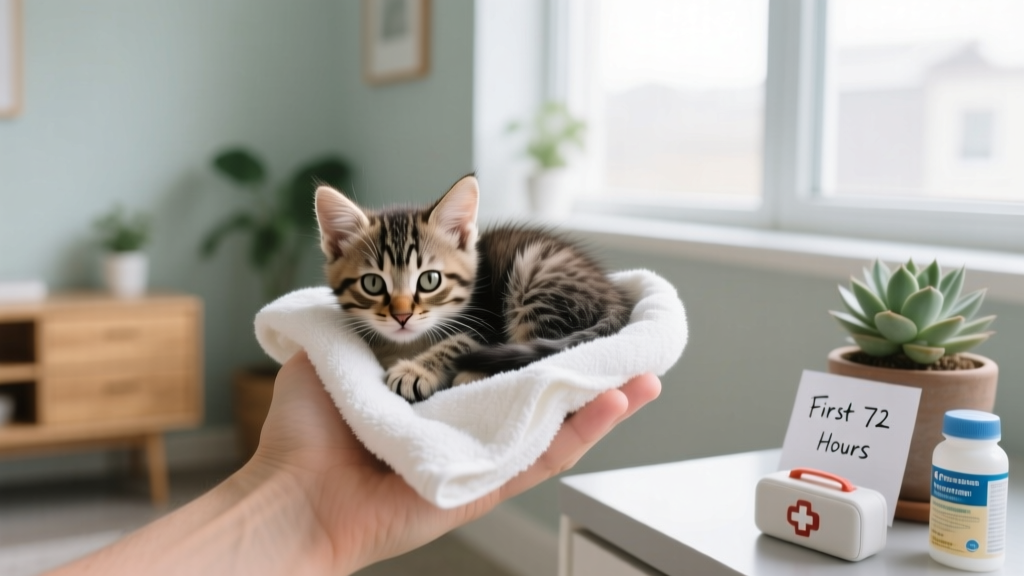
Your Kitten’s First 72 Hours Are the Most Critical—Here’s Exactly How to Take Care of Small Kitten
If you’ve just brought home—or found—a tiny, unsteady, wide-eyed kitten under 4 weeks old, you’re likely overwhelmed, anxious, and wondering how to take care of small kitten safely and effectively. This isn’t just about cuddles and cuteness—it’s about preventing hypothermia, starvation, urinary retention, and sepsis. In fact, neonatal kitten mortality exceeds 20% in unassisted home settings (Journal of Feline Medicine and Surgery, 2022), but drops to under 5% with structured, science-backed care. Whether you’re fostering, rescuing, or welcoming a fragile newborn, this guide delivers actionable, veterinarian-vetted protocols—not theory, not folklore.
1. Warmth & Environment: The Non-Negotiable Foundation
A small kitten cannot regulate its own body temperature until week 3–4. A rectal temperature below 94°F (34.4°C) means immediate danger: lethargy, weak suckling, and slowed digestion. Hypothermia is the #1 cause of early death—and it’s preventable.
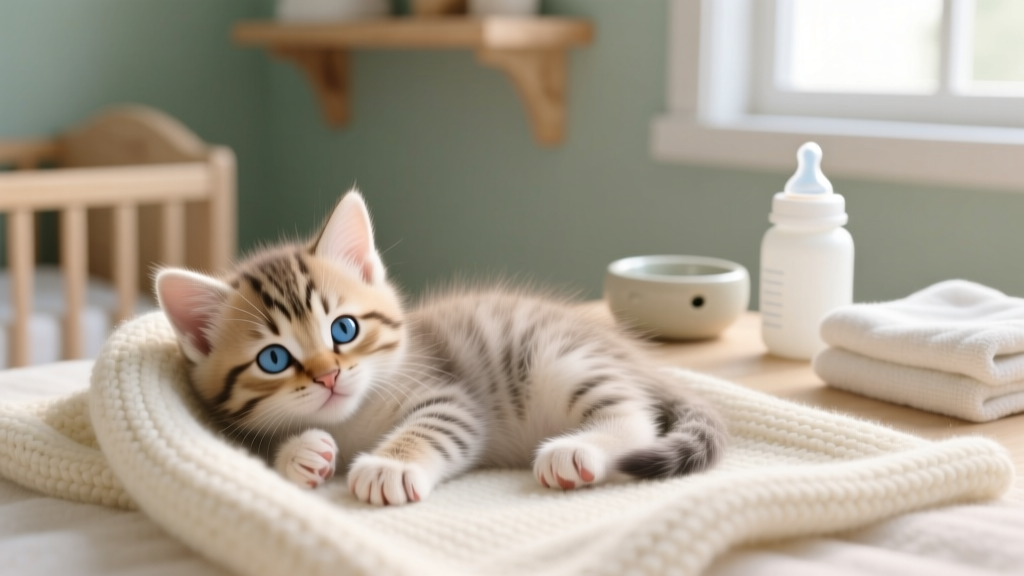
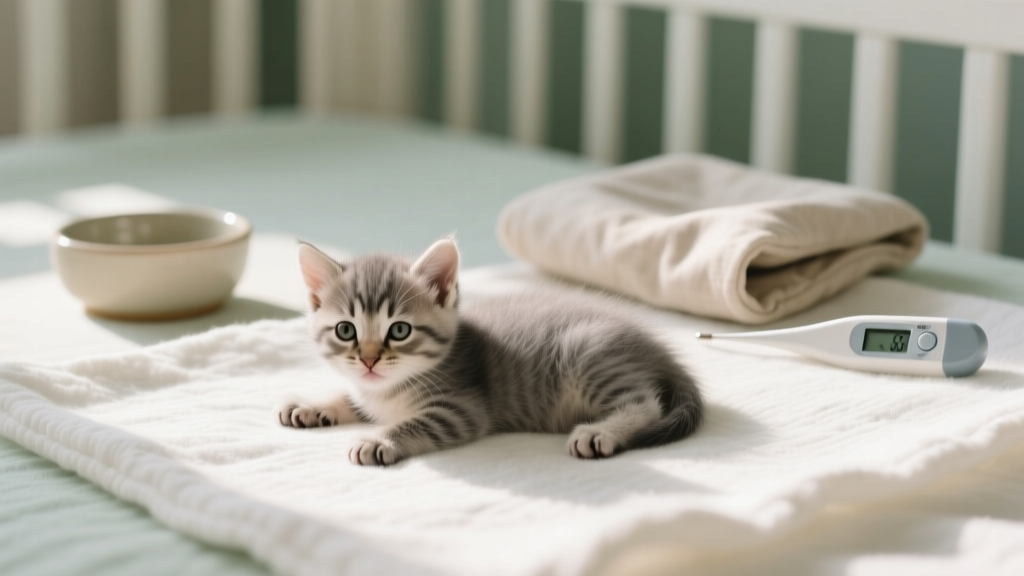
Start by creating a thermally stable micro-environment: Use a heating pad set to LOW (never high) placed under *half* of a small, ventilated box lined with soft, non-looped fleece. Cover the pad with a towel to prevent burns. Place a digital thermometer (not glass) and a hygrometer nearby—ideal ambient temp is 85–90°F (29–32°C) for newborns, dropping gradually to 75°F by week 4. Never use hot water bottles (risk of burns) or heat lamps (fire hazard + dehydration).
Dr. Lena Cho, DVM and neonatal feline specialist at UC Davis Veterinary Medical Teaching Hospital, emphasizes: "A kitten that feels cool to the touch—even slightly—needs warming *before* feeding. Cold kittens cannot digest milk. Force-feeding a hypothermic kitten risks aspiration pneumonia or gut stasis."
Pro tip: Weigh kittens daily using a gram-scale (kittens should gain 7–10g per day). A weight loss >10% in 24 hours signals critical failure—call your vet immediately.
2. Feeding & Nutrition: Precision Over Guesswork
Small kittens under 4 weeks require frequent, species-specific nutrition—no cow’s milk, no human baby formula, no homemade recipes. These cause severe diarrhea, malnutrition, and metabolic acidosis. Only use a commercial kitten milk replacer (KMR® or Just Born®) warmed to 98–100°F (body temp)—test on your inner wrist.
Feeding frequency depends on age:
• 0–1 week: Every 2–3 hours (8–12 feedings/day)
• 1–2 weeks: Every 3–4 hours (6–8 feedings/day)
• 2–3 weeks: Every 4–6 hours (4–6 feedings/day)
• 3–4 weeks: Begin introducing gruel (KMR mixed with high-quality wet kitten food, mashed smooth)
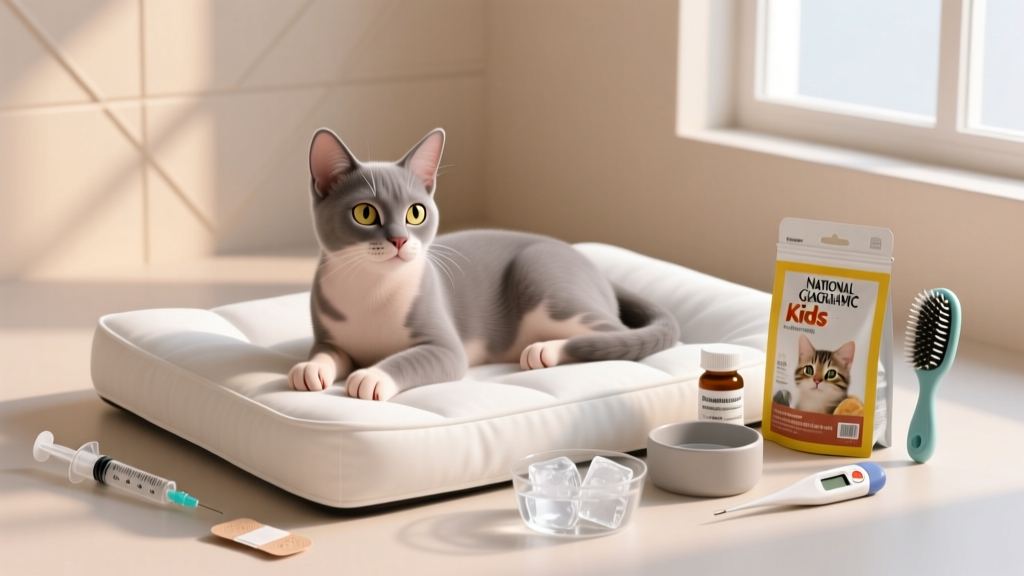
Use a 1–3mL syringe (without needle) or specialized kitten bottle—never droppers or spoons (choking risk). Hold kitten upright, belly-down on a towel, head slightly elevated—not on its back. Feed slowly: pause every 0.5mL to let them swallow. A full feeding takes 10–15 minutes. Overfeeding causes regurgitation and aspiration.
Red flag: If a kitten pushes the nipple away, gags, or has milk bubbling from nostrils—stop immediately and consult a vet. Aspiration pneumonia develops within hours.
3. Stimulation & Hygiene: The Hidden Lifesavers
Neonatal kittens cannot urinate or defecate without physical stimulation—this is non-negotiable and often overlooked. Failure leads to toxic buildup, bladder rupture, or constipation-induced ileus.
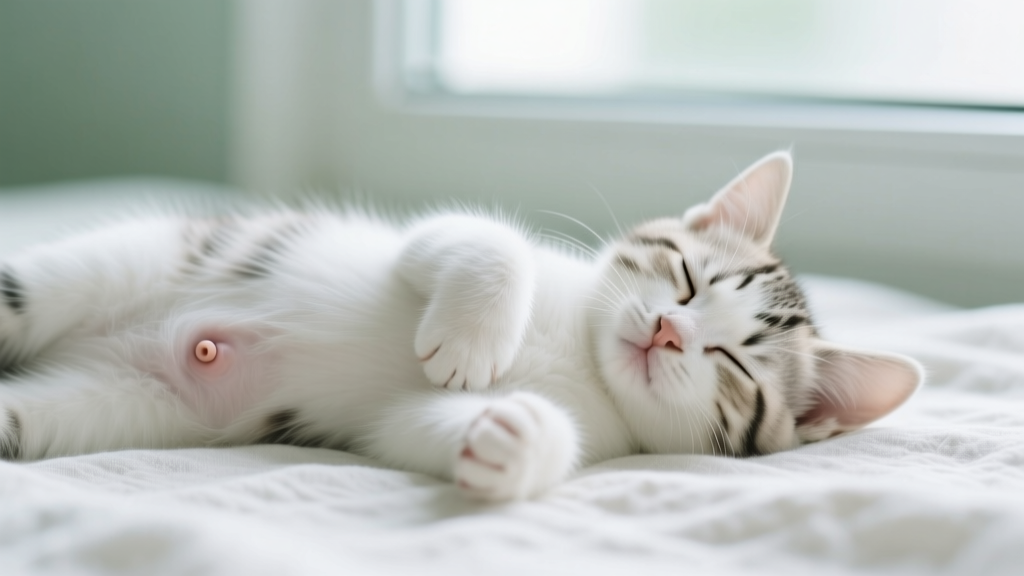
After *every* feeding, gently stimulate with a warm, damp cotton ball or soft tissue: stroke the genital and anal area in circular motions for 30–60 seconds until urine and/or stool appears. Urine should be pale yellow and clear; stool transitions from black meconium (day 1–2) to yellow-mustard (day 3+) and soft. If no output after 2 consecutive stimulations, contact your vet—this may indicate urinary obstruction or megacolon.
Hygiene extends beyond elimination: Wipe face and paws with warm, damp cloth after feeding to prevent milk scald and bacterial growth. Trim nails weekly with kitten clippers (avoid quick). Avoid bathing—kittens lose heat rapidly. Instead, use dry grooming mitts for gentle coat maintenance.
Case study: Luna, a 5-day-old orphaned kitten rescued from a storm drain, developed severe urinary retention after 12 hours without stimulation. Emergency catheterization saved her—but her foster now follows a strict post-feed log (time, volume fed, stimulation outcome, stool/urine notes) in a shared Google Sheet with her vet.
4. Health Monitoring & When to Rush to the Vet
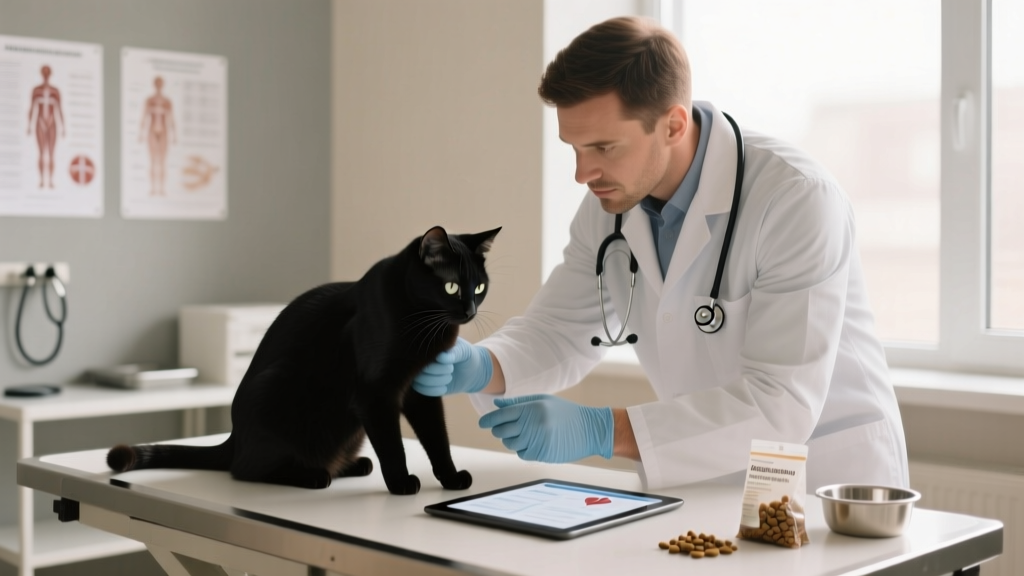
Small kittens deteriorate fast—within hours, not days. Know the 5 vital signs that demand *immediate* veterinary attention:
- Respiratory distress: Open-mouth breathing, wheezing, or >60 breaths/minute
- Neurological changes: Seizures, tremors, inability to right themselves when placed on side
- Sepsis indicators: Gray/pale gums, cold extremities, weak pulse, refusal to nurse
- Gastrointestinal crisis: Profuse green/yellow diarrhea, vomiting, or abdominal distension
- Dehydration: Skin tenting >2 seconds, sunken eyes, dry gums (lift lip—gums should be slick and pink)
Vaccinations start at 6–8 weeks—but before then, maternal antibodies wane, leaving kittens vulnerable. Keep them isolated from other pets, wash hands before/after handling, and disinfect surfaces with diluted bleach (1:32) or veterinary-grade cleaners like Accel®. Avoid essential oils, phenol-based cleaners, and air fresheners—they’re neurotoxic to kittens.
According to the American Association of Feline Practitioners (AAFP), 73% of neonatal kitten deaths occur due to delayed intervention for dehydration or infection—yet 92% are preventable with vigilant monitoring and timely rehydration therapy.
| Age Range | Key Developmental Milestones | Critical Care Actions | When to Call the Vet |
|---|---|---|---|
| 0–7 days | Eyes closed; ears folded; rooting reflex strong; weighs 80–120g | Maintain 85–90°F environment; feed every 2–3 hrs; stimulate after each feed; weigh daily | No stool/urine in 24 hrs; weight loss >10%; limp posture; no suckle reflex |
| 1–2 weeks | Eyes begin opening (days 7–10); ear canals open; starts crawling | Introduce gentle handling (2–5 min/day); monitor eye discharge (clear only); continue strict feeding schedule | Swollen, crusty, or pus-filled eyes; persistent crying; inability to crawl forward |
| 2–3 weeks | Eyes fully open; begins walking; teeth erupt (incisors); plays briefly | Start litter training with shallow pan + non-clumping paper pellets; introduce gruel; socialize 2x/day (gentle petting, voice) | Diarrhea lasting >12 hrs; blood in stool; limping or dragging legs; excessive sleeping (>20 hrs/day) |
| 3–4 weeks | Running, pouncing, grooming self; weaning begins; responds to name | Offer gruel 4x/day; provide safe play objects (no strings); introduce scratching post; monitor for parasites (fecal test recommended) | No interest in food/water for >8 hrs; coughing or sneezing >3x/day; sudden aggression or hiding |
Frequently Asked Questions
Can I give my small kitten cow’s milk?
No—absolutely not. Cow’s milk lacks the proper protein-to-fat ratio and contains lactose that kittens cannot digest past ~3 weeks. It causes osmotic diarrhea, dehydration, and electrolyte imbalances that can kill within 24 hours. Always use a commercial kitten milk replacer formulated for feline digestive physiology.
My kitten won’t eat—what do I do?
First, check temperature: if rectal temp is below 94°F, warm gently (using warm towels, NOT direct heat) for 15–20 minutes before attempting feeding. If temp is normal and kitten still refuses, try offering milk at different temperatures (some prefer cooler, others warmer) or switching brands (KMR vs. Just Born). If refusal persists >2 feedings, seek emergency vet care—refusal often indicates pain, infection, or congenital defect.
How do I know if my small kitten is dehydrated?
Perform two quick checks: (1) Gently pinch the skin over the shoulders—if it stays ‘tented’ for >2 seconds, dehydration is likely. (2) Lift the lip—gums should be moist and bubblegum-pink. Dry, tacky, or pale gums signal concern. Also watch for sunken eyes and lethargy. Mild dehydration can be addressed with oral electrolyte solution (Pedialyte unflavored, diluted 50/50 with KMR), but moderate/severe cases require subcutaneous fluids from a vet.
Do I need to deworm my small kitten?
Yes—almost all kittens have roundworms or hookworms acquired from mother’s milk or environment. The AAFP recommends first deworming at 2 weeks, then every 2 weeks until 8 weeks old using pyrantel pamoate (safe for neonates). Do NOT use over-the-counter dog dewormers—they contain ingredients toxic to cats. Always confirm dosage with your vet based on exact weight.
Is it okay to hold my small kitten a lot?
Gentle, brief handling (2–5 minutes, 2x/day) builds trust and supports neurological development—but excessive handling stresses their immature immune and thermoregulatory systems. Always wash hands before and after, avoid kissing or sharing food, and never let children handle unsupervised. Prioritize warmth and feeding over interaction in the first 10 days.
Common Myths About Caring for Small Kittens
Myth #1: “If the mother cat abandons them, they’re defective or sick.”
False. Mother cats may temporarily leave kittens to hunt, reduce stress, or due to perceived threats (e.g., human scent, loud noises). Many ‘abandoned’ kittens are perfectly healthy and simply need warmth and feeding. Observe from a distance for 4–6 hours before intervening.
Myth #2: “Kittens sleep through the night—so I can skip nighttime feedings.”
Dangerous misconception. Newborns lack fat reserves and must eat every 2–3 hours around the clock—including overnight—for the first 10–14 days. Skipping feeds leads to hypoglycemia, seizures, and death. Set alarms. Enlist help. This is non-negotiable.
Related Topics (Internal Link Suggestions)
- Kitten Vaccination Schedule — suggested anchor text: "when to vaccinate kittens"
- Signs of Sick Kitten — suggested anchor text: "kitten lethargy and vomiting"
- Homemade Kitten Milk Replacer (Safe Recipes) — suggested anchor text: "emergency kitten milk recipe"
- How to Socialize Orphaned Kittens — suggested anchor text: "kitten socialization timeline"
- Cost of Raising a Kitten First Year — suggested anchor text: "kitten care expenses breakdown"
Conclusion & Next Step
Taking care of a small kitten is equal parts science, vigilance, and compassion. You now hold evidence-based protocols used by shelter neonatal teams and veterinary specialists—not just internet tips. But knowledge alone isn’t enough: action is. Your next step? Download our free, printable Neonatal Kitten Care Log—complete with hourly feeding/stimulation trackers, weight charts, and red-flag symptom checklist. It’s vet-reviewed, mobile-friendly, and designed to cut through overwhelm. Because every minute counts—and your kitten’s first week shouldn’t be a guessing game.