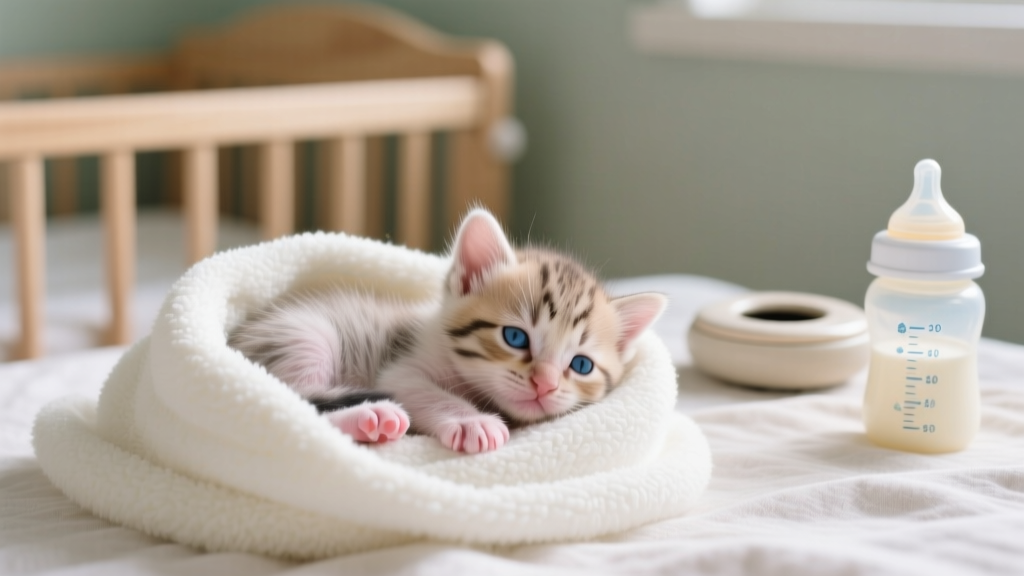
How to Care for Newborn Orphaned Kitten: The Critical First 72 Hours (What Vets Say You’re Doing Wrong — And How to Fix It Before It’s Too Late)
Why This Matters More Than You Think — Right Now
If you’ve just found or taken in a newborn orphaned kitten — one that’s unweaned, eyes closed, and unable to regulate its own body temperature — every hour counts. How to care for newborn orphaned kitten isn’t just about feeding; it’s about replicating the precise biological support a mother cat provides — from thermoregulation and waste elimination to immune protection and neurological development. Without intervention, over 60% of orphaned kittens under 1 week old die within the first 48 hours (Journal of Feline Medicine and Surgery, 2022). But here’s the good news: with evidence-based, timely care, survival rates jump to 85–92% — even for kittens as young as 12–24 hours old. This guide is built from protocols used in neonatal ICU foster programs and endorsed by the Winn Feline Foundation and board-certified veterinary behaviorists and internists.
Step One: Stabilize — Warmth Is Non-Negotiable
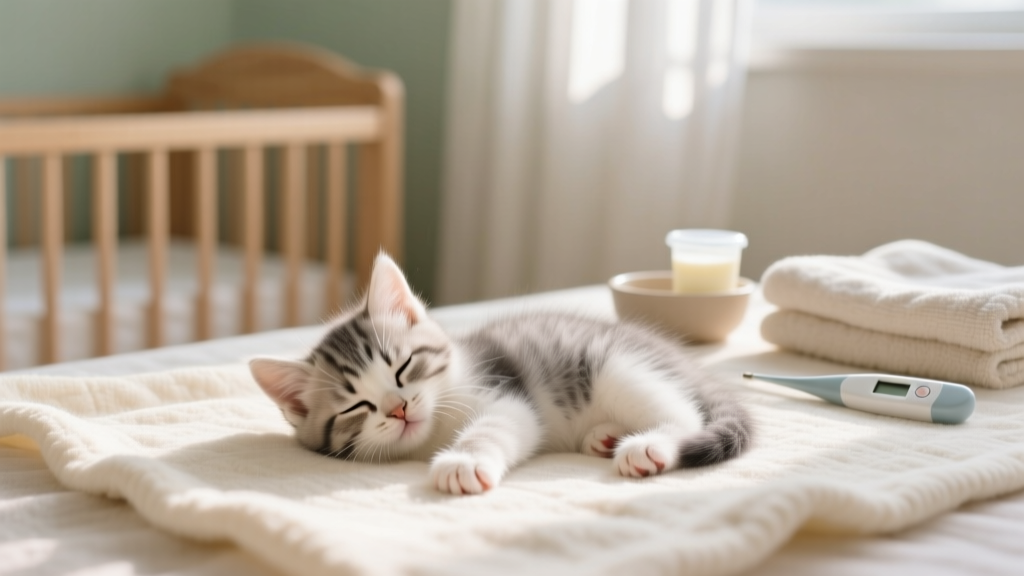
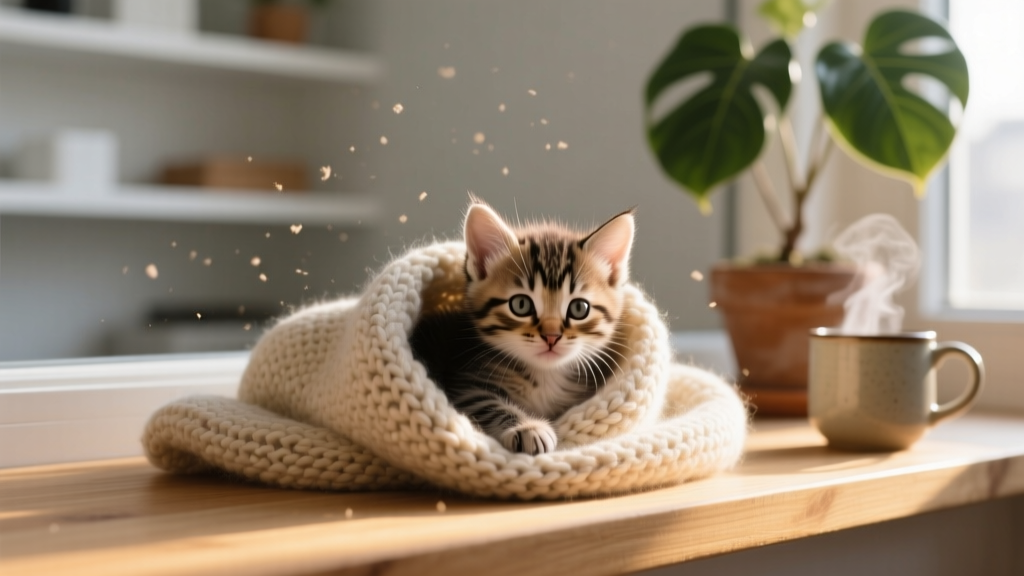
Newborn kittens cannot shiver or generate meaningful body heat. Their rectal temperature should be 95–99°F (35–37.2°C) in the first week — below 94°F signals hypothermia, which shuts down digestion, immunity, and suckling reflexes. Never feed a cold kitten: aspiration pneumonia and gut stasis are leading causes of early death.
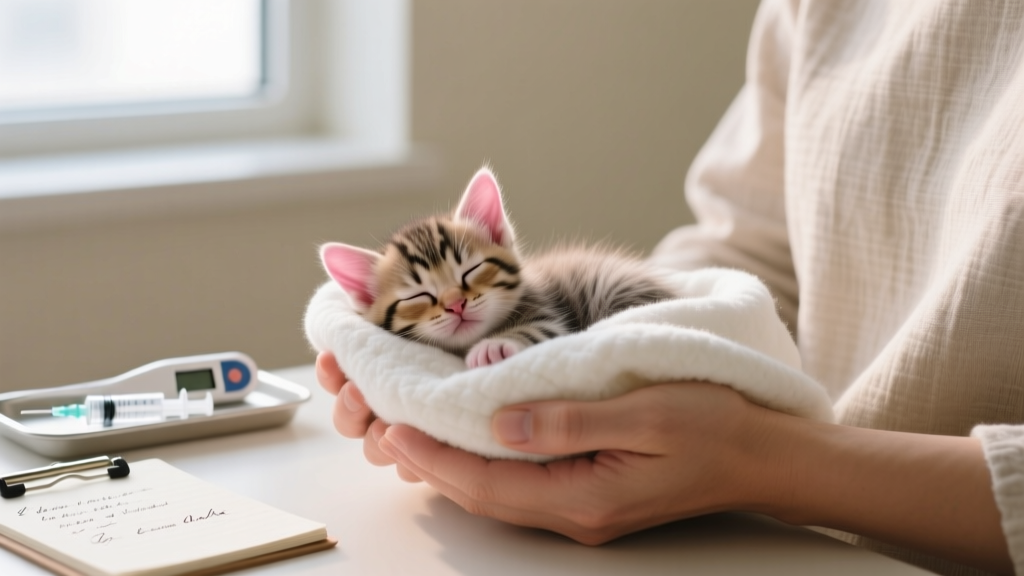
Use a safe, controllable heat source: a Snuggle Safe disc (microwavable, lasts 6–10 hrs), a low-wattage heating pad set on LOW *under half the bedding* (so the kitten can move away), or a warmed rice sock wrapped in fleece. Place a digital thermometer (not glass!) under the kitten’s tail for accurate rectal reading — check every 30 minutes for the first 2 hours, then hourly. If temp drops below 94°F, warm slowly — no hot water bottles or hair dryers. A 2°F/hour increase is safe; faster warming risks shock.
Dr. Sarah Wooten, DVM, CVJ, emphasizes: “Hypothermia isn’t just ‘being chilly’ — it’s metabolic arrest. I’ve seen kittens revived after 90 minutes of gentle warming at 0.5°F/minute, but only when feeding was withheld until core temp hit 96°F.”
Step Two: Feed — Not Just What, But How, When, and Why
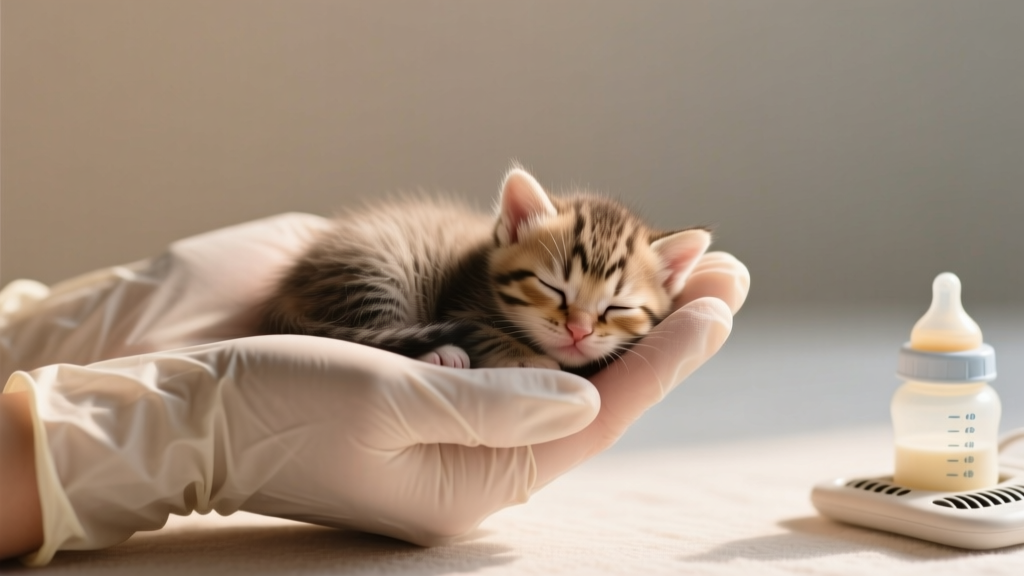
Kittens need colostrum-equivalent immunity and highly digestible calories — and cow’s milk will cause fatal diarrhea. Use a commercial kitten milk replacer (KMR or Just Born) *reconstituted with distilled or filtered water*, warmed to 98–100°F (test on your wrist — it should feel neutral, not warm). Never use goat’s milk, almond milk, or human baby formula.
Feeding frequency depends on age — not weight alone. Here’s what the data shows:
| Age Range | Feeding Frequency | Volume per Feeding (ml) | Key Developmental Notes |
|---|---|---|---|
| 0–24 hours | Every 2 hours (including overnight) | 1–2 ml | First feeding must occur within 6 hours of birth if possible; colostrum mimicry critical for IgG absorption |
| 1–3 days old | Every 2–3 hours | 2–4 ml | Eyes still sealed; umbilical cord typically detaches by Day 3 |
| 4–7 days old | Every 3–4 hours | 4–7 ml | Eyes begin to open (Day 7–10); start gentle handling to promote neural development |
| 8–14 days old | Every 4–5 hours | 7–10 ml | Ears unfold; righting reflex develops; begin daily weight tracking |
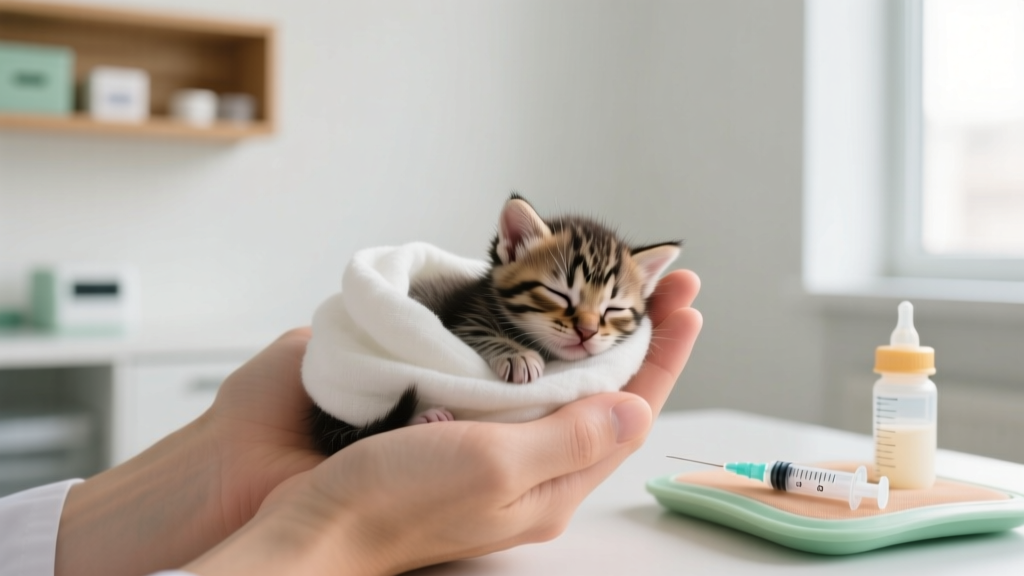
Always feed *kittens lying on their stomachs* — never on their backs. Hold the bottle at a 45-degree angle to prevent air intake. Watch for active suckling: jaw movement, swallowing sounds, relaxed paws. If the kitten pushes the nipple away, stops sucking, or has milk bubbling from nostrils, stop immediately — you’re risking aspiration. Burp gently after each feeding by holding upright and patting the back.
A 2023 study in Frontiers in Veterinary Science tracked 142 orphaned kittens and found those fed with slow-flow nipples (e.g., Miracle Nipple or Pritchard) had 41% fewer respiratory incidents than those using standard syringes or fast-flow bottles.
Step Three: Stimulate & Sanitize — The Hidden Lifesavers
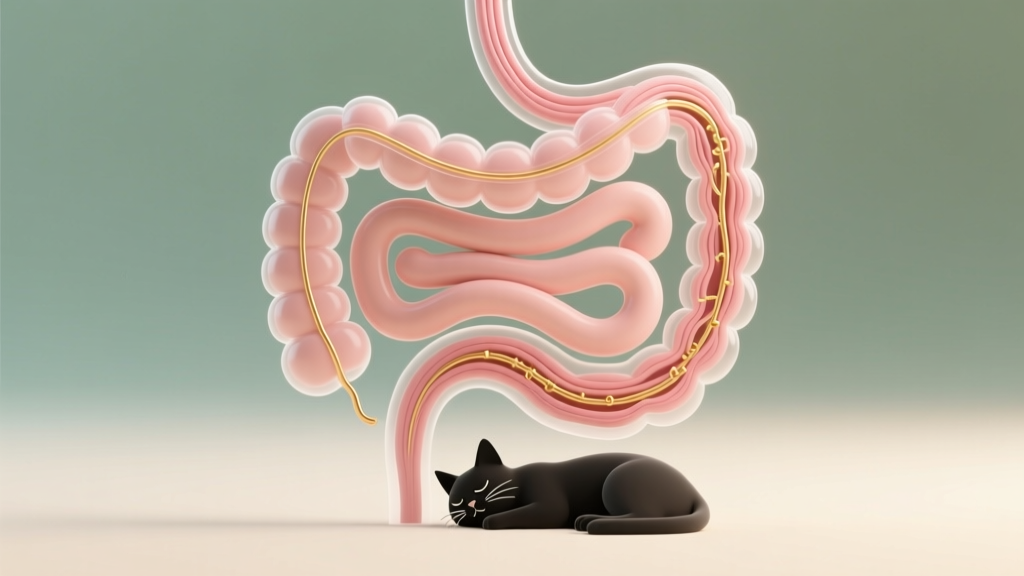
Mother cats stimulate urination and defecation by licking the genital and anal regions. Orphaned kittens cannot eliminate without this — and urine retention leads to UTIs, bladder rupture, and sepsis within 24–36 hours. Use a warm, damp cotton ball or soft tissue to gently stroke the genital area *before and after every feeding*. Stroke downward in one direction — never scrub or rub vigorously. You should see urine within 30 seconds; stool may take longer (often first appears Day 3–4).
Sanitation is equally vital. Wash hands with soap before and after handling. Disinfect feeding tools with boiling water or pet-safe enzymatic cleaner — not bleach (toxic residue risk). Change bedding *daily*, using unscented, low-lint fleece (no terry cloth — fibers trap urine and cause skin abrasions). Keep the nesting box in a draft-free, quiet space — stress elevates cortisol, suppressing immune function by up to 30% in neonates (American College of Veterinary Internal Medicine, 2021).
Watch for red-flag signs: dark/orange urine (dehydration or hemolysis), greenish stool (bacterial overgrowth), or no stool for >48 hours (impaction risk). In any case, contact a veterinarian *immediately* — don’t wait for an appointment.
Step Four: Monitor Growth & Spot Trouble Early
Weigh kittens daily — same time, same scale, naked (no bedding). Use a digital gram scale (accuracy ±0.5g). Healthy kittens gain 7–10g/day. Failure to gain — or loss — for two consecutive days means something is wrong: improper formula concentration, inadequate warmth, infection, or congenital defect.
Here’s what to log daily (a simple notebook works):
- Weight (grams)
- Temperature (°F)
- Number and consistency of stools
- Urine color and volume
- Feeding volume and tolerance (spitting up? lethargy after?)
- Activity level (do they root? push against your hand?)
Case study: Luna, a 36-hour-old orphaned kitten found abandoned in a cardboard box, weighed 82g on Day 0. Her foster recorded 8g gain on Day 1 — promising — but on Day 2, gain dropped to 2g and she developed mild tremors. Immediate vet consult revealed low blood glucose (hypoglycemia). She received dextrose gel and adjusted feeding schedule — and gained 11g on Day 3. That vigilance saved her life.
Also monitor neurodevelopment: by Day 5, kittens should lift their heads briefly when placed prone; by Day 7, they should show rooting reflex when cheek is stroked. Delayed milestones warrant veterinary neurologic assessment.
Frequently Asked Questions
Can I use human baby formula or cow’s milk for a newborn orphaned kitten?
No — absolutely not. Cow’s milk contains lactose and proteins (casein) kittens cannot digest, causing severe osmotic diarrhea, dehydration, and electrolyte imbalances. Human formulas lack the proper fat-to-protein ratio and taurine levels critical for retinal and cardiac development. A 2020 review in Veterinary Clinics of North America confirmed that non-formula feeding increases mortality risk by 300% in the first week. Stick to KMR or Just Born — and always follow reconstitution instructions precisely.
My kitten won’t suckle — what do I do?
First, confirm warmth: a cold kitten lacks energy to suckle. Warm to ≥96°F first. Next, try dipping the nipple tip in formula and letting them lick it — sometimes taste triggers instinct. Gently stroke their cheeks or massage jaws. If no response after 5 minutes, try tube feeding — only if trained. Improper tubing causes fatal lung injury. Contact a rescue or vet for live instruction — many offer free telehealth triage for neonates. Do not force-feed with a syringe into the mouth — choking and aspiration are common.
When do I start weaning? Can I give solid food early?
Weaning begins at 3–4 weeks — not before. Kittens’ digestive enzymes for solid food (especially amylase) aren’t fully expressed until ~21 days. Introducing gruel too early causes malabsorption, bacterial overgrowth, and failure to thrive. Start with KMR mixed 50/50 with high-quality wet kitten food, offered on a shallow spoon or tongue depressor. Let them lap — never pour. Gradually thicken over 7–10 days. By 6 weeks, most are fully weaned. Rushing this process is the #1 cause of chronic GI issues in rescued kittens.
Do orphaned kittens need vaccines or deworming this early?
Vaccines start at 6–8 weeks — maternal antibodies (even from formula) interfere before then. However, broad-spectrum deworming is recommended at 2 weeks, repeated every 2 weeks until 8 weeks, due to high prevalence of roundworms (Toxocara cati) in orphaned litters. Use pyrantel pamoate (safe at label dose), dosed by weight — never guess. Always confirm dosage with a vet. Note: fecal floats often miss early infestations; prophylactic deworming is standard of care per the American Association of Feline Practitioners (AAFP) 2023 guidelines.
How do I know if my kitten is bonding with me — and does it matter?
Bonding isn’t emotional — it’s physiological. Kittens who purr during feeding, knead your hand, or sleep belly-up are showing secure attachment, linked to lower cortisol and stronger immunity. But more importantly: consistent, calm handling (5–10 min, 2x/day starting Day 5) builds neural pathways for resilience and social confidence. A landmark 2019 Purdue study found that kittens handled 10 min/day from Day 5–14 were 3x more likely to pass shelter behavioral assessments at 12 weeks — proving early human interaction directly impacts adoptability and lifelong well-being.
Common Myths — Debunked
Myth 1: “Just wrap them in a towel and they’ll be fine.”
False. Towels retain moisture and cool rapidly — they provide zero radiant heat and can cause chilling. Hypothermia progresses silently: a kitten may appear calm and sleepy, but is actually in metabolic shutdown. Always use a controlled, measurable heat source and verify temperature.
Myth 2: “If they’re crying, they’re hungry — feed them more.”
Not necessarily. Crying can signal pain (e.g., gas, constipation), overheating, urinary blockage, or infection. Overfeeding causes regurgitation, aspiration, and bloat. Pause, assess temperature, check for stool/urine, and observe breathing rate (normal: 15–35 breaths/min). If crying persists >10 minutes post-feeding, seek vet help.
Related Topics (Internal Link Suggestions)
- Kitten dehydration symptoms — suggested anchor text: "signs of kitten dehydration"
- Best kitten milk replacer brands — suggested anchor text: "top-rated kitten milk replacers"
- When do kittens open their eyes? — suggested anchor text: "kitten eye opening timeline"
- How to tube feed a kitten safely — suggested anchor text: "kitten tube feeding tutorial"
- Neonatal kitten weight chart — suggested anchor text: "newborn kitten growth chart"
Your Next Step — Because Time Is Measured in Hours, Not Days
You now hold life-saving knowledge — but knowledge becomes impact only when applied. Grab a digital scale, a thermometer, and KMR today. Set phone alarms for feeds — even overnight. Track weight and eliminations in a notes app or printable log (we offer a free downloadable tracker at [link]). And most importantly: reach out. Contact your local cat rescue — many run 24/7 neonatal hotlines staffed by experienced fosters. The ASPCA’s Kitten Care Network offers free video consults with certified kitten caregivers. You don’t have to do this alone. Every kitten deserves a chance — and with your care, grounded in science and compassion, that chance becomes real. Start warming. Start tracking. Start saving lives — one tiny heartbeat at a time.