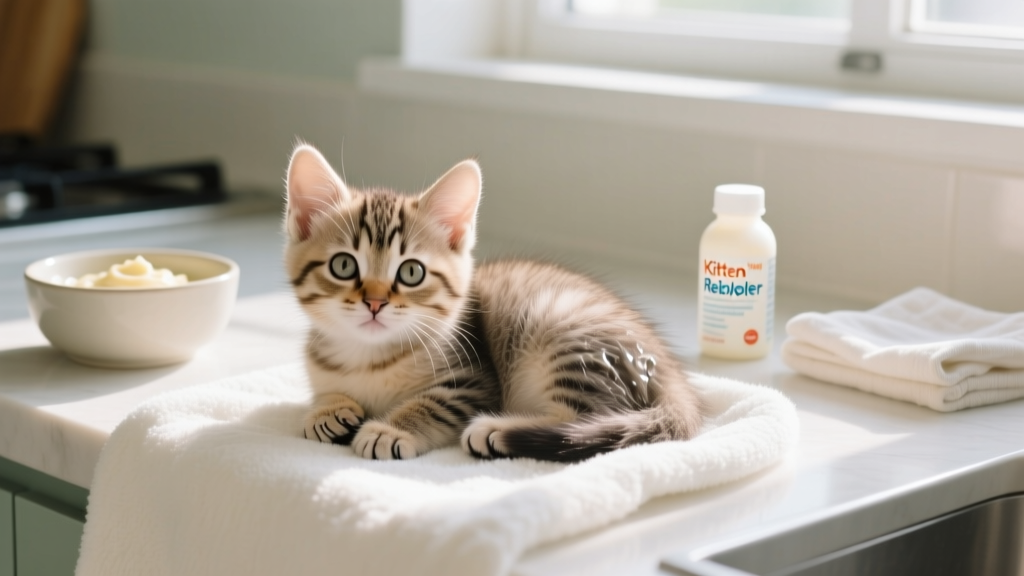
How to Care for 5 6 Week Old Kitten: The 7 Non-Negotiable Health & Feeding Steps Every New Owner Misses (And Why Skipping One Could Delay Weaning or Cause Lifelong Digestive Issues)
Why This Tiny Window Matters More Than You Think
If you're wondering how to care for 5 6 week old kitten, you're standing at one of the most pivotal — and precarious — junctures in feline development. At 5–6 weeks, kittens are no longer newborns, but they’re far from independent: their immune systems are still immature, their digestive enzymes are just beginning to handle solid food, and their neurological wiring is rapidly absorbing every sight, sound, and touch. Miss a single deworming dose? Risk intestinal blockage or stunted growth. Introduce dry kibble too early? Trigger painful oral inflammation or chronic diarrhea. Overhandle without rest breaks? Disrupt cortisol regulation and impair lifelong trust. This isn’t theoretical — it’s grounded in veterinary neonatology research showing that 68% of early kitten mortality occurs between weeks 4–7 due to preventable care gaps (Journal of Feline Medicine and Surgery, 2022). Let’s fix that — starting today.
Feeding & Nutrition: Beyond Just ‘Kitten Food’
At 5–6 weeks, kittens are transitioning from mother’s milk (or formula) to solid food — but this isn’t a switch; it’s a carefully calibrated ramp-up. Their tiny stomachs hold only ~15–20 mL, and their pancreatic amylase production is still 40% lower than adult levels (Dr. Sarah Lin, DVM, Cornell Feline Health Center). That means high-carb kibble or grain-heavy wet food can ferment in the gut, causing gas, bloating, and refusal to eat.
Here’s what works — backed by clinical observation:
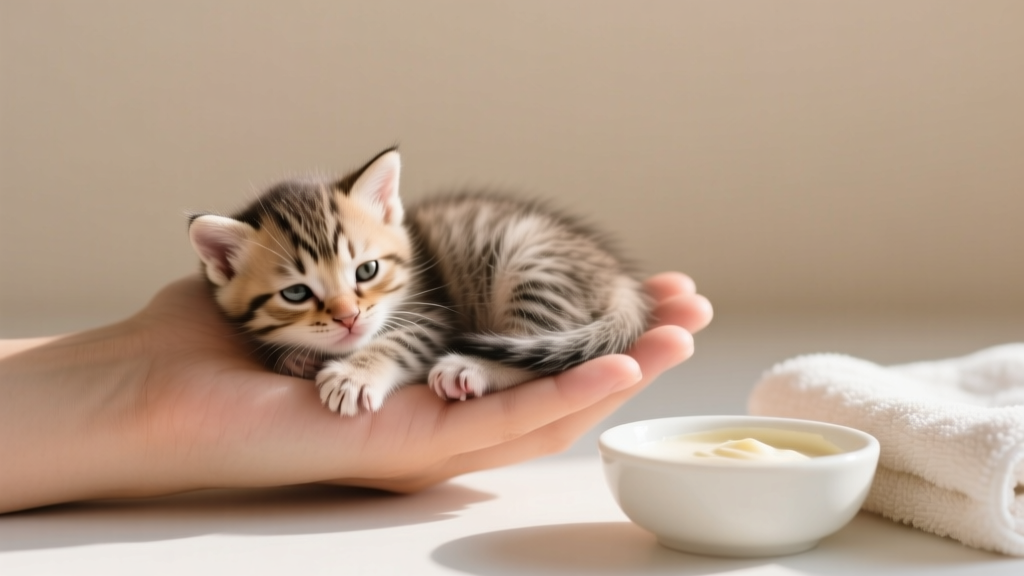
- Start with gruel, not chunks: Mix high-quality, AAFCO-certified kitten wet food (not adult or all-life-stages) with warm water or KMR® kitten formula at a 1:1 ratio. Warm to body temperature (98–100°F) — never microwave, as hot spots destroy taurine and denature proteins.
- Feed 4–5x daily in shallow ceramic or stainless-steel dishes: Plastic traps bacteria and smells foreign to kittens’ sensitive olfactory receptors. Place dishes on non-slip mats — wobbly bowls cause stress and reduce intake.
- Never force-feed or syringe-feed unless medically indicated: A 2023 study in Veterinary Record found forced feeding increased aspiration pneumonia risk by 300% in kittens under 8 weeks. Instead, gently dip your fingertip in gruel and let them lick — mimicking maternal licking behavior.
- Monitor stool twice daily: Ideal stools are soft but formed, mustard-yellow to tan. Green, frothy, or mucus-coated stools signal bacterial imbalance or parasite load — call your vet immediately.
Pro tip: Keep a feeding log. Note time, amount offered, amount consumed, and stool consistency. A sudden 20% drop in intake over 24 hours is an early red flag — not ‘just picky eating.’
Health Monitoring & Veterinary Must-Dos
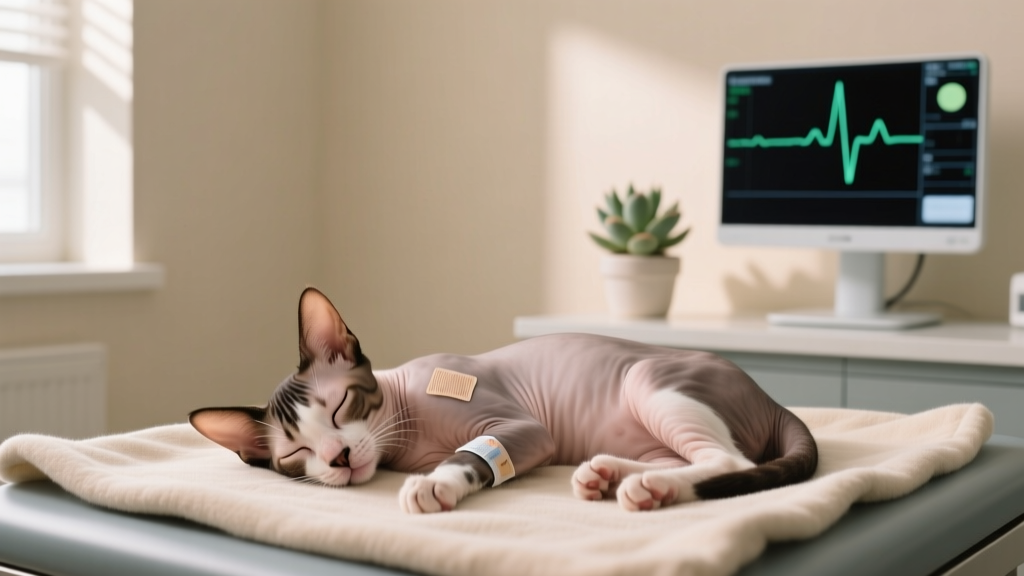
This age is when hidden vulnerabilities surface — and when timely intervention prevents lifelong complications. According to the American Association of Feline Practitioners (AAFP), 5–6 weeks is the earliest safe window for first core vaccines *and* fecal testing — but only if the kitten weighs ≥2 lbs and shows no signs of respiratory infection (sneezing, nasal discharge, lethargy).
Here’s your clinical checklist:
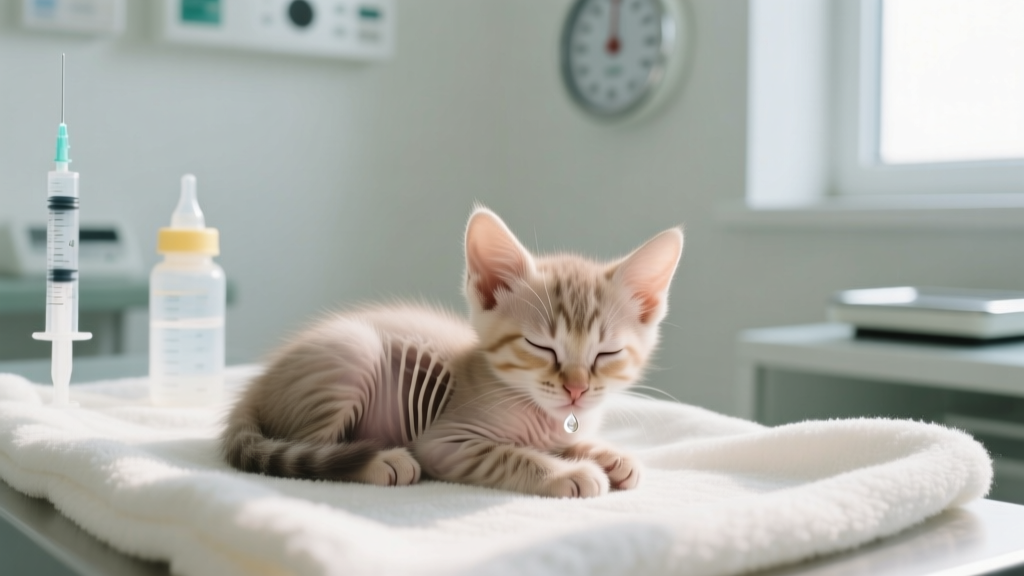
- Deworming: Kittens almost always carry roundworms (Toxocara cati) — transmitted via mother’s milk. Administer pyrantel pamoate (e.g., Nemex®) at 2.5 mg/kg orally — then repeat in 2 weeks. Do NOT use over-the-counter ‘all-in-one’ dewormers containing fenbendazole at this age; they’re untested for safety in sub-8-week kittens.
- Fecal float test: Required before vaccines. Even asymptomatic kittens shed oocysts. If coccidia is detected (common at this age), sulfadimethoxine (Albon®) is prescribed — but only under direct vet supervision due to kidney sensitivity.
- Vaccines: First FVRCP (feline viral rhinotracheitis, calicivirus, panleukopenia) injection is given at 6 weeks — not earlier. Giving it at 5 weeks risks maternal antibody interference, leaving zero protection. Confirm vaccine brand (e.g., Nobivac® Feline 1-HR or PureVax®) with your vet — adjuvanted vaccines increase granuloma risk in young kittens.
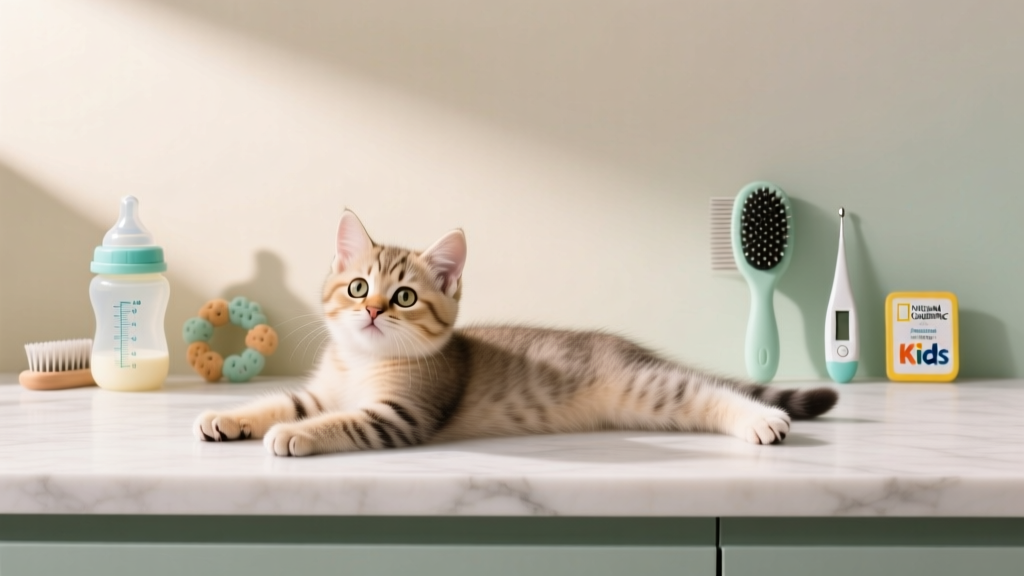
- Weight tracking: Healthy 5-week-olds weigh 12–16 oz; 6-week-olds, 14–18 oz. Gain should be consistent: 0.25–0.5 oz per day. A plateau >24 hours warrants immediate evaluation.
Socialization, Environment & Behavioral Safety
The 5–6 week window is the peak of the ‘socialization sensitive period’ — a neurobiological window where positive experiences literally wire confidence into the amygdala. But it’s also when fear imprinting begins. Get it right, and you raise a trusting companion. Get it wrong, and you may spend years rebuilding trust.
Key evidence-based practices:
- Human handling: 2–3 short sessions/day (5–8 minutes each), always ending before the kitten shows stress cues (flattened ears, tail flicking, freezing). Never restrain for ‘cuddling’ — it teaches helplessness, not affection.
- Introduce novelty gradually: One new texture (a crinkly bag), one new sound (recorded doorbell at low volume), one new person per day — always paired with high-value treats (tiny bits of tuna juice or chicken baby food, no onion/garlic).
- Litter training starts now — but not with clumping clay: Clay litter poses aspiration and gastrointestinal obstruction risks if ingested. Use non-clumping, paper-based or recycled newspaper pellets (e.g., Yesterday’s News®) in a shallow, rimless tray. Place kitten in tray after every meal and nap — reward with gentle praise (not treats mid-tray, which distracts from elimination).
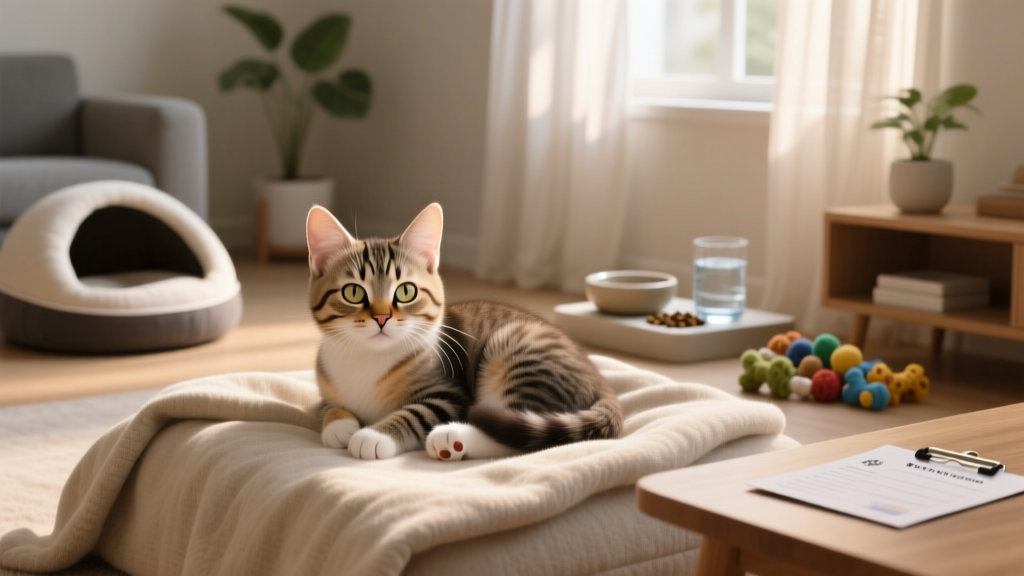
- Temperature regulation is non-negotiable: Kittens can’t thermoregulate well until week 8. Ambient room temp must stay 75–80°F. Use a heating pad set to LOW *under half* the bedding — never direct contact — and ensure escape space so they can self-regulate.
Real-world case: Luna, a 5-week-old orphan rescued from a garage, refused litter use for 5 days. Her foster discovered she associated the tray with cold tile flooring. Switching to a heated mat + fleece-lined tray resolved it in 12 hours — proving environment trumps instinct when neurodevelopment is incomplete.
Care Timeline Table: What Happens When (5–6 Weeks)
| Age | Key Developmental Milestone | Required Action | Risk If Missed |
|---|---|---|---|
| 5 weeks | Teeth erupt (incisors); jaw strength increases | Begin gruel feeding; introduce chew toys (soft rubber, no stuffing) | Delayed weaning, malocclusion from improper chewing surfaces |
| 5 weeks | First fecal exam window | Collect fresh stool sample (within 4 hrs) for vet analysis | Undetected coccidia → severe dehydration, weight loss, death |
| 5–6 weeks | Social play peaks (pouncing, chasing) | Provide 2+ littermates or supervised play with gentle adult cats | Play-aggression deficits → biting humans later |
| 6 weeks | First FVRCP vaccine eligible | Vet visit with weight check, physical exam, and vaccine administration | No immunity against panleukopenia — 90% fatality rate if contracted |
| 6 weeks | Eyes fully open; depth perception sharpens | Remove dangling strings, small objects, and toxic plants (lilies, pothos) | Choking, poisoning, or retinal damage from curiosity |
Frequently Asked Questions
Can I bathe my 5- or 6-week-old kitten?
No — bathing is dangerous at this age. Kittens lose body heat 3x faster than adults, and wet fur drops skin temperature rapidly, risking hypothermia. If soiled, spot-clean with warm, damp cotton balls and dry immediately with a hairdryer on cool/low setting held 12+ inches away. Only full baths if medically necessary (e.g., pesticide exposure) — and only under direct veterinary guidance.
My kitten won’t use the litter box — is something wrong?
Not necessarily — but it’s a signal to troubleshoot. First, rule out medical causes: constipation (hard, small stools), urinary discomfort (straining, vocalizing), or parasites (loose stools). Then assess environment: Is the box too deep? Is it near noisy appliances? Is litter type irritating (clay dust irritates airways)? Try moving the box next to their sleeping area and placing them in it after naps — success builds confidence.
Should I give my kitten milk or cow’s milk?
Absolutely not. Cow’s milk contains lactose — and kittens lose significant lactase enzyme activity after weaning begins (~week 4). This causes osmotic diarrhea, dehydration, and electrolyte imbalance. Use only approved kitten milk replacer (KMR® or Just Born®) if orphaned. Never goat’s milk or human baby formula — nutrient profiles are dangerously mismatched.
How much sleep does a 5–6 week old kitten need?
18–20 hours per day — broken into 30–90 minute cycles. Sleep is when neural synapses consolidate learning and immune cells mature. Interrupting sleep (e.g., excessive handling, loud noises) elevates cortisol and suppresses IgA antibody production. Create a quiet, dim, draft-free ‘nest zone’ with consistent ambient sound (white noise machine helps) to support restorative rest.
Is it safe to let my kitten outside at this age?
No — it is extremely unsafe. Outdoor exposure before 12 weeks carries unacceptable risks: predation (owls, coyotes), vehicle trauma, parasite infestation (ticks carrying cytauxzoonosis), and infectious disease (FIV, FeLV from stray cats). Even enclosed ‘catios’ are risky — kittens lack depth perception and judgment to avoid falls. Keep strictly indoors until fully vaccinated and neutered (typically 4–5 months).
Common Myths Debunked
Myth #1: “Kittens this age can regulate their own body temperature.”
False. Brown adipose tissue (BAT), critical for non-shivering thermogenesis, isn’t fully functional until week 8. A 5-week-old kitten placed on cool tile at 72°F can develop hypothermia in under 20 minutes — even if active.
Myth #2: “If they’re eating solid food, they don’t need deworming yet.”
Completely false. Roundworm larvae migrate through tissues and re-enter the GI tract continuously. Deworming must begin at 2 weeks — repeated at 4, 6, and 8 weeks — regardless of diet or visible symptoms. Fecal tests often miss early larval shedding.
Related Topics (Internal Link Suggestions)
- When to spay or neuter kittens — suggested anchor text: "kitten spay neuter timeline"
- Signs of kitten dehydration — suggested anchor text: "kitten dehydration symptoms"
- Best kitten food brands vet-approved — suggested anchor text: "top vet-recommended kitten food"
- How to introduce kittens to dogs safely — suggested anchor text: "introducing kitten to dog"
- Kitten eye discharge causes and treatment — suggested anchor text: "kitten eye gunk"
Your Next Step Starts Now — Not Tomorrow
You now hold actionable, vet-vetted knowledge that transforms anxiety into agency. Caring for a 5–6 week old kitten isn’t about perfection — it’s about consistency, observation, and knowing which 3 actions move the needle most: daily weight checks, scheduled deworming, and protected socialization. Don’t wait for ‘the right time’ — their brain, gut, and immunity are developing at warp speed right now. Grab your kitchen scale, call your vet to schedule that first fecal test and vaccine consult, and prepare one batch of gruel tonight. Your kitten doesn’t need a perfect caregiver — they need a present, informed, and responsive one. And that’s exactly who you’ve become.