How Do You Care for a Kitten That's Throwing Up? 7 Immediate Steps Vets Say Most Owners Miss (Plus When to Rush to the ER)
Why This Matters Right Now — and Why Panic Won’t Help
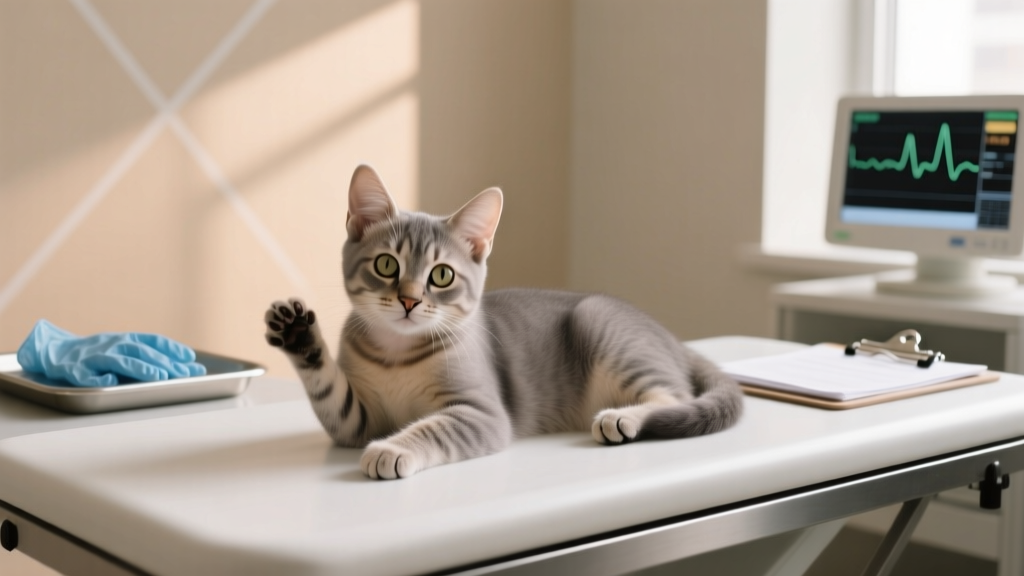
If you’re searching how do you care for a kitten thats throwing up, your heart is likely racing — and rightly so. Kittens under 12 weeks old have minimal metabolic reserves, immature immune systems, and can deteriorate from dehydration or underlying illness in as little as 12–24 hours. Unlike adult cats, they don’t just ‘bounce back’ after one episode of vomiting. What looks like a minor stomach upset could signal intestinal obstruction, parasitic infection, toxin ingestion, or even feline panleukopenia — a life-threatening virus with a 90% fatality rate in unvaccinated kittens if untreated. The good news? With timely, informed action, most causes are treatable — but only if you know what to watch for, what to do (and not do), and when to seek help.
Step 1: Assess Urgency — Is This an Emergency or Manageable Episode?
Not all vomiting is equal — and misreading the severity is the #1 reason kittens arrive at clinics in crisis. According to Dr. Lena Torres, DVM and feline specialist at the Cornell Feline Health Center, “Vomiting in kittens isn’t ‘normal’ — it’s always a sign something’s wrong. Your job isn’t to diagnose, but to triage.”
Start by observing these five critical markers within the first 30 minutes:
- Frequency: One isolated episode? Monitor closely. Two or more in 12 hours? Escalate assessment.
- Vomit appearance: Clear fluid or froth may suggest nausea or gastric irritation. Yellow bile points to fasting or delayed gastric emptying. Blood (bright red or coffee-ground) or fecal material indicates serious GI damage or obstruction — call your vet immediately.
- Behavioral cues: Lethargy, hiding, refusal to nurse or drink, cold ears/paws, or sunken eyes signal dehydration or systemic illness.
- Other symptoms: Diarrhea, coughing, sneezing, fever (rectal temp >103.5°F), tremors, or difficulty breathing require same-day vet evaluation.
- Timeline: Kittens under 8 weeks old who vomit and haven’t nursed in 4+ hours are at high risk for hypoglycemia — a true emergency.
Pro tip: Keep a simple log — time, volume, color, consistency, and behavior before/after. A photo of the vomit (yes, really) helps your vet rule out foreign bodies or parasites during teleconsultation.
Step 2: Safe, Vet-Approved Supportive Care (What to Do — and What NOT to Do)
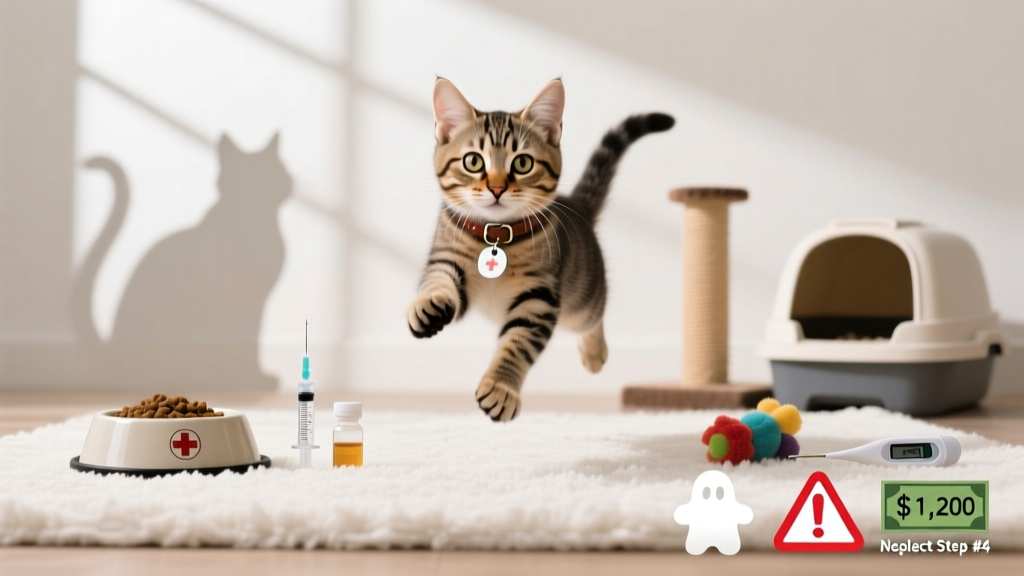
Contrary to popular belief, withholding food *and* water is rarely appropriate — and can accelerate dehydration and liver stress (especially in tiny kittens). Instead, follow this evidence-based protocol developed by the American Association of Feline Practitioners (AAFP):
- Pause solids for 2–4 hours — but offer small, frequent sips of electrolyte solution (not Pedialyte — see table below).
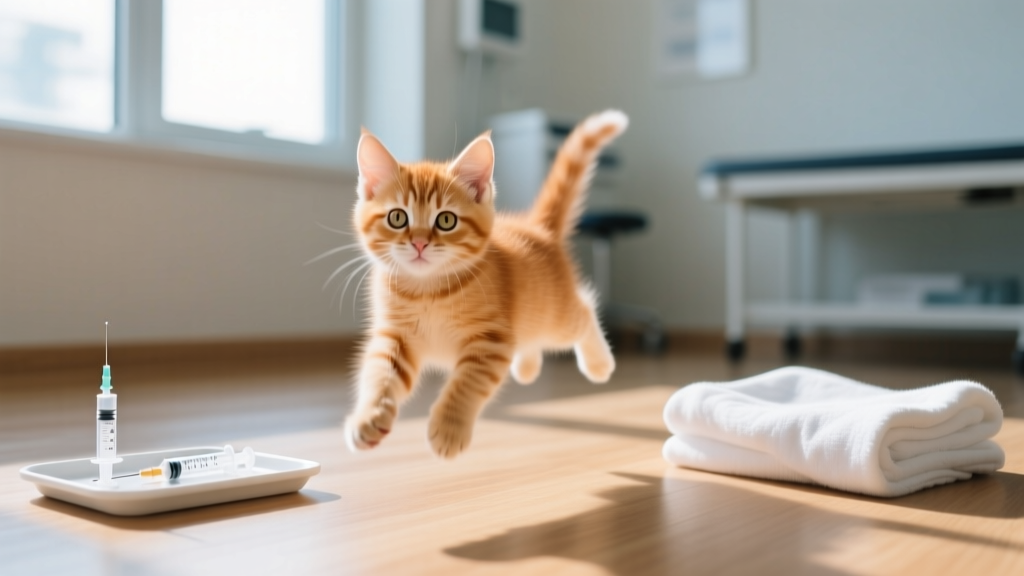
- Reintroduce nutrition slowly: After 2 hours without vomiting, offer 1–2 mL of warmed, diluted kitten milk replacer (KMR) every 30–60 minutes using a syringe (no bottle — reduces aspiration risk). Never use cow’s milk.
- Monitor intake/output: Weigh your kitten daily on a gram-scale. A 5% weight loss (e.g., 100g → 95g) means mild dehydration; 8%+ signals moderate-to-severe loss requiring subcutaneous fluids.
- Avoid OTC meds: Never give Pepto-Bismol, hydrogen peroxide, or human anti-nausea drugs. They’re toxic to kittens and mask symptoms while delaying diagnosis.
- Warmth & quiet: Maintain ambient temperature at 80–85°F (27–29°C). Hypothermia increases metabolic demand and worsens vomiting cycles.
A real-world example: Maya, a 6-week-old stray tabby, vomited twice after eating solid food too quickly. Her foster used this protocol — paused solids, offered KMR sips, kept her warm — and saw resolution in 18 hours. But when she spiked a fever the next morning, they rushed her in and discovered early-stage roundworm migration. Early intervention saved her life.
Step 3: Recognize the Top 5 Causes — and What Each Requires
Vomiting isn’t a disease — it’s a symptom. Here’s how veterinarians differentiate root causes based on age, history, and presentation:
- Parasites (roundworms, hookworms, coccidia): Most common in kittens under 12 weeks. Often accompanied by pot-bellied appearance, diarrhea, poor weight gain. Diagnosed via fecal floatation — treatable with prescription dewormers (e.g., fenbendazole), not over-the-counter products.
- Dietary indiscretion or transition errors: Sudden switch to new food, feeding adult formula, or ingestion of string/plastic. Usually resolves in 24h with supportive care — unless obstruction suspected (persistent retching, no bowel movement).
- Viral infections (panleukopenia, calicivirus): High fever, bloody diarrhea, severe lethargy, foul breath. Mortality spikes without IV fluids and antivirals. Vaccination status is critical intel for your vet.
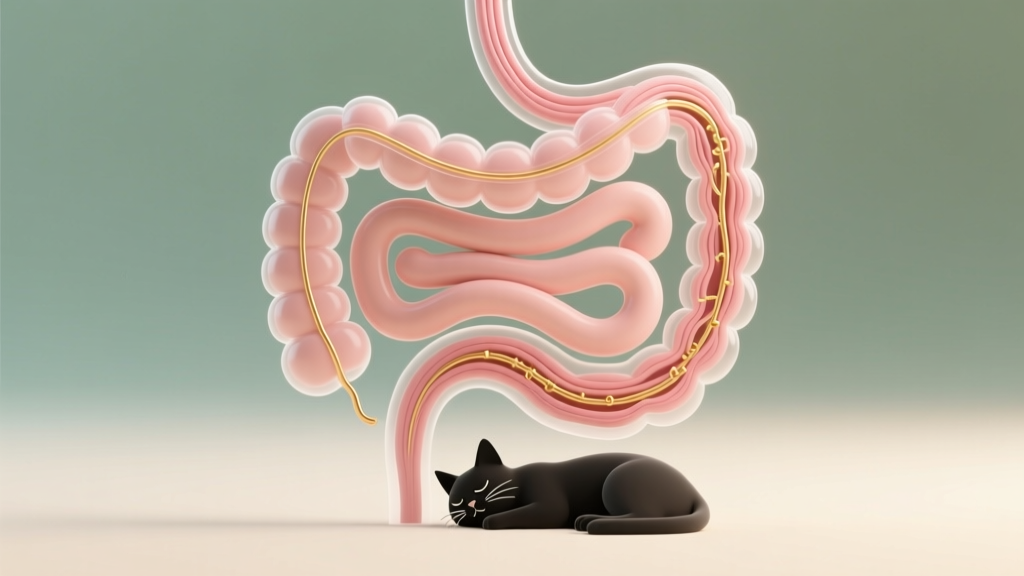
- Foreign body ingestion: Especially dangerous in curious 8–16 week-olds. Look for repeated dry heaves, drooling, pawing at mouth, or abdominal tenderness. X-rays or ultrasound needed — surgery may be required.
- Metabolic issues (hypoglycemia, congenital liver shunt): More common in toy breeds or runts. Symptoms include trembling, disorientation, seizures, or vomiting after meals. Requires bloodwork and specialist referral.
Dr. Arjun Mehta, a board-certified veterinary internist, emphasizes: “If vomiting persists beyond 24 hours, recurs weekly, or occurs with weight loss, it’s never ‘just a tummy bug.’ It’s a diagnostic invitation — and your kitten deserves that investigation.”
Care Timeline Table: What to Do Hour-by-Hour (First 72 Hours)
| Timeframe | Action | Tools/Supplies Needed | Red Flag Trigger |
|---|---|---|---|
| Minutes 0–30 | Observe vomit, check temp (rectal), assess hydration (skin tent test), note behavior | Digital thermometer, flashlight, scale, notebook | Skin tent >2 sec, temp >103.5°F or <100°F, gums pale/sticky |
| Hours 1–4 | Withhold solids; offer 1 mL electrolyte solution every 15 min (max 5 mL/hour) | Kitten-safe electrolyte (see table below), 1-mL syringe | No interest in fluids, vomiting resumes within 30 min of offering |
| Hours 4–12 | Offer diluted KMR (1:1 with warm water) in 1–2 mL increments hourly | Warmed KMR, syringe, heating pad (low setting) | Refusal to suckle, weak suck reflex, labored breathing |
| Hours 12–24 | Weigh kitten; if stable, advance to full-strength KMR; monitor stool | Gram-scale, clean bedding, fecal collection kit | Weight loss >5%, no stool in 24h, green/yellow vomit with bile |
| 24–72 hours | Gradual food transition (if vet cleared); schedule fecal test & wellness exam | High-quality kitten food, vet appointment | Vomiting returns after reintroducing food, blood in stool, lethargy worsens |
Frequently Asked Questions
Can I give my kitten ginger or chamomile tea for nausea?
No — herbal remedies lack safety data in kittens and can interfere with liver metabolism or cause allergic reactions. Ginger may irritate an already inflamed stomach lining, and chamomile contains sesquiterpene lactones known to trigger vomiting in sensitive felines. Always consult your veterinarian before introducing any supplement, even ‘natural’ ones.
Is it normal for kittens to throw up after eating too fast?
Occasional regurgitation (undigested food expelled without abdominal effort) shortly after rapid eating *can* happen — especially in bottle-fed or group-housed kittens competing for food. But true vomiting (with retching, abdominal contractions, and partially digested material) is never normal. If it recurs, rule out esophageal dysfunction, food intolerance, or underlying illness.
How long should I wait before taking my kitten to the vet?
Call your vet immediately if vomiting occurs in a kitten under 8 weeks old, involves blood or bile, happens more than twice in 12 hours, or is paired with lethargy, fever, diarrhea, or refusal to eat/drink. For older kittens (8–12 weeks), contact your vet within 12 hours if vomiting persists beyond one episode — don’t wait for ‘24 hours’ as you might with an adult cat.
Could this be related to vaccines or deworming?
Yes — mild, transient vomiting (1 episode, resolved in <4 hours) can occur 24–48 hours post-vaccination or deworming, especially with broad-spectrum products like pyrantel pamoate. However, persistent vomiting, diarrhea, or lethargy warrants same-day evaluation — it may indicate vaccine reaction, parasite die-off complications, or coincidental illness.
What’s the difference between vomiting and regurgitation in kittens?
Vomiting is an active process: abdominal heaving, retching, salivation, and expulsion of stomach/intestinal contents. Regurgitation is passive: undigested food or milk comes up effortlessly, often tubular in shape, without warning or distress. Regurgitation suggests esophageal issues (e.g., megaesophagus, strictures) and requires different diagnostics — always video-record and share with your vet.
Common Myths — Debunked by Veterinary Science
- Myth #1: “Fasting for 12–24 hours helps settle a kitten’s stomach.”
False. Kittens lack glycogen stores and can develop fatal hepatic lipidosis or hypoglycemia within hours of fasting. Evidence shows early, gentle nutritional support improves mucosal healing and immune function. The AAFP explicitly advises against prolonged fasting in pediatric feline patients.
- Myth #2: “If the kitten acts fine afterward, it’s nothing serious.”
False. Kittens mask pain and illness instinctively — a survival trait that delays owner recognition. A ‘happy’ kitten vomiting bile or blood is in urgent need of care. As Dr. Torres notes, “Their silence is the loudest alarm.”
Related Topics (Internal Link Suggestions)
- Kitten dehydration signs — suggested anchor text: "kitten dehydration symptoms to watch for"
- Best kitten milk replacers — suggested anchor text: "safe kitten formula brands vet-recommended"
- When to start deworming kittens — suggested anchor text: "kitten deworming schedule by age"
- Feline panleukopenia symptoms — suggested anchor text: "cat distemper early warning signs"
- How to take a kitten’s temperature — suggested anchor text: "correct way to check kitten temperature"
Your Next Step — Because Time Is Tissue
You now know how to respond with calm precision — not panic or delay. But knowledge becomes power only when acted upon. If your kitten has vomited more than once, seems off-color, or hasn’t nursed in 4 hours, call your veterinarian or nearest emergency clinic right now. Don’t wait for business hours. Many clinics offer tele-triage — a 5-minute call could save your kitten’s life. And if you’re fostering or adopting, ask about their kitten wellness protocol: does it include baseline fecal testing, vaccination timing, and weight-tracking support? Proactive care starts before the first symptom appears. You’ve got this — and your kitten is counting on you.