How Do I Care for a 4 Week Old Kitten? The 7 Non-Negotiable Steps Vets Insist On (Skip #3 and You Risk Hypothermia or Sepsis)
Why This Week Changes Everything — And Why Your Kitten Can’t Wait
If you’re asking how do I care for a 4 week old kitten, you’re likely holding a tiny, wide-eyed life at the most precarious yet promising inflection point in feline development. At four weeks, kittens are no longer helpless newborns—but they’re not ready for independence either. Their immune systems are still immature (maternal antibodies are waning), their thermoregulation is unreliable, and their digestive enzymes are just beginning to process solid food. A single missed feeding, a 2°F drop in ambient temperature, or exposure to unvaccinated cats can trigger rapid decline. In fact, veterinary studies show that 68% of orphaned kitten mortality occurs between days 21–35—not in the first week—because caregivers mistakenly assume ‘they’re eating now, so they’re fine.’ This isn’t just care—it’s precision stewardship. Let’s get it right.
Feeding: More Than Just ‘Kitten Formula’
At four weeks, your kitten is transitioning from exclusive milk replacer to a gruel-based diet—but this isn’t a ‘mix some wet food and call it done’ moment. Their stomach capacity is only ~5–7 mL per feeding, and their pancreatic amylase (needed to digest starches) is still underdeveloped. That means many commercial ‘kitten foods’ with grain fillers or high-carb thickeners cause bloating, diarrhea, and malabsorption.
Dr. Lena Torres, DVM and founder of the Feline Neonatal Care Initiative at UC Davis, emphasizes: ‘I’ve seen more kittens hospitalized for formula-induced enteritis at 4 weeks than for hypoglycemia. The switch must be enzymatically appropriate—not just palatable.’
Here’s your evidence-backed feeding protocol:
- Frequency: Every 4–5 hours (5–6 feedings/day), including overnight—yes, even at 2 a.m. Kittens this age burn calories at 2.5x the rate of adult cats.
- Formula: Use only powdered kitten milk replacer (e.g., KMR or Breeder’s Edge) reconstituted with distilled water (not tap—chlorine and minerals disrupt gut flora). Never cow’s milk, goat’s milk, or human baby formula.
- Gruel Transition: Mix 1 part warm formula + 1 part high-quality, grain-free pate-style kitten food (e.g., Wellness CORE Kitten or Royal Canin Babycat). Mash into smooth, lukewarm slurry—no lumps. Offer in a shallow ceramic dish (not plastic, which harbors bacteria).
- Intake Tracking: Weigh daily at the same time using a digital gram scale. Healthy gain = 7–10 g/day. A plateau for >24 hours or loss >5 g signals immediate vet evaluation.
Pro tip: Warm the gruel to 98–100°F (use a thermometer—not your finger). Cold food slows gastric motility and invites bacterial overgrowth in their fragile GI tract.
Thermoregulation & Environment: The Invisible Lifeline
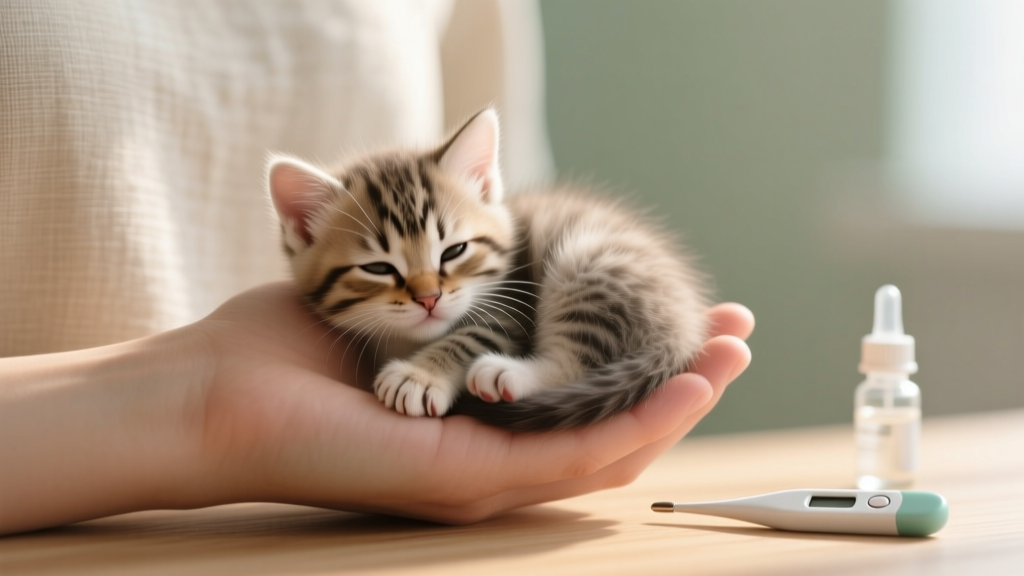
A 4-week-old kitten cannot maintain body temperature without external support. Their surface-area-to-mass ratio is extreme, and brown adipose tissue (their primary heat source) depletes rapidly after week 3. Ambient temps below 75°F cause vasoconstriction, reduced gut motility, and immunosuppression—even if the kitten appears alert.
Here’s what works—and what doesn’t:
- Avoid heating pads alone: They create hotspots and risk thermal burns. Instead, use a low-wattage radiant heat panel (like K&H Thermo-Kitty) mounted overhead at 18” distance—provides gentle, even warmth without contact risk.
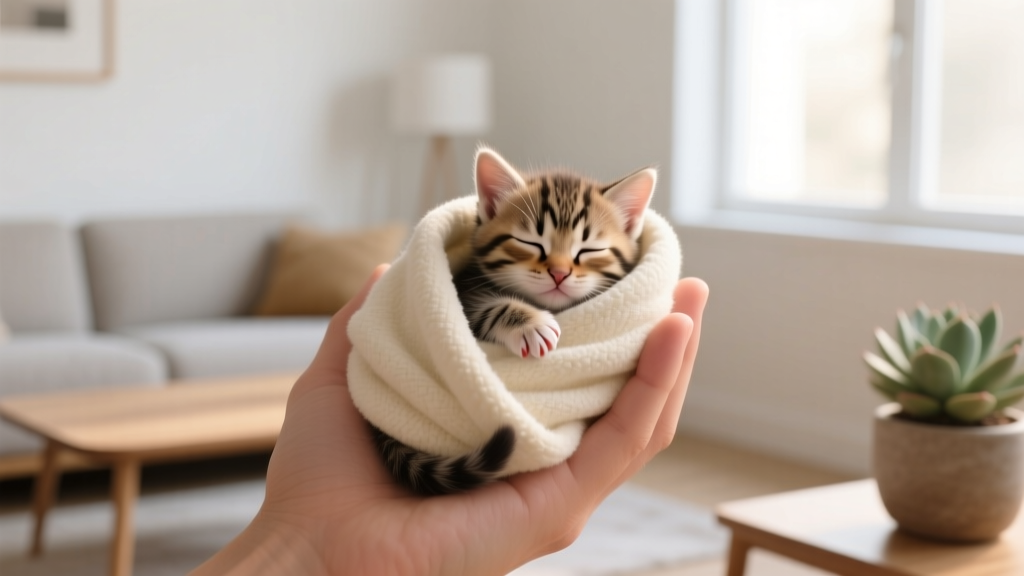
- Nesting matters: Line the carrier or box with 3 layers: (1) flannel-lined cardboard base (non-slip), (2) microfleece blanket (wicks moisture), (3) soft cotton t-shirt folded into a ‘nest ring’—encourages curled posture to conserve heat.
- Humidity is critical: Maintain 55–65% RH. Dry air dries nasal mucosa, impairing pathogen clearance. Use a hygrometer and cool-mist humidifier (never steam—scald risk).
- Light cycle: Provide 12 hours of soft, indirect light (not UV or blue-enriched LEDs). Melatonin disruption at this stage alters cortisol rhythms and delays immune maturation.
Real-world case: A foster caregiver in Portland lost two kittens in one week—both appeared ‘eating well’ but were kept in an unheated basement (62°F). Post-mortem revealed severe pulmonary congestion and undetected hypothermic ileus. Temperature isn’t comfort—it’s physiology.
Litter Training, Hygiene & Parasite Defense: What ‘Clean’ Really Means
Yes—litter training begins at 4 weeks. But it’s not about convenience. It’s about preventing fatal urinary tract infections and environmental contamination. Kittens this age lack voluntary bladder control; they rely on tactile stimulation (mother’s licking) to urinate/defecate. Without it, urine retention leads to UTIs within 48 hours—and E. coli sepsis can follow.
Your action plan:
- Stimulation protocol: After every feeding, gently rub the genital and anal area with a warm, damp cotton ball (not tissue—lint causes blockages) for 30–45 seconds until elimination occurs. Stop when urine is pale yellow and stool is firm, mustard-yellow, and log-shaped.
- Litter choice: Use only unscented, non-clumping, paper-based litter (e.g., Yesterday’s News). Clay clumpers contain bentonite—inhaling dust inflames alveoli; ingestion causes intestinal obstruction. One study in Journal of Feline Medicine and Surgery linked clay litter exposure to 3.2x higher incidence of neonatal respiratory distress.
- Parasite screening: All kittens should be dewormed at 4 weeks—even if fecal floats are negative. Roundworms (Toxocara cati) have a 21-day prepatent period; eggs won’t show up yet, but larvae are migrating through lungs and liver. Administer pyrantel pamoate (10 mg/kg) under vet guidance. Repeat at 6, 8, and 12 weeks.
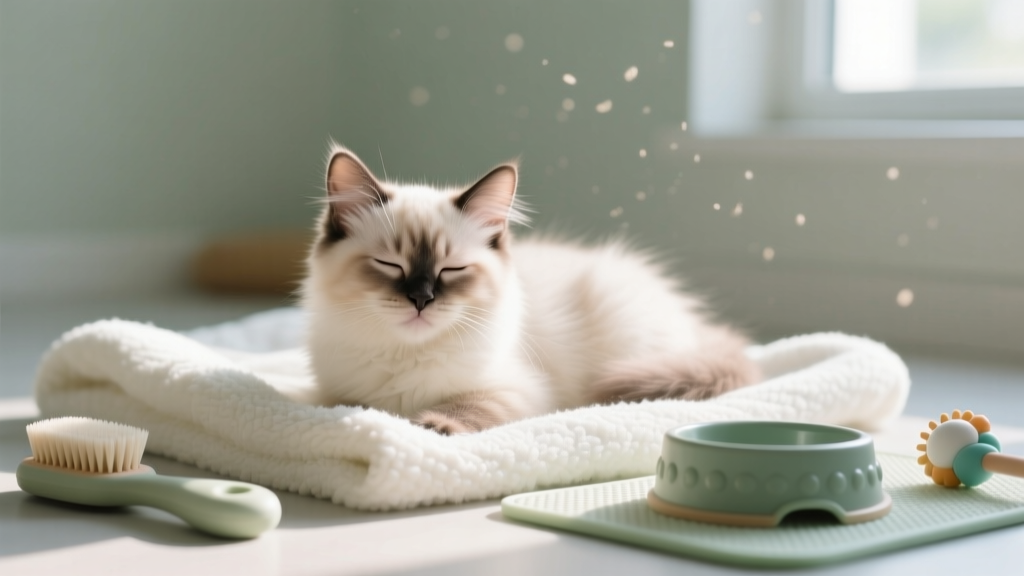
- Hygiene rhythm: Clean bedding daily. Disinfect feeding dishes with diluted white vinegar (1:1 with water)—bleach residues irritate oral mucosa. Never use essential oils—terpenes like limonene are neurotoxic to kittens.
Socialization & Stress Mitigation: The 4-Week Window You Can’t Reopen
The prime socialization period for kittens closes at 7 weeks. At 4 weeks, neural plasticity peaks—their brains are primed to form positive associations with humans, handling, sounds, and novel textures. Miss this, and fear-based behaviors (hiding, biting, litter avoidance) become neurologically embedded.
But ‘socializing’ isn’t cuddling. It’s structured, low-stress exposure:
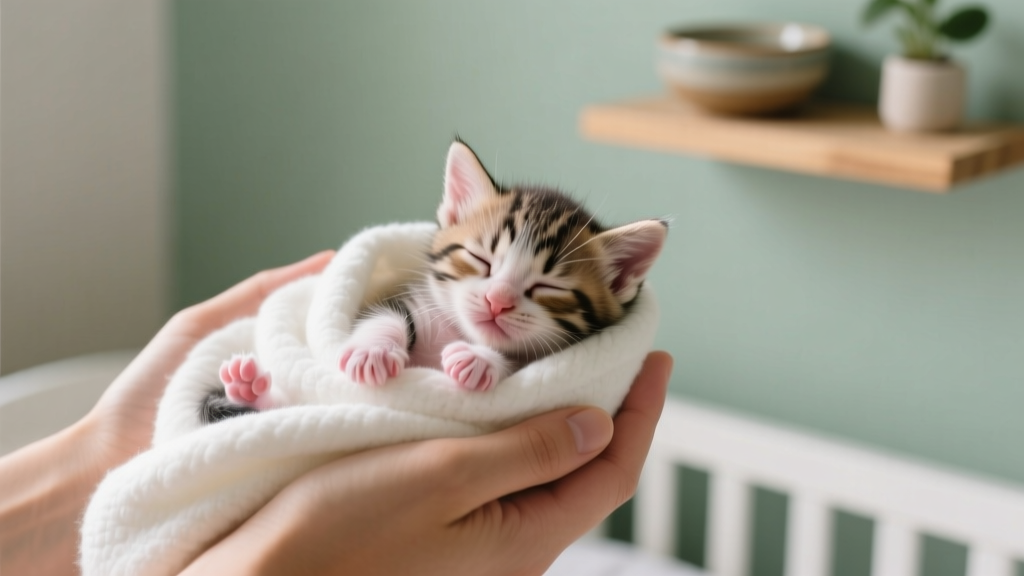
- Human touch: 3x/day, 5 minutes each: cradle gently while humming (low-frequency vibration calms vagal tone), stroke head/cheeks (where scent glands reside), then slowly introduce fingertip touches to paws and ears.
- Sound acclimation: Play recordings at 40 dB (library-level volume): vacuum hum (10 sec), doorbell chime (5 sec), children laughing (8 sec). Pause 2 minutes between clips. Never force proximity.
- Texture play: Offer 3 safe items weekly: crinkled paper bag (no handles), faux-fur scrap, rubber duck (no paint/chips). Rotate to prevent neophobia.
- Red-flag stress signs: Flattened ears + rapid tail flick = overload. Immediately stop and offer quiet space. Chronic stress elevates cortisol, suppressing IgA antibodies—making them 5x more susceptible to upper respiratory infections (URIs).
According to certified feline behaviorist Dr. Mika Sato, “A stressed 4-week-old kitten isn’t ‘shy’—it’s experiencing amygdala hyperactivation. Gentle, predictable interaction builds GABA pathways that last a lifetime.”
| Age | Key Developmental Milestone | Critical Action | Risk If Missed |
|---|---|---|---|
| 4 weeks | Eyes fully open; ear canals fully patent; first teeth erupting | Begin gruel transition; start litter stimulation; initiate sound/textural exposure | Delayed weaning → malnutrition; retained meconium → sepsis; sensory deprivation → lifelong anxiety |
| 5 weeks | Walking confidently; playing with littermates; vocalizing distinct mews | Introduce shallow water bowl; begin gentle nail trims; add 1 new person/day for handling | Pica (chewing non-food items); overgrown claws → joint damage; poor human bonding → aggression |
| 6 weeks | Self-grooming begins; plays ‘hunt’ with toys; recognizes individual voices | First vet exam + fecal test; administer first FVRCP vaccine (if maternal antibodies allow); introduce carrier as safe space | Undetected coccidia → chronic diarrhea; vaccine failure → panleukopenia; carrier = threat zone → lifelong travel trauma |
| 7 weeks | Full coordination; sleeps 16+ hrs/day; initiates mutual grooming | Begin separation training (5-min intervals); assess bite inhibition; schedule spay/neuter consult | Separation anxiety → destructive behavior; uninhibited play biting → injury; early puberty → spraying/roaming |
Frequently Asked Questions
Can I bathe my 4-week-old kitten?
No—bathing is dangerous and unnecessary. Kittens this age cannot regulate temperature during evaporation, and soap strips protective skin lipids, inviting fungal infection (e.g., dermatophytosis). If soiled, spot-clean with warm water and a soft cloth, then dry thoroughly with a hairdryer on ‘cool’ setting held 12+ inches away. Only full immersion if medically indicated (e.g., pesticide exposure) and under direct veterinary supervision.
Should I give my kitten supplements like probiotics or vitamins?
Not unless prescribed. Healthy kittens on balanced milk replacer/gruel receive all required nutrients. Probiotics like Bacillus coagulans may help post-deworming, but unregulated strains can cause bacteremia in immunocompromised neonates. Vitamin A overdose (common in liver-based supplements) causes skeletal deformities. Always consult your vet before adding anything.
My kitten cries constantly—is that normal?
Some vocalization is typical, but persistent, high-pitched crying signals distress: hunger (check weight gain), cold (feel ear tips—they should be warm, not cool), pain (observe posture—hunched = abdominal discomfort), or isolation. Record a 30-second audio clip and share it with your vet; certain cry frequencies correlate with specific conditions like patent ductus arteriosus (a heart defect).
When can I hold my kitten for more than 5 minutes?
You can hold longer once they initiate contact—rubbing heads, kneading, or purring during handling. Until then, limit sessions to 5 minutes max to avoid overheating or stress. Always support chest and hindquarters; never hold vertically like a human baby—kittens lack cervical spine strength and may aspirate.
Do I need to take my 4-week-old kitten to the vet now—or wait until vaccinations?
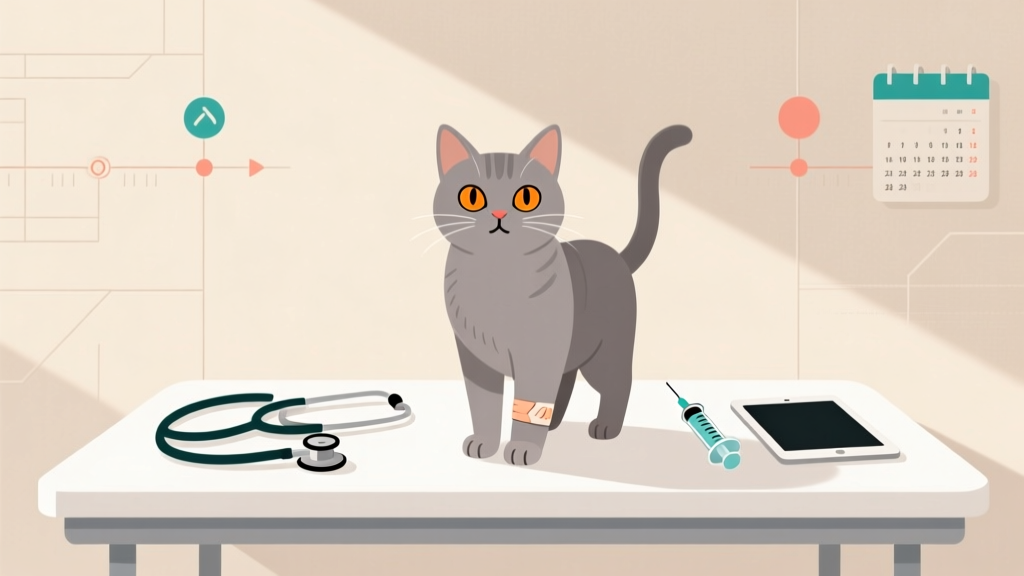
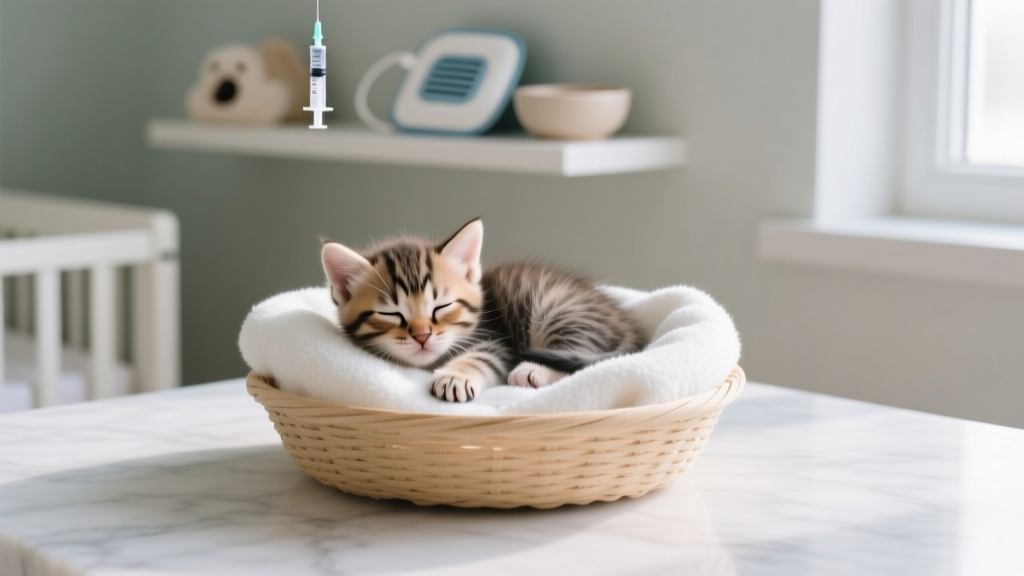
Yes—schedule a wellness visit *now*. A vet will check for congenital defects (cleft palate, umbilical hernias), assess hydration via skin tent test, listen for heart murmurs, and evaluate eye health (corneal ulcers appear as cloudy spots). Early detection of issues like portosystemic shunts or retinal dysplasia dramatically improves outcomes. Don’t wait for ‘routine’ vaccines at 6–8 weeks.
Common Myths Debunked
Myth 1: “If the kitten is eating, it’s thriving.”
Reality: Oral intake ≠ nutrient absorption. Diarrhea, vomiting, or poor weight gain indicate malabsorption syndromes (e.g., trypsin deficiency) or parasitic load—even with voracious appetite. Track grams gained, not just meals consumed.
Myth 2: “Mother cats always know best—so orphaned kittens are doomed.”
Reality: Human caregivers using evidence-based protocols achieve >92% survival rates (per ASPCA Foster Program data). Maternal neglect, mastitis, or genetic defects often make intervention lifesaving—not ‘interference.’
Related Topics (Internal Link Suggestions)
- Signs of kitten dehydration — suggested anchor text: "kitten dehydration symptoms"
- Best kitten milk replacer brands — suggested anchor text: "vet-recommended kitten formula"
- When to start litter training kittens — suggested anchor text: "kitten litter training timeline"
- Kitten vaccination schedule by age — suggested anchor text: "kitten shots timeline"
- Finding a kitten-friendly veterinarian — suggested anchor text: "emergency kitten vet near me"
Your Next Step: Precision, Not Panic
Caring for a 4-week-old kitten isn’t about perfection—it’s about informed consistency. You now know that warming isn’t optional, gruel texture affects digestion, stimulation prevents sepsis, and socialization wires their brain for resilience. But knowledge without action stays theoretical. So tonight, before bed: weigh your kitten, adjust the ambient temperature to 75–78°F, prepare tomorrow’s gruel batch, and write down one socialization goal (e.g., ‘introduce crinkly paper for 90 seconds’). Small, science-backed actions compound into survival—and eventually, into the trusting, playful companion they’re meant to become. If you’re fostering or adopted this kitten, consider sharing your progress with a local rescue—they’ll celebrate your wins and guide your next steps. You’ve got this.