Feline Pulmonary Thromboembolism: Lung Blood Clot
1. Why This Topic Matters to Cat Owners
When a cat suddenly struggles to breathe, it’s one of the most frightening situations a pet parent can face. One possible cause is feline pulmonary thromboembolism (PTE), a condition where a blood clot blocks blood flow in the lungs. Pulmonary thromboembolism is not as commonly discussed as asthma or heart disease, but it can be just as serious—and it often happens in cats that already have an underlying health problem.
The good news is that understanding the warning signs, knowing your cat’s risk factors, and getting prompt veterinary care can make a real difference. This guide explains PTE in clear, practical terms so you can act quickly and confidently if your cat ever needs help.
2. Overview: What Is Feline Pulmonary Thromboembolism?
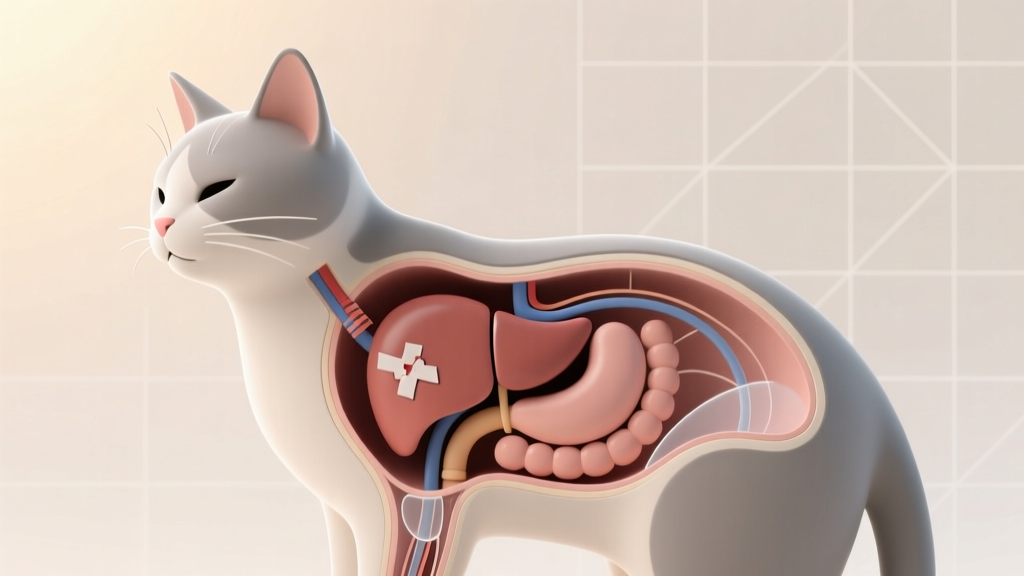
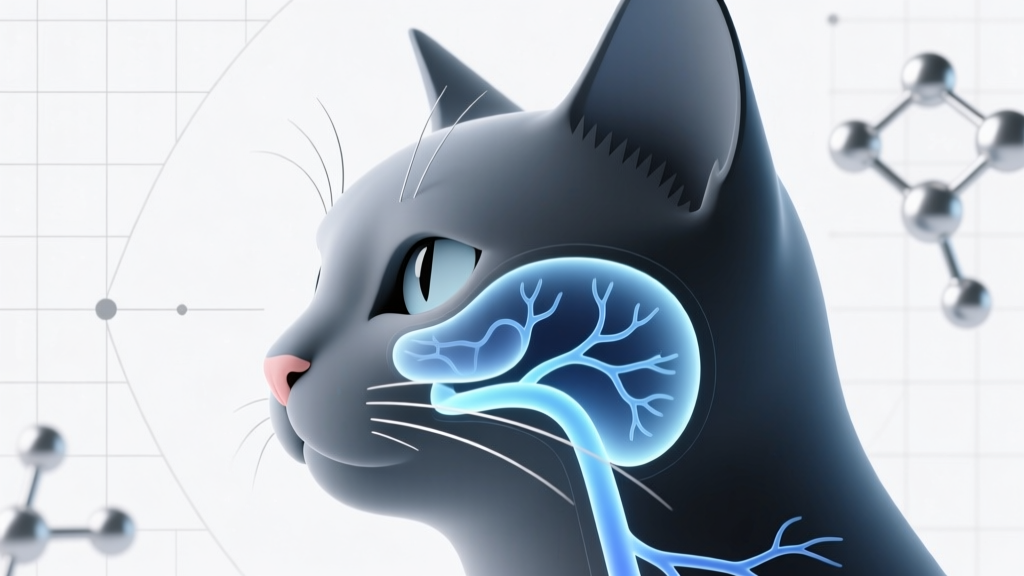
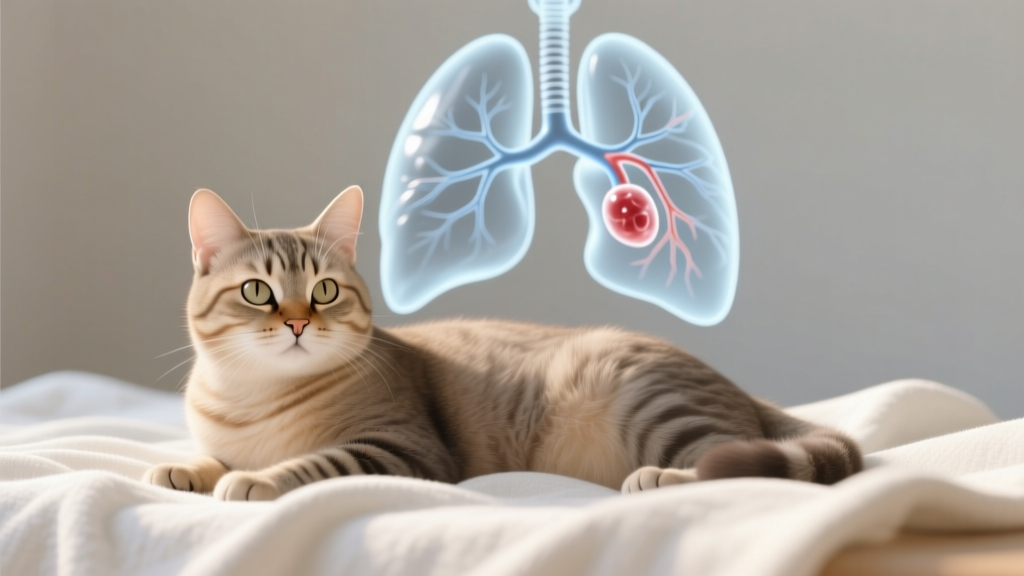
Pulmonary thromboembolism means a clot (thrombus) forms somewhere in the body and then travels (embolus) through the bloodstream until it lodges in the blood vessels of the lungs. Think of the lung blood vessels like branching highways—if a clot gets stuck, it creates a “traffic jam” that prevents blood from reaching parts of the lung.
This can cause:
- Reduced oxygen exchange (your cat may not get enough oxygen)
- Strain on the heart (especially the right side, which pumps blood to the lungs)
- Inflammation and lung tissue injury in more severe cases
PTE is often a complication of another medical problem rather than a standalone disease. That’s why diagnosing and managing the underlying cause is a big part of treatment and prevention.
3. Symptoms and Warning Signs to Watch For
Some cats show sudden, dramatic signs; others have more subtle symptoms that look like other breathing problems. If your cat has any breathing difficulty, it’s safest to treat it as urgent and contact your veterinarian promptly.
Common signs of PTE
- Rapid breathing (increased respiratory rate)
- Labored breathing (noticeable effort, belly moving more than usual)
- Open-mouth breathing (in cats, this is always abnormal unless briefly stressed)
- Sudden weakness or collapse
- Restlessness or inability to get comfortable
- Blue or gray-tinged gums/tongue (sign of low oxygen; an emergency)
- Coughing (less common in cats than dogs, but possible)
- Decreased appetite or hiding (general signs of distress)
A practical at-home check you can do today
- Count your cat’s resting respiratory rate when they’re asleep or calmly resting. Count breaths for 30 seconds and multiply by 2.
- Many healthy cats rest around 16–30 breaths per minute. Consistently above this range, especially with effort, warrants a call to your vet.
If you notice breathing difficulty, avoid stressful handling. Keep your cat calm, in a cool quiet space, and contact a veterinarian right away.
4. Causes and Risk Factors
PTE usually occurs when something makes the blood more likely to clot, injures blood vessels, or slows blood flow. Veterinarians often describe clot risk using “Virchow’s triad”: changes in blood flow, vessel injury, and blood clotting tendency.
Common underlying conditions linked to PTE in cats
- Heart disease (especially cardiomyopathy). Abnormal heart function can promote clot formation and circulation changes.
- Kidney disease, including protein-losing kidney conditions that can increase clot risk.
- Cancer (some cancers increase clotting tendency).
- Inflammatory diseases (systemic inflammation can make blood more “sticky”).
- Endocrine disorders such as hyperthyroidism may contribute indirectly through cardiovascular strain and other effects.
- Severe infections or sepsis.
- Recent surgery, trauma, or prolonged inactivity (less common causes in cats than people, but still possible).
Other risk factors
- Dehydration, which can concentrate blood and affect circulation
- Obesity, which is linked to inflammation and reduced resilience during respiratory events
- Previous clotting events or known clotting disorders
If your cat has heart disease, kidney disease, cancer, or chronic inflammatory conditions, ask your veterinarian about clot risk and whether preventive medications are appropriate.
5. Diagnosis: What to Expect at the Vet
PTE can look similar to asthma, pneumonia, heart failure, or fluid in/around the lungs. Because the treatment approach differs, your veterinary team will focus on stabilizing your cat first, then narrowing down the cause.
Initial stabilization (often happens before full testing)
- Oxygen therapy (oxygen cage, mask, or nasal oxygen)
- Gentle handling to reduce stress and oxygen demand
- Medications to reduce anxiety and breathing effort when needed
Common diagnostic tests
- Physical exam: listening to heart and lungs, gum color, pulse quality
- Pulse oximetry: measures blood oxygen saturation
- Chest X-rays: can show lung changes, fluid, heart size; PTE can be subtle on X-ray
- Cardiac ultrasound (echocardiogram): checks for underlying heart disease and strain patterns
- Bloodwork (CBC/chemistry/electrolytes): evaluates organ function and inflammation
- Clotting tests (as indicated): helps assess bleeding/clotting balance
- Blood pressure measurement
- Advanced imaging (referral-level in many areas): CT angiography is a strong tool for identifying clots in lung vessels where available
What you can do to help your vet
- Bring a list of current medications and supplements.
- Share recent changes: coughing, exercise intolerance, appetite shifts, weight loss, fainting episodes.
- Tell them your cat’s resting respiratory rate trends if you’ve been tracking.
6. Treatment Options (Medical, Surgical, Home Care)
Treatment has two goals: support breathing/oxygenation and address the clot and the underlying cause. The plan depends on how unstable the cat is, the size/location of the clot, and whether there are other issues like heart failure.
Medical treatment (most common)
- Oxygen therapy: often the most immediate lifesaving support.
- Anticoagulants (blood thinners): medications that reduce further clot formation and allow the body to slowly break down the existing clot. Your vet will choose a medication and dose based on your cat’s condition and bleeding risk.
- Antiplatelet medications: may be used in some cats, especially those with heart disease, to reduce platelet clumping.
- Treatment for underlying disease:
- Heart medications if cardiomyopathy or heart failure is present
- Therapy for kidney disease or protein loss
- Antibiotics if infection is suspected
- Cancer-specific treatment when appropriate
- Pain control and calming medications: stress worsens breathing effort; carefully selected medications can help.
- Fluids: used cautiously. Some cats (especially with heart disease) can worsen with excess fluids, so your vet will tailor this.
Thrombolytic (“clot-busting”) drugs
In people, certain drugs can rapidly dissolve clots. In cats, thrombolytics may be considered in select, severe cases, but they carry a significant bleeding risk and are not appropriate for every patient. This is a decision your veterinarian or a specialist makes based on stability, diagnostics, and risk assessment.
Surgical or interventional options
Surgical removal of a lung clot is uncommon in cats due to complexity and risk. In specialty settings, advanced interventional techniques may be discussed, but most cats are managed medically with supportive care.
Home care after hospitalization
- Give medications exactly as prescribed; do not stop anticoagulants without veterinary guidance.
- Restrict intense activity during recovery (your vet will specify timelines).
- Monitor breathing daily: resting respiratory rate, effort, and comfort.
- Watch for bleeding signs if your cat is on anticoagulants (see below).
- Keep follow-up appointments for bloodwork and imaging as recommended.
Signs to report promptly while on anticoagulants
- Bleeding from nose or mouth
- Blood in urine or stool (or black, tarry stool)
- Unusual bruising
- Sudden weakness, collapse, or pale gums
If any of these occur, contact your veterinarian or an emergency clinic immediately.
7. Prevention Strategies and Early Detection Tips
You can’t prevent every clot, but you can reduce risk and catch problems earlier—especially if your cat has a known underlying condition.
Actionable prevention steps
- Schedule regular veterinary exams (at least yearly; often twice yearly for seniors or chronically ill cats).
- Manage heart disease proactively:
- Ask if your cat should have an echocardiogram.
- Discuss whether preventive antiplatelet/anticoagulant therapy is appropriate.
- Support kidney health: follow diet and medication plans closely; keep fresh water available and ask about hydration strategies.
- Maintain a healthy weight with measured portions and vet-approved diets.
- Track resting respiratory rate weekly (or more often for cardiac patients). A trend upward is useful early warning information.
- Reduce stress in cats with heart disease (predictable routines, calm handling, quiet resting areas).
If your cat has cancer, endocrine disease, or inflammatory conditions, ask your veterinarian if clot risk should be part of the management plan.
8. Prognosis and Quality of Life Considerations
The outlook for a cat with pulmonary thromboembolism varies widely. Prognosis depends on:
- How large the clot is and how much of the lung circulation is blocked
- How quickly treatment begins
- Whether the underlying disease is treatable or controllable
- How well your cat tolerates anticoagulant therapy
Some cats respond well to oxygen and anticoagulants and can return to a comfortable life with ongoing monitoring and medication. Others may have recurrent episodes if the underlying condition remains active.
Quality of life tips during recovery
- Prioritize calm, low-stress routines and gentle play rather than intense bursts of activity.
- Keep essentials nearby (food, water, litter box) to reduce exertion.
- Use medication organizers and set reminders to prevent missed doses.
- Ask about recheck timing and what milestones indicate improvement.
If you’re ever unsure whether your cat is improving, a quick check-in with your veterinary team is worthwhile. You’re not overreacting—breathing concerns deserve careful attention.
9. When to Seek Emergency Veterinary Care
Because PTE affects oxygen delivery, it can become life-threatening quickly. Seek emergency veterinary care immediately if you notice:
- Open-mouth breathing or panting at rest
- Severe or worsening labored breathing
- Blue/gray gums or tongue
- Collapse, fainting, or extreme weakness
- Sudden inability to stand or severe distress
- Breathing rate consistently very high (especially with effort or noise)
Transport tip: Keep your cat in a carrier with good airflow, minimize handling, and keep the car quiet and cool. Call the clinic on the way so they can prepare oxygen support.
10. FAQ: Common Questions Cat Owners Ask
Can a cat survive a pulmonary thromboembolism?
Yes, some cats do survive—especially when they receive fast oxygen support and appropriate anticoagulant therapy. Survival depends on clot severity, how stable the cat is at presentation, and the underlying disease. Your veterinarian can give the most accurate outlook after exam and testing.
Is pulmonary thromboembolism the same as asthma?
No. Asthma involves airway inflammation and tightening of the small airways. PTE is a blockage in lung blood vessels. The symptoms can look similar (fast or difficult breathing), which is why diagnostics are so important. Treatments differ, so it’s not safe to assume it’s “just asthma” without veterinary guidance.
What causes blood clots in cats?
Clots often form due to heart disease, kidney disease with protein loss, cancer, severe inflammation, or other conditions that change circulation or increase clotting tendency. Sometimes a clot occurs without an obvious cause, but your vet will look carefully for underlying issues.
Will my cat need to be on blood thinners for life?
Some cats need long-term or lifelong anticoagulant/antiplatelet medication, especially if the underlying risk factor (like cardiomyopathy) is ongoing. Others may need treatment for a defined period. Your veterinarian will tailor the plan and monitor for side effects.
How can I monitor my cat at home after treatment?
Track resting respiratory rate, watch breathing effort, and note energy level, appetite, and gum color. Give medications consistently and report any bleeding signs right away. Keep scheduled rechecks—monitoring is a major part of safe recovery.
Is there anything I should avoid doing if my cat is struggling to breathe?
Avoid forcing your cat to move, eat, or drink. Don’t give leftover medications (human or pet) unless a veterinarian specifically instructs you to. Keep your cat calm and get veterinary help promptly—breathing distress is not something to “wait out.”
If your cat has heart disease or any condition that increases clot risk, talk with your veterinarian about tailored prevention and monitoring. For more practical, caring cat health guidance, visit catloversbase.com for additional resources and articles.