Feline Medullary Thyroid Carcinoma: Hormone-Secreting Tumor
1. Introduction: Why this topic matters for cat owners
Most cat owners have heard of feline hyperthyroidism, a common condition in older cats that can cause weight loss, a ravenous appetite, and restlessness. Less commonly discussed is a rare thyroid tumor called medullary thyroid carcinoma (MTC). While uncommon, it matters because it can be hormone-secreting, meaning it may affect your cat’s body beyond the thyroid gland itself. When a tumor changes hormone levels, it can create confusing symptoms—digestive upset, weakness, behavior changes, or a lump in the neck—that owners may mistake for “just aging” or a sensitive stomach.
If you understand what to watch for and what your veterinarian may recommend, you’ll be better prepared to act early. Early veterinary evaluation often gives the best chance at controlling symptoms and maintaining a good quality of life.
2. Overview: What is feline medullary thyroid carcinoma?
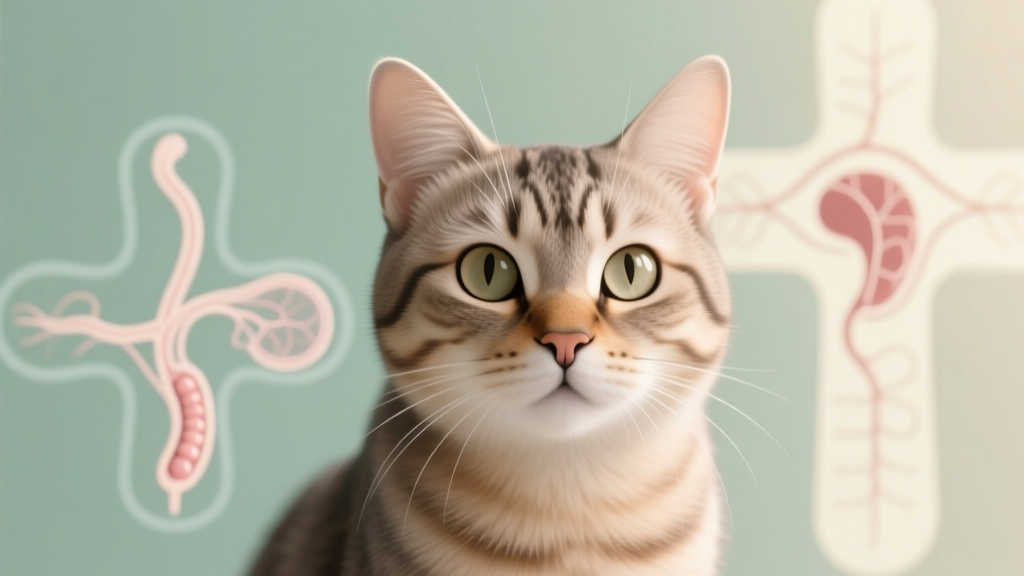
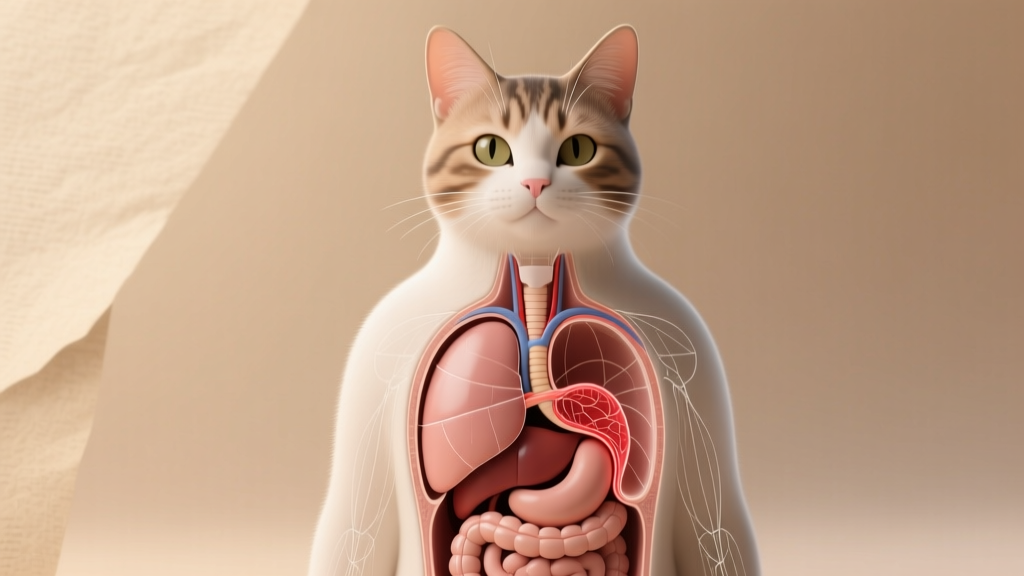
The thyroid gland sits in the neck and helps regulate metabolism. Most thyroid problems in cats involve the thyroid cells that make thyroid hormones (T4 and T3). Medullary thyroid carcinoma is different: it arises from specialized thyroid cells called C cells (also called parafollicular cells). These cells primarily produce a hormone called calcitonin, which is involved in calcium regulation.
Key points in plain language:
- MTC is a malignant (cancerous) tumor of the thyroid’s C cells.
- It may secrete hormones (most notably calcitonin), which can contribute to body-wide effects.
- It can form a mass in the neck and may spread (metastasize) to local lymph nodes or other organs.
- It is rare in cats compared with other thyroid diseases.
Because it’s uncommon, many cats are first brought in for non-specific signs like chronic vomiting, diarrhea, weight loss, or decreased appetite. Sometimes the first clue is a lump in the neck noticed during petting, grooming, or a routine veterinary exam.
3. Symptoms and warning signs to watch for
Signs can vary based on tumor size, whether it’s producing hormones, and whether it has spread. Contact your veterinarian if you notice any of the following, especially if symptoms persist beyond 24–48 hours or are worsening.
Possible signs at home
- Neck lump or swelling (may be firm, may or may not be painful)
- Change in voice or unusual vocalization
- Coughing, noisy breathing, or increased respiratory effort
- Difficulty swallowing, gagging, dropping food, or eating more slowly
- Weight loss with normal, increased, or decreased appetite
- Vomiting and/or diarrhea (especially ongoing or recurrent)
- Lethargy, hiding more, decreased grooming
- Dehydration (tacky gums, decreased skin elasticity)
- Weakness or reduced tolerance for play
What owners often miss
- Subtle changes in appetite or “picky eating” that gradually worsens
- Mild, intermittent digestive upset that becomes more frequent
- Slow, steady weight loss masked by a fluffy coat
Practical tip today: If your cat will allow it, gently feel the underside of the neck along the throat area once a month. You’re not trying to diagnose anything—just noticing if something feels newly enlarged or asymmetrical. If you detect a new lump, schedule a veterinary visit.
4. Causes and risk factors
In many cats, the exact cause of thyroid tumors isn’t known. Medullary thyroid carcinoma is rare, and clear risk factors are not as well-defined as they are for more common feline diseases.
Potential risk factors and associations:
- Age: Many thyroid tumors are diagnosed in middle-aged to senior cats.
- Genetics: In people and some animals, certain genetic syndromes can be linked to medullary thyroid cancer. In cats, inherited patterns are not well established, but genetics may play a role in select cases.
- Prior thyroid disease: Having thyroid abnormalities doesn’t automatically mean a cat will develop MTC, but any thyroid enlargement deserves evaluation.
- Environmental factors: Research is ongoing for various thyroid conditions; however, no single household exposure has been proven to cause feline MTC.
Most importantly: you didn’t “cause” this by missing a supplement or choosing the wrong food. What helps most is noticing changes early and partnering with your veterinarian for a plan.
5. Diagnosis: Methods and what to expect at the vet
If your veterinarian suspects a thyroid tumor, they’ll work step-by-step to confirm what’s going on and whether the tumor is affecting the rest of the body.
Common diagnostic steps
- Physical exam: Careful palpation of the neck, check of lymph nodes, heart, lungs, hydration status, and body condition.
- Bloodwork and urinalysis: Evaluates overall health, kidney function, liver values, hydration, and potential anemia or inflammation.
- Thyroid hormone testing (Total T4 ± additional testing): Even though MTC originates from C cells, your vet may still check thyroid hormones to rule out typical hyperthyroidism or concurrent thyroid issues.
- Calcium-related testing: Because calcitonin relates to calcium regulation, your vet may assess calcium and related values. (Not every cat will have abnormal calcium, but it can be part of the picture.)
- Imaging:
- Neck ultrasound to evaluate thyroid structure and nearby lymph nodes
- Chest X-rays to check for spread to the lungs or other chest changes
- Abdominal ultrasound if there are digestive signs or concern for spread
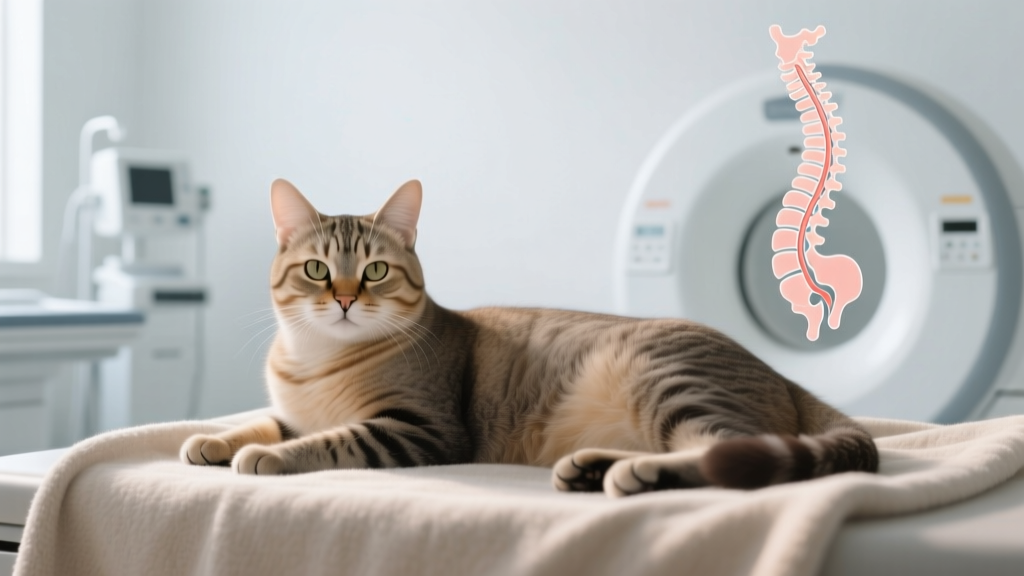
- CT scan may be recommended for surgical planning or detailed staging
- Sampling the mass:
- Fine-needle aspirate (FNA) may be attempted, though results can be inconclusive depending on the tumor
- Biopsy provides a more definitive answer but is more invasive
- Histopathology after surgical removal is often the most definitive diagnosis
What to expect emotionally and practically: Your vet may discuss “staging,” which means checking how localized the tumor is. Staging helps guide treatment decisions and gives you a more realistic outlook. It’s okay to ask for a written plan and a cost estimate in phases (diagnostics first, then treatment options).
6. Treatment options: Medical, surgical, and home care
Treatment depends on tumor size, location, whether it has spread, your cat’s overall health, and your goals. Many cats do best with a combination approach: controlling symptoms, addressing the tumor when possible, and supporting comfort at home.
Surgery
- Thyroidectomy (surgical removal) may be recommended if the tumor appears localized and operable.
- Your veterinarian may refer you to a board-certified veterinary surgeon, especially if the mass is large or close to major blood vessels.
- Lymph node removal may be considered if nodes look enlarged or suspicious.
Potential benefits: Removes the primary tumor, can improve breathing/swallowing if the mass is compressive, and provides definitive tissue diagnosis.
Potential risks and considerations: Surgery in the neck can involve bleeding risk and nearby structures. Your cat may need careful monitoring after surgery, and additional therapy may be recommended if spread is suspected.
Radiation therapy
- May be considered for tumors that can’t be fully removed surgically or for local control after surgery.
- Usually performed at specialty centers.
Medical management and supportive care
- Anti-nausea and GI support: Medications can help control vomiting/diarrhea and improve appetite.
- Pain control: If there is discomfort, your veterinarian can prescribe cat-safe pain relief. Never give human pain medications.
- Hydration support: Subcutaneous fluids may be recommended in some cases, especially if appetite is down.
- Nutrition plan: High-quality, highly palatable diets; sometimes smaller, more frequent meals help.
Home care you can start right away (while waiting for your appointment)
- Track weight weekly using a baby scale or a home scale (weigh yourself with and without your cat).
- Log symptoms: appetite, vomiting episodes, stool quality, energy level, breathing changes, and any neck swelling you notice.
- Encourage hydration: add water to wet food, offer a fountain, place multiple bowls around the home.
- Reduce stress: keep routine stable, provide a quiet resting area, and avoid forcing handling around the neck.
Always coordinate treatment with a veterinarian. If your cat is struggling to eat or keep food down, don’t wait—early symptom control can prevent dehydration and rapid weight loss.
7. Prevention strategies and early detection tips
Because the exact cause of feline medullary thyroid carcinoma isn’t well understood, there is no guaranteed prevention. What you can do is stack the odds in your cat’s favor with consistent wellness care and quick action when something changes.
- Schedule routine exams: Senior cats benefit from veterinary exams every 6 months. Small neck masses are often found during routine palpation.
- Do baseline lab work: Annual (or twice-yearly for seniors) bloodwork and urinalysis can uncover subtle problems early.
- Watch weight trends: Unexplained weight loss is one of the earliest red flags for many diseases.
- Pay attention to persistent GI signs: Recurrent vomiting or diarrhea should be evaluated, even if your cat “seems fine otherwise.”
- Ask about thyroid evaluation if your cat has a neck lump, voice change, or unexplained weight changes.
8. Prognosis and quality of life considerations
Prognosis can vary widely. Factors that influence outlook include:
- Whether the tumor is localized or has spread
- Whether surgery can remove it completely
- Your cat’s overall health (kidneys, heart, body condition)
- Response to supportive care (appetite, hydration, comfort)
Many cats do best when treatment focuses on both the tumor and day-to-day comfort. Quality of life is not only about survival time—it’s about eating, resting comfortably, interacting with family, and not struggling to breathe or swallow.
Quality-of-life check-ins you can do at home:
- Is your cat eating enough to maintain weight?
- Are vomiting/diarrhea controlled?
- Is breathing quiet and comfortable at rest?
- Does your cat still seek affection or engage in favorite routines?
- Is pain controlled (no hiding, growling when handled, or tense posture)?
Your veterinarian can help you use a simple quality-of-life scale and adjust the care plan as needs change.
9. When to seek emergency veterinary care
Some signs suggest a more urgent problem, such as airway involvement, severe dehydration, or complications from the mass. Seek emergency veterinary care right away if you notice:
- Open-mouth breathing, severe or worsening respiratory distress, or blue/gray gums
- Sudden collapse, extreme weakness, or inability to stand
- Inability to swallow or repeated choking/gagging with distress
- Uncontrolled vomiting (multiple episodes in a day) or vomiting with lethargy
- Severe diarrhea or diarrhea with blood, weakness, or dehydration
- Not eating for 24 hours (or 12 hours in a cat that is already ill), especially if also not drinking
- Rapidly enlarging neck swelling or obvious pain in the neck/throat area
If you’re unsure whether it’s an emergency, call your veterinarian or an emergency clinic and describe the breathing, swallowing, and energy level—those details help them triage appropriately.
10. FAQ: Common questions from cat owners
Is medullary thyroid carcinoma the same as hyperthyroidism?
No. Most feline hyperthyroidism is caused by benign overgrowth of thyroid hormone-producing cells. Medullary thyroid carcinoma comes from C cells and may secrete calcitonin. Some cats can have overlapping signs like weight loss, but the conditions are different and require different diagnostics and treatment planning.
Can I feel a thyroid tumor at home?
Sometimes, yes—especially if the mass is large or near the surface. Many neck lumps are found during routine veterinary exams. If you notice any new lump, schedule a visit rather than waiting to see if it “goes away.”
Will bloodwork always detect this cancer?
Not always. Bloodwork is still very valuable because it assesses organ function and overall health, which guides safe anesthesia, surgery decisions, and medication choices. Imaging and tissue sampling are often needed to identify the tumor type.
What does “hormone-secreting tumor” mean for my cat’s symptoms?
It means the tumor may release hormones (often calcitonin) that can influence body systems beyond the thyroid. In practice, this can contribute to vague signs like digestive upset, weakness, or changes in appetite. Your veterinarian will look for patterns and run tests to rule out other common causes.
Is surgery always required?
No. Surgery may be recommended if the mass is operable and your cat is a good candidate. If surgery isn’t possible—or if you choose not to pursue it—many cats still benefit from supportive care (nausea control, nutrition support, hydration help, and comfort-focused treatment). Your veterinarian can outline realistic goals for each option.
How can I help my cat right now while waiting for diagnostics?
Keep a daily log of appetite, vomiting/diarrhea, energy, breathing, and weight. Offer wet food, encourage hydration, and keep your cat calm and comfortable. Avoid pressing on the neck mass. If breathing or swallowing becomes difficult, seek urgent care.
If you’re concerned your cat may have a thyroid mass or ongoing unexplained symptoms, schedule an appointment with your veterinarian. A thorough exam and staged testing plan are the safest way to get answers and protect your cat’s comfort.
For more caring, practical cat health guides and wellness tips, visit catloversbase.com.