Feline Idiopathic Cystitis Management Protocol
1. Introduction: Why Feline Idiopathic Cystitis Matters
If your cat has ever strained in the litter box, cried while urinating, or started peeing outside the box, it’s scary and frustrating. Many cat owners worry about infections, kidney problems, or behavioral issues. One common cause of these urinary signs is Feline Idiopathic Cystitis (FIC), a painful bladder condition that can come and go.
FIC matters because it affects your cat’s comfort, can disrupt your household routine, and in some cases can be associated with life-threatening urinary blockage—especially in male cats. The good news is that many cats do very well once their triggers are identified and a management plan is in place. Think of FIC as a condition best controlled through a long-term protocol combining veterinary care and smart home adjustments.
2. Overview: What Feline Idiopathic Cystitis Is (Plain-Language Explanation)
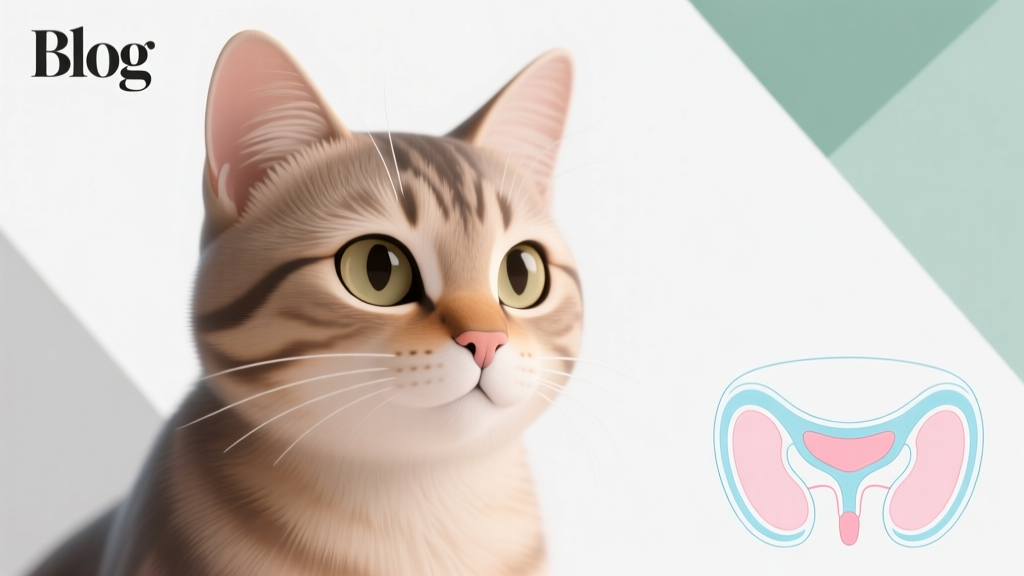
Feline Idiopathic Cystitis means inflammation of the bladder with no single identifiable cause found after appropriate testing. “Idiopathic” is a medical way of saying, “We don’t have a clear, specific culprit like bacteria or a bladder stone.”
In FIC, the bladder lining becomes irritated and inflamed. Many cats with FIC also have increased sensitivity to stress and changes in their environment. Research suggests FIC isn’t just a “bladder problem”—it’s often connected to how a cat’s nervous system and stress response interact with the urinary tract.
FIC is part of a broader category called Feline Lower Urinary Tract Disease (FLUTD). FLUTD is a group of conditions that cause urinary signs, including:
- FIC (very common)
- Bladder stones (uroliths)
- Urethral plugs/obstruction (more common in males)
- Urinary tract infection (less common in young, otherwise healthy cats)
- Less commonly, tumors or anatomic problems
Because several conditions can look similar, it’s important not to guess at home. Your veterinarian’s role is to rule out other causes and then help you build an effective FIC management plan.
3. Symptoms and Warning Signs to Watch For
FIC symptoms can range from mild to very uncomfortable. Some cats have sudden flare-ups that improve within days; others have recurring episodes.
Common signs of FIC/FLUTD include:
- Frequent trips to the litter box, producing only small amounts of urine
- Straining or prolonged squatting
- Crying/meowing when urinating
- Blood in the urine (pink or red tint, or small spots)
- Urinating outside the litter box (often near the box or on soft surfaces)
- Excessive licking of the genital area
- Hiding, irritability, decreased appetite (pain and stress signs)
Important distinction: A cat who is straining may look “constipated,” but the issue could be urinary. If you’re not sure whether your cat is trying to poop or pee, treat it as urgent and call your veterinarian.
4. Causes and Risk Factors
With FIC, the exact cause varies and is often multifactorial. Many cats are predisposed, and then a trigger sets off an episode.
Common risk factors include:
- Stress (new pet, moving, guests, construction, schedule changes, conflict between cats)
- Indoor-only lifestyle with limited enrichment (not “bad,” just higher risk if under-stimulated)
- Low water intake (more concentrated urine can irritate the bladder)
- Diet type (dry-only diets may contribute to lower moisture intake for some cats)
- Obesity and low activity
- Multi-cat households (resource competition, litter box conflict)
- History of previous urinary episodes
FIC is not your fault. Many devoted owners do everything “right” and still face flare-ups. The goal is to reduce triggers, improve hydration, and create a routine that supports urinary and emotional health.
5. Diagnosis Methods and What to Expect at the Vet
There is no single test that “proves” FIC. FIC is usually diagnosed after ruling out other causes of urinary signs.
Your vet may recommend:
- Physical exam (including bladder palpation)
- Urinalysis to check for blood, crystals, concentration, and signs of infection
- Urine culture (especially in older cats, cats with other medical issues, or recurring episodes) to confirm or rule out bacterial infection
- Imaging:
- X-rays to look for stones
- Ultrasound to evaluate the bladder wall, stones, clots, or other abnormalities
- Bloodwork if your vet is concerned about dehydration, kidney function, or systemic illness
What it feels like as an owner: It may seem like a lot of testing for “just a urinary problem,” but these steps are how your veterinarian makes sure there isn’t an obstruction, stones, or an infection that needs specific treatment.
6. Treatment Options: Medical, Surgical, and Home Care
FIC treatment is most effective when it follows a protocol: address pain, reduce inflammation and stress, improve hydration, and prevent recurrence.
Medical management (your veterinarian tailors this)
- Pain control: Pain relief is a cornerstone of care. Your veterinarian may prescribe medications to reduce bladder discomfort and urethral spasm. Never give human pain medications.
- Anti-anxiety or stress-modulating medication: For frequent or severe episodes, your vet may discuss longer-term options to reduce stress reactivity.
- Antibiotics: Not routinely needed for FIC, because FIC is not typically caused by bacteria. Antibiotics are used when infection is confirmed or strongly suspected.
- Prescription urinary diets: These may help by optimizing urine concentration and supporting bladder health. Some are designed for multi-modal urinary support and stress.
- Subcutaneous fluids: Occasionally used in clinic to support hydration, depending on your cat’s condition.
When surgery or procedures are needed
- Urethral obstruction treatment (emergency procedure): If a cat is blocked, they may need sedation/anesthesia, catheter placement, IV fluids, and hospitalization. This is most common in male cats.
- Bladder stone removal: If imaging confirms stones that won’t dissolve with diet or are causing repeated issues, your vet may recommend surgical removal or other procedures.
- Perineal urethrostomy (PU surgery): In select male cats with repeated, life-threatening obstructions, this surgery can reduce future obstruction risk. It does not “cure” FIC but may prevent blockage emergencies.
Home care protocol: practical steps you can start now
1) Boost water intake (biggest day-to-day impact)
- Switch to wet food fully or partially if your vet agrees.
- Add extra water to canned food (“gravy style” texture).
- Offer multiple water stations in quiet areas.
- Try a cat water fountain if your cat prefers moving water.
- Use wide, shallow bowls (some cats dislike whisker contact).
2) Litter box setup that lowers stress
- Follow the “n + 1” rule: one box per cat, plus one extra.
- Scoop at least once daily; change litter regularly.
- Place boxes in separate, quiet locations (not all in one laundry room).
- Use unscented litter; strong fragrances can be aversive.
- Choose a box size that allows your cat to turn around comfortably.
3) Reduce stress and increase enrichment (FIC is often stress-sensitive)
- Create predictable routines for meals, play, and quiet time.
- Add vertical space (cat trees, shelves) and safe hiding spots.
- Use puzzle feeders or food scattering to encourage natural foraging.
- Schedule 1–2 short interactive play sessions daily (5–10 minutes).
- If there’s inter-cat tension, ask your vet about behavior support strategies and home “resource mapping.”
4) Track flare-ups
- Keep a simple log: date, symptoms, diet changes, household events, medications, vet visits.
- This helps you and your vet identify patterns (visitors, new litter, schedule change, etc.).
7. Prevention Strategies and Early Detection Tips
FIC prevention is about reducing recurrence frequency and severity. Many cats can’t avoid flare-ups entirely, but they can often have fewer episodes with a consistent plan.
Prevention checklist:
- Hydration first: prioritize moisture-rich diets and accessible water.
- Weight management: ask your vet for a safe weight-loss plan if needed.
- Routine veterinary checkups: especially for cats with recurring signs.
- Stable environment: introduce changes gradually when possible.
- Consider vet-recommended calming supports: these may include environmental strategies, diet, supplements, or prescription medications depending on your cat.
Early detection tip: Pay attention to litter box habits. Catching a flare-up early—before your cat becomes very painful or stressed—often makes treatment easier and recovery faster.
8. Prognosis and Quality of Life Considerations
Most cats with FIC have a good long-term prognosis with the right management. Episodes often improve within several days, especially when pain is controlled and stress is reduced. Some cats have rare flare-ups; others need ongoing support.
Quality of life is the main goal:
- Minimize pain during episodes
- Reduce recurrence through hydration and environment
- Prevent emergencies like urinary obstruction
- Maintain a calm, enriching home routine
If your cat has frequent episodes, ask your veterinarian about a more structured long-term plan, including diet trials, behavior/environment adjustments, and medication options when appropriate.
9. When to Seek Emergency Veterinary Care
Urinary issues can become urgent quickly. Contact a veterinarian immediately or go to an emergency clinic if you see any of the following:
- Straining with little or no urine produced (possible blockage)
- Repeated trips to the litter box with no output
- Crying in pain, severe restlessness, or inability to get comfortable
- Vomiting, collapse, extreme lethargy
- Swollen, firm abdomen or a very painful belly
- Male cats with urinary signs (obstruction risk is higher)
A urinary blockage is a true emergency. If you suspect your cat cannot urinate, do not wait to see if it improves overnight.
10. FAQ: Common Questions Cat Owners Ask
Is FIC the same as a urinary tract infection?
No. A urinary tract infection (UTI) is caused by bacteria and is confirmed by testing (especially urine culture). FIC is bladder inflammation without a confirmed infection. The symptoms can look identical, which is why veterinary testing matters.
Will my cat need antibiotics for FIC?
Not usually. Antibiotics help bacterial infections, and most young to middle-aged cats with FIC do not have infections. Your veterinarian may prescribe antibiotics if tests suggest a UTI or if your cat has risk factors (such as advanced age or certain chronic diseases).
Can stress really cause urinary problems?
Yes. In many cats, stress and environmental change can trigger bladder inflammation and pain. This doesn’t mean the problem is “all in their head”—it’s a real physical response that involves the nervous system, hormones, and bladder lining.
Should I switch to wet food?
Many cats with urinary issues benefit from increased moisture intake, and wet food is an effective way to do that. Talk with your veterinarian about the best diet for your cat’s age, weight, and medical history, including whether a prescription urinary diet is recommended.
How long does a flare-up last?
Many episodes improve within 3–7 days, especially with pain control and supportive care. If signs persist, worsen, or return frequently, your cat should be rechecked. Recurring episodes may need a more intensive prevention plan.
My cat peed outside the litter box—are they being “bad”?
Usually not. Cats with FIC often associate the litter box with pain and may choose other spots. Treat inappropriate urination as a medical red flag first. Once pain is addressed, litter box habits often improve with the right setup and stress reduction.
If your cat is showing urinary signs, schedule a veterinary visit promptly—early care prevents complications and relieves discomfort faster. For more practical cat wellness guides, behavior tips, and health articles written for cat owners, visit catloversbase.com.