Feline Diabetes: Early Signs and Care Plan
Understanding Feline Diabetes
Diabetes mellitus affects approximately 1 in 200 cats, with obesity being the primary risk factor. With proper management, many cats achieve remission.
Early Warning Signs
Excessive thirst and urination: Your cat drinks more and produces larger, more frequent urine clumps.
Increased appetite with weight loss: Despite eating more, the cat loses weight because cells cannot absorb glucose.
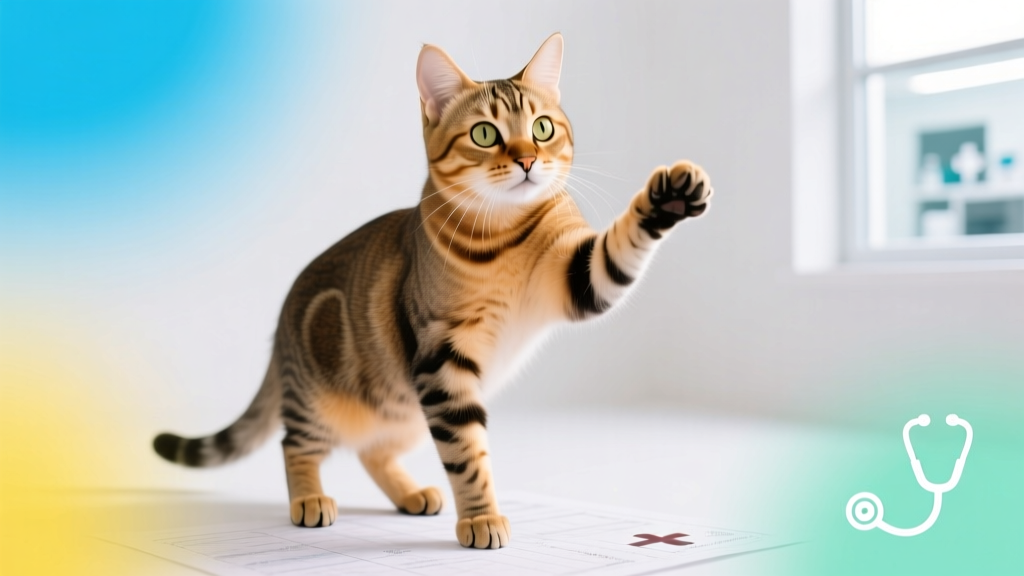
Hind leg weakness: Some diabetic cats develop a plantigrade stance—walking on their hocks due to nerve damage.
Diagnosis
Your vet checks blood glucose and performs urinalysis. Persistently elevated glucose (above 300 mg/dL) with glucose in urine confirms diabetes.
Insulin Therapy
Most diabetic cats need twice-daily insulin injections. Glargine (Lantus) is preferred—it has the highest remission rate.
Dietary Changes
Switch to a high-protein, low-carbohydrate diet (less than 10% carbohydrates on a dry matter basis). Canned foods naturally fit this profile.
Home Monitoring
Track water intake, appetite, and urine output daily. Home blood glucose testing helps adjust insulin doses.
Remission Possibility
Approximately 40-60% of diabetic cats achieve remission within 3-6 months of starting insulin therapy combined with a low-carb diet.