Cat Metagonimus: Small Intestinal Fluke
1. Introduction: Why This Topic Matters to Cat Owners
If your cat loves hunting, spends time outdoors, or gets access to raw fish, parasites may be part of the health picture you need to think about. Metagonimus is a type of small intestinal fluke (a tiny flatworm) that can infect cats after they eat certain infected fish or other intermediate hosts. While many cats with a light infection may show mild or no signs, heavier infections can cause digestive upset and interfere with nutrient absorption.
Understanding how Metagonimus infections happen, what symptoms look like, and what your veterinarian can do about it helps you protect your cat’s comfort and long-term health—without panic. With good prevention and prompt veterinary care when needed, most cats do very well.
2. Overview: What Is Metagonimus (Small Intestinal Fluke) in Cats?
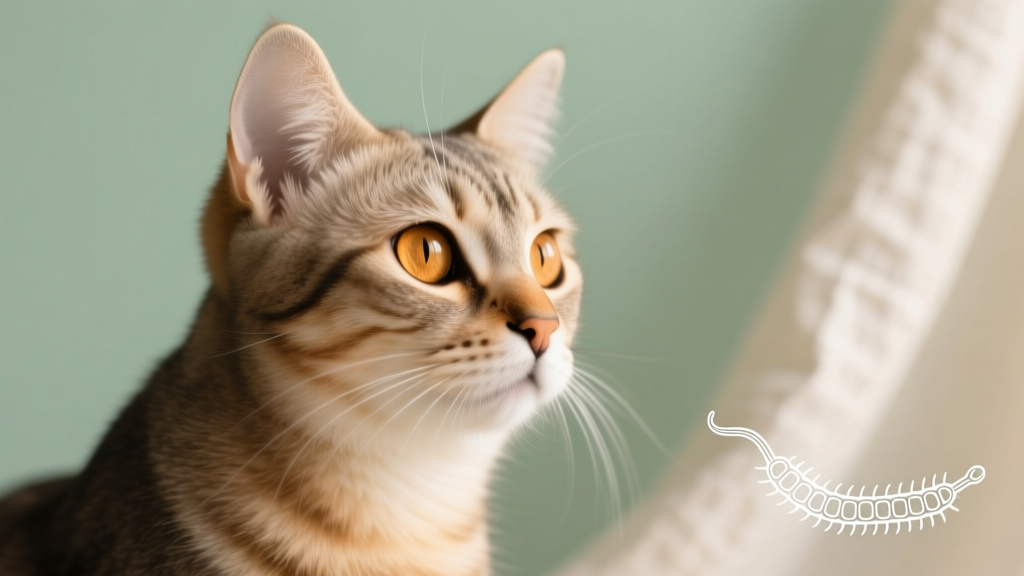
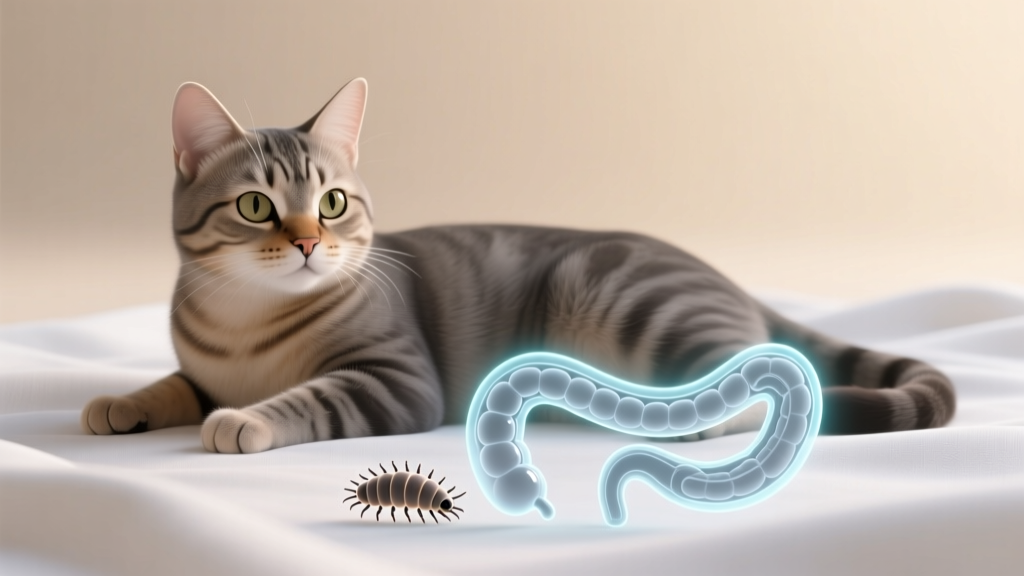
Metagonimus is a genus of trematodes (flukes) that live in the small intestine of infected animals. These flukes are very small—often only a few millimeters long—and they attach to the intestinal lining. Cats become infected by eating a host (commonly raw or undercooked fish) that carries the infective stage of the parasite.
Here’s the plain-language version of what’s going on in the body:
- The flukes attach to the intestinal lining and can cause irritation and inflammation.
- This irritation may lead to diarrhea, vomiting, poor appetite, or weight loss—especially if the parasite load is high.
- Flukes lay eggs that pass out in the stool, which can continue the parasite’s life cycle in the environment under the right conditions.
Metagonimus is more commonly discussed in human medicine in certain parts of the world where raw fish consumption is common. In cats, it’s considered an uncommon but possible intestinal parasite, depending on geography, lifestyle, and diet. If your cat has a habit of eating raw fish or scavenging, it’s worth knowing about.
3. Symptoms and Warning Signs to Watch For
Some cats show no obvious signs with a mild infection. When symptoms happen, they’re usually related to gastrointestinal irritation. Contact your veterinarian if you notice any of the following, especially if more than one sign is present or symptoms persist longer than 24–48 hours:
- Diarrhea (may be intermittent or persistent)
- Soft stools or increased stool frequency
- Mucus in the stool
- Vomiting or occasional regurgitation
- Decreased appetite or picky eating that is new
- Weight loss or poor body condition over time
- Lethargy or reduced playfulness
- Dehydration (dry gums, sunken eyes, skin “tents” when gently lifted)
- Signs of abdominal discomfort (hunched posture, hiding, sensitivity to being picked up)
These symptoms can overlap with many other conditions (diet change, stress colitis, bacterial infections, inflammatory bowel disease, other parasites), so a veterinary exam is the best way to get a clear answer.
4. Causes and Risk Factors
Cats don’t “catch” Metagonimus from casual contact with other cats the way some contagious illnesses spread. Infection typically requires eating the right intermediate host carrying the infective stage.
Common Causes
- Eating raw or undercooked fish (including table scraps, bait fish, or fish caught from streams/ponds)
- Hunting/scavenging that leads to eating infected animals associated with aquatic environments
Risk Factors
- Outdoor access (especially near lakes, rivers, ponds, or coastal areas)
- Free-roaming lifestyle or barn-cat lifestyle
- Raw diets that include fish, especially if not properly sourced and handled
- Living in or traveling to regions where fish-borne flukes are more common
- Multi-pet households where one cat hunts and shares prey remnants (risk depends on exposure)
Can People Catch Metagonimus From Cats?
People generally become infected through eating raw/undercooked fish, not from petting a cat. Still, parasite eggs can be present in infected cat stool. Good hygiene is always smart:
- Wash hands after cleaning the litter box.
- Dispose of stool promptly.
- Keep children away from litter boxes.
5. Diagnosis: Methods and What to Expect at the Vet
If your veterinarian suspects an intestinal parasite, they’ll typically start with a full history and physical exam, then recommend testing. Bringing a fresh stool sample (if you can) is extremely helpful.
What Your Vet May Ask
- Does your cat go outdoors or hunt?
- Any access to raw fish, sushi, bait fish, or raw diets?
- When did symptoms start, and are they constant or intermittent?
- Any recent diet changes, new treats, or stressors at home?
- Is your cat on a regular parasite prevention plan?
Common Diagnostic Tests
- Fecal examination (fecal flotation/sedimentation): Looks for parasite eggs in the stool. Fluke eggs may require specific methods (sedimentation) to improve detection.
- Fecal PCR (where available): Detects parasite DNA; can be helpful if eggs are hard to find, though availability varies.
- Basic lab work (bloodwork): Not always required for mild cases, but may be recommended if your cat is dehydrated, losing weight, or has ongoing GI signs.
Because egg shedding can be intermittent, your veterinarian may recommend repeat stool testing or multiple samples collected over a few days.
6. Treatment Options (Medical, Surgical, Home Care)
Treatment is usually straightforward once the diagnosis is made. The exact medication and dosing should always come from your veterinarian, because safety depends on your cat’s weight, age, overall health, and the parasite involved.
Medical Treatment
- Prescription antiparasitic medication: Flukes often require specific dewormers (commonly trematode-effective drugs). Your vet will choose the right option and duration.
- Supportive care: If your cat has vomiting or diarrhea, your vet may prescribe:
- Anti-nausea medication
- Probiotics or GI-support supplements
- Fluids (subcutaneous or IV) if dehydrated
- A short-term bland diet plan
Surgical Treatment
Surgery is not typical for Metagonimus infections. Surgical intervention might only be considered if there’s another problem happening at the same time (such as a foreign body obstruction) or severe complications unrelated to the fluke itself.
Home Care (What You Can Do Right Away)
- Stop any raw fish or undercooked fish immediately until your veterinarian advises it is safe.
- Keep your cat hydrated: Encourage drinking with multiple water stations or a pet fountain.
- Monitor the litter box: Note stool frequency, consistency, and any blood/mucus. Write it down to share with your vet.
- Do not use over-the-counter dewormers unless your veterinarian approves. Many OTC products don’t treat flukes and can delay correct treatment.
- Clean the litter box daily and wash hands well afterward.
7. Prevention Strategies and Early Detection Tips
Prevention focuses on limiting exposure and catching digestive issues early before a cat loses weight or becomes dehydrated.
Practical Prevention Steps
- Avoid feeding raw fish. If you want to offer fish, use fully cooked, plain fish in small amounts and only with your vet’s guidance.
- Keep cats indoors or supervise outdoor time (catio, leash) to reduce hunting and scavenging.
- Secure trash and food scraps so cats can’t access raw seafood remnants.
- Follow a veterinarian-recommended parasite control plan. While many preventives target roundworms/hookworms, your vet can tailor advice based on your region and your cat’s lifestyle.
- Routine wellness exams: These visits help catch subtle weight loss or chronic GI issues early.
Early Detection Tips
- Weigh your cat monthly (baby scale or luggage scale with a carrier) and track trends.
- Take photos of concerning stool/vomit (gross, but helpful for the vet).
- Bring a stool sample to your vet when diarrhea lasts more than 1–2 days.
8. Prognosis and Quality of Life Considerations
The prognosis for cats with Metagonimus infection is generally good when treated appropriately. Most cats recover well once the flukes are eliminated and the intestinal lining has time to calm down.
Quality of life tends to improve quickly after treatment, especially if dehydration and nausea are addressed. The main factors that can affect recovery include:
- Parasite burden (how many flukes are present)
- Duration of illness before treatment
- Underlying health issues (IBD, pancreatitis, kidney disease)
- Ongoing exposure risk (continued access to raw fish or hunting)
Your veterinarian may recommend a recheck stool test after treatment to confirm the infection has cleared, especially if symptoms were significant or exposure risk continues.
9. When to Seek Emergency Veterinary Care
Most cases of mild diarrhea can be handled with a prompt regular vet appointment, but certain signs should be treated as urgent. Seek emergency care if your cat has:
- Repeated vomiting or inability to keep water down
- Severe diarrhea (large volume, very frequent, or watery) lasting more than 24 hours
- Blood in stool (more than a small streak) or black/tarry stool
- Signs of dehydration (sticky gums, profound lethargy, collapse)
- Rapid weight loss or refusal to eat for 24 hours (or 12 hours for kittens)
- Abdominal pain (crying, tense belly, hiding and growling when picked up)
- Weakness, pale gums, difficulty breathing, or any sudden decline
Kittens, senior cats, and cats with chronic disease can become dehydrated faster, so it’s safer to seek care sooner rather than later.
10. FAQ: Common Questions About Metagonimus (Small Intestinal Fluke) in Cats
Can my indoor cat get Metagonimus?
It’s less likely, but possible if an indoor cat is fed raw/undercooked fish or has access to raw seafood scraps. Indoor-only cats are generally at much lower risk than outdoor hunters.
Will a routine dewormer get rid of intestinal flukes?
Not always. Many common dewormers focus on roundworms and hookworms and may not treat flukes. Your veterinarian can prescribe a medication that targets trematodes and advise you on correct dosing and follow-up testing.
How soon will my cat feel better after treatment?
Many cats show improvement in appetite and stool quality within a few days, but full recovery can take longer depending on how irritated the intestines were and whether dehydration or nausea needed treatment. If symptoms aren’t improving on your vet’s timeline, call for a recheck.
Should I change my cat’s diet if they had a fluke infection?
Your vet may recommend a short-term bland or gastrointestinal diet during recovery. Long-term, the biggest diet-related prevention step is avoiding raw fish and ensuring your cat’s food is balanced and appropriate for their life stage and health conditions.
Do I need to treat other pets in the house?
Possibly. If other pets share similar exposure (raw fish treats, hunting, scavenging), your veterinarian may recommend testing or treatment for them as well. Don’t medicate other pets without veterinary direction, since dosing and drug choice vary by species and size.
What should I bring to the vet to help with diagnosis?
Bring a fresh stool sample (ideally within a few hours, sealed in a clean container), a list of foods/treats your cat eats (including any raw items), and notes on symptom timing. If you can safely take a photo of abnormal stool, it can help your vet understand what you’re seeing at home.
If you suspect your cat may have an intestinal parasite or you’re seeing ongoing vomiting/diarrhea, schedule a veterinary appointment. Parasites are treatable, and your vet can rule out other causes that look similar. For more supportive, cat-owner-friendly health guides and tips, visit catloversbase.com.