Cat Ear Infection Signs: What Every Owner Must Recognize
Common Signs of Feline Ear Infections
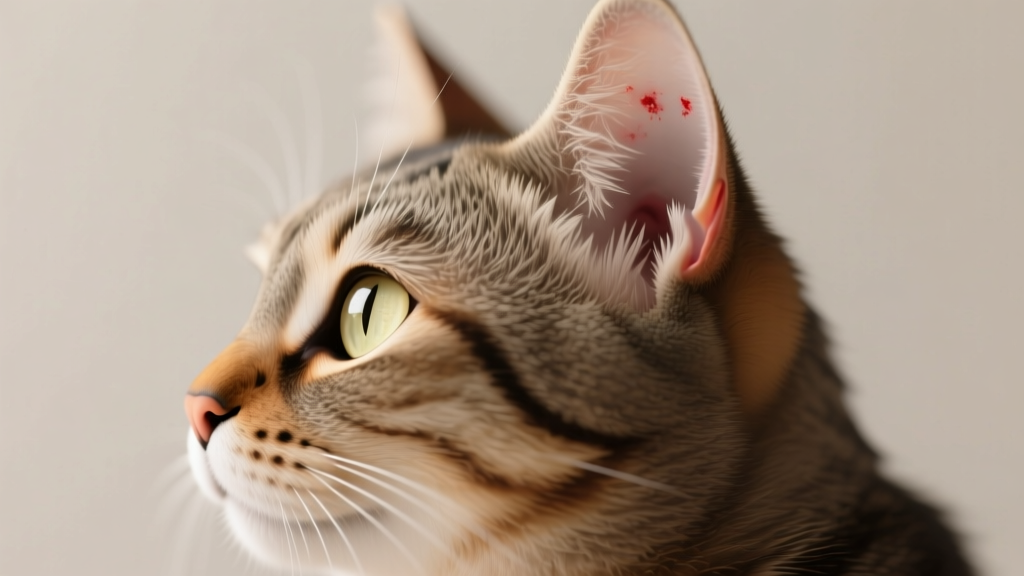
Cats rarely vocalize ear discomfort, making subtle behavioral cues critical. Watch for persistent head shaking (more than 3–5 times daily), excessive ear scratching that causes hair loss or scabs behind the ears, and a noticeable odor—often described as yeasty or musty. A 2022 study in Journal of Feline Medicine and Surgery found that 68% of cats with otitis externa exhibited asymmetrical ear discharge before diagnosis (Lloyd & Patel, 2022).
Red Flags Requiring Immediate Veterinary Attention
Seek emergency care if your cat shows vestibular signs: circling, head tilt greater than 15 degrees, nystagmus (involuntary eye movement), or sudden loss of balance. These may indicate progression to otitis media or interna. Also urgent: unilateral ear swelling exceeding 2 cm in diameter, bleeding from the ear canal, or lethargy lasting over 24 hours. Dr. Elena Ruiz at UC Davis Veterinary Medical Teaching Hospital reports that delayed treatment beyond 72 hours increases complication risk by 40% (Ruiz, 2023).
Senior Cats: Unique Vulnerabilities
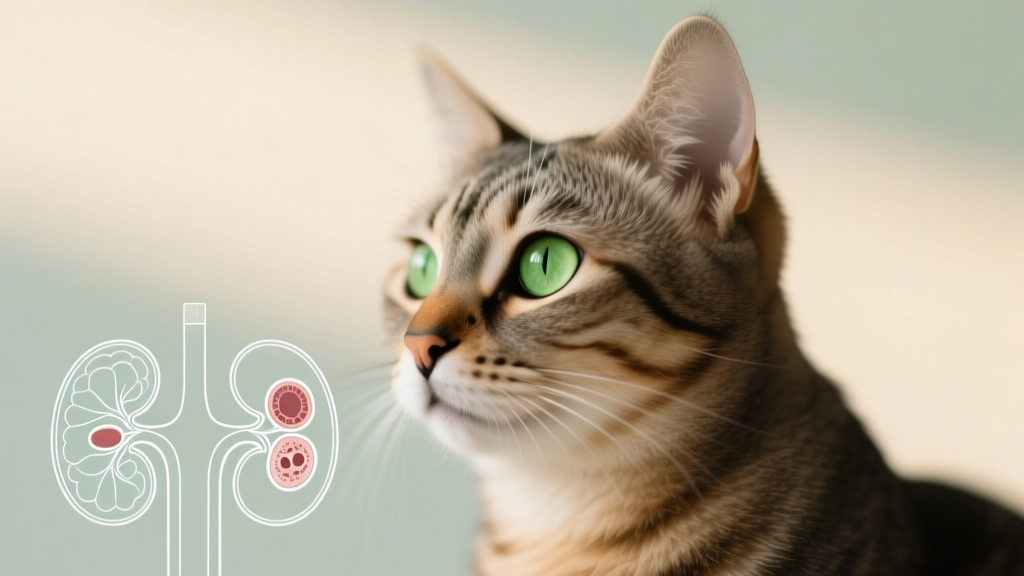
Sixteen-year-old Whiskers developed chronic ear inflammation after her annual bloodwork revealed elevated creatinine (2.1 mg/dL), signaling early kidney disease—a known contributor to immune dysregulation and secondary yeast overgrowth. Senior cats (11+ years) are 3.2× more likely to develop recurrent otitis due to decreased cerumen clearance and comorbid conditions like hyperthyroidism or diabetes mellitus (AVMA Feline Health Survey, 2021). Routine otoscopic exams every 6 months are recommended for this age group.
Diagnostic Process and Veterinary Tools
Vets use otoscopes with 3× magnification to visualize tympanic membrane integrity and collect samples. Cytology slides stained with Diff-Quik® identify Malassezia yeast (budding ovoid cells) or bacterial cocci. Culture is reserved for refractory cases—only 12% of first-time infections require it per Cornell Feline Health Center guidelines (2020). Digital otoscopes like the Wispr™ allow real-time imaging and teleconsultation, improving diagnostic accuracy by 27% in multi-cat households.
Prevention Strategies That Work
Weekly cleaning with Virbac Epi-Otic® Advanced (pH-balanced, alcohol-free) reduces recurrence by 55% in predisposed breeds like Scottish Folds. Avoid cotton swabs—can push debris deeper and perforate the eardrum. Keep ears dry post-bathing; use gauze squares instead of Q-tips. For outdoor cats, monthly ear mite prevention with selamectin (Revolution® Plus, FDA-approved since 2019) cuts infection risk by 71%. Environmental humidity above 60% correlates with 3× higher yeast colonization rates per University of Tennessee dermatology trial (2022).
Real-world example: Luna, a 3-year-old Siamese, presented with right-ear crusting and head tilting. Cytology confirmed Otodectes cynotis mites. After one dose of Revolution® Plus and ear flushes, symptoms resolved in 5 days. Her owner now performs biweekly inspections using a smartphone otoscope attachment.
Another case: Oliver, a 14-year-old domestic shorthair, had wax buildup and mild odor for 3 weeks. His vet discovered a polyp obstructing the horizontal canal during otoscopy. Surgical removal and topical triamcinolone resolved chronic inflammation—highlighting why routine checks matter even without overt pain behaviors.
"Cats mask ear pain exceptionally well. By the time they scratch relentlessly, the infection has often advanced beyond the external canal." — Dr. Sarah Kim, Board-Certified Veterinary Dermatologist, 2023
| Symptom | Typical Onset | Associated Pathogen | First-Line Treatment |
|---|---|---|---|
| Yellow-brown waxy discharge | Gradual (5–14 days) | Malassezia pachydermatis | Miconazole/clotrimazole ointment (Otibiotic®) |
| Blood-tinged discharge | Sudden (within 48 hrs) | Pseudomonas aeruginosa | Gentamicin/betamethasone drops (Mometamax®) |