Cat Cushing's Disease: Excess Cortisol Symptoms
1. Why this topic matters to cat owners
Cats are experts at masking illness. A subtle change—like a little extra thirst, a thinning coat, or a belly that looks rounder—can be easy to brush off as “getting older.” In some cases, those changes may point to a hormonal condition called Cushing’s disease (also known as hyperadrenocorticism), where the body produces too much cortisol.
Cushing’s disease is uncommon in cats, but when it happens it can seriously affect skin health, immune function, blood sugar, muscle strength, and overall comfort. The good news is that recognizing the warning signs and getting veterinary care early can improve quality of life and help you make informed decisions for your cat.
2. Overview: What is Cushing’s disease in cats?
Cushing’s disease occurs when a cat’s body is exposed to higher-than-normal levels of cortisol for a long period of time.
What cortisol does (in normal amounts)
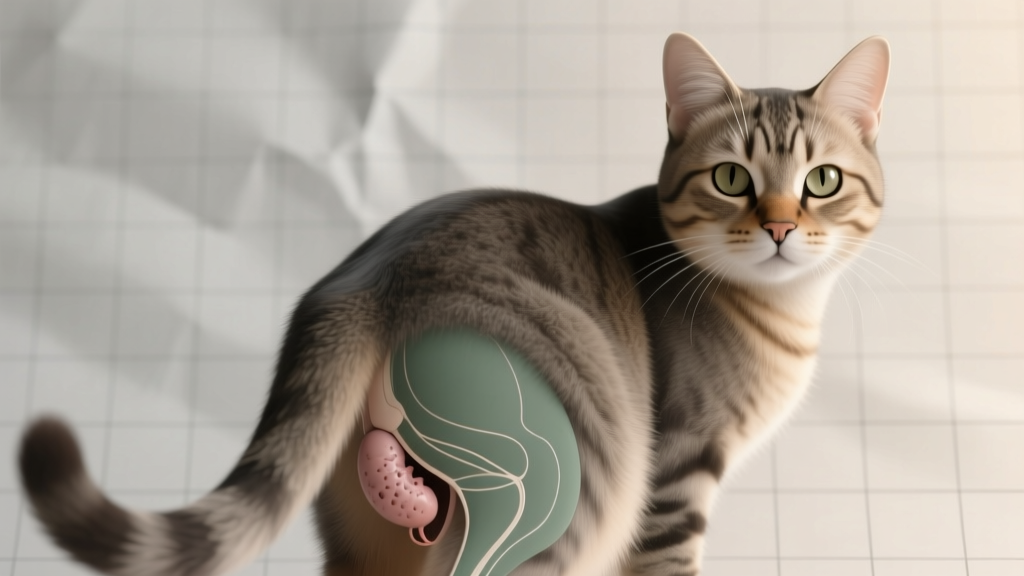
Cortisol is a natural steroid hormone made by the adrenal glands (two small glands near the kidneys). It helps the body:
- Respond to stress
- Regulate blood sugar
- Control inflammation
- Support blood pressure and circulation
- Influence skin and coat health
What happens when cortisol stays too high
Excess cortisol can cause a “wear and tear” effect throughout the body. Over time, it may:
- Thin the skin and weaken tissues
- Suppress the immune system (making infections more likely)
- Increase blood sugar and contribute to diabetes
- Break down muscle and lead to weakness
- Cause a pot-bellied appearance from muscle loss and fat redistribution
Types of Cushing’s disease
- Pituitary-dependent hyperadrenocorticism (PDH): The most common natural form. A small tumor in the pituitary gland (in the brain) produces too much ACTH, a signal hormone that tells the adrenal glands to make cortisol.
- Adrenal-dependent hyperadrenocorticism (ADH): A tumor in one adrenal gland produces excess cortisol directly.
- Iatrogenic Cushing’s (medication-related): Caused by long-term or high-dose steroid medications (like prednisolone, dexamethasone, or steroid injections) that mimic cortisol. This is preventable and an important reason to use steroids only under veterinary guidance.
3. Symptoms and warning signs to watch for
Cushing’s signs can look like other common conditions (especially diabetes, skin allergies, or aging changes). Many cats have a gradual onset of symptoms.
Common symptoms
- Increased thirst and urination (bigger clumps in the litter box, more frequent drinking)
- Increased appetite (begging, food-seeking behaviors)
- Pot-bellied appearance (round abdomen, sometimes with a sagging belly)
- Muscle weakness (less jumping, difficulty climbing, hind-end weakness)
- Lethargy or decreased interest in play
Skin and coat changes (very common in cats with Cushing’s)
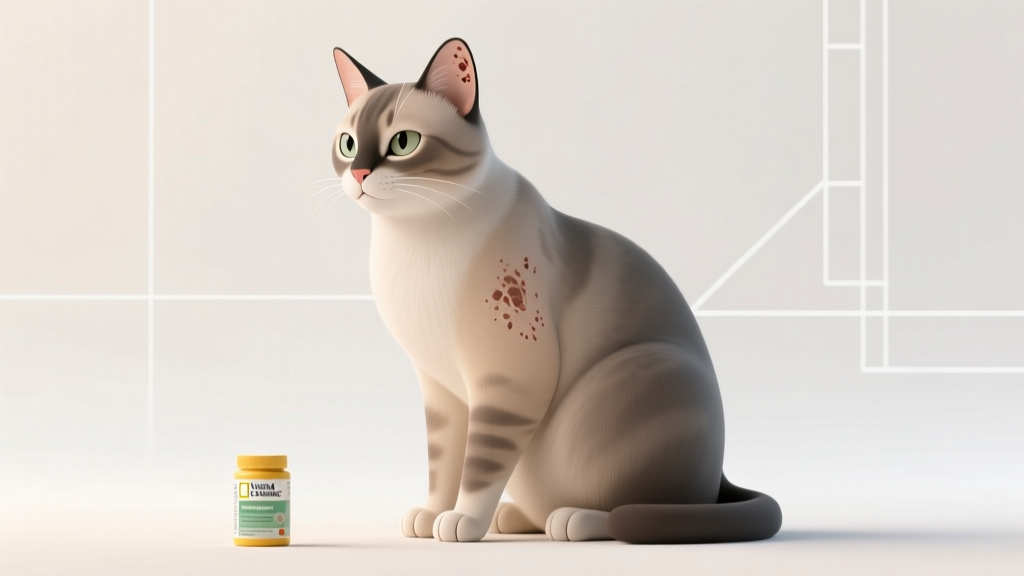
- Thin, fragile skin that tears easily
- Hair loss or thinning coat (often on the body more than the head/legs)
- Poor hair regrowth after shaving
- Bruising or visible blood vessels under the skin
- Recurrent skin infections (redness, odor, crusting, or sores)
Signs that may point to complications
- Signs of diabetes: weight loss despite good appetite, sticky urine, weakness, or sudden hind-leg walking low to the ground (diabetic neuropathy)
- Frequent infections: urinary tract infections, ear infections, slow wound healing
- Behavior changes: restlessness, hiding more, reduced tolerance for handling due to discomfort
Practical “at-home” checks you can start today
- Track water intake for a few days (measure how much you refill each day).
- Monitor litter box output (larger clumps, more frequent urination).
- Take monthly photos of your cat’s coat and body shape from the side and above.
- Note jumping ability (can your cat still reach favorite spots easily?).
- Check skin gently during petting for unusual thinness, scabs, or bruising—avoid tugging if the skin seems delicate.
If you notice a combination of increased thirst/urination plus skin fragility or a pot-bellied shape, schedule a veterinary appointment. These patterns are meaningful even if your cat otherwise seems “fine.”
4. Causes and risk factors
Cushing’s disease has different causes depending on the type.
Underlying causes
- Pituitary tumor (often benign, but hormonally active)
- Adrenal tumor (benign or malignant)
- Long-term steroid exposure (oral steroids, injections, or sometimes topical steroids used too often or over large areas)
Risk factors
- Middle-aged to senior cats are more commonly affected.
- Diabetes mellitus is frequently seen alongside Cushing’s in cats. In some cases, Cushing’s contributes to diabetes or makes it harder to control.
- Chronic steroid therapy for allergies, asthma, inflammatory bowel disease, or skin disease increases risk for medication-related Cushing’s.
Having a risk factor doesn’t mean your cat will develop Cushing’s, but it does mean subtle symptoms deserve a closer look.
5. Diagnosis methods and what to expect at the vet
Diagnosing Cushing’s in cats can be challenging. Your veterinarian will combine history, physical exam findings, lab work, and specialized hormone testing to get answers.
What your vet may ask
- Changes in drinking, urination, appetite, or weight
- Current or past steroid use (including injections months ago)
- Skin tearing, recurring infections, or slow healing
- Diabetes history or insulin needs
Common diagnostic steps
- Physical exam (body shape, muscle condition, skin quality, signs of infection)
- Bloodwork and urinalysis to assess liver values, glucose, cholesterol, infection, and urine concentration
- Urine culture if a urinary tract infection is suspected (cats with excess cortisol can get “silent” infections)
Specialized tests for Cushing’s
- Low-dose dexamethasone suppression test (LDDST): Measures cortisol response after a small steroid dose. This is often used in cats but requires timed blood draws over several hours.
- ACTH stimulation test: Assesses adrenal response to ACTH. It may be used, especially when iatrogenic Cushing’s is suspected, but can be less definitive for naturally occurring Cushing’s in cats.
- Abdominal ultrasound: Evaluates adrenal gland size and appearance, and looks for liver changes or other issues. It can help differentiate pituitary-driven vs adrenal tumor patterns.
- Advanced imaging (CT/MRI): Sometimes recommended to assess pituitary tumors or plan surgery.
Expect the process to take time. A stepwise approach is normal, and sometimes repeat testing is needed. If your cat has fragile skin, tell the clinic—gentle handling and careful restraint matter.
6. Treatment options (medical, surgical, home care)
Treatment depends on whether the cause is pituitary-related, adrenal-related, or medication-related, and whether your cat has complications like diabetes or infections. Your veterinarian may consult or refer you to an internal medicine specialist.
Medical management
- Trilostane: A commonly used medication that reduces cortisol production. It requires careful dosing and monitoring with repeat lab tests. Many cats need adjustments over time.
- Managing diabetes: If your cat has diabetes, insulin therapy, diet changes, and glucose monitoring may be needed. Successfully reducing cortisol can sometimes improve diabetic control.
- Treating infections: Antibiotics or antifungals may be prescribed based on cultures and skin/urine findings.
Surgical options
- Adrenalectomy (removal of an adrenal gland): May be recommended for adrenal tumors when feasible. This is specialized surgery with significant risks and requires an experienced surgical team.
- Pituitary surgery (hypophysectomy): Performed in limited specialty centers. It may be an option for pituitary-dependent cases, but availability varies.
Home care that supports treatment
- Medication routines: Give meds exactly as prescribed and never stop steroid medications abruptly unless your veterinarian instructs you to taper (sudden withdrawal can be dangerous).
- Skin protection: Use soft bedding, trim sharp nails (or use nail caps), and avoid rough play if skin is thin. Let your vet handle shaving or bandaging when possible.
- Nutrition: Follow your vet’s plan, especially if diabetes is present. Consistent feeding schedules are often important.
- Stress reduction: Keep a predictable routine and provide easy-access resting spots to reduce jumping strain.
- Monitoring at home: Track appetite, water intake, litter box output, body weight, and energy level. If your cat is diabetic, follow your vet’s glucose monitoring guidance.
7. Prevention strategies and early detection tips
You can’t prevent pituitary or adrenal tumors, but you can reduce risk from medication-related Cushing’s and catch problems earlier.
Actionable prevention and early detection
- Use steroids wisely: If your cat needs steroids, ask your veterinarian about the lowest effective dose, alternative treatments, and a taper plan.
- Schedule senior wellness exams: For older cats, routine bloodwork and urinalysis can reveal early changes before obvious symptoms appear.
- Don’t ignore “just drinking more”: Increased thirst is a classic early clue for several conditions (kidney disease, diabetes, hyperthyroidism, Cushing’s). It always warrants a vet visit.
- Address skin changes promptly: Recurrent infections, thinning coat, or easy bruising should be assessed.
- Keep a medication list: Bring a full list of current and past meds (including injections and supplements) to vet appointments.
8. Prognosis and quality of life considerations
The outlook for cats with Cushing’s varies. Factors include the underlying cause, whether diabetes or infections are present, and how well cortisol levels can be controlled.
- With treatment, many cats can have improved comfort, better skin health, and more stable energy and appetite patterns.
- Monitoring is ongoing: Expect periodic blood tests, possible hormone rechecks, and medication adjustments.
- Quality of life can be good when complications are addressed early and the household routine supports the cat’s mobility and skin safety.
For cats with severe skin fragility, uncontrolled diabetes, or significant tumor burden, treatment decisions may be more complex. Your veterinarian can help you weigh benefits, risks, and stress levels for your individual cat.
9. When to seek emergency veterinary care
Contact an emergency clinic or your veterinarian right away if you notice any of the following:
- Skin tearing or open wounds, especially if bleeding or painful
- Sudden collapse, extreme weakness, or unresponsiveness
- Labored breathing or blue/pale gums
- Persistent vomiting, refusal to eat for more than 24 hours, or signs of dehydration
- Signs of diabetic crisis (in a diabetic cat): profound lethargy, vomiting, rapid breathing, sweet/acetone breath odor
- Severe pain or a rapidly swollen abdomen
If your cat is on cortisol-lowering medication and seems suddenly ill, don’t wait—your vet may need to adjust treatment promptly.
10. FAQ: Common questions about feline Cushing’s disease
Can Cushing’s disease be cured in cats?
Some cases can be effectively resolved with surgery (such as removal of an adrenal tumor), but many cats are managed long-term with medication and monitoring. The goal is controlled cortisol levels and a comfortable, stable life.
Is Cushing’s the same as diabetes?
No. Cushing’s is excess cortisol. Diabetes is a problem with insulin and blood sugar regulation. Cushing’s can contribute to diabetes or make diabetes harder to control, so the two are often linked in cats.
My cat drinks a lot—does that mean Cushing’s?
Not necessarily. Increased thirst can be caused by kidney disease, diabetes, hyperthyroidism, urinary tract infection, certain diets, and other conditions. Because the causes range from mild to serious, schedule a veterinary exam and basic lab work to find the reason.
What does “thin, fragile skin” look like?
Owners often describe the skin as feeling papery or delicate. You may notice easy bruising, visible veins, scabs that appear with minimal trauma, or even skin tears during normal activities. If you suspect fragile skin, handle your cat gently and have your veterinarian examine them soon.
Can steroid shots cause Cushing’s disease?
Long-term or repeated steroid use can cause medication-related Cushing’s. A single injection is less likely, but risk depends on dose, frequency, your cat’s health status, and the type of steroid. Always tell your veterinarian about any steroid treatments your cat has received.
How often will my cat need monitoring after diagnosis?
It varies by treatment plan. Many cats need rechecks more frequently at the beginning (to fine-tune medication and check for side effects), then move to a maintenance schedule. Your veterinarian will recommend timing based on symptoms, lab results, and whether diabetes or infections are present.
If you suspect your cat may have signs of excess cortisol, schedule a veterinary appointment. Early evaluation is the kindest step you can take, and it often leads to more options and better comfort.
For more cat health guides, symptom check tips, and caring support for cat owners, visit catloversbase.com.