Cat Corneal Sequestrum: Dark Eye Lesion in Flat-Faced Cats
1. Why this topic matters to cat owners
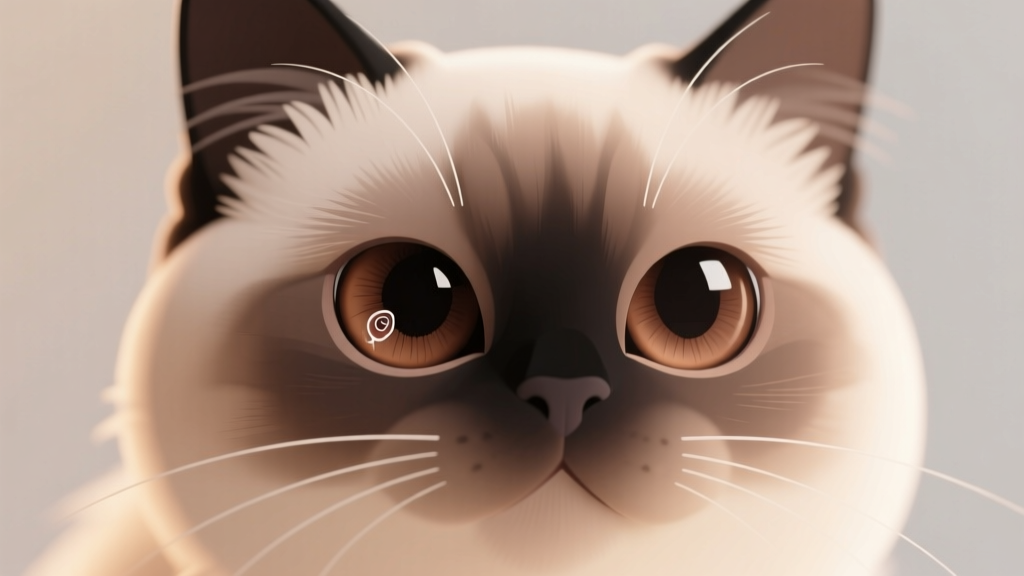
Few things worry cat owners faster than seeing a dark spot on a cat’s eye. When that spot looks brown or black and seems “stuck” to the clear surface of the eye, it can be frightening—especially if your cat is squinting or tearing. One condition that causes this appearance is corneal sequestrum, a problem seen most often in flat-faced (brachycephalic) breeds like Persians and Himalayans. It can be painful, and it can affect vision if it progresses, but many cats do very well with timely veterinary care.
This article explains what a corneal sequestrum is, what signs to watch for, how your veterinarian will diagnose it, and what treatment and home care usually look like—so you can act quickly and confidently if your cat develops a dark eye lesion.
2. Overview: What is a corneal sequestrum?
The cornea is the clear, dome-shaped surface at the front of the eye. It’s like a window that lets light in, and it’s richly supplied with nerves—so even small injuries can be very uncomfortable.
A corneal sequestrum happens when a portion of the cornea becomes damaged and the tissue dies (this is called necrosis). That dead corneal tissue turns a tan, brown, or black color and forms a plaque-like spot on the cornea. Over time, the body may try to “reject” and shed the dead tissue, but the process can be slow and painful. In some cats, the lesion can deepen and lead to a corneal ulcer or even perforation if severe.
Corneal sequestra are most common in:
- Persians
- Himalayans
- Exotics (Exotic Shorthairs)
- Burmese (in some regions)
That said, any cat can develop one—especially if they have chronic eye irritation or previous corneal ulcers.
3. Symptoms and warning signs to watch for
The hallmark sign is a dark spot on the cornea, but many cats show discomfort before the spot is obvious. Watch for:
- Brown/black or tan spot on the clear part of the eye (may look like a stain or scab)
- Squinting or keeping the eye partially closed
- Excess tearing or watery discharge
- Thick discharge (yellow/green) if infection is present
- Redness of the eye or eyelids
- Pawing at the face or rubbing the eye on furniture/carpet
- Light sensitivity (photophobia)
- Cloudiness or a bluish haze around the lesion
- Behavior changes such as hiding, decreased appetite, or irritability due to pain
Action you can take today: If you see a dark spot on your cat’s eye or persistent squinting/tearing for more than a few hours, schedule a veterinary exam promptly. Eye issues can worsen quickly, and early treatment is almost always easier than late treatment.
4. Causes and risk factors
Veterinary medicine doesn’t have a single universal cause for corneal sequestrum. Most cases are thought to result from chronic corneal irritation or repeated injury that prevents normal healing. Common contributors include:
- Corneal ulcers (current or previous)
- Feline herpesvirus type 1 (FHV-1), which can cause recurrent eye inflammation and ulcers
- Dry eye (reduced tear production) or poor tear film quality
- Eyelid or eyelash abnormalities (entropion, distichia) that rub the cornea
- Flat-faced conformation: prominent eyes, shallow eye sockets, and incomplete blinking can increase exposure and drying
- Chronic conjunctivitis (inflammation of the tissues around the eye)
- Trauma: scratches from rough play, plants, or accidental injury
Flat-faced cats are overrepresented because their facial structure can lead to:
- More corneal exposure (the eye surface dries more easily)
- More frequent minor abrasions
- Tear drainage issues that affect normal eye lubrication
5. Diagnosis: what to expect at the vet
Eye problems should be evaluated by a veterinarian as soon as possible. Diagnosis is usually based on appearance plus a few quick tests to assess the cornea’s health and rule out emergencies.
Your veterinarian may perform:
- Full eye exam with a bright light and magnification to evaluate the lesion’s size and depth
- Fluorescein stain test: a dye that highlights corneal ulcers (areas where the surface is missing). Sequestra may have an ulcer around or over them.
- Schirmer tear test to measure tear production (helps detect dry eye)
- Intraocular pressure check (tonometry) to rule out glaucoma or uveitis complications
- Eyelid/eyelash evaluation to look for hair rubbing the cornea
- Corneal culture or cytology in select cases if infection is suspected
If the case is complex, your vet may recommend a referral to a veterinary ophthalmologist. These specialists have advanced tools and experience for delicate eye surgeries and stubborn corneal disease.
6. Treatment options (medical, surgical, home care)
Treatment depends on lesion depth, your cat’s pain level, and whether there’s an ulcer or infection. Many cats require a combination of medications plus careful follow-up.
Medical management
Some small or superficial sequestra may be managed medically, especially if the cat is comfortable and the lesion is stable. Medical care often includes:
- Pain control (your veterinarian may prescribe oral pain meds or anti-inflammatory medications when appropriate)
- Topical antibiotic eye drops/ointment if an ulcer is present or infection risk is high
- Lubricating eye gels to protect the cornea and support healing
- Antiviral therapy if herpesvirus is suspected to be contributing (topical or oral, depending on the case)
- Atropine eye drops in some painful ulcer cases to relieve ciliary spasm (only under veterinary direction)
Medical management usually requires rechecks to ensure the lesion is not deepening.
Surgical treatment
Surgery is commonly recommended when the sequestrum is deep, painful, enlarging, or not improving with medical care. The most common procedure is a:
- Superficial keratectomy: the veterinarian removes the dead corneal tissue and any unhealthy surrounding cornea.
Because removing corneal tissue can leave a defect, surgeons often add a protective layer to support healing, such as:
- Conjunctival graft (a small piece of tissue from the eye’s lining)
- Corneal graft (in specialty settings)
- Third eyelid flap (less common today as a sole technique, but sometimes used for protection)
- Bandage contact lens in select cases
Surgery can look dramatic at first—especially with a conjunctival graft—but it’s often the fastest way to relieve pain and prevent serious complications.
Home care (what you can do safely)
Home care is a major part of recovery. Your veterinarian will tailor instructions, but common recommendations include:
- Use an e-collar if your cat rubs the eye (rubbing can cause a corneal rupture)
- Give medications exactly as prescribed and on schedule
- Wash hands before/after eye meds to reduce contamination
- Keep your cat indoors during healing to prevent trauma and dirt exposure
- Track changes daily: squinting, discharge amount, lesion size/color changes
Do not do these at home:
- Do not use human eye drops unless your veterinarian specifically approves them
- Do not use leftover pet medications from a previous eye issue
- Do not attempt to wipe or “pick off” the dark spot
- Do not delay care if your cat is squinting or the eye looks cloudy or swollen
7. Prevention strategies and early detection tips
Not every corneal sequestrum can be prevented, especially in predisposed breeds. The goal is to reduce chronic irritation and catch problems early.
- Schedule routine wellness visits, and ask your vet to check the eyes—especially for Persians/Exotics
- Address watery eyes and chronic discharge early; ongoing inflammation can set the stage for corneal damage
- Manage feline herpesvirus if your cat has recurrent flare-ups (your vet can discuss antivirals and supportive care)
- Use vet-recommended lubricating drops if your cat has exposure issues or dry eye
- Trim sharp nails (especially for cats who rub their face a lot)
- Reduce household eye hazards: sharp plant leaves, rough toys, cramped hiding spaces with protruding objects
- Watch for squinting—it’s often the earliest sign of corneal pain
Quick weekly check: In good light, look at both eyes from the front. They should be equally open, clear, and free of new spots. A subtle change in one eye is reason to call your vet.
8. Prognosis and quality of life considerations
The outlook is usually good when corneal sequestrum is treated appropriately. Many cats regain comfort quickly and maintain good vision, although some may have:
- Residual scarring (a faint haze or mark)
- Cosmetic changes if a graft was placed (often improves over time)
- Recurrence in the same or the other eye, especially in brachycephalic breeds or cats with herpesvirus
Quality of life is the most important measure. A painful eye can affect appetite, sleep, and behavior. Once discomfort is controlled—whether medically or surgically—most cats return to normal routines quickly.
Plan for follow-up. Eye conditions often need recheck visits to confirm healing, adjust medications, and prevent setbacks.
9. When to seek emergency veterinary care
Some eye signs indicate a higher risk of rapid deterioration or vision loss. Seek urgent or emergency veterinary care if you notice:
- The eye is suddenly closed or your cat cries out when the eye area is touched
- A rapidly growing or deepening dark lesion
- A white/blue haze that spreads across the cornea
- Bulging eye or significant swelling around the eye
- Blood in the eye or sudden, marked redness
- Thick yellow/green discharge plus squinting
- Suspected trauma (cat fight, scratch, fall) involving the eye
- Any sign the cornea may be perforated (fluid leakage, a “collapsed” look, or sudden change in eye shape)
If you’re unsure, call your veterinarian or an emergency clinic. It’s always better to have an eye evaluated promptly than to wait and risk a more serious outcome.
10. FAQ: Common questions about corneal sequestrum
Can a corneal sequestrum heal on its own?
Sometimes small, superficial sequestra may slowly slough off with medical management, but this can take weeks to months and may be uncomfortable. Many cases benefit from surgical removal to relieve pain and prevent deeper corneal damage. Your veterinarian can advise which approach is safest for your cat.
Is a corneal sequestrum contagious to other cats?
The sequestrum itself is not contagious. However, underlying contributors like feline herpesvirus can spread between cats (especially in multi-cat homes). If your cat has recurrent “pink eye” or respiratory signs, talk to your vet about herpes management and hygiene steps.
Will my cat go blind?
Most cats do not go blind from a corneal sequestrum, especially when treated early. Vision can be affected if the lesion becomes deep, perforates, or leads to severe scarring. Prompt veterinary care greatly improves the chance of preserving vision and comfort.
Why are flat-faced cats more likely to get this?
Flat-faced cats often have more exposed corneas, less effective blinking, and tear film issues. These factors can dry and irritate the cornea, making ulcers and chronic damage more likely—conditions that can contribute to sequestrum formation.
What does recovery look like after surgery?
Recovery typically includes several weeks of eye medications, an e-collar, and recheck visits. The eye may look red or uneven at first, especially with a graft, but comfort often improves quickly. Your vet will monitor healing and taper medications as the cornea strengthens.
Can it come back?
Yes, recurrence can happen, particularly in predisposed breeds or cats with ongoing herpesvirus or eye surface disease. Long-term management—like lubrication, controlling inflammation, and addressing eyelid issues—can reduce the risk. Regular eye checks help catch changes early.
If you notice a dark spot on your cat’s eye, persistent squinting, or increased tearing, schedule a veterinary exam as soon as you can. Eye conditions are painful, and early treatment is the best way to protect both comfort and vision.
For more caring, practical cat health guides and breed-specific tips, visit catloversbase.com.