Wave Cat: Water-Play Enthusiast Breed
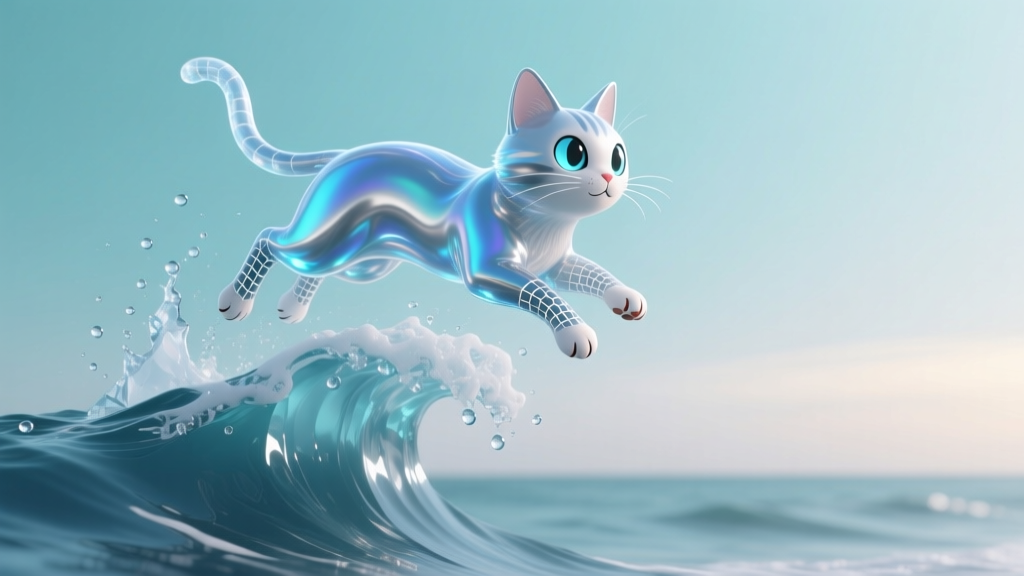
If you’ve ever wished your cat would actually join you at the sink instead of glaring from afar, the Wave Cat might be your dream companion. This is the cat that doesn’t just tolerate water—it treats it like a personal playground. Dripping faucets, swirling bathwater, a gently misted toy? That’s entertainment, not a threat.
The Wave Cat has earned a devoted following among cat enthusiasts who love an interactive, curious, “always part of the action” kind of feline. They’re known for their splashy antics, clever minds, and affectionate bond with their people—often forming a strong preference for one or two favorite humans while still being friendly with the whole household.
That said, there’s one big thing to clear up right away: despite the name, the Wave Cat is not a formally recognized pedigree in the way Maine Coons or Siamese are. In modern cat circles, “Wave Cat” is most often used as a nickname for water-loving cats—especially those with Turkish Van–like traits—or as a casual label for lines selected for bold, water-curious temperament. This guide pulls together what experienced breeders, rescue volunteers, and lifelong cat people commonly mean when they talk about a “Wave Cat,” so you can decide if this water-play enthusiast style of cat belongs in your home.
Breed History and Origin
Because the Wave Cat isn’t a standardized, registry-defined breed, its “origin story” is more of a type than a single origin point. Most Wave Cat descriptions trace back to naturally water-tolerant cats from regions where swimming or hunting near water made sense—and where people noticed certain cats didn’t mind getting wet.
Two influences show up again and again:
- Turkish Van influence: Often called “the swimming cat,” the Turkish Van is famous for its love of water and semi-long, water-resistant coat. Many cats described as Wave Cats resemble Van-like patterns and behavior.
- Coastal and lake-country landraces: In multiple parts of the world, local cat populations (not formal breeds) developed practical traits—athletic bodies, confident temperaments, and coats that handle damp conditions.
Today, “Wave Cat” is commonly used by:
- Owners describing a water-play enthusiast cat with a bold, curious personality
- Rescues highlighting a cat’s unusual interest in water
- Some small hobby programs selectively pairing cats for confident, people-oriented temperaments and a fondness for water play
If you’re researching Wave Cats as a potential pet, it helps to focus less on a rigid “breed standard” and more on the predictable cluster of traits: athletic build, high curiosity, strong play drive, and a genuine fascination with water.
Physical Characteristics
Wave Cats tend to look like agile athletes rather than compact couch potatoes. Many have a slightly longer body, strong hindquarters for jumping, and an alert, “ready to pounce” posture. Coat types vary, but a common theme is a coat that doesn’t seem to cling water the way some cats’ fur does.
| Feature | Typical Wave Cat Traits |
|---|---|
| Size | Medium to medium-large |
| Weight | About 8–16 lb (3.6–7.3 kg); males often larger |
| Body Type | Athletic, sturdy, longer than tall; strong shoulders and hindquarters |
| Coat Length | Short to semi-long; usually plush rather than wispy |
| Coat Texture | Often silky, dense, and somewhat water-resistant |
| Common Colors/Patterns | Wide range; frequently seen: bicolor “Van-style” pattern (color on head and tail), tabby, solid, tortoiseshell |
| Eyes | Expressive, often large; color varies (amber, green, blue, odd-eyed possible) |
| Distinctive Features | Confident stance, strong tail carriage, “busy paws” around water |
Coat and Colors
Because Wave Cat is a descriptor rather than a single pedigree, there’s no “official” color chart. Still, many water-loving cats that get called Wave Cats show:
- Bicolor patterns with most color concentrated on the head and tail
- Tabby striping (classic, mackerel, or spotted)
- Rich solids like black, cream, or gray/blue
Whatever the color, the feel of the coat is often what owners notice—more resistant to damp, and quicker to dry than you’d expect.
Personality and Temperament Traits
The Wave Cat temperament is where the magic lives. Think curious, playful, and people-engaged—often with a comedic streak. They’re the cats who supervise chores, “help” with dishes, and investigate every new sound like it’s their job.
Common Wave Cat personality traits include:
- Water fascination: Pawing at water bowls, hopping into empty tubs, chasing dripping water, and occasionally wading if introduced gently.
- High intelligence: Quick learning, strong pattern recognition (they’ll remember where you hide toys), and a talent for opening doors or cabinets.
- Interactive play drive: They crave play that involves you—wand toys, fetch, treat puzzles, and training sessions.
- Affectionate but not clingy: Many enjoy being near you, following you room to room, and requesting attention—on their schedule.
- Confident social style: Typically more outgoing than shy, especially with good early socialization.
Some Wave Cats “talk” more than average—chirps, trills, and little commentary sounds—especially when they’re inviting you to witness the faucet show they’ve arranged.
Health Considerations and Common Issues
Since Wave Cats are not a single closed gene pool, their health profile can be broader and, in many cases, quite robust. That said, any line with Turkish Van–like ancestry or similar body type may share a few tendencies. The best approach is to evaluate the individual cat, ask for veterinary records, and—if adopting from a breeder or small program—request health screening info.
Potential health considerations to be aware of:
- Dental disease: Common across many cats. Regular dental care and veterinary cleanings help.
- Obesity risk: Often lower due to activity, but can happen if play needs aren’t met or food is free-fed.
- Ear issues: Cats who play with water may be more prone to moisture-related ear irritation if water gets inside the ear canal.
- Joint strain from acrobatics: Their athleticism is a joy, but provide safe climbing options to reduce risky leaps from high, unstable surfaces.
- Hypertrophic cardiomyopathy (HCM): Seen in many cat populations; responsible breeders may screen with echocardiograms.
Vet tip for water-lovers: If your Wave Cat gets wet often, keep an eye out for skin irritation under dense fur, and gently towel-dry after big splash sessions.
Care Requirements (Grooming, Exercise, Diet)
Grooming
Wave Cat grooming depends on coat length. Many have short to semi-long coats that are relatively easy to maintain, but their dense fur benefits from routine brushing.
- Brushing: 1–2 times per week for short coats; 2–3 times per week for semi-long coats.
- Shedding seasons: Expect heavier shedding in spring/fall—add extra brushing to prevent hairballs.
- Nails: Trim every 2–4 weeks; water-play cats often use paws enthusiastically and can snag nails on fabrics.
- Ear care: Check weekly, especially if your cat splashes a lot. Use vet-approved ear cleaner only if recommended.
Exercise and Enrichment
This is a high-engagement cat type. If you want a cat who happily self-entertains all day, a Wave Cat may overwhelm you with “Let’s do something!” energy.
Enrichment ideas Wave Cats typically love:
- Faucet time (supervised): A slow trickle while you’re present can be a special treat.
- Water-safe toys: Floating balls, ping-pong balls in a dry tub, or toys in a shallow pan.
- Clicker training: Sit, high-five, spin, jump-through-hoop—many take to training quickly.
- Fetch: Some Wave Cats naturally retrieve; soft balls and toy mice work well.
- Vertical territory: Cat trees, wall shelves, and window perches for climbing and surveying.
Safety note: Avoid deep water, toilets with open lids, and unsupervised access to full bathtubs. Even water-confident cats can slip or panic if they can’t get secure footing.
Diet
Wave Cats burn energy fast when their play needs are met. Feed a high-quality diet that supports lean muscle and healthy skin/coat.
- Protein-forward nutrition: Look for animal protein as the first ingredient.
- Portion control: Split meals into 2–4 feedings to match their active metabolism and reduce begging.
- Hydration: Many Wave Cats love fountains—great for urinary health. Just keep fountains clean to avoid slime buildup.
- Treat strategy: Use treats for training and puzzle toys rather than freehand snacking.
Compatibility with Families, Children, and Other Pets
Wave Cats often shine in busy households because they enjoy interaction and novelty. Their ideal home is one where someone appreciates a cat that wants to be included in daily life.
- With children: Typically good with respectful kids, especially those who like to play. Teach children not to carry the cat to water “for fun”—Wave Cats choose water; they shouldn’t be forced.
- With dogs: Many do well with cat-friendly dogs. Introductions should be slow, scent-based, and supervised.
- With other cats: Often social, but their high energy can annoy calmer cats. Match them with confident, playful feline companions when possible.
- With small pets: Use caution. Their strong prey drive can be triggered by birds, rodents, or fish tanks.
Because they’re curious and bold, Wave Cats do best in cat-proofed homes: secured cabinets, safe window screens, and breakables moved away from “launch points.”
Pros and Cons of Owning This Breed Type
| Pros | Cons |
|---|---|
| Entertaining water-play behaviors that feel truly unique | May create messes around sinks, bowls, tubs, and fountains |
| Highly interactive, bonds strongly with people | Can become bored or mischievous without daily enrichment |
| Smart and trainable; often enjoys clicker training and puzzle toys | May “outsmart” household rules (opening doors, stealing toys) |
| Athletic and playful; great match for active cat owners | High energy can clash with very quiet homes or sedentary owners |
| Often social with visitors and adaptable to family life | Needs careful safety management around deep water and slippery surfaces |
FAQ: Wave Cat Basics
Are Wave Cats a real, officially recognized cat breed?
Most often, “Wave Cat” is a nickname for water-loving cats rather than a registry-recognized breed. People use it to describe a type—cats with bold, playful temperaments and a fascination with water, sometimes with Turkish Van–like traits.
Do Wave Cats actually swim?
Some will wade or paddle if introduced gently and safely, but not every Wave Cat will swim. Many are happy with shallow water play—pawing, splashing, and chasing floating toys—without fully getting in.
How do I encourage safe water play?
Use a shallow pan or a dry bathtub with a small amount of water, add floating toys, and supervise. Keep toilet lids closed, avoid deep water, and never force your cat into water.
Are Wave Cats good indoor cats?
Yes—often excellent indoor cats as long as they get enough stimulation: climbing space, interactive play, training, and puzzle feeding. Their curiosity means extra cat-proofing is helpful.
Do Wave Cats shed a lot?
Many have dense coats and can shed seasonally. Regular brushing helps manage hair and reduces hairballs, especially during spring and fall coat changes.
What’s the best home for a Wave Cat?
A home that enjoys an involved, playful cat—someone who doesn’t mind a bit of water splatter near the sink, provides daily interaction, and offers plenty of enrichment and vertical space.
Living with a Wave Cat: The Splashy Joy of an Engaged Companion
A Wave Cat brings a very specific kind of happiness: the kind that happens when you catch your cat “fishing” in the water bowl, proudly carrying a dripping toy down the hallway, or trotting into the bathroom like they’re there to supervise your entire routine. They’re bright, funny, affectionate, and wonderfully busy—an ideal match for cat lovers who want a true sidekick rather than a decorative pet.
If a water-play enthusiast cat sounds like your style, keep your eyes open at rescues, ask detailed questions about temperament, and prioritize a confident, people-friendly personality over labels. And when you’re ready to meet more incredible felines, explore more breed profiles on catloversbase.com—your next whiskered favorite might be waiting.