Valley Bobcat: California Inland Breed
If you’ve ever wished for a cat that captures the rugged, outdoorsy look of a bobcat while still being a loving, home-centered companion, the Valley Bobcat is the kind of breed story that stops you in your tracks. This California inland cat is often described as “wild-looking but wonderfully domestic”—a medium-to-large, athletic feline with a naturally bobbed tail, alert expression, and a personality that tends to stick close to its people.
There’s something especially charming about a breed tied so closely to a region. The Valley Bobcat is commonly associated with California’s inland valleys, where cat lovers favored hardy, capable mousers that also had a calm, family-friendly nature. Whether you’re a breed researcher, a devoted cat enthusiast, or someone considering a new companion, this guide will walk you through what makes the Valley Bobcat so memorable.
Quick clarity for readers: the “Valley Bobcat” is a regional-type name that may be used by some breeders and fanciers rather than a universally standardized, major-registry-recognized breed. Many cats described this way are selectively bred domestic cats with bobbed tails and a bobcat-like look—not wild hybrids. If you’re researching or adopting a “Valley Bobcat,” always ask for documentation, lineage details, and veterinary records.
Breed History and Origin
The Valley Bobcat is most often traced to the idea of a California inland working cat—a tough, adaptable domestic cat prized for pest control on farms, ranches, and rural properties. Over time, certain lines in the region became known for a consistent “bobcat vibe”: sturdy build, confident stance, tufted ears in some individuals, and a shortened tail.
Unlike long-established pedigree breeds with a single, clear origin story and decades of registry documentation, the Valley Bobcat is better understood as a regional inland type that enthusiasts may be working to standardize. In many cases, the bobbed tail trait comes from naturally occurring genetic mutations found in domestic cats. Selective breeding then reinforces the look—while responsible breeders focus on stable temperament and robust health.
Because the name can be used informally, you may see “Valley Bobcat” applied to cats that resemble several bobtailed or wild-looking domestic lines. The most consistent thread is this: people wanted a cat that looked adventurous, acted affectionate, and handled a busy household with confidence.
Physical Characteristics
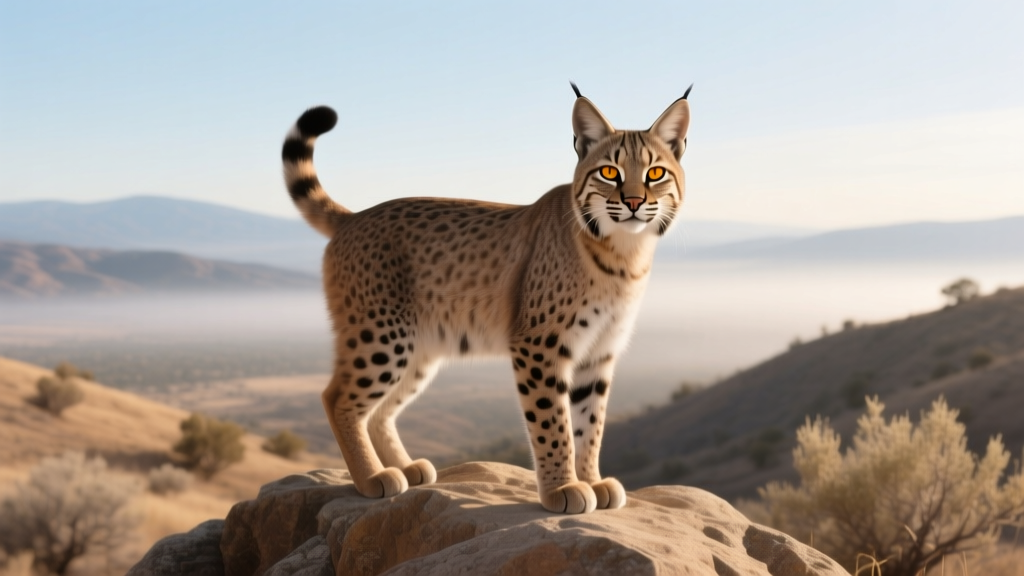
The Valley Bobcat is typically described as a muscular, athletic cat with an alert, slightly wild appearance—yet unmistakably domestic in behavior. Many have a naturally bobbed tail, sturdy legs, and an expressive face with strong cheekbones and wide-set eyes.
| Feature | Typical Valley Bobcat Traits |
|---|---|
| Size | Medium to large |
| Weight | Often 8–16 lbs (females commonly smaller; males often heavier) |
| Build | Solid, athletic, broad chest, strong hindquarters |
| Tail | Bobbed/short tail is common; length can vary from a “pom” to a partial tail |
| Coat | Often short to medium; some lines may carry plush, slightly thicker coats |
| Colors/Patterns | Frequently tabby patterns (brown, classic, mackerel, spotted), plus a range of domestic colors depending on lineage |
| Distinctive features | Alert ears (sometimes with tufts), bold facial markings, confident stance, “bobcat-like” expression |
Coat and Colors
Many Valley Bobcats are loved for their earthy, natural tabby looks—the kind of coat that seems perfectly at home against golden hills and oak-shaded valleys. Commonly mentioned patterns include:
- Brown tabby with rich striping and warm undertones
- Spotted tabby for a more “wildcat” effect
- Classic tabby with bold swirls
- Other domestic colors may occur depending on breeding (solid, bicolor, or other tabby variations)
That Signature Bobbed Tail
The bobbed tail is the headline feature and also the biggest reason you’ll want to ask good questions when meeting one. Tail length and flexibility can vary widely, and responsible breeders pay close attention to spinal health. A bobbed tail should not come with pain, stiffness, or mobility issues.
Personality and Temperament Traits
The Valley Bobcat reputation is built on a delightful contrast: wild looks, warm heart. Many owners describe these cats as people-oriented, curious, and confidently affectionate—often choosing to be near the action without being clingy.
Common temperament traits include:
- Social loyalty: tends to form strong bonds and follow favorite humans from room to room
- Playful intelligence: enjoys puzzle toys, hunting games, and interactive play sessions
- Brave but not reckless: usually confident in new spaces once introduced gently
- Chatty moments: some lines “talk” with soft chirps or short meows, especially when excited
- Watchful calm: many settle nicely after play and enjoy lounging in a sunny window
If you enjoy cats with a bit of “dog-like” presence—greeting you, participating in routines, learning simple games—the Valley Bobcat type often fits that vibe. Early socialization matters a lot, especially for kittens with high curiosity and energy.
Health Considerations and Common Issues
Because “Valley Bobcat” is often used for a type rather than a uniformly registry-defined breed, health profiles can vary. Still, there are a few practical, breed-keyword-related considerations that come up often with bobtailed, athletic cats.
- Spine and tail genetics: any naturally bobbed tail population warrants careful screening. Ethical breeders avoid extreme tail shortening and watch for spinal abnormalities.
- Joint and mobility support: athletic cats benefit from maintaining a lean body condition to reduce stress on hips and knees.
- Dental health: like most cats, they can be prone to tartar buildup without routine care.
- Weight management: even active cats can gain weight if indoor enrichment is lacking.
Ask breeders or rescues for:
- Veterinary records and vaccination history
- Any known congenital concerns in the line
- Details on tail flexibility and comfort (no sensitivity when handled)
- A general health guarantee (when applicable)
Care Requirements (Grooming, Exercise, Diet)
Grooming
Most Valley Bobcats have a coat that’s refreshingly easy to maintain. A simple routine keeps the coat sleek and reduces shedding around the house.
- Brushing: 1–2 times per week for short coats; 2–3 times per week for plusher coats
- Nail trims: every 2–4 weeks (more often for indoor cats)
- Dental care: daily brushing is ideal; even a few times weekly helps
- Ear checks: weekly glance for wax buildup or irritation
Exercise and Enrichment
This is an athletic, curious cat. A Valley Bobcat that doesn’t get enough stimulation may invent hobbies you didn’t approve—like redecorating your shelves at 2 a.m.
Great enrichment options:
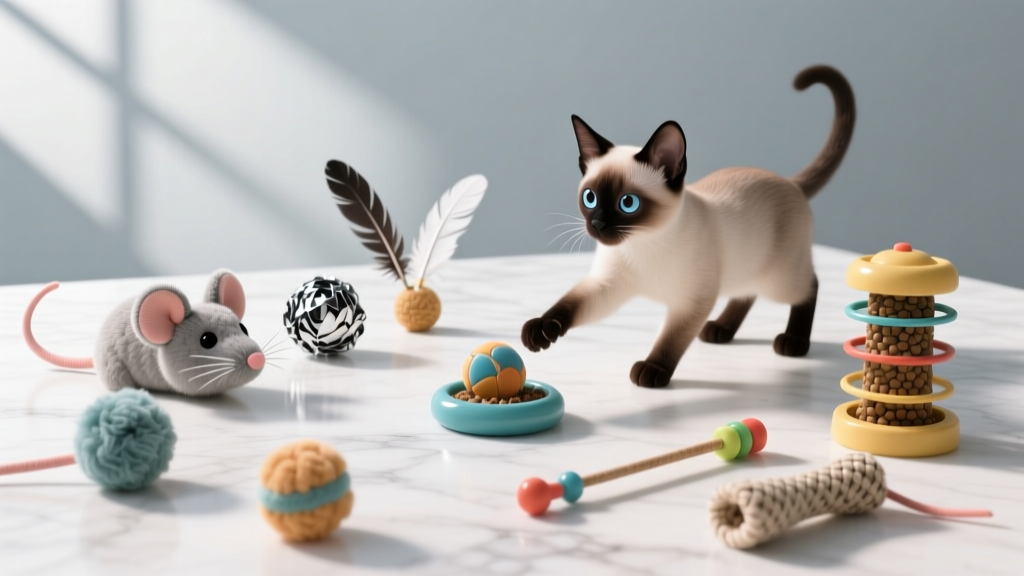
- Interactive wand play (10–15 minutes, 1–2 times daily)
- Puzzle feeders and treat mazes to channel hunting instincts
- Cat trees and climbing shelves for vertical territory
- Window perches for bird-watching
- Harness training (some take to it well with patient, gradual work)
Diet
A Valley Bobcat’s athletic build thrives on high-quality nutrition and portion control. Look for a diet centered on animal-based protein and tailored to life stage.
- Kittens: energy-dense food formulated for growth
- Adults: protein-forward recipes with measured portions to stay lean
- Hydration: wet food and/or a pet fountain can boost water intake
If your cat is exceptionally active (or if they’re more of a couch bobcat than a valley explorer), your vet can help you adjust calories appropriately.
Compatibility with Families, Children, and Other Pets
The Valley Bobcat is often described as a family-friendly companion when raised with good handling and predictable routines. They usually do best in homes that enjoy playtime and can offer consistent interaction.
- With children: typically good with respectful kids who understand gentle touch and give the cat space when needed. Supervise young children, especially around the tail.
- With dogs: can do well with cat-savvy dogs after a slow introduction. Confident cats often adapt faster, but patience is key.
- With other cats: many integrate well if introductions are gradual and each cat has separate resources (litter boxes, food stations, resting zones).
Because this breed type can be bold and playful, pairing them with a timid pet may require extra care—especially around food, toys, and high-value resting spots.
Pros and Cons of Owning a Valley Bobcat
| Pros | Cons |
|---|---|
|
|
FAQ: Valley Bobcat Cats
Is the Valley Bobcat a real bobcat hybrid?
Usually, no. Most cats called “Valley Bobcat” are domestic cats selectively bred (or naturally occurring) for a bobbed tail and wild-like look. Always ask for lineage documentation if someone claims wild ancestry.
How big does a Valley Bobcat cat get?
Many fall in the 8–16 lb range, with males often larger than females. Build is typically athletic and solid rather than delicate.
Do Valley Bobcats shed a lot?
Shedding varies by coat type and season, but many are moderate shedders. Weekly brushing usually keeps shedding manageable and helps reduce hair around the home.
Are Valley Bobcats good indoor cats?
Yes—especially when provided with vertical climbing space, puzzle toys, and daily interactive play. Some also enjoy supervised outdoor time on a harness or in a secure catio.
What should I look for when adopting a bobtailed cat labeled “Valley Bobcat”?
Prioritize health and temperament over looks. Ask about tail/spine comfort, request veterinary records, observe how the cat moves and jumps, and choose a source that supports proper socialization and responsible breeding practices.
Do Valley Bobcats get along with other pets?
Many do well with other cats and cat-friendly dogs, especially with slow introductions and enough resources for everyone. Their playful confidence can be a great match for social pets.
A Warm Sendoff for Future Valley Bobcat Fans
The Valley Bobcat is the kind of cat that makes people do a double-take—bold stance, bobbed tail, bright eyes—then wins them over with affectionate loyalty and playful charm. If you’re drawn to a California inland breed story and want a companion that’s equal parts adventurer and cuddle buddy, this is a wonderful type to research carefully and meet in person.
May your home be filled with happy chirps, spirited play sessions, and that unmistakable bobtailed swagger. When you’re ready for more feline inspiration, explore more breed profiles on catloversbase.com and discover the cat that fits your life perfectly.