Urals Rex: Siberian Curly-Coated Line
If you’ve ever wished for a cat that looks like it stepped out of a snow-dusted fairy tale—complete with a plush, rippled coat you can’t stop touching—the Urals Rex might steal your heart fast. This rare Russian curly-coated cat breed is one of those hidden gems: quietly adored by breed enthusiasts, still unfamiliar to many pet owners, and absolutely unforgettable once you meet one.
What makes the Urals Rex so special isn’t just the curls (though they’re spectacular). It’s the whole package: a balanced, athletic body; an expressive face; and a people-centered temperament that tends to feel “easy” in everyday life. Whether you’re a serious breed researcher or a potential owner looking for a loving companion with a unique coat, the Urals Rex offers a fascinating mix of natural history and snug-at-home charm.
Let’s get to know this Siberian curly-coated line—where it came from, what it looks like, what it’s like to live with, and whether it could be your next best friend.
Breed History and Origin
The Urals Rex is a naturally occurring rex (curly-coated) breed from Russia. As the name suggests, its roots trace to the Ural region—a vast area bridging Europe and Asia. Unlike some modern breeds created through deliberate crossbreeding, the Urals Rex developed from a natural genetic mutation that produced a distinctive wavy or curly coat.
Curly-coated cats have popped up in different places around the world, but the Urals Rex is its own line with a coat texture and curl pattern considered distinct from other rex breeds such as the Cornish Rex or Devon Rex. Reports of curly-coated cats in Russia date back decades, and organized breeding programs began later to preserve the trait and establish a consistent type.
Today, the Urals Rex remains rare internationally. You’ll see the breed referenced in cat fancier circles and in breed registries where it is recognized, but it’s still uncommon to find outside of Russia and nearby regions. For many cat lovers, that rarity is part of the appeal: owning an Urals Rex feels like discovering a little piece of cat history that hasn’t been widely commercialized.
Physical Characteristics
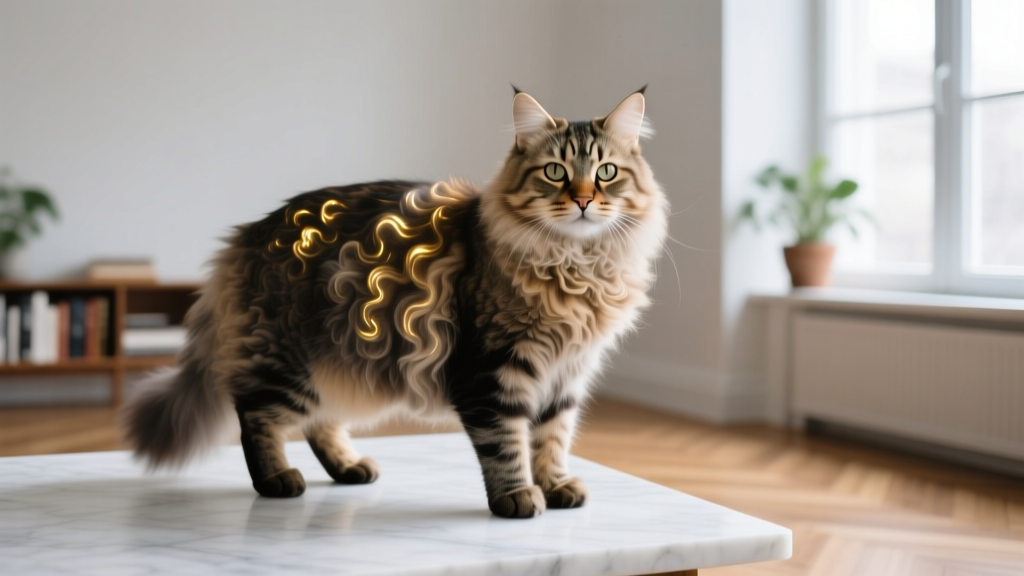
The Urals Rex is medium-sized and well-muscled, with an overall look that’s balanced rather than extreme. The star of the show is the coat—soft, springy, and clearly waved or curled, giving the cat a plush “teddy” vibe without being overly bulky.
| Feature | Typical Urals Rex Traits |
|---|---|
| Size | Medium (some individuals lean medium-small or medium-large depending on lineage) |
| Weight | Approximately 6–12 lbs (2.7–5.4 kg); males often larger than females |
| Body | Athletic, sturdy, proportionate; not fine-boned or ultra-slim |
| Head & Face | Moderate wedge with gentle contours; expressive features |
| Ears | Medium, set to complement the head; alert expression |
| Eyes | Large and expressive; color typically harmonizes with coat color |
| Coat | Distinct waves/curls; soft, elastic feel; can appear plush and dense |
Coat Type: The Signature “Rex” Curls
The Urals Rex coat is what most people remember. The curl pattern often appears as soft waves or ringlets, and the texture is typically described as springy, velvety, and plush. Many Urals Rex cats have a coat that invites constant petting—one stroke tends to turn into ten.
- Shorthaired Urals Rex: More common; curls are easy to see and feel, with a neat, rippled look.
- Longhaired Urals Rex: Less common; waves can look looser and more flowing, with a soft, tousled elegance.
Colors and Patterns
Urals Rex cats come in a wide range of colors and patterns, including solids, tabbies, and bicolors. Exact accepted colors can vary depending on registry standards, but generally you’ll find plenty of variety. When you’re browsing Urals Rex kittens, you’ll often notice that the curls add extra dimension to any color—tabby striping can look especially beautiful with that rippled texture.
Distinctive Features
- Plush, wavy coat with a unique “Ural” curl character
- Balanced, athletic build suited for climbing and play
- Expressive eyes that give a warm, engaged look
Personality and Temperament Traits
If you’re drawn to breeds that enjoy human company without being relentlessly demanding, the Urals Rex often fits that sweet spot. While individual personalities vary (as with all cats), Urals Rex cats are widely appreciated for being affectionate, social, and adaptable.
Common temperament themes owners mention:
- People-oriented: Many Urals Rex cats like to be near you—on the sofa, in the same room, or supervising your daily routines.
- Playful but not chaotic: They tend to enjoy interactive play, puzzle toys, and gentle games.
- Curious and bright: Often quick to learn household patterns and even simple tricks.
- Even-tempered: Typically not overly skittish when socialized well; can handle normal home noise better than some sensitive breeds.
They’re the kind of cat that can happily star in your life without needing to be the center of the universe every second—though they absolutely won’t refuse extra cuddles.
Health Considerations and Common Issues
Because the Urals Rex is a naturally developed breed and not the result of extreme body-type selection, it’s generally considered robust. Still, every breed (and every individual cat) can face health issues, and responsible ownership starts with realistic expectations.
Potential health considerations include:
- Skin and coat sensitivity: Some rex-coated cats can be more prone to dry skin or irritation if over-bathed or groomed too aggressively.
- Ear wax buildup: Rex breeds sometimes produce more ear wax; regular gentle ear checks help prevent issues.
- Dental health: Like many cats, they can develop tartar or gum inflammation without routine dental care.
- Weight management: Their plush coat can hide extra pounds—keeping an eye on body condition is smart.
The best protection is working with an ethical breeder who prioritizes health and temperament, plus keeping up with routine veterinary care. Ask about health screening practices, vaccination protocols, and what the breeder has observed in their lines over time.
Care Requirements (Grooming, Exercise, Diet)
Grooming: Protect the Curls
The Urals Rex coat is low-shedding for many households, but “low-shedding” doesn’t mean “no care.” The goal is to keep the coat healthy and the curl pattern intact.
- Brushing: Use a soft brush or grooming glove occasionally. Over-brushing can disrupt the curl structure and cause frizz.
- Bathing: Only as needed. Frequent baths can dry out the skin and dull the coat texture.
- Ear care: Check weekly; clean gently if recommended by your vet.
- Nail trims: Every 2–4 weeks, depending on growth and scratching habits.
Exercise and Enrichment
The Urals Rex typically enjoys play and movement but doesn’t always demand constant activity. A home that supports climbing and interactive time is ideal.
- Daily wand-toy sessions (10–15 minutes can go a long way)
- Cat trees and wall shelves for vertical territory
- Puzzle feeders for mental stimulation
- Rotating toys to keep things interesting
Diet and Feeding Tips
Feed the Urals Rex like you would any athletic, medium-sized cat: a high-quality, protein-forward diet suited to age and activity level.
- Kittens: More frequent meals; nutrient-dense kitten formula recommended by your vet.
- Adults: Measured portions to maintain a lean body condition.
- Seniors: Diet adjustments for mobility, dental changes, or kidney support as recommended.
Because their coat can hide body shape, do a hands-on check regularly: you should be able to feel ribs with light pressure and see a defined waist from above.
Compatibility with Families, Children, and Other Pets
For many households, the Urals Rex is a lovely fit—especially when properly socialized and introduced thoughtfully.
- Families: Often thrives in homes where someone is around and willing to engage.
- Children: Usually does well with respectful kids who understand gentle handling and cat body language.
- Other cats: Many Urals Rex cats are social and can enjoy feline companionship, particularly if introduced slowly.
- Dogs: Can coexist with calm, cat-savvy dogs. Early introductions and safe escape routes are key.
As with any breed, the individual cat’s personality and early experiences matter as much as genetics. A confident, well-raised Urals Rex often adapts beautifully to multi-pet homes.
Pros and Cons of Owning an Urals Rex
| Pros | Cons |
|---|---|
| Striking curly coat with a plush feel | Rare breed; finding ethical breeders can take time |
| Affectionate, social temperament | May dislike long periods alone if strongly people-bonded |
| Generally manageable grooming needs | Coat/skin can be sensitive to over-grooming or frequent baths |
| Balanced energy: playful yet home-friendly | Some lines may require more ear care (wax buildup checks) |
| Great conversation-starter for breed enthusiasts | Less common outside Russia, so support resources may be limited locally |
FAQ: Urals Rex Cats
Are Urals Rex cats hypoallergenic?
No cat is truly hypoallergenic. The Urals Rex may shed less than some breeds, which can help certain people, but allergies are usually triggered by proteins (like Fel d 1) in saliva and skin. If you have allergies, spend time with the breed before committing.
How much grooming does an Urals Rex need?
Usually moderate-to-low grooming. Occasional gentle brushing and regular ear/nail care are often enough. Avoid over-brushing to keep the curls looking their best.
Is the Urals Rex the same as Cornish Rex or Devon Rex?
No. While all are rex (curly-coated) breeds, the Urals Rex is a distinct breed with its own genetic background and coat character. Their look and texture can differ from Cornish or Devon lines.
Do Urals Rex cats like to be held?
Many do enjoy cuddling and close contact, but it depends on the individual cat and how they were socialized. They often prefer being near you and included, even if they’re not always a “pick-me-up” cat.
How rare is the Urals Rex?
Compared to many popular breeds, the Urals Rex is quite rare, especially outside Russia and surrounding regions. Expect waitlists and careful screening from reputable breeders.
What kind of home is best for an Urals Rex?
A home that offers companionship, gentle playtime, and cozy resting spots is ideal. They do well in apartments or houses as long as they have vertical space, enrichment, and people time.
A Warm Goodbye (For Now)
The Urals Rex is the kind of cat breed that makes you pause mid-pet and smile—because that coat is so delightfully different, and the cat attached to it is often just as lovable. If you’re looking for a rare curly-coated companion with a friendly, family-compatible nature and a naturally developed history rooted in Russia’s Ural region, this Siberian curly-coated line deserves a spot on your shortlist.
If you enjoyed meeting the Urals Rex, you’ll find plenty more whiskered wonders waiting for you—come explore more breed profiles on catloversbase.com.