Turkish Angora: The Swimming Cat
Silky, sparkly-eyed, and full of mischief, the Turkish Angora has a way of turning an ordinary home into a stage. One minute they’re perched like royalty on the highest shelf, and the next they’re trotting over with a chirp, insisting you admire their latest “find” (which may or may not be your missing hair tie). This breed is elegant in looks, but wonderfully bold in spirit.
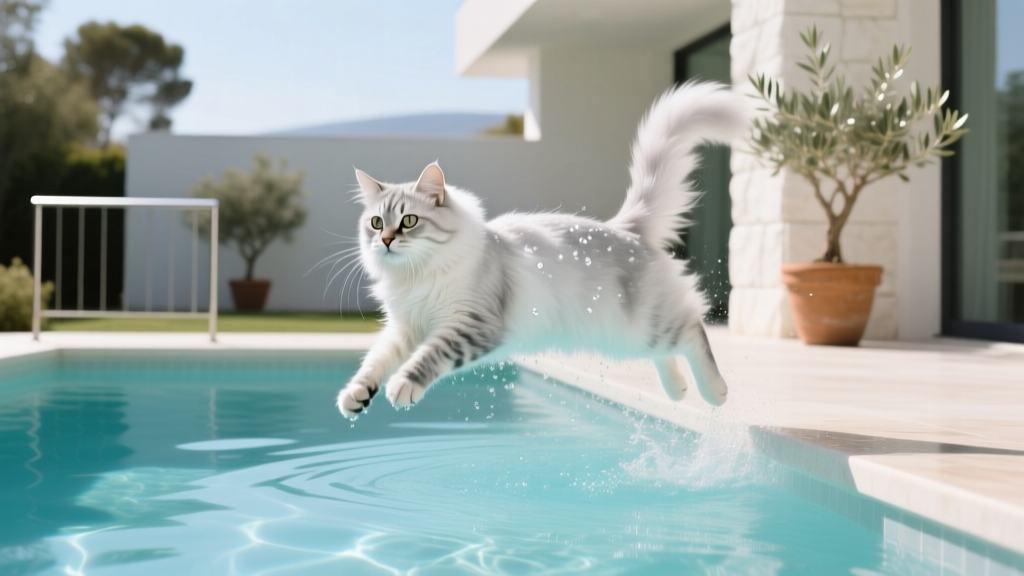
And yes—this is the cat with a well-earned reputation for being fascinated by water. While not every Angora will cannonball into the bathtub, many are unusually curious about faucets, sinks, dripping hoses, and even swimming. That water-loving streak is part of the Turkish Angora’s charm: they’re playful, confident, and always ready to investigate whatever you’re doing.
If you’re researching Turkish Angora cats because you want an affectionate companion with brains, beauty, and a dash of “helpful” chaos, you’re in the right place. Let’s explore what makes this breed such a treasured feline personality—both in their homeland of Türkiye and in cat-loving homes around the world.
Breed History and Origin
The Turkish Angora is one of the oldest natural cat breeds, originating in Türkiye (historically known as Turkey). The breed’s name comes from Ankara, formerly Angora, a region long associated with animals prized for fine coats (like Angora rabbits and goats). Turkish Angoras developed naturally, shaped by climate and geography rather than deliberate crossbreeding.
For centuries, these cats were admired for their refined appearance and soft, flowing coats. Historical records suggest Turkish Angoras were introduced to Europe several hundred years ago and became highly sought-after—especially the striking white cats that were associated with prestige and beauty.
Modern breed preservation is closely connected to breeding programs in Türkiye, including efforts to protect and maintain the Turkish Angora as a distinct national treasure. In the cat fancy world, the Turkish Angora was recognized by major registries (exact timelines vary by organization), and today the breed is appreciated in a wide range of colors—not only white.
Physical Characteristics
The Turkish Angora is the definition of “fine-boned elegance,” but don’t mistake that for fragility. They’re athletic, agile, and surprisingly powerful jumpers. Their body is long and slender with a graceful line, and their coat floats rather than clings.
| Feature | Typical Turkish Angora Traits |
|---|---|
| Size | Medium (often appears larger due to coat and plume tail) |
| Weight | Approx. 5–10 lbs (2.3–4.5 kg); females often smaller |
| Body Type | Long, lean, fine-boned, athletic |
| Coat | Single coat (often minimal undercoat), silky, medium to long length |
| Tail | Long and plumed, often carried like a feather duster |
| Head & Ears | Wedge-shaped head; large, high-set ears with a alert expression |
| Eyes | Large, almond-shaped; can be blue, green, amber, or odd-eyed |
Coat and Colors
One reason Turkish Angora cats look so glamorous is their silky, flowing coat. Unlike many longhaired breeds, Angoras typically have a single coat (less undercoat), which can mean less matting and a coat that feels like fine satin.
- Classic look: White Turkish Angora (famous worldwide)
- Other colors: Many registries accept a broad range of colors and patterns, including black, blue, red, cream, tabby, tortoiseshell, and bicolor varieties
- Distinctive feature: Their coat often changes seasonally—lighter in warmer months, fuller in winter (especially the ruff and tail)
Distinctive Features You’ll Notice Right Away
- Plume tail that looks like it belongs in a fairytale
- Elegant posture and long legs built for sprinting and leaping
- Expressive eyes—including the beloved odd-eyed look (one blue, one amber/green)
- Feather-light movement that makes them seem like they glide across the floor
Personality and Temperament Traits
If you want a cat that blends affection with confidence, the Turkish Angora is a standout. These cats are social, intelligent, and interactive. Many bond closely with their favorite person and like being involved in everyday routines—laundry, cooking, emails, and yes, bathroom visits.
Common Turkish Angora personality traits include:
- People-oriented: Often follows you around like a fluffy shadow
- Playful into adulthood: They don’t “grow out of” fun easily
- Smart and curious: Learns patterns quickly (including how to open doors or cabinets)
- Confident: Typically not shy about meeting guests
- Talkative in a charming way: Many chirp, trill, and “comment” rather than constantly yowl
Why Are Turkish Angoras Called “Swimming Cats”?
Turkish Angoras have a reputation for enjoying water more than the average cat. Some will paw at running taps, join you near the shower, or play in a shallow tub. A few truly do take to swimming if introduced safely and gently. Their curious nature, fearless attitude, and love of interactive play all contribute to this watery fascination.
That said, every cat is an individual—your Turkish Angora might be a faucet supervisor, not a full-on swimmer.
Health Considerations and Common Issues
Turkish Angoras are generally considered a healthy, robust natural breed with a good lifespan, often reaching the mid-teens with quality care. Still, responsible research matters, especially if you’re working with a breeder.
Potential health considerations seen in the breed include:
- Congenital deafness: More commonly associated with some white cats, especially those with blue eyes (or sometimes odd eyes). Not all white Turkish Angoras are deaf, but it’s a known risk.
- Hypertrophic cardiomyopathy (HCM): A heart condition seen in many cat breeds. Reputable breeders may screen breeding cats via echocardiograms.
- Dental health issues: Like many cats, they benefit from dental care and regular checkups.
What to ask breeders or rescues:
- Any history of HCM in the line?
- For white kittens, have hearing checks been done (behavioral or veterinary testing)?
- What vaccinations, parasite prevention, and veterinary records are provided?
Care Requirements (Grooming, Exercise, Diet)
Grooming
The Turkish Angora’s coat looks high-maintenance, but it’s often easier than you’d expect because of the minimal undercoat. Regular grooming keeps it glossy and reduces shedding around your home.
- Brushing: 1–2 times per week; increase during seasonal coat changes
- Comb for detail: A metal comb helps check behind ears, under “armpits,” and around the tail base
- Nails: Trim every 2–4 weeks
- Ears: Check weekly for wax/debris; clean only if needed and vet-approved
- Teeth: Brush regularly (even a few times a week helps); dental treats can supplement but shouldn’t replace brushing
Exercise and Enrichment
Turkish Angoras are energetic and athletic. If they don’t get enough stimulation, they’ll invent their own entertainment—often involving high places and forbidden objects.
- Interactive play: Wand toys, fetch games, feather teasers (10–20 minutes daily)
- Climbing: Tall cat trees, wall shelves, window perches
- Puzzle feeders: Great for mental exercise and slowing fast eaters
- Water play (optional): A drippy faucet-style fountain or a shallow pan with floating toys
Diet
There’s no single “Turkish Angora diet,” but their lean, active bodies do best with high-quality, protein-forward nutrition. Talk with your veterinarian about portions based on age, activity level, and whether your cat is spayed/neutered.
- Protein first: Look for named animal proteins as primary ingredients
- Wet food benefits: Helps support hydration (especially valuable for cats who don’t drink much)
- Healthy weight: Keep an eye on body condition—Angoras should look sleek, not bony or padded
- Treats: Use strategically for training and bonding; avoid overdoing it
Compatibility with Families, Children, and Other Pets
Turkish Angoras are often wonderful family cats, especially in homes that enjoy an engaged, playful companion. They tend to do best with people who appreciate a cat that wants to participate in life rather than nap all day in solitude.
- With children: Usually good with respectful kids who understand gentle handling. They enjoy play, but they won’t love being grabbed or carried constantly.
- With other cats: Often social, especially when introductions are done slowly. Many enjoy a feline playmate with similar energy.
- With dogs: Can do well with calm, cat-savvy dogs. Confident Angoras may even try to “boss” a friendly dog.
- Home environment: A stimulating space with vertical territory is ideal; they love to observe from above.
Because Turkish Angoras can bond strongly, they may become unhappy if left alone too long without enrichment. If you work long hours, consider a second pet, extra interactive toys, and predictable play sessions when you’re home.
Pros and Cons of Owning a Turkish Angora
| Pros | Cons |
|---|---|
| Stunning silky coat with an elegant, athletic build | High intelligence can mean mischief (cabinet opening is a real talent) |
| Affectionate and people-focused; often very social | May demand attention and get bored in low-interaction homes |
| Playful, energetic, and fun to train | Needs daily enrichment and climbing space |
| Coat often easier to maintain than many longhaired breeds | Seasonal shedding can still be noticeable |
| Unique water curiosity in many individuals | White/blue-eyed individuals may have higher deafness risk (depends on the cat) |
FAQ: Turkish Angora Cats
Do Turkish Angora cats really like water?
Many do show more water-curiosity than the average cat—playing with faucets, splashing in a sink, or supervising showers. Actual swimming varies by individual, but their “swimming cat” nickname comes from this breed’s frequent fascination with water.
Are Turkish Angoras hypoallergenic?
No cat breed is truly hypoallergenic. Turkish Angoras may be easier for some allergy sufferers to live with, but allergies are usually triggered by proteins in saliva and skin (not just fur length). If allergies are a concern, spend time with the breed before committing.
How much grooming does a Turkish Angora need?
Typically 1–2 brushing sessions per week, with extra grooming during seasonal coat changes. Their silky coat often mats less than heavily undercoated longhair breeds, but regular combing keeps it tangle-free and beautiful.
Are Turkish Angora cats cuddly?
They’re affectionate and people-oriented, but “cuddly” can look different from cat to cat. Many prefer being near you (or on you) on their terms—think lap visits, shoulder perching, and sleeping close by.
Do Turkish Angoras get along with other pets?
Often yes, especially with proper introductions. Their confidence and playfulness can make them great companions for other cats and even cat-friendly dogs, as long as everyone has space and boundaries.
What’s the typical lifespan of a Turkish Angora?
Many Turkish Angoras live into the mid-teens, and some longer, with good nutrition, indoor living, preventive vet care, and a safe, enriched environment.
A Warm Sendoff for Future Turkish Angora Families
The Turkish Angora is a gorgeous mix of grace and gusto: a cat who can look like a cloud on tiptoe and act like a fearless explorer five minutes later. If you’re looking for a bright, interactive companion who might “help” you at the sink and zoom up the cat tree like an acrobat, the Turkish Angora is easy to adore.
Want to meet more amazing breeds and find the perfect match for your home? Explore more breed profiles on catloversbase.com.