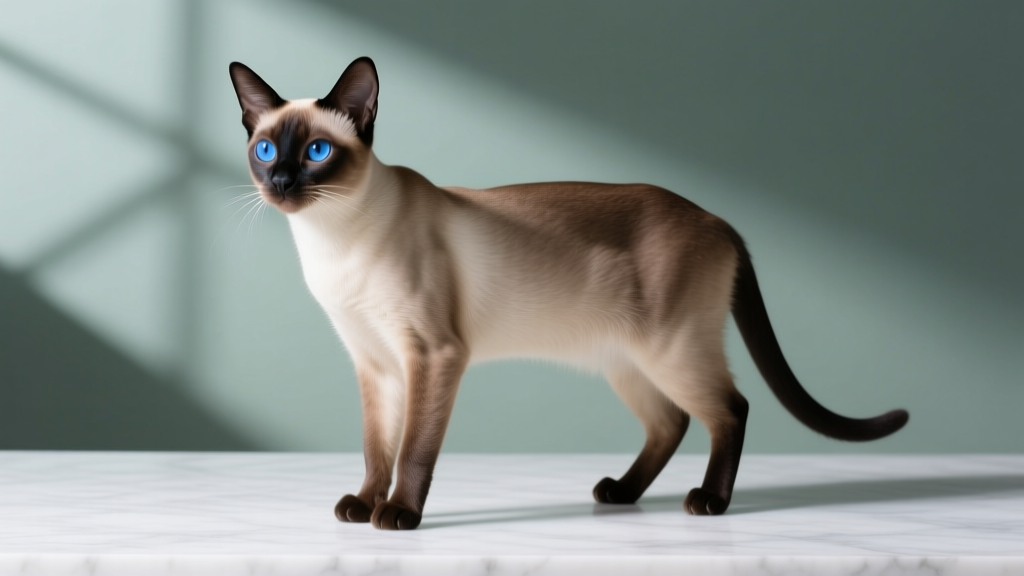
Thai Cat: Original Siamese Body Type
If you’ve ever fallen for the charm of the Siamese—but wished for the classic, moderate “old-style” look—you’re going to adore the Thai cat. Often described as the Original Siamese body type, the Thai brings together an elegant but sturdy build, a sweetly rounded head, and that unmistakable colorpoint coat that looks like it was painted on by nature itself.
But this breed isn’t just about looks. Thai cats are famously people-centered, talkative in the best way, and emotionally tuned in to their humans. They’re the kind of cat who follows you from room to room, supervises every chore, and insists on being part of the conversation—whether you asked for commentary or not.
For cat enthusiasts, breed researchers, and anyone considering a devoted companion, the Thai cat offers a wonderful blend of history, beauty, and personality. Let’s get to know the cat that many consider the living link to the traditional Siamese of the past.
Breed History and Origin
The Thai cat traces its roots to Thailand (formerly Siam), where colorpoint cats were admired for centuries. Historical references to pointed cats appear in Thai manuscripts and artwork, and these cats were considered special companions. When Siamese cats were introduced to the West in the late 1800s, the early imports tended to have a more moderate body type—rounded head, substantial (but not cobby) body, and a balanced overall look.
As cat fancy trends shifted through the 20th century, the Western show-standard Siamese evolved toward a more extreme, ultra-slender body and wedge-shaped head. Many cat lovers still cherished the original form and temperament of the earlier Siamese style. That love helped shape the modern Thai cat breed: a purposeful effort to preserve and standardize the traditional Siamese type—not a new invention, but a recognized continuation of a classic.
Today, Thai cats are recognized by several cat registries as a distinct breed (separate from the modern Siamese in many organizations). They’re often described with keywords you’ll see repeated by fanciers: moderate, muscular, rounded, and balanced. If your mental picture of “Siamese” is a friendly, apple-headed (or gently rounded) cat with a plush short coat and deep blue eyes, you’re already picturing something very close to the Thai.
Physical Characteristics
The Thai cat is a medium-sized, athletic breed with a satisfyingly solid feel when you pick them up. They’re not delicate, and they’re not bulky—just nicely muscled with graceful lines.
| Trait | Typical Thai Cat |
|---|---|
| Size | Medium |
| Weight | About 7–12 lb (3–5.5 kg); males often larger |
| Body Type | Moderate, muscular, “old-style Siamese” balance |
| Head | Rounded with gentle contours; not extreme wedge |
| Eyes | Blue, often vivid; expressive and slightly rounded |
| Coat | Short, close-lying, sleek with a soft sheen |
| Pattern | Colorpoint (darker “points” on face, ears, legs, tail) |
Coat, Colors, and Points
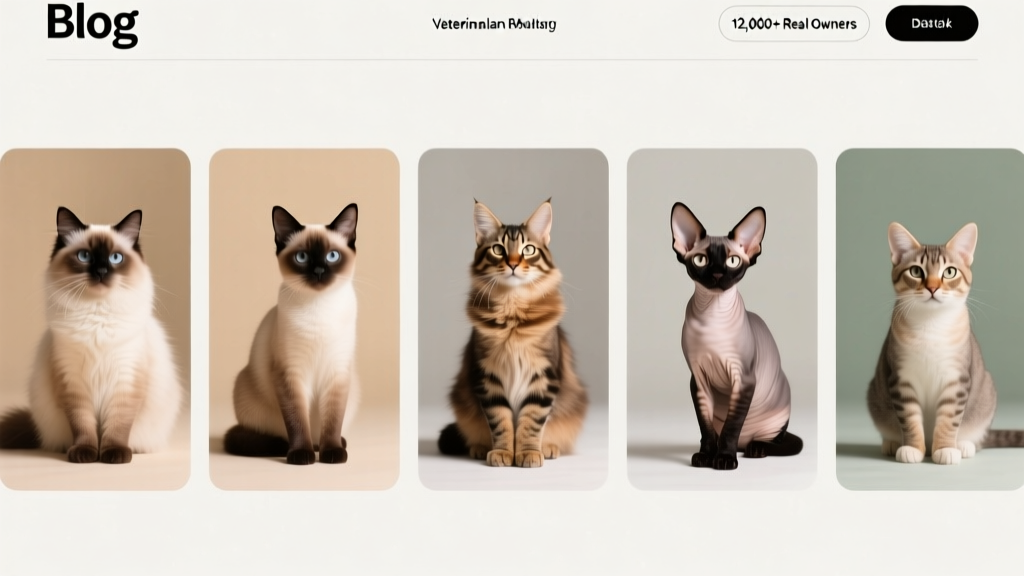
The Thai cat wears the iconic colorpoint pattern: a lighter body with darker coloring on the “cooler” parts of the body—mask, ears, legs, and tail. This pattern is linked to temperature-sensitive pigmentation, which is why kittens are often born pale and develop their points over time.
- Common point colors: Seal point, blue point, chocolate point, lilac point
- Also seen (depending on registry and lines): Red point, cream point, tortie points, tabby (lynx) points
- Eye color: Blue is a hallmark for colorpoint breeds, and Thai cats are prized for rich, clear blue eyes
Distinctive Features
- Moderate, sturdy elegance: A cat that feels athletic, not fragile
- Rounded head shape: Softer contours compared to the modern Siamese wedge
- Expressive face and voice: They “talk” with both eyes and sound
- Sleek short coat: Low-maintenance and touchably smooth
Personality and Temperament Traits
If you’re looking for a cat who feels like a true companion, the Thai cat rarely disappoints. They’re affectionate, interactive, and bright—often forming strong bonds with their favorite people (and frequently deciding the whole household is their favorite).
- Social and people-focused: Many Thai cats want to be where you are, doing what you’re doing.
- Chatty and expressive: Like their Siamese relatives, they often communicate with a wide range of vocalizations.
- Playful and clever: Expect problem-solving, curiosity, and a love of games.
- Emotionally intuitive: They tend to notice moods and may seek you out for cuddles or “help.”
- Not a loner breed: Long stretches alone can lead to boredom or clinginess.
Thai cats commonly thrive in homes that enjoy an interactive pet. If your dream cat is a quiet roommate who politely keeps to themselves, the Thai might be a little too involved in your daily schedule. If you want a cat who greets you at the door and holds full conversations, welcome home.
Health Considerations and Common Issues
Thai cats are generally robust, especially compared to some extremely refined body types. Still, as with many purebred and Siamese-related cats, certain health concerns can appear. Responsible breeders screen for hereditary issues and prioritize sound structure and overall vitality.
Potential health considerations include:
- Dental disease: Like many cats, they can be prone to tartar buildup and gingivitis without dental care.
- Respiratory sensitivity: Not as commonly linked to the Thai as to some extreme head types, but upper respiratory issues can affect any cat.
- Heart concerns (breed lines vary): Some lines in Siamese-related populations may have higher rates of cardiac conditions; ask breeders about screening and family history.
- Progressive retinal atrophy (PRA) or eye issues: Genetic testing and careful breeding help reduce risk.
- Obesity risk if under-stimulated: Thai cats love food and companionship; boredom can become snacking.
Because the Thai is a colorpoint breed, you may also hear about cross-eyes or tail kinks historically associated with older Siamese lines. These traits were once more common and are less desired today; reputable breeding programs aim for healthy structure and clear vision.
Care Requirements (Grooming, Exercise, Diet)
Grooming
The Thai cat’s short coat is a dream for busy cat parents. A quick weekly brush (or even a gentle grooming mitt) helps remove loose hair and keeps the coat glossy.
- Brushing: 1x per week (more during seasonal shedding)
- Nails: Trim every 2–4 weeks
- Ears: Check weekly; clean only if needed with vet-approved products
- Teeth: Ideally brush several times a week (daily is gold-standard)
Exercise and Enrichment
Thai cats are athletic and mentally busy. They do best with daily play and a home environment that lets them climb, perch, and investigate.
- Interactive play: 10–20 minutes, 1–2 times daily (wand toys, chase games)
- Climbing options: Cat trees, wall shelves, window perches
- Puzzle feeders: Great for slowing down meals and keeping the brain engaged
- Training: Many Thai cats enjoy clicker training, learning tricks, and harness practice
Diet
Feed a high-quality, complete diet appropriate for your cat’s life stage (kitten, adult, senior). Thai cats can be enthusiastic eaters, so portion awareness matters.
- Protein-forward foods: Cats are obligate carnivores; prioritize animal-based proteins.
- Wet food benefits: Helps hydration and can support urinary health.
- Measured meals: Helps prevent weight gain, especially for indoor cats.
- Treats: Keep to under 10% of daily calories.
For any Thai cat with a sensitive stomach or recurring digestive issues, your veterinarian can help you choose a diet plan and rule out food intolerances.
Compatibility with Families, Children, and Other Pets
The Thai cat is often a fantastic fit for social households. They tend to love being included and usually handle respectful attention well.
- With families: Excellent for families who want an involved, affectionate cat
- With children: Often very good, especially with kids who understand gentle handling
- With dogs: Many Thai cats do well with cat-friendly dogs after a slow introduction
- With other cats: Often thrives with a feline friend, especially if the home is empty during the day
The biggest compatibility factor isn’t other pets—it’s time and attention. A Thai cat who gets regular interaction will usually blossom. A Thai cat left alone with nothing to do may invent their own entertainment (which can look a lot like “creative mischief”).
Pros and Cons of Owning This Breed
| Pros | Cons |
|---|---|
| Affectionate, loyal, highly people-oriented | Can become lonely or vocal if under-stimulated |
| Classic Siamese look with a moderate, sturdy build | Needs daily interaction and play |
| Intelligent and trainable (puzzles, tricks, harness) | Curiosity can lead to mischief if the home isn’t enriched |
| Low-maintenance short coat | May be prone to dental issues without routine care |
| Often good with kids and other pets | Not ideal for someone wanting an independent “hands-off” cat |
FAQ: Thai Cat (Original Siamese Body Type)
Is the Thai cat the same as a Siamese?
They’re closely related, but not always considered the same breed in modern registries. The Thai cat is recognized as the traditional or original Siamese body type—moderate, muscular, and rounded—while the modern Siamese in many show standards is more elongated with a sharper wedge head.
How big do Thai cats get?
Most Thai cats are medium-sized, typically around 7–12 pounds (3–5.5 kg). Males are often larger and more muscular, while females may be slightly smaller and lighter.
Do Thai cats meow a lot?
Many do! Thai cats are known for being vocal and communicative. They often “talk” to their people, especially when greeting you, asking for playtime, or offering their opinion about dinner.
Are Thai cats good indoor cats?
Yes—Thai cats usually do very well indoors as long as they get enough enrichment: climbing spaces, window views, interactive toys, and daily play. Many also enjoy leash-and-harness training for safe outdoor adventures.
What colors do Thai cats come in?
Thai cats are colorpoint cats, meaning they have darker “points” on the face, ears, legs, and tail. Common point colors include seal, blue, chocolate, and lilac, with other point variations possible depending on bloodlines and registry rules.
Do Thai cats get along with other pets?
Often, yes. Their social nature means they can do well with other cats and cat-friendly dogs, especially with proper introductions and enough resources (multiple litter boxes, feeding stations, and safe resting spots).
Warm Signoff
The Thai cat is a beautiful reminder that “classic” never goes out of style. With their original Siamese body type, mesmerizing blue eyes, and affectionate, talkative personality, they bring a rare mix of elegance and everyday companionship. If you want a cat who feels like a true partner—curious, cuddly, and always nearby—the Thai might just be your perfect match.
If you enjoyed this breed profile, you’re warmly invited to explore more cat breed guides and companions-in-the-making over on catloversbase.com.