Cascade Lynx: Pacific Northwest Hybrid
If you’ve ever wished your house cat could look like it just stepped out of a misty Pacific Northwest forest—tufted ears, bold spots, and that “I know secrets” gaze—the Cascade Lynx will steal your heart fast. This is a hybrid-style, wild-look domestic cat with a personality that leans more “devoted companion” than “untouchable wilderness.” Think: rugged beauty on the outside, cuddle-bug potential on the inside (with a dash of mischievous intelligence).
Cat lovers are drawn to the Cascade Lynx for the same reason we’re drawn to mountain trails and coastal evergreens: it feels like nature, brought closer. It’s also a breed type surrounded by curiosity—partly because “Cascade Lynx” is used by enthusiasts to describe cats bred for a lynx-like appearance in the Pacific Northwest region, and partly because there’s ongoing confusion between look-alike lines, regional programs, and similarly named “lynx” cats.
This profile celebrates what cat owners most want to know: what a Cascade Lynx is in practice, what it tends to be like to live with one, and what questions you should ask before bringing home a kitten that promises big-wild-cat looks in a domestic package.
Breed History and Origin
The term Cascade Lynx is most commonly associated with a Pacific Northwest–inspired hybrid look—a domestic cat type selectively bred to resemble North American wildcats like the bobcat (often nicknamed “lynx” in casual conversation). Depending on the breeder or program, “Cascade Lynx” may be used to describe:
- Regional breeding lines developed in Washington/Oregon/British Columbia with a focus on tufted ears, spotted coats, and athletic builds
- Hybrid-adjacent domestic cats (wild-look cats) bred from domestic lines, sometimes with claims or rumors of wild ancestry
- Lookalike cats that share traits with established wild-look breeds (like Pixie-bob types, bobtailed domestic lines, or spotted domestic shorthairs)
For accuracy: there is no universally recognized, single global registry standard for a “Cascade Lynx” in the way there is for long-established pedigreed breeds. That doesn’t make Cascade Lynx cats “not real”—it simply means the name is often used as a breed label or line name rather than a standardized, widely registered breed category. If you’re researching a Cascade Lynx kitten, the most reliable path is to look at the individual breeder’s documented lineage, health practices, and temperament goals.
What’s consistent across many Cascade Lynx descriptions is the aim: a domestic, family-friendly cat with the Pacific Northwest wildcat vibe—ear tufts, bold patterning, strong bone, and an alert, outdoorsy charisma.
Physical Characteristics
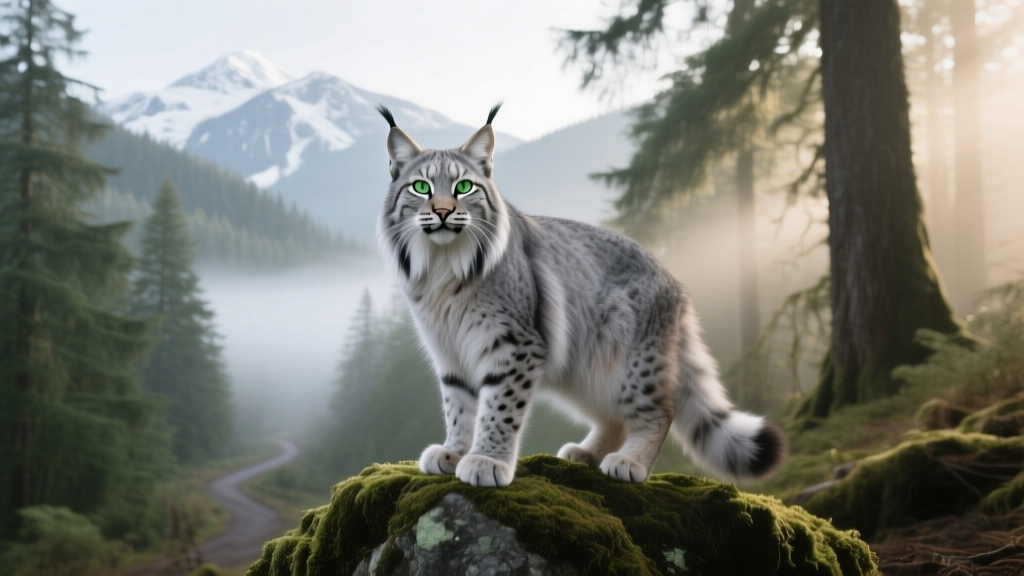
The Cascade Lynx is prized for its “small wildcat” silhouette: sturdy body, confident stance, and expressive face framed by ear tufts and sometimes prominent cheek fluff. Because this is often a line-based type, appearance can vary. Still, many Cascade Lynx cats share a familiar set of traits.
| Trait | Typical Range | Notes |
|---|---|---|
| Size | Medium to large | Often heavier-boned than the average domestic cat |
| Weight | 8–18 lbs (3.6–8.2 kg) | Males commonly larger; some lines produce extra-big cats |
| Body Type | Athletic, sturdy, slightly rectangular | Wide chest, strong shoulders, agile movement |
| Coat Length | Short to medium; some semi-long | Seasonal coat changes are common in thicker-coated lines |
| Coat Texture | Plush to slightly coarse | Weather-resistant feel in some cats |
| Colors/Patterns | Spotted, rosetted-like spotting, ticked, tabby; brown/black/blue/red variants | “Lynx” patterning often refers to tabby striping and spotting |
| Eyes | Gold, green, hazel; sometimes blue in select lines | Large, alert eyes add to the wild expression |
Distinctive Features
- Ear tufts (the classic “lynx tips”) are a hallmark and a major reason people seek this type.
- Bold facial markings, often with tabby “mascara” lines and strong brow ridges.
- Spotted or broken-mackerel patterns that read as bobcat-like from a distance.
- Tail variety: most are full-tailed, though some lines may include naturally shorter tails—ask breeders for clarity.
- Big paws and a steady, grounded stance that screams “trail companion.”
Keyword note for researchers: You may see Cascade Lynx cats described with terms like “lynx-point,” “lynx tabby,” or “bobcat look.” “Lynx-point” is a color pattern (tabby striping on a colorpoint background) and doesn’t necessarily indicate a Cascade Lynx line.
Personality and Temperament Traits
Owners who love the Cascade Lynx often talk about the “dog-like” side: following you from room to room, learning routines quickly, and wanting to be part of everything. Many are confident without being overbearing—curious, observant, and a little playful in that clever, problem-solving way.
Common Cascade Lynx temperament themes include:
- Social and people-oriented: Many bond closely with their favorite humans.
- Smart and busy-minded: Puzzle toys, training sessions, and new play routines help prevent boredom.
- Confident explorers: They often like high perches and window watching—especially if birds visit your yard.
- Playful into adulthood: Expect extended “kitten energy” in some lines.
- Communicative: Some are chatty; others are quiet but expressive with body language.
Because “Cascade Lynx” can represent different lines, temperament can vary more than with tightly standardized breeds. A reputable breeder should be able to describe their cats’ typical personality and match you with a kitten suited to your household.
Health Considerations and Common Issues
Most Cascade Lynx cats are domestic cats with selective traits, which can be a plus for overall genetic diversity—if breeders prioritize health, testing, and responsible outcrossing. The flip side is that health consistency depends heavily on the program.
Potential concerns to discuss with a breeder and your veterinarian:
- Hypertrophic cardiomyopathy (HCM): Common across many cat populations; ask if breeding cats receive echocardiogram screening.
- Dental disease: Particularly if a cat has crowded teeth or if home dental care is skipped.
- Obesity: Their sturdy build can hide weight gain. Portion control matters.
- Patellar luxation (kneecap issues): Not guaranteed, but worth asking about joint health in the line.
- Coat/skin sensitivity: Sometimes tied to diet, grooming products, or environmental allergens.
What “accurate details” look like here: There is no single, published medical profile unique to a universally standardized Cascade Lynx breed. Treat health claims carefully, and prioritize breeders who can show veterinary documentation for their adult cats and who provide a written health contract.
Care Requirements (Grooming, Exercise, Diet)
Grooming
Most Cascade Lynx coats are fairly easy-care, but the plush, dense varieties can shed like a tiny fur factory—especially in spring and fall.
- Brushing: 1–2 times per week for short coats; 2–3 times per week for medium/semi-long coats
- Nail trimming: Every 2–4 weeks
- Dental care: Daily brushing is ideal; dental treats and water additives can help (but don’t replace brushing)
- Ear checks: Weekly, especially if ear tufts trap debris
Exercise and Enrichment
This is not a “decorative” cat. A Cascade Lynx typically thrives with structured play and places to climb.
- Interactive play (wand toys, fetch-style games) 15–20 minutes daily, often split into two sessions
- Vertical space: Tall cat trees, wall shelves, window hammocks
- Puzzle feeders: Excellent for smart, food-motivated cats
- Harness training: Many do well with patient, reward-based training—great for safe outdoor “adventures”
Diet
Feed the cat in front of you: age, activity level, and body condition should drive your plan. Many Cascade Lynx owners do best with a high-protein, meat-forward diet that supports lean muscle.
- Protein-first wet food is often helpful for hydration and weight management.
- Measured portions prevent “sturdy” from turning into “overweight.”
- Omega-3s (vet-approved) can support coat quality and skin comfort.
- Fresh water via a fountain can encourage drinking—especially in active cats.
Compatibility with Families, Children, and Other Pets
A well-socialized Cascade Lynx can be a fantastic family cat: engaged, playful, and confident in a lively home. Like any smart, active cat, they do best when humans respect boundaries and provide outlets for energy.
- With children: Often good with cat-savvy kids who understand gentle handling. Teach “no grabbing, no chasing.”
- With dogs: Many adapt well to calm, cat-friendly dogs, especially if introduced slowly and given escape routes (baby gates, shelves).
- With other cats: Usually fine, particularly if personalities match. Slow introductions reduce stress.
- With small pets: Use caution. A wild-look cat may have a strong prey drive. Secure housing for birds/rodents is non-negotiable.
If you’re choosing a kitten, ask the breeder which kittens are more laid-back versus high-octane. The “right fit” matters more than the flashiest coat.
Pros and Cons of Owning a Cascade Lynx
| Pros | Cons |
|---|---|
| Wild, bobcat-like look with domestic-cat companionship | Not a universally standardized, widely registered breed—quality varies by breeder |
| Often social, smart, and interactive | Can become bored or mischievous without enrichment |
| Usually moderate grooming needs | Heavier shedding possible with plush coats |
| Great candidates for clicker training and harness work | High energy in some lines—may overwhelm very quiet households |
| Sturdy, athletic build; fun playmate | “Sturdy” can hide weight gain—needs portion control and exercise |
FAQ: Cascade Lynx Cats
Is the Cascade Lynx a real breed?
“Cascade Lynx” is most often used as a breed type or line name for Pacific Northwest wild-look domestic cats rather than a single, globally standardized registry breed. Always evaluate the individual breeder’s documentation, health testing, and temperament track record.
Are Cascade Lynx cats part wild lynx or bobcat?
Most Cascade Lynx cats marketed to pet owners are domestic cats bred for a lynx-like appearance. If a seller claims wild ancestry, request clear, legal documentation and understand that wild hybrid regulations vary by location. Never assume “wild blood” based on looks alone.
How big does a Cascade Lynx get?
Many fall in the 8–18 lb (3.6–8.2 kg) range, with males often larger. Size depends on genetics, diet, and overall health.
Do Cascade Lynx cats shed a lot?
Shedding varies by coat type. Plush or medium coats can shed heavily during seasonal changes. Weekly brushing (or more during shedding season) helps keep fur under control.
Are Cascade Lynx cats good for first-time owners?
They can be, especially if you enjoy play, training, and daily interaction. If you prefer a very low-energy, hands-off pet, a high-drive Cascade Lynx may feel like “too much cat.”
What should I ask a Cascade Lynx breeder before buying?
- What health screenings do you do (HCM echo, genetic panels, fecal testing)?
- How are kittens socialized (kids, dogs, household noises)?
- What are the parents’ temperaments like?
- Do you provide a written health contract and spay/neuter agreement?
- What support do you offer after adoption?
Warm Sendoff
The Cascade Lynx is for the cat lover who wants that Pacific Northwest “mini wildcat” magic—tufted ears, bold patterning, and an alert, athletic presence—without giving up the joy of a domestic companion curled up on the couch. With the right breeder, good socialization, and a home that appreciates smart, playful cats, this wild-look hybrid-style kitty can be an absolute everyday adventure.
If you’re exploring the world of unique cats—from spotted wild-look companions to classic lap cats—come browse more breed profiles and feline guides at catloversbase.com. Your next favorite whiskered obsession might be waiting there.