Scottish Fold: The Owl-Faced Feline
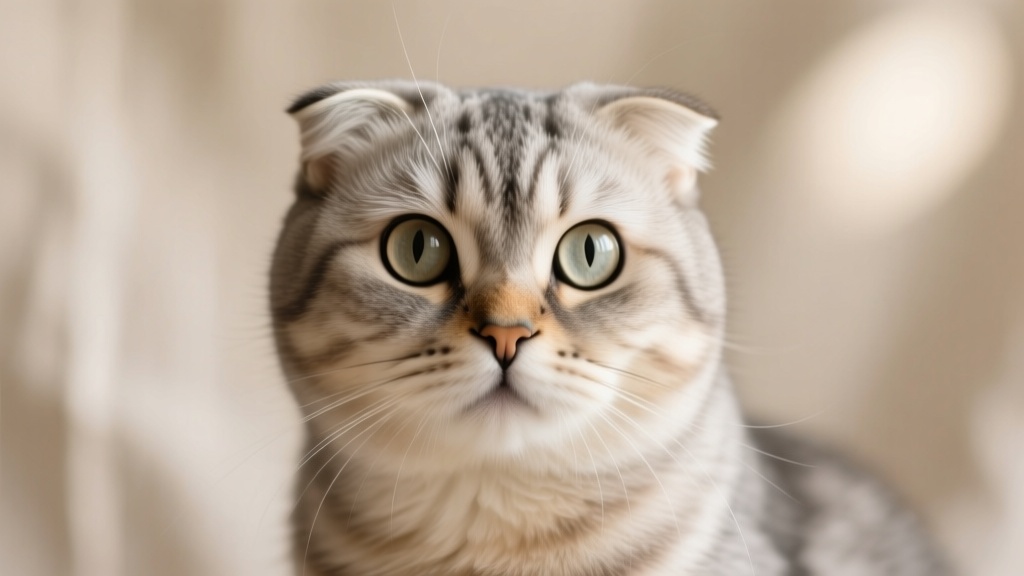
One look at a Scottish Fold and it’s easy to see why people fall hard for this breed. Those signature folded ears, the big round eyes, and the sweet, “owl-faced” expression can make even the most serious cat person melt on the spot. Scottish Folds have a way of looking perpetually curious—like they’re quietly judging your snack choices while still hoping you’ll share.
But there’s much more to this cat than an unforgettable face. The Scottish Fold is known for being affectionate, gentle, and delightfully quirky. They’re often described as “people cats” because they love being near their humans—following you from room to room, supervising chores, and settling close by for a cozy evening.
If you’re researching the Scottish Fold cat breed as a potential companion (or you’re simply fascinated by cat genetics and breed development), you’re in the right place. Let’s explore what makes the Scottish Fold so special—along with the very real responsibilities that come with owning one.
Breed History and Origin
The Scottish Fold’s story begins in Scotland in 1961, on a farm near Coupar Angus. A white barn cat named Susie caught attention because her ears folded forward instead of standing upright. This adorable feature was the result of a natural genetic mutation. When Susie had kittens, some inherited the same folded ears—and a new breed began to take shape.
Early breeding efforts paired fold-eared cats with British Shorthairs and domestic cats to strengthen the line and develop a consistent look: round head, plush coat, sturdy body, and that unmistakably sweet expression. The breed gained traction in the UK and later became especially popular in the United States, where Scottish Folds were recognized and promoted more widely.
Today, Scottish Folds can be found around the world, and they’re one of the most recognizable breeds in modern cat culture. Their popularity comes with controversy, though—because the same gene that causes the folded ears is linked to cartilage and bone issues. Ethical breeding practices and informed ownership matter tremendously with this breed.
Physical Characteristics
The Scottish Fold is a medium-sized cat with a rounded, soft appearance—think “teddy bear with whiskers.” Their overall look is plush and balanced, with no extreme angles. Even their paws can look adorably rounded, especially in the longhair varieties.
| Feature | Scottish Fold Traits |
|---|---|
| Size | Medium |
| Weight | Females: ~6–9 lb (2.7–4.1 kg); Males: ~9–13 lb (4.1–5.9 kg) |
| Body Type | Rounded, sturdy, compact but not cobby-heavy |
| Head & Face | Round head, full cheeks, large round eyes (“owl-faced” look) |
| Ears | Folded forward and down (in Folds); upright in Scottish Straights |
| Coat | Shorthaired (dense, plush) or Longhaired (silky, flowing) |
| Colors/Patterns | Many colors and patterns: solid, tabby, bicolor, calico, and more |
Distinctive Features
- Folded ears: The hallmark trait, caused by a cartilage mutation. Not every kitten will have a fold; some are born with straight ears (often called Scottish Straight).
- Round eyes: Typically large and open, contributing to the breed’s sweet expression.
- Plush coat: Even shorthaired Folds feel dense and velvety.
- “Buddha sit” posture: Many Scottish Folds sit upright on their haunches with paws resting on their belly—an endearing quirk owners love.
Personality and Temperament Traits
Scottish Folds are famously affectionate without being overwhelmingly demanding. They tend to prefer the same room as their humans—like a soft, purring shadow—but they’re not always the type to constantly climb on you. Many enjoy lap time, but just as many are “next-to-you” snugglers who want closeness on their own terms.
Common Scottish Fold personality traits include:
- Gentle and sweet-natured: Usually calm in the home and not prone to dramatic moods.
- People-oriented: They often bond deeply with one person but still enjoy the whole family.
- Playful in a soft way: Expect bursts of play, puzzle toys, and chasing wand toys—without the nonstop intensity of some high-energy breeds.
- Quiet to moderately vocal: Some are chatty with soft voices; many communicate more with looks and body language.
- Routine-loving: They often enjoy predictable schedules, familiar spaces, and steady attention.
Because of their social nature, Scottish Fold cats can become lonely if left alone for long stretches every day. If your household is away often, a compatible pet buddy (or a very enriched environment) can make a big difference.
Health Considerations and Common Issues
This section matters most for anyone considering a Scottish Fold kitten or adult. The folded ears are linked to a genetic condition affecting cartilage throughout the body. The condition is commonly referred to as Scottish Fold osteochondrodysplasia (OCD). It can lead to joint and bone changes, discomfort, reduced mobility, and arthritis-like symptoms, sometimes starting at a young age.
Not every Scottish Fold will experience severe issues, but the risk is real and should be approached with open eyes and a commitment to excellent veterinary care.
Common health concerns
- Osteochondrodysplasia (cartilage and bone disorder): May show as stiffness, reluctance to jump, thickened tail, limping, or pain.
- Arthritis and joint degeneration: Can develop over time, especially in affected cats.
- Tail rigidity: Some Folds have less flexible tails; handling should always be gentle.
- Ear issues: Folded ears can reduce airflow, which may contribute to wax buildup or infections in some individuals.
- Weight gain: Their calm nature can make them prone to becoming overweight, which worsens joint stress.
What responsible breeding looks like
- Breeding a Fold to a Straight (never Fold to Fold) to reduce the risk of severe skeletal problems.
- Breeding cats should have veterinary screening and sound mobility.
- Breeders should be transparent about family health history and provide vet records.
If you’re adopting a Scottish Fold, ask direct questions about mobility, tail flexibility, and whether the kitten’s parents show any signs of pain or stiffness. A trustworthy breeder (or rescue) won’t dodge these questions.
Care Requirements (Grooming, Exercise, Diet)
Scottish Folds are fairly easy to care for day-to-day, but they thrive when their routines support healthy joints, a healthy weight, and overall comfort.
Grooming
- Shorthaired Scottish Fold: Brush 1–2 times per week to remove loose hair and keep the coat plush.
- Longhaired Scottish Fold (sometimes called Highland Fold): Brush 2–4 times per week to prevent tangles, especially around the “pants,” chest, and underarms.
- Ear care: Check ears weekly for wax buildup or redness. Clean only if needed, using a vet-approved ear cleaner.
- Nails and teeth: Trim nails every 2–4 weeks; aim for regular dental care (brushing is ideal).
Exercise and enrichment
Scottish Folds aren’t typically extreme athletes, but they do need consistent movement to maintain muscle and protect joints.
- Short daily play sessions (10–15 minutes, 1–2 times daily)
- Interactive toys: wand toys, soft kickers, slow feeders
- Puzzle feeders and treat balls for mental stimulation
- Gentle climbing options (low-to-medium cat trees or steps) for cats with any stiffness
Diet
A lean body condition is one of the best gifts you can give a Scottish Fold. Extra weight adds stress to joints that may already be vulnerable.
- Choose a high-quality, protein-forward cat food (wet food can help with hydration and satiety).
- Measure portions; avoid free-feeding if weight gain is an issue.
- Consider joint-supportive nutrition only with your vet’s guidance (some cats benefit from omega-3s).
- Keep treats minimal and use play as a reward whenever possible.
Compatibility with Families, Children, and Other Pets
Scottish Fold cats are often wonderful family companions. Their mellow, affectionate temperament can make them a great fit for many households—so long as everyone respects gentle handling, especially around the tail and hind legs.
- With children: Generally patient and tolerant. Best with kids who can be calm, use gentle hands, and understand when a cat needs space.
- With other cats: Usually sociable and adaptable, especially when introductions are gradual.
- With dogs: Many do well with cat-friendly dogs that aren’t overly rowdy. Slow introductions and safe retreat spaces are key.
- With busy households: They enjoy company but may be sensitive to constant chaos. Provide quiet zones.
They’re often a sweet spot for people who want a cuddly, loyal cat without the intense energy levels of more high-octane breeds.
Pros and Cons of Owning a Scottish Fold
| Pros | Cons |
|---|---|
| Adorable owl-like face and iconic folded ears | Risk of osteochondrodysplasia and painful joint issues |
| Affectionate, people-oriented, and usually gentle | Potentially higher vet costs over a lifetime |
| Moderate activity level; great for calmer homes | Can become overweight if diet/exercise aren’t managed |
| Often good with kids and other pets when socialized | Folded ears can require extra ear monitoring/cleaning |
| Shorthaired variety is relatively low-grooming | Ethical sourcing matters; irresponsible breeding is common |
FAQ: Scottish Fold Cats
Are Scottish Fold cats friendly?
Yes—most Scottish Folds are known for being affectionate, gentle, and very people-oriented. They often enjoy staying close to their humans and can be excellent companions for families and singles alike.
Do Scottish Fold cats have health problems?
They can. The folded-ear gene is linked to osteochondrodysplasia, which may cause joint and bone issues and can lead to pain or mobility changes. Some cats are more affected than others, so careful breeder selection and ongoing vet care are essential.
What’s the difference between a Scottish Fold and a Scottish Straight?
A Scottish Straight has the same overall body type and temperament, but with normal upright ears. Scottish Straights may still be related to Fold lines, but they do not have folded ears.
Are Scottish Fold cats good indoor cats?
They’re typically excellent indoor cats. They bond closely with their families and do well with indoor enrichment like puzzle feeders, interactive play, and cozy perches. Indoor living also helps protect joints and overall safety.
How much grooming does a Scottish Fold need?
Shorthaired Scottish Folds usually do well with brushing once or twice a week. Longhaired Scottish Folds need more frequent brushing (often a few times weekly) to prevent tangles. All Folds benefit from regular ear checks.
Do Scottish Fold cats like to be held?
Many tolerate being held, and some love it—but it varies by individual. They often prefer gentle handling and may be happiest sitting next to you or curling up on the couch rather than being carried around for long periods.
A Warm Signoff for Scottish Fold Fans
The Scottish Fold cat breed is truly unforgettable—an affectionate companion wrapped in plush fur, with an owl-like face that seems designed to make humans fall in love. If you’re drawn to their gentle temperament and sweet presence, make sure your admiration comes with a commitment to responsible sourcing, health awareness, and long-term care. With the right support, a Scottish Fold can be a deeply loving member of the family and a constant, comforting presence in your home.
Want to keep exploring the wonderful world of cats? Browse more breed profiles, care guides, and cat-lover favorites on catloversbase.com.