Russian Blue: Shy Elegance in Silver Fur
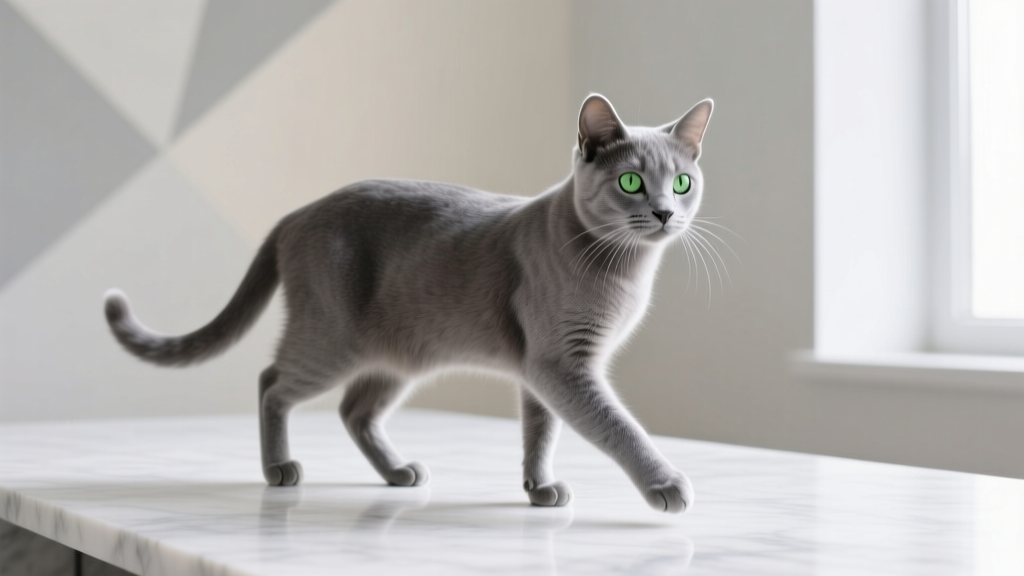
There’s something almost spellbinding about a Russian Blue. Maybe it’s the way their plush, silver-tipped coat seems to glow in soft light, or the calm, observant gaze of those vivid green eyes. Or maybe it’s the quiet devotion they reserve for “their” person—deep affection wrapped in polite, feline composure.
If you love cats who feel a little mysterious at first, then gradually unfold into loyal, gentle companions, the Russian Blue cat may be your perfect match. This breed is famous for its refined looks, tidy habits, and a personality that’s equal parts sensitive and smart—like a soft-footed shadow who wants to be near you, but never pushy.
Below you’ll find everything you need to know: Russian Blue history and origin, physical traits, temperament, health, care, and what life is really like with this shy-yet-sweet silver aristocrat.
Breed History and Origin
The Russian Blue is widely believed to have originated in northern Russia, with many accounts linking the breed’s early roots to the port city of Arkhangelsk (often referenced as “Archangel”). Sailors are thought to have brought these striking blue cats to Western Europe in the 1800s, where their dense, plush coats would have been perfectly suited to cold climates.
Russian Blues appeared in early cat shows in England in the late 19th century, sometimes competing in classes alongside other blue (gray) cats before being recognized as distinct. The breed’s path wasn’t always smooth—World War II reduced many pedigreed cat populations. After the war, dedicated breeders in Britain and Scandinavia helped rebuild the Russian Blue by careful breeding programs, sometimes incorporating other lines to preserve health and type. Over time, breeders refined the modern Russian Blue look: a graceful body, wedge-shaped head, and that iconic double coat with a silvery sheen.
Today, Russian Blue cats are treasured worldwide for their elegant appearance and devoted, gentle nature.
Physical Characteristics
The Russian Blue is a medium-sized cat with a fine-boned, athletic build. They often look slightly larger than they are because their dense double coat stands out from the body, creating a plush silhouette. The overall impression is refined but sturdy—never bulky, never fragile.
| Feature | Typical Russian Blue Traits |
|---|---|
| Size | Medium |
| Weight | Usually 7–12 lbs (3.2–5.4 kg); males often larger than females |
| Body Type | Lean, muscular, fine-boned, graceful |
| Coat | Short, dense double coat (plush, “stands off” the body) |
| Color | Solid blue (gray) with silver tipping; no patterns |
| Eyes | Vivid green in adults; kittens may transition from yellowish to green |
| Head | Modified wedge shape, smooth planes |
| Ears | Large, wide-set, upright, slightly pointed |
Coat, Color, and That Silver Glow
- Signature coat: The Russian Blue coat is famously plush because it’s a true double coat—soft undercoat plus a resilient topcoat. Running your hand over it feels like velvet.
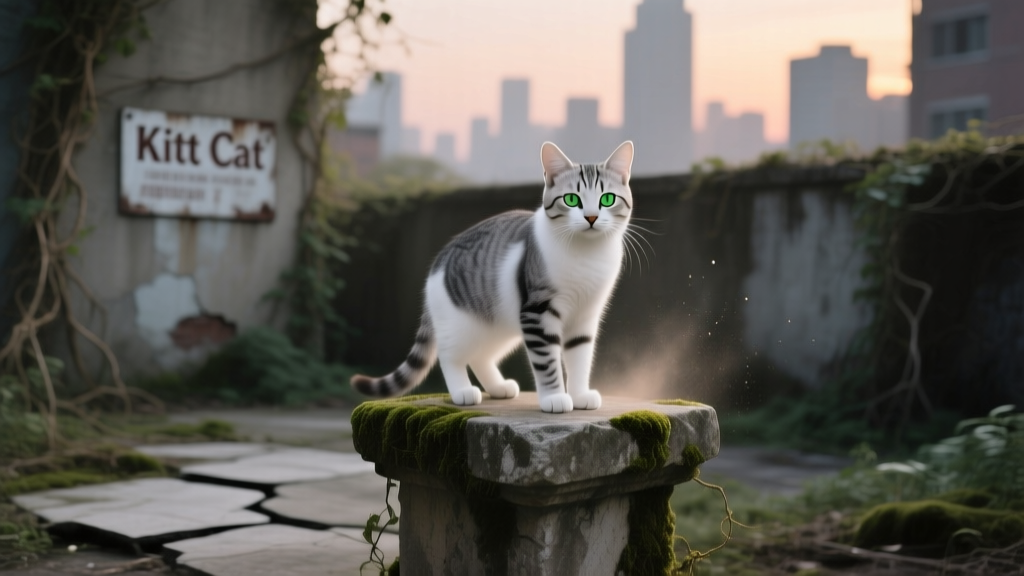
- Color: Always blue/gray, often with bright silver tips that create a shimmering effect.
- Shedding: Generally moderate; many owners find grooming manageable compared to longer-haired breeds.
Distinctive Features
- “Smiling” expression: The muzzle and whisker pads can create a gentle, pleasant look.
- Green eyes: One of the breed’s calling cards—especially striking against the blue coat.
- Elegant posture: Russian Blue cats tend to move with quiet grace, like they’re always aware of where their paws are going.
Personality and Temperament Traits
Russian Blues are often described as shy elegance personified. Many are reserved with strangers and new situations, but affectionate and loyal with their chosen people. This is the kind of cat who may observe guests from a safe distance—then appear later when the house quiets down, ready for companionship.
Common Russian Blue personality traits include:
- Devoted (but not demanding): They like being near you—on the couch, at your feet, or quietly supervising your day.
- Gentle and polite: Many Russian Blues have soft voices and tend not to be overly vocal.
- Smart and observant: They learn routines quickly and may even figure out puzzle toys or treat games with impressive speed.
- Creature-of-habit comfort: This breed often thrives on predictability. Big changes (moving, renovations, loud gatherings) can make them temporarily withdrawn.
- Playful in a refined way: They enjoy play sessions, especially interactive wand toys, but usually don’t have the constant “busy” energy of some high-octane breeds.
With patient socialization, a Russian Blue can become confidently affectionate, even with visitors. The key is letting them approach on their own terms—this breed appreciates respect.
Health Considerations and Common Issues
Russian Blue cats are generally considered a healthy, long-lived breed, often reaching the mid-teens and sometimes longer with good care. Still, no cat is immune to health issues, and genetics, diet, and lifestyle all matter.
Potential health considerations seen in the breed (or common to cats in general) include:
- Obesity/weight gain: Russian Blues can love food and may gain weight if free-fed or under-exercised.
- Dental disease: Like many cats, they can develop tartar buildup and gum issues without dental care.
- Urinary tract concerns: Not unique to Russian Blues, but hydration and diet quality make a big difference for urinary health.
- Stress sensitivity: Their more sensitive temperament can translate into stress-related behaviors if the environment is chaotic.
A reputable breeder should provide health records, transparent line information, and early socialization. For any Russian Blue kitten or adult cat, regular vet checks, parasite prevention, and dental care go a long way.
Care Requirements (Grooming, Exercise, Diet)
Grooming
One of the joys of living with a Russian Blue is that the coat feels luxurious without requiring high-maintenance grooming.
- Brushing: 1–2 times per week is usually enough to remove loose hair and distribute natural oils.
- Seasonal shedding: A little extra brushing during shedding seasons can help keep fur off furniture.
- Nails, ears, teeth: Trim nails every few weeks, check ears for debris, and aim for regular tooth brushing (even a few times per week helps).
Exercise and Enrichment
Russian Blues enjoy activity, especially when it’s interactive and feels like a shared ritual with you.
- Daily play: 10–20 minutes once or twice daily can keep them fit and mentally satisfied.
- Favorite toys: Wand toys, feather teasers, and puzzle feeders often win big points.
- Vertical space: Cat trees, shelves, and window perches let them observe their world safely (and beautifully).
- Calm hideaways: Provide cozy “retreat” spots—especially important for a shy breed.
Diet and Feeding
Nutrition is a major quality-of-life factor for Russian Blue cats, particularly because many are enthusiastic eaters.
- Portion control: Measured meals are often better than free-feeding to help prevent weight gain.
- High-quality protein: Look for cat foods where animal-based proteins are a primary ingredient.
- Hydration: Wet food and/or a cat water fountain can support hydration and urinary health.
- Treat strategy: Use treats for training or enrichment, but keep them limited to avoid creeping calories.
Compatibility with Families, Children, and Other Pets
The Russian Blue can be a wonderful family cat, but the “fit” depends on the household’s energy. This breed tends to do best in homes that respect a cat’s boundaries and offer predictable routines.
- With children: Typically good with gentle, cat-savvy kids who understand quiet handling. A Russian Blue may retreat from loud or overly rambunctious play.
- With other cats: Often compatible, especially with slow introductions. Many Russian Blues appreciate a calm feline companion.
- With dogs: Can do well with cat-friendly dogs who aren’t pushy. Controlled introductions and safe escape routes are essential.
- With busy households: They can adapt, but many thrive in quieter environments or with dedicated calm spaces.
If you want a cat who greets every stranger at the door, a Russian Blue might not be your top pick. If you want a loyal companion who bonds deeply and brings a peaceful presence to your home, they’re a dream.
Pros and Cons of Owning a Russian Blue
| Pros | Cons |
|---|---|
| Stunning silver-blue coat and green eyes | Can be shy or wary with strangers |
| Affectionate, loyal, often closely bonded to their person | May dislike frequent disruptions or noisy environments |
| Moderate grooming needs despite plush coat | Can gain weight if overfed or under-stimulated |
| Smart and trainable; enjoys routines and enrichment | May take time to warm up in a new home |
| Generally healthy and long-lived with proper care | Some lines can be hard to find; reputable breeders may have waitlists |
FAQ: Russian Blue Cats
Are Russian Blue cats hypoallergenic?
No cat is truly hypoallergenic. That said, some people with mild cat allergies report fewer symptoms with Russian Blue cats. Allergies are usually triggered by proteins (like Fel d 1) rather than fur length, so individual reactions vary. If allergies are a concern, spend time with the breed before committing.
Do Russian Blue cats like to cuddle?
Many do, especially with their chosen person. They often prefer calm, close companionship—sitting beside you, leaning in, or curling up near your legs—rather than constant handling. Think “soft devotion” more than “clingy lap cat,” though individuals vary.
How much do Russian Blue cats shed?
They’re moderate shedders. Their dense double coat can release more hair seasonally, but weekly brushing usually keeps shedding manageable and helps reduce loose fur around the home.
Are Russian Blues good for first-time cat owners?
They can be, especially for someone who wants a gentle, tidy, affectionate cat and is willing to be patient during the adjustment period. A calm home, predictable routine, and respectful handling set this breed up for success.
How long do Russian Blue cats live?
With good care, many Russian Blue cats live into their mid-teens, and some live longer. Lifespan depends on genetics, diet, dental care, and preventative veterinary visits.
Do Russian Blue cats get along with other pets?
Often yes—especially with slow, thoughtful introductions. Many Russian Blues do well with another calm cat or a respectful, cat-friendly dog, as long as they have safe spaces and control over their social time.
Warm Final Thoughts
The Russian Blue is a breed for people who appreciate quiet magic: a cat who may take a little time to trust, then rewards you with unwavering loyalty and gentle companionship. Their plush silver coat and emerald eyes turn heads, but it’s their sweet, sensitive nature—and their love of peaceful routines—that truly wins hearts.
If you’re dreaming of a refined, affectionate feline friend with a calm presence and a classy little streak of shyness, the Russian Blue might be the perfect match. Thanks for spending time with us—and when you’re ready, come explore more breed profiles on catloversbase.com to find the cat that fits your life and your heart.