Javanese: Colorful Oriental Relative
If you love the sleek elegance of the Siamese and the chatty, people-focused spirit of the Oriental Shorthair, the Javanese cat may feel like the best of both worlds—wrapped in a silky, flowing coat and painted in a rainbow of rich colors. This breed is known for its athletic grace, expressive face, and a personality that’s equal parts cuddlebug and clever entertainer.
Despite the name, the Javanese isn’t from Java. The “exotic” name was chosen to fit the theme of other Southeast Asia–inspired breed names (like Balinese), but the breed’s story actually unfolds in North America through deliberate, thoughtful breeding programs. What you get today is a colorful Oriental relative with a long, fine coat, a bright mind, and a deep devotion to their favorite humans.
If you’re researching Javanese cats because you want a lively companion who will follow you around the house, “help” with every task, and then curl up beside you at night, you’re in very good company. This breed bonds hard, plays harder, and brings a lot of joyful conversation to a home.
Breed History and Origin
The Javanese cat is closely tied to the development of modern Siamese/Oriental-type breeds. In many registries and cat-fancy circles, the term “Javanese” has been used for longhaired cats with the sleek Oriental body type in non-pointed colors. Historically, breeders in the United States and Canada worked to expand the color range available in longhaired Siamese-type cats by introducing additional colors and patterns. Over time, “Javanese” became a recognized name for these colorful longhaired relatives.
Because breed definitions can vary by cat association, you may see slightly different descriptions depending on where you look:
- In some registries, “Javanese” has been treated as a variety within the Balinese/Oriental family rather than a completely separate breed.
- In general pet-owner terms, a Javanese is typically understood as a longhaired, slender, Oriental-type cat with a wide range of coat colors and patterns.
What stays consistent is the “type”: a refined, svelte body; a wedge-shaped head; large ears; and a social, interactive temperament that mirrors the Siamese and Oriental lines behind the breed.
Physical Characteristics
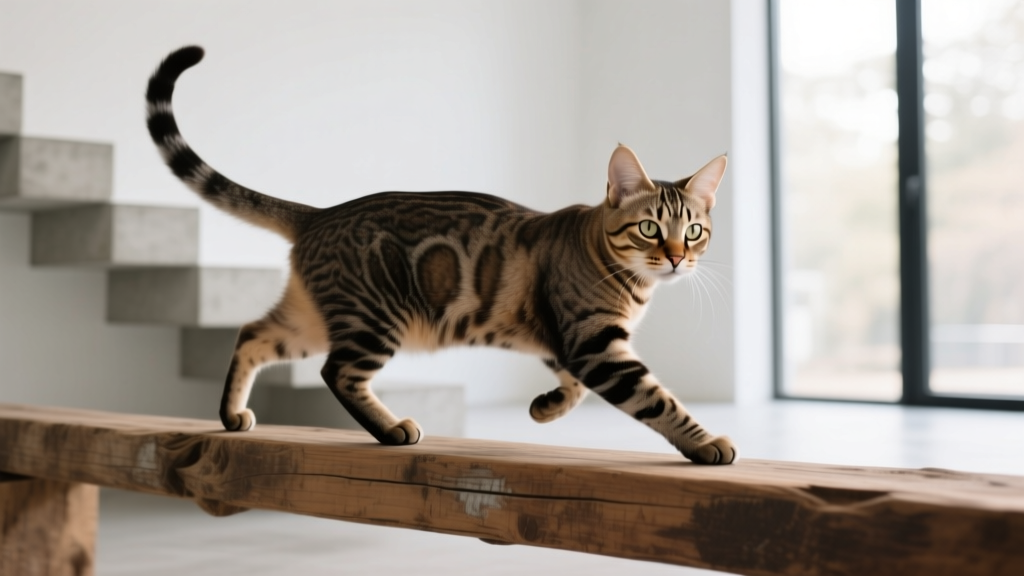
The Javanese is a study in elegant motion—long lines, fine bone structure, and a coat that moves like silk. They’re often described as graceful and athletic, and they tend to look lighter than they actually are because of their lean build.
| Feature | Typical Javanese Traits |
|---|---|
| Size | Medium |
| Weight | Usually 6–10 lbs (some may be a bit outside this range) |
| Body Type | Long, slender, fine-boned, muscular; “Oriental-type” |
| Head | Long wedge shape with a straight profile |
| Ears | Very large, wide at the base, continuing the wedge line |
| Eyes | Almond-shaped; often green (varies by registry/coat type) |
| Coat Length | Medium-long, fine and silky; typically little to no dense undercoat |
| Tail | Long and tapering with a noticeable plume |
Coat Texture and Colors
One of the Javanese cat’s biggest draws is the color variety. While the Balinese is famously associated with pointed coloration, the Javanese is often associated with non-pointed colors and patterns (depending on the registry and lineage). You may encounter:
- Solid colors (such as black, blue, chocolate, lilac, red, cream)
- Tabby patterns (classic, mackerel, spotted)
- Smoke and shaded coats
- Parti-color variations
The coat tends to lie close to the body, so the Javanese looks sleek rather than “fluffy.” The signature finishing touch is that plumed tail—pure drama in the best possible way.
Personality and Temperament Traits
Javanese cats are affectionate, people-centered, and wonderfully communicative. If you’ve ever wanted a cat who genuinely seems to want to participate in your daily life, the Javanese is a strong contender. They’re often described as “velcro cats”—not because they’re needy in a negative way, but because they thrive on companionship.
Common Javanese personality traits include:
- Social and devoted: They bond closely and may choose a favorite person.
- Talkative: Expect commentary—especially around meal times, closed doors, and important household meetings.
- Highly intelligent: Puzzle toys, clicker training, and routines keep them happy.
- Playful into adulthood: Many remain kittenish for years.
- Sensitive: They tend to dislike being ignored or left alone for long stretches.
This is not a “decorative” cat who politely watches from afar. A Javanese wants to be on your shoulder, at your keyboard, or perched nearby making sure you’re doing everything correctly.
Health Considerations and Common Issues
Javanese cats are generally active, fit cats, but because they’re closely related to Siamese and Oriental lines, they can share some inherited predispositions seen in that family. Responsible breeders work to reduce health risks through careful selection and health screening.
Potential concerns can include:
- Dental disease: Slender-headed breeds can be prone to periodontal issues—regular dental care matters.
- Respiratory sensitivities: Some Oriental-type cats may be more sensitive to upper respiratory issues.
- Hereditary conditions seen in related lines: Depending on lineage, breeders may screen for issues like certain heart concerns (such as hypertrophic cardiomyopathy), or other inherited problems documented in the Siamese/Oriental family.
- Weight loss from stress: These cats can be emotionally tuned-in; big routine changes can affect appetite.
The best approach is simple: choose a breeder who can discuss health testing, schedule early vet visits, and keep your Javanese on preventative care (vaccines, parasite control, dental checks). With good care, many live well into their teens.
Care Requirements (Grooming, Exercise, Diet)
Grooming
Good news for fans of longhaired cats: the Javanese coat is typically fine and silky with minimal undercoat, so it usually mats less than you’d expect.
- Brushing: 1–2 times per week is often enough; increase during seasonal shedding.
- Tail care: That gorgeous plume benefits from gentle combing to prevent tangles.
- Nails: Trim every 2–4 weeks, especially for indoor cats.
- Dental care: Tooth brushing (even a few times a week) can make a huge difference.
- Ears and eyes: Check weekly; clean only as your vet recommends.
Exercise and Enrichment
Javanese cats are athletic and curious. They do best with a home that provides vertical space and daily interactive play.
- Daily play: 15–30 minutes (or more) with wand toys, fetch games, or laser play followed by a “catch.”
- Climbing: Cat trees, wall shelves, and window perches are favorites.
- Brain games: Treat puzzles, clicker training, and rotate toys to prevent boredom.
- Social enrichment: They want a buddy—human or animal—more than many breeds do.
Diet
That slim, elegant build is supported by quality nutrition and smart portions. Javanese cats can be enthusiastic eaters, so structured meals help.
- High-quality protein: Look for cat foods with named animal proteins as primary ingredients.
- Portion control: Use measured meals rather than free-feeding if weight creeps up.
- Hydration: Many do well with wet food and/or a cat water fountain.
- Slow feeders: Helpful for cats who inhale their meals and then complain they’re starving.
Compatibility with Families, Children, and Other Pets
A well-socialized Javanese is often a fantastic family cat—especially for households that enjoy an interactive, responsive pet. They tend to handle respectful children well and may even seek them out for play.
- With children: Great match for gentle kids who enjoy playing and can respect boundaries.
- With other cats: Usually does well, particularly with other social, playful cats.
- With dogs: Can coexist happily with cat-friendly dogs; introductions should be slow and positive.
- For busy households: Works best if someone is home often, or if the cat has companionship.
If your home is very quiet and you prefer a cat who keeps to themselves, the Javanese might feel like “too much cat.” If you want a companion who greets you at the door and acts like they’ve missed you terribly, you’ll adore them.
Pros and Cons of Owning a Javanese
| Pros | Cons |
|---|---|
| Affectionate and deeply bonded with their people | Can become lonely or stressed if left alone often |
| Striking Oriental look with a silky, flowing coat | Vocal—may not suit those who want a very quiet cat |
| Smart and trainable; loves interactive games | Needs daily play and mental stimulation to avoid boredom |
| Usually lower-matting coat compared to thicker longhairs | Still requires regular grooming and attention to the plumed tail |
| Often great with families and other pets | May get underfoot—“helping” is their love language |
FAQ: Javanese Cats
Are Javanese cats the same as Balinese?
They’re closely related and can look very similar in body type and coat texture. In many contexts, “Javanese” has referred to longhaired Oriental-type cats in a broader range of colors and patterns beyond the traditional Balinese points. Exact definitions vary by cat registry.
Do Javanese cats shed a lot?
They do shed, but their coat is often fine with little undercoat, so shedding can feel more manageable than in dense-coated longhairs. Weekly brushing usually keeps loose hair under control.
Are Javanese cats hypoallergenic?
No cat is truly hypoallergenic. Some people with mild allergies find certain short- or low-undercoat cats easier to live with, but reactions are individual. Spend time with the breed before committing if allergies are a concern.
How vocal is a Javanese cat?
Many Javanese are quite talkative, similar to Siamese/Oriental relatives. They may “chat” throughout the day, especially when they want attention, playtime, or dinner.
Can a Javanese cat be left alone during the workday?
They can handle a typical workday better if they have enrichment (climbing spaces, puzzle toys) and ideally a companion pet. A Javanese that’s regularly alone for long hours may become bored or anxious.
What kind of home is best for a Javanese?
A home that welcomes interaction: people who enjoy play, conversation, and a cat that wants to be involved. They thrive with routines, attention, and plenty of vertical territory to explore.
Warm Signoff
The Javanese cat is a dazzling blend of beauty and personality: a colorful, longhaired Oriental relative with a quick mind, a loving heart, and a talent for turning ordinary days into something more fun. If you’re ready for a social, affectionate companion who will be part roommate, part comedian, and part shadow, the Javanese may be the perfect match.
Want to meet more amazing felines like the Javanese? Explore more breed profiles on catloversbase.com and find the cat that fits your life and your heart.