Island Bobtail: Caribbean Feline Development
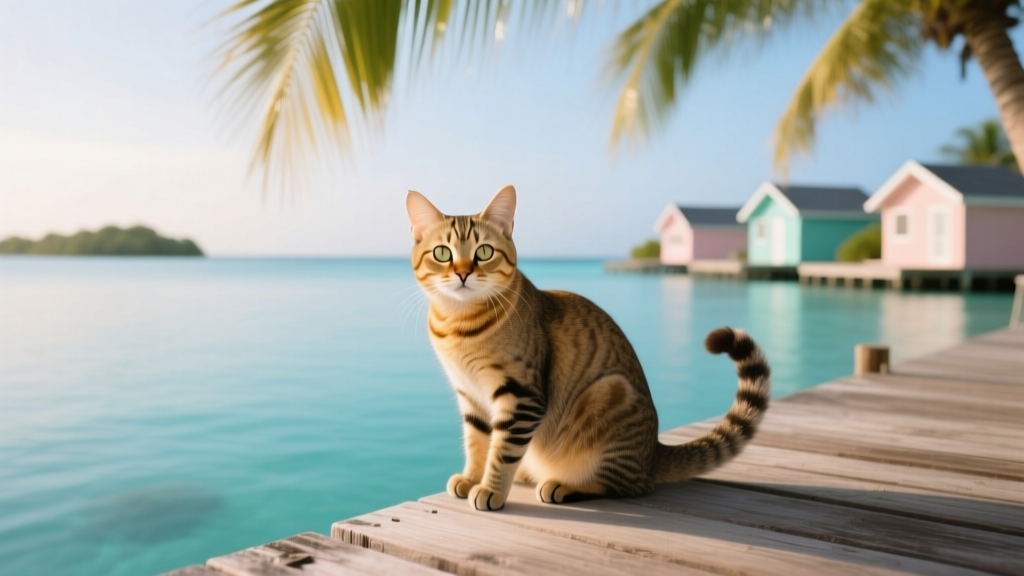
Picture a sun-warmed porch, trade winds fluttering palm fronds, and a confident little cat trotting by with a proudly “unfinished” tail—short, expressive, and absolutely adorable. That’s the charm of the Island Bobtail, a Caribbean-developed bobtailed cat type shaped by island life: resourceful, people-aware, and built for heat and humidity.
Cat lovers are drawn to the Island Bobtail for the same reasons islands captivate travelers—easygoing vibes paired with surprising toughness. These cats tend to be athletic without being hyper, affectionate without being clingy, and curious without being reckless. If you’re researching natural bobtail cats or simply want a companion with a distinctive look and an outdoorsy spirit, the Island Bobtail is a fascinating subject.
Because “Island Bobtail” is most often used as a regional descriptor (rather than a single globally standardized registry breed), you’ll see variation from island to island. What ties them together is that iconic short tail, a generally tropical-friendly coat, and a temperament shaped by living close to people in coastal communities.
Breed History and Origin
The Island Bobtail’s story is really the story of the Caribbean itself: movement, mixing, and adaptation. Cats arrived in the Caribbean through ships—working alongside sailors as mousers and eventually settling in ports, plantations, towns, and beaches. Over generations, isolated island populations and local selection pressures helped create recognizable “island types.”
The bobtail trait is the feature that captures attention. In cats, a short tail can be caused by naturally occurring genetic variants that appear spontaneously in populations. On islands, where communities can be more geographically contained, distinctive traits can become more common over time—especially if local people enjoy the look and tend to keep and care for those cats.
Unlike heavily engineered breeds developed from a written standard, the Island Bobtail is best understood as a natural, regionally developed bobtailed cat. It may resemble other bobtailed cats found around the world, but it’s shaped by:
- Climate: Warm temperatures favor lighter coats and efficient shedding cycles.
- Lifestyle: Many island cats grow up navigating indoor/outdoor living, porches, courtyards, and busy neighborhoods.
- Genetic diversity: Island populations can be distinctive but also quite mixed, depending on historical trade routes.
Research note for breed historians: If you’re trying to “place” an Island Bobtail in the wider bobtail universe, it’s helpful to think in terms of type rather than a single documented pedigree line. Some individuals may share similarities with established bobtail breeds, but that doesn’t automatically mean direct ancestry—bobtail traits can arise independently.
Physical Characteristics
The Island Bobtail is typically a medium-sized, athletic cat with a quick, springy gait. Think “compact power” rather than bulky heft. Their hallmark is the bobbed tail, which can range from a tiny nub to a short, flexible tail a few inches long.
| Trait | Common Island Bobtail Range |
|---|---|
| Size | Small-to-medium through medium |
| Weight | Typically 6–12 lb (2.7–5.4 kg); males often larger |
| Body type | Lean, athletic, agile; sturdy legs and strong core |
| Coat length | Often short; some have medium coats depending on local lines |
| Coat texture | Sleek to slightly dense; generally easy-care |
| Colors/patterns | Wide variety: tabby, solid, bicolor, tortoiseshell, calico; colorpoints possible but less common |
| Distinctive feature | Natural bobtail (length and shape vary), expressive rear posture |
The Bobtail: What It Looks Like
Island Bobtail tails can be:
- Nub tail: Very short, sometimes with a slight curve.
- Kinked bobtail: Short tail with one or more bends.
- Pom-pom bob: A short tail that looks plush or rounded, especially in medium-coated cats.
Many bobtailed cats carry their tails proudly, and you’ll notice extra “talk” from the hips and back end—little wiggles, pivots, and expressive posture changes that become part of their charm.
Personality and Temperament Traits
If you love cats with social intelligence, the Island Bobtail often fits the bill. These cats tend to read a room well. Many are friendly with familiar people, politely curious with visitors, and happiest when they can be part of daily life—lounging nearby while you cook, supervising chores, or “helping” with paperwork.
Common Island Bobtail temperament traits include:
- People-oriented: Likes companionship, often follows you from room to room.
- Confident and adaptable: Often handles routine changes better than more sensitive breeds.
- Playful hunter instincts: Enjoys chasing, pouncing, and puzzle toys.
- Moderate vocalization: Many are communicative but not constantly chatty.
- Independent streak: Can entertain themselves, especially with a window view and toys.
Because “Island Bobtail” reflects a regional type, personality can vary. Early socialization matters a lot. A kitten raised with gentle handling and positive experiences is far more likely to grow into the confident, affectionate companion people rave about.
Health Considerations and Common Issues
Natural, mixed-origin cat types often benefit from broader genetic diversity, and many Island Bobtails are robust. Still, bobtail genetics deserve thoughtful attention, and every cat—regardless of type—needs regular veterinary care.
Potential health considerations to discuss with your vet:
- Spinal and tail-area sensitivity: Some bobtailed cats can have vertebral differences. Watch for pain when handled, reluctance to jump, or changes in gait.
- Mobility and joint wear: Athletic cats can overdo it; provide safe climbing and good landing spots.
- Skin and parasite concerns in warm climates: Fleas, ticks, and mites can be more persistent in tropical regions; use vet-recommended prevention.
- Dental disease: Common in many cats; early brushing habits help.
- Obesity (in indoor-only homes): Island-born cats may be used to more activity. Keep play and enrichment consistent.
Red flags that warrant prompt vet attention: constipation, urinary straining, hind-end weakness, sudden pain near the tail or back, or any change in litter box habits. These aren’t “bobtail quirks”—they’re signs to investigate.
Care Requirements (Grooming, Exercise, Diet)
Grooming
Most Island Bobtails have short coats that are refreshingly easy to maintain. A little routine care goes a long way:
- Brushing: 1–2 times per week for short coats; 2–3 times weekly for medium coats.
- Bathing: Rarely needed unless they get into something messy.
- Nails: Trim every 2–4 weeks.
- Ears: Check weekly; clean only if debris is present and your vet approves your method.
- Teeth: Brush several times a week if possible; dental treats can help but don’t replace brushing.
Exercise and Enrichment
Island Bobtails are usually bright, athletic, and motivated by movement. Keeping them active is one of the best ways to prevent boredom and weight gain.
- Daily play: Two 10–15 minute sessions (wand toys, balls, chase games).
- Climbing options: Cat trees, wall shelves, sturdy window perches.
- Puzzle feeders: Great for the “hunter brain.”
- Safe outdoor time: Consider a catio or harness training rather than free roaming.
Diet
A high-quality, protein-forward diet supports lean muscle and coat health. Many Island Bobtails thrive on a mix of wet and dry food, but wet food is especially helpful for hydration.
Simple diet tips cat lovers swear by:
- Prioritize animal protein as the first ingredient.
- Measure portions rather than free-feeding if weight creeps up.
- Fresh water access (many cats love fountains).
- Slow transitions when changing foods to avoid stomach upset.
Compatibility with Families, Children, and Other Pets
With their social nature and adaptable temperament, the Island Bobtail can be a wonderful family cat. Many do well with respectful kids and can integrate nicely into multi-pet households—especially when introductions are handled patiently.
- With children: Often tolerant and playful. Teach kids “gentle hands,” no tail grabbing (especially crucial for a bobtail), and how to let a cat walk away.
- With dogs: Can do well with calm, cat-savvy dogs. Use gradual introductions and provide vertical escape routes.
- With other cats: Many are social, especially if raised with feline companions. Slow introductions reduce territorial stress.
- With small pets: Due to strong prey drive, caution is advised around birds, rodents, and reptiles.
The best match is a home that appreciates an interactive cat—one that wants to be included in the rhythm of the household.
Pros and Cons of Owning an Island Bobtail
| Pros | Cons |
|---|---|
| Distinctive natural bobtail look with loads of personality | Tail/spine anatomy can vary; needs mindful handling and vet awareness |
| Typically athletic, bright, and fun to play with | Can get bored without enrichment; mischief is possible |
| Often people-friendly and adaptable in busy homes | May be too social for owners who want a very hands-off cat |
| Usually easy grooming, especially short-coated types | May shed seasonally; brushing still matters |
| Can fit well with kids and other pets when introduced properly | Prey drive can be high around small animals |
FAQ: Island Bobtail Cats
Is the Island Bobtail an official cat breed?
“Island Bobtail” is commonly used as a regional type for naturally bobtailed cats developed in Caribbean island communities. Some individuals may be pedigreed through specific programs, but in many cases it’s not a single standardized registry breed with one universal written standard.
Are Island Bobtails born with short tails, or are they docked?
They’re naturally bobtailed. The short tail is present from birth and can vary in length and shape. Tail docking is not part of responsible cat breeding or humane pet care.
Do Island Bobtails have special health risks because of the bobtail?
Many are healthy, but any bobtailed cat can have tail/spinal variation. A good veterinary exam is wise, especially if you notice pain, stiffness, hind-end weakness, or litter box changes.
How big do Island Bobtail cats get?
Most are medium-sized, often around 6–12 lb (2.7–5.4 kg), with a lean, athletic build. Individuals can fall outside that range depending on genetics and diet.
Are Island Bobtails good indoor cats?
Yes—if you provide enrichment. They usually do well indoors with climbing spaces, interactive play, and puzzle feeders. If you want outdoor time, a harness or catio is far safer than free roaming.
How can I find an Island Bobtail?
Because this is often a regional type, many are found through rescues and shelters, especially those connected to Caribbean communities. If you’re seeking a specific look (natural bobtail, coat type, temperament), ask for videos and behavior notes, and plan for a proper vet check after adoption.
A Warm Signoff for Fellow Cat Lovers
The Island Bobtail captures something magical: a natural bobtail silhouette, island-hardened athleticism, and that cozy, people-centered confidence that makes a cat feel like a true companion rather than a mysterious roommate. If you’re considering one for your home, prioritize gentle handling, strong enrichment, and a vet who takes tail/spine anatomy seriously—and you’ll be rewarded with a cat that brings sunshine to everyday life.
Want to keep exploring the wonderful world of cats? Browse more breed profiles and feline deep-dives on catloversbase.com.