Highland Fold: Long-Haired Scottish Fold
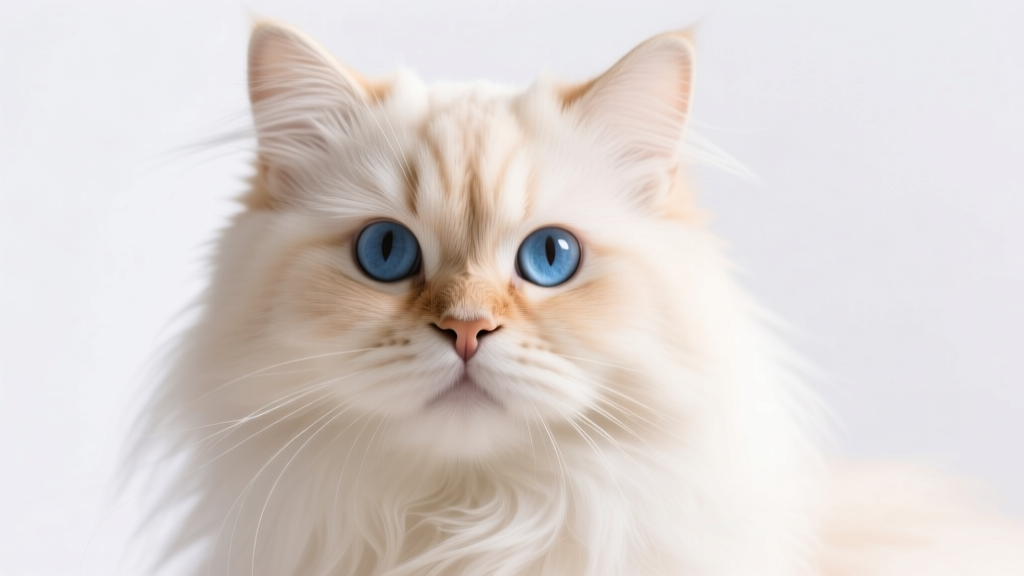
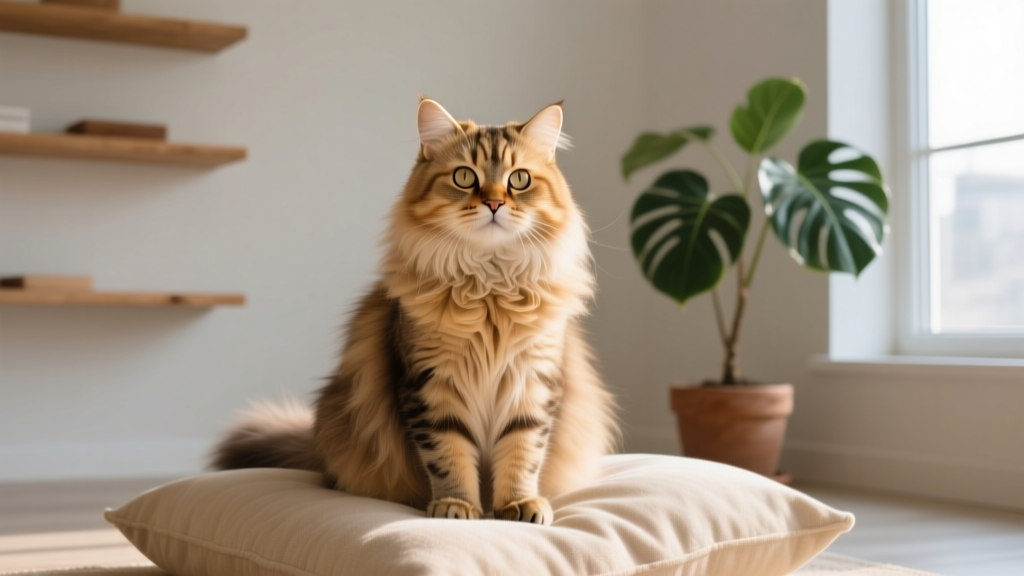
If you’ve ever wished the adorable “owl-like” expression of a Scottish Fold came wrapped in a flowing, plush coat, you’re thinking of the Highland Fold. This long-haired Scottish Fold variety turns heads with its rounded face, soft teddy-bear body, and (often) those famously folded ears that make cat lovers melt on sight.
But this breed isn’t just about looks. Highland Folds are known for being sweet, people-centered companions—typically calm, gentle, and happiest when they’re included in everyday life. Whether they’re following you from room to room or curling up like a fuzzy cinnamon roll on the couch, they have a way of making a home feel warmer.
That said, any honest Highland Fold profile has to cover more than fluff and folds. The same gene that creates folded ears is linked to serious orthopedic concerns, and responsible ownership means understanding health risks and choosing breeders carefully. If you’re researching the long-haired Scottish Fold, you’re in the right place.
Breed History and Origin
The Highland Fold is essentially a Scottish Fold with a long coat. The Scottish Fold story begins in Scotland in 1961, when a white farm cat named Susie was noticed for her unusual folded ears. Susie’s descendants inherited the ear fold mutation, and breeders began developing the line—eventually pairing Folds with other breeds to widen the gene pool and refine type.
Long-haired kittens appeared when the Fold lines carried a recessive longhair gene. In some registries and breeder circles, the long-haired variety is called the Highland Fold (or sometimes “Longhair Scottish Fold”). Recognition and naming can vary by cat association, and you may see them listed as:
- Scottish Fold Longhair
- Highland Fold
- Long-haired Scottish Fold
Because the Fold trait is dominant, ethical breeding practices have evolved over time. Many responsible programs pair a Fold-eared cat with a Straight-eared Scottish (Scottish Straight) rather than breeding Fold-to-Fold, since homozygous Fold kittens (two copies of the gene) are at higher risk of severe skeletal disease. We’ll cover this in the health section, because it matters a lot for anyone considering this breed.
Physical Characteristics
A Highland Fold looks like a Scottish Fold that wandered into a luxury coat salon and never left. They’re medium-sized cats with a round, balanced body and a plush, sometimes semi-long coat that can range from silky to dense.
| Feature | What to Expect |
|---|---|
| Size | Medium; sturdy, compact build |
| Typical weight | Females often ~6–10 lb (2.7–4.5 kg); males often ~8–13 lb (3.6–5.9 kg) |
| Coat length | Semi-long to long; plush, full tail plume common |
| Colors & patterns | Many colors/patterns seen (solids, tabbies, bicolors, tortoiseshell, colorpoints in some lines) |
| Eyes | Large, round, open expression; color varies by coat |
| Ears | May be folded (single/double/triple fold) or straight; folds lay forward/down for a rounded head shape |
| Overall look | Round head, rounded muzzle, thick neck, soft body lines |
Distinctive Features
- Folded ears (in many cats): The signature trait. Kittens are usually born with straight ears; folds may develop at a few weeks of age.
- Round “sweet” expression: Big eyes + rounded cheeks = permanent gentle look.
- Plush long coat: A Highland Fold often looks bigger than they are thanks to that fluffy outline.
- Tail: Typically thick and plush; tail flexibility should be normal—stiffness can be a red flag for joint issues.
Personality and Temperament Traits
Highland Folds are often described as affectionate, calm, and quietly social. They’re not usually the “sprint off the walls at 2 a.m.” type, but they do enjoy play and enrichment—especially if it involves you.
Common long-haired Scottish Fold personality traits include:
- People-oriented: Many bond closely with their favorite humans and like to be nearby.
- Gentle temperament: Often patient and soft-mannered, which can make them a lovely fit for calmer homes.
- Moderately playful: Expect bursts of play, then long nap sessions in the coziest spot available.
- Sweet but not always clingy: Many enjoy attention on their terms—cuddly without being demanding.
- Adaptable: With proper introductions, they typically settle well into new routines and living spaces.
You may also notice some quirky Fold behaviors reported by owners—such as sitting in odd “little Buddha” poses or lounging belly-up like they own the place. Individual cats vary, but the overall vibe tends to be mellow, affectionate, and easy to love.
Health Considerations and Common Issues
This is the part every potential Highland Fold owner should read carefully. The folded ears are caused by a cartilage mutation associated with osteochondrodysplasia, a condition that can affect cartilage and bone development throughout the body—not just the ears.
Key Health Concerns
- Osteochondrodysplasia (joint/bone disease): Can lead to arthritis-like pain, thickened joints, reduced mobility, and stiffness—sometimes starting young. Severity varies, and folded-ear cats are at risk.
- Tail stiffness: A less flexible or painful tail may indicate skeletal involvement.
- Degenerative joint disease/arthritis: May develop earlier than in many other breeds.
- Ear issues: Folded ears can have reduced airflow, which may increase wax buildup or irritation in some cats. Regular gentle checks help.
- General concerns: Like many cats, they can also face dental disease, obesity, and common age-related issues if care is lax.
Breeding Ethics Matter
Responsible breeders generally avoid Fold-to-Fold matings. Pairing a Fold with a Scottish Straight is commonly used to reduce the likelihood of severe skeletal problems associated with inheriting two copies of the Fold gene. Even with careful breeding, risk is not eliminated. If a breeder dismisses joint disease concerns or cannot discuss them openly, consider that a serious warning sign.
What to Ask a Breeder (or Rescue) Before Bringing One Home
- Do you breed Fold to Straight (not Fold to Fold)?
- Can you share veterinary records and screening practices for parents?
- How do you evaluate kittens for mobility, tail flexibility, and comfort?
- What is your policy if a cat develops orthopedic issues?
- Can I meet at least one parent and see how they move?
If you adopt a Highland Fold from a shelter or rescue, ask for any available history and schedule a vet visit early to establish a baseline for joints, gait, and overall health.
Care Requirements (Grooming, Exercise, Diet)
Grooming a Highland Fold’s Long Coat
That gorgeous coat needs regular upkeep, but it’s manageable with a simple routine. Aim for 2–4 brushing sessions per week (more during seasonal shedding). Focus on areas where tangles love to hide: behind the ears, under the legs, and around the “pants” (back legs) and tail.
- Tools that help: A stainless-steel comb for checking knots + a soft slicker brush for general grooming.
- Mat prevention: Gentle, frequent brushing is better than occasional intense detangling.
- Ear checks: Folded ears may need more routine inspection for wax. Clean only with vet-approved products and never dig into the ear canal.
- Nails & teeth: Trim nails every 2–4 weeks and prioritize dental care (brushing or vet-approved dental routines).
Exercise and Enrichment
Highland Folds usually enjoy play, but they’re not always self-starting athletes. Make activity a pleasant daily habit—especially because keeping them lean is beneficial for joint health.
- Short daily play sessions: 10–15 minutes, 1–2 times a day, with wand toys or soft fetch toys.
- Low-impact climbing: Cat trees with step-like levels instead of huge leaps can be easier on joints.
- Puzzle feeders: Great for mental stimulation and weight management.
- Warm, comfy rest spots: Orthopedic-friendly beds can be a game-changer for cats prone to stiffness.
Diet and Weight Management
A Highland Fold should be kept lean and muscular, not “extra fluffy” in the body sense. Extra weight adds stress to joints, which is the last thing this breed needs.
- High-quality, portion-controlled diet: Your vet can help set ideal daily calories.
- Protein-forward nutrition: Many cats do well on meat-first formulas; choose a reputable brand that meets AAFCO/FEDIAF standards.
- Wet food benefits: Often helps hydration and satiety (use what fits your cat and vet’s guidance).
- Joint support: Only add supplements (like omega-3s) with veterinary approval, especially if orthopedic issues are suspected.
Compatibility with Families, Children, and Other Pets
When well-socialized, the Highland Fold can be a delightful family cat. Their typical gentle temperament and people-focused nature often make them comfortable around respectful kids and other animals.
- With children: Often good with calm, gentle children who understand “no tail pulling, no rough handling.” Supervise young kids.
- With dogs: Many do well with cat-friendly dogs after slow introductions. Choose peaceful dogs over high-chase personalities.
- With other cats: Usually sociable, especially if introduced gradually and given enough resources (litter boxes, food stations, resting spots).
- Home environment: They tend to thrive in homes where they’re included—quiet companionship is their love language.
If a Highland Fold has joint discomfort, they may become less tolerant of being picked up or jostled. Teaching everyone in the home to respect a cat’s comfort cues is essential.
Pros and Cons of Owning a Highland Fold
| Pros | Cons |
|---|---|
| Irresistibly cute “round” look with plush long coat | Risk of osteochondrodysplasia and painful joint disease |
| Typically affectionate, calm, and people-oriented | Potential for higher veterinary costs over a lifetime |
| Often adaptable to apartments and family life | Needs consistent grooming to prevent mats |
| Moderate energy level—playful but not frantic | Ethical sourcing is critical; irresponsible breeding is a real issue |
| Usually friendly with other pets when introduced properly | May be sensitive about handling if joints are sore |
FAQ: Highland Fold (Long-Haired Scottish Fold)
Are Highland Folds and Scottish Folds the same breed?
Highland Fold generally refers to the long-haired variety of the Scottish Fold. Depending on the cat registry and breeder, you may see different naming conventions, but the core breed type is the same—just with a longer coat.
Do all Highland Folds have folded ears?
No. Some kittens in Fold lines have straight ears (often called Scottish Straights). Folded ears come from a dominant gene, but not every kitten will show the fold, and responsible programs often include straight-eared cats.
How much grooming does a Highland Fold need?
Plan on brushing 2–4 times per week, plus extra during heavy shedding seasons. Regular grooming helps prevent mats and reduces hairballs.
Are Highland Folds good lap cats?
Many are affectionate and enjoy cuddling, but it varies by individual. Some prefer sitting beside you rather than directly on your lap. Comfort also matters—cats with joint pain may be less enthusiastic about being handled.
What’s the biggest health concern in a long-haired Scottish Fold?
The major concern is osteochondrodysplasia, which can cause painful joint and bone changes. If you’re considering this breed, work with an exceptionally responsible breeder or consider adopting through rescue with veterinary guidance.
How long do Highland Folds live?
Lifespan varies based on genetics, overall care, and especially orthopedic health. Many cats can live into the teens, but the risk of chronic joint issues makes preventive care, healthy weight, and regular vet visits especially valuable.
A Warm Signoff for Future Highland Fold Guardians
The Highland Fold is one of those breeds that feels like a living plush toy—soft, round, and lovingly devoted to their people. If you’re drawn to the long-haired Scottish Fold, let your heart be big, but let your standards be even bigger: choose ethical breeding practices, prioritize health and comfort, and be ready for a grooming routine that keeps that coat glorious.
If you’d like to keep exploring cat personalities, care needs, and what makes each breed special, visit more breed profiles on catloversbase.com—your next feline favorite might be waiting there.