Havana Brown: Rare Chocolate-Coated Cat
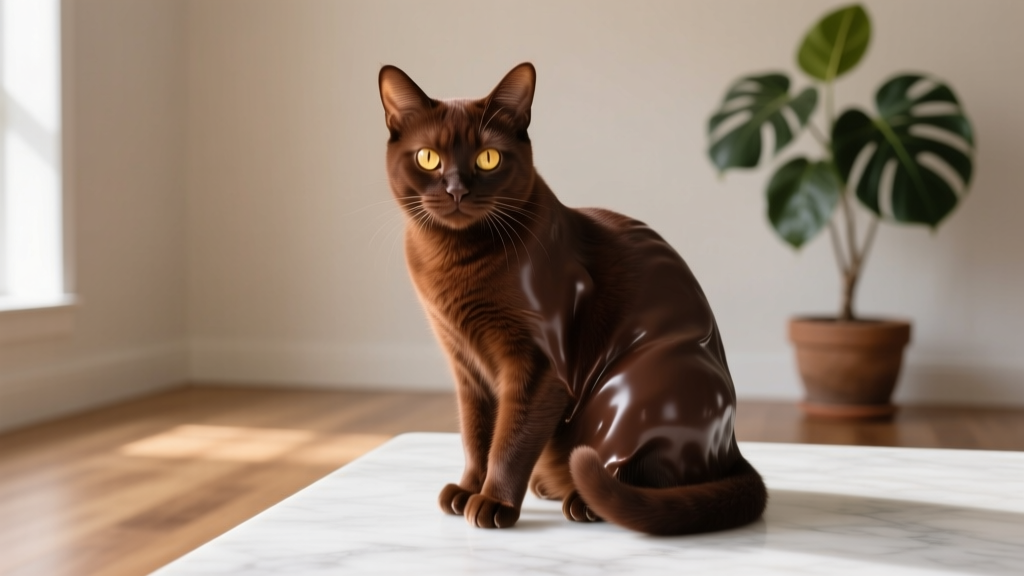
Some cats stop you in your tracks with sheer elegance. The Havana Brown stops you with warmth—both in color and in personality. Wrapped in a rich, glossy chocolate-brown coat and topped with mesmerizing green eyes, this rare breed looks like it was designed to be admired. Then it walks over, taps your arm with a soft paw, and politely asks to be included in whatever you’re doing.
If you love cats who are interactive without being clingy, sleek without being fragile, and affectionate without being demanding, the Havana Brown deserves your attention. Often described as “a cat with a dog-like sense of loyalty,” this breed is famous for bonding deeply with its people while keeping a playful, curious spark well into adulthood.
This guide covers everything cat lovers and future owners want to know: Havana Brown history, appearance, temperament, health, care, and what daily life looks like with one of the cat world’s most charming chocolate-coated treasures.
Breed History and Origin
The Havana Brown’s story begins in mid-20th-century England, where breeders set out to create a solid-brown cat with a distinctive look and an engaging temperament. By selectively pairing Siamese-type cats with solid black domestic cats (and related lines), they produced kittens with a uniform brown coat and a more moderate head type than the extreme Siamese profile.
The name “Havana” is often said to reference the rich brown tone reminiscent of a Havana cigar. “Brown” is exactly what it sounds like: the breed’s hallmark color. While there were earlier solid-brown cats in history, the modern Havana Brown is the result of intentional, documented breeding programs that stabilized the type and coat.
The breed later gained recognition and dedicated fanciers in North America, where the Havana Brown developed into a distinct and carefully maintained population. Today, the Havana Brown remains rare—part of its charm, but also a reason prospective owners may need patience when searching for a reputable breeder or adoption lead.
Physical Characteristics
The Havana Brown is a medium-sized, muscular cat with a sleek outline, a glossy coat, and an alert, expressive face. They’re not as long and ultra-fine as some Oriental-type cats, but they do have an elegant, athletic build.
| Trait | Typical Havana Brown |
|---|---|
| Size | Medium |
| Weight | Typically 6–10 lbs (some may be slightly outside this range) |
| Body Type | Firm, muscular, elegant; not cobby, not extreme |
| Coat Length | Short |
| Coat Texture | Fine, smooth, glossy; close-lying |
| Coat Color | Solid rich brown/chocolate (breed hallmark) |
| Eye Color | Green (a signature feature) |
Coat, Colors, and That Famous Chocolate Glow
The Havana Brown’s coat should read as a clear, even brown across the body. It’s short and sleek, so the color looks polished—almost lacquered in the right light. Because the coat is close-lying, the cat’s athletic shape shows through beautifully.
- Primary color: Solid brown (the classic “chocolate-coated” look)
- Overall impression: Warm-toned, glossy, and uniform
Distinctive Features
- Expressive green eyes that pop against the brown coat
- A slightly longer-than-wide muzzle often described as distinctive and refined
- Large ears that give an alert, inquisitive look
- A balanced, muscular build—they feel sturdier than their sleek silhouette suggests
Personality and Temperament Traits
Living with a Havana Brown often feels like living with a tiny, affectionate roommate who has opinions—and wants to share them. These cats are social, people-oriented, and delightfully interactive. They tend to follow their favorite humans from room to room, not out of anxiety, but out of genuine interest.
Common Havana Brown personality traits include:
- Affectionate and devoted: They bond closely and enjoy being near their people.
- Playful and curious: Expect a cat who investigates cupboards, new bags, and whatever you’re assembling.
- Gentle communicator: Many are “talky,” but typically with a softer voice than some vocal breeds.
- Smart and trainable: Puzzle toys, clicker training, and fetch-like games often go over well.
- Polite with paws: A famous quirk is using their paws to touch you—like a tap on the wrist to request attention.
If you’re hoping for a cat who decorates the house like a living statue and prefers not to be perceived, the Havana Brown might be too involved. For many cat lovers, that involvement is exactly the point.
Health Considerations and Common Issues
Havana Browns are generally considered robust, especially when responsibly bred with attention to genetic diversity and overall health. Still, every pedigree breed can have vulnerabilities. Because the Havana Brown has historical connections to Siamese-type cats, some lines may share a predisposition to certain concerns seen in related breeds.
Potential health considerations may include:
- Dental and gum issues: Regular dental care can make a big difference.
- Upper respiratory sensitivity: Not every cat is affected, but it’s worth discussing with your vet.
- Weight gain if under-stimulated: A medium build can hide extra pounds under a sleek coat.
Your best protection is a reputable breeder (or rescue) who prioritizes health, plus a solid relationship with a veterinarian. Ask about health screening practices, family history, and what diet and routine the kitten has been raised on.
Care Requirements (Grooming, Exercise, Diet)
Grooming
Good news for busy cat parents: the Havana Brown’s short coat is low-maintenance. Weekly grooming is usually plenty, and many cats treat it like a bonding ritual.
- Brushing: 1x per week (more during seasonal shedding)
- Nails: Trim every 2–4 weeks
- Ears: Check weekly; clean only if needed
- Teeth: Brush several times a week if possible; dental treats can help but don’t replace brushing
Exercise and Enrichment
Havana Browns thrive when they have something to do. They love interactive play and often prefer games that involve you—wand toys, chase games, and training sessions.
- Daily play: 15–30 minutes (split into short sessions)
- Favorite setups: Cat trees, window perches, tunnels, and puzzle feeders
- Training: Many enjoy clicker training, “sit,” “high five,” and coming when called
Diet
Feed for lean muscle and long-term vitality. A high-quality, protein-forward diet suits their athletic build. Because they’re people-focused, they may also be prone to “snack negotiations,” so portion awareness matters.
- Choose: Complete and balanced foods with animal protein as the first ingredient
- Consider: Wet food for hydration support (with vet guidance)
- Watch: Treats—keep them to a modest portion of daily calories
Compatibility with Families, Children, and Other Pets
The Havana Brown is often a wonderful fit for households that want an affectionate, social cat. They typically do well with respectful children, especially kids who enjoy playing and interacting rather than chasing or grabbing.
- With families: Excellent for engaged homes where the cat gets attention and play
- With children: Good with gentle, cat-savvy kids; teach calm handling and boundaries
- With other cats: Often friendly, especially when introductions are gradual
- With dogs: Can coexist well with calm, cat-safe dogs (slow introductions and safe zones are key)
Because this breed tends to bond deeply, they may not love being left alone for long hours every day. If your schedule is demanding, a compatible pet companion or enriched environment can help—though what they often want most is you.
Pros and Cons of Owning a Havana Brown
| Pros | Cons |
|---|---|
| Striking solid chocolate-brown coat and green eyes | Rare breed; finding a kitten or adoption match may take time |
| Affectionate, people-oriented, and interactive | Can be needy if left alone too often |
| Low-maintenance grooming | Needs daily enrichment to prevent boredom |
| Smart and trainable; often enjoys games and routines | May “help” with everything—curious paws included |
| Often good with respectful kids and other pets | Potential for dental upkeep and routine vet care costs (like any breed) |
FAQ: Havana Brown Cats
Are Havana Brown cats hypoallergenic?
No cat is truly hypoallergenic. Havana Browns have short coats, which can mean less hair around the home, but allergies are usually triggered by proteins in saliva and skin oils. If you have allergies, spend time with the breed first and talk to your allergist.
How rare is the Havana Brown?
They’re considered quite rare compared to more common pedigreed breeds. You may need to join waitlists, travel to meet a breeder, or watch for rescue opportunities through breed networks.
Do Havana Browns like to be held?
Many enjoy lap time and being close, though each cat has preferences. They often love sitting beside you, leaning into you, or placing a paw on you as a sweet “don’t forget me” reminder.
Are Havana Brown cats vocal?
They can be chatty and communicative, but typically in a gentler way than some very vocal breeds. Expect friendly commentary—especially when you’re preparing meals or settling in for the evening.
What kind of home is best for a Havana Brown?
A home with regular interaction, playtime, and companionship suits them best. They thrive with people who enjoy an engaged, social cat rather than a hands-off pet.
How much grooming does a Havana Brown need?
Usually minimal. A weekly brush, nail trims, and routine dental care are the core needs. Their coat naturally stays sleek and glossy with basic upkeep.
Havana Brown Love: A Rare Breed Worth Waiting For
The Havana Brown is a walking work of art—chocolate coat gleaming, green eyes bright, and a personality that makes you feel genuinely chosen. They bring warmth to a room not just with their color, but with their steady companionship and playful devotion. For cat lovers who want a rare breed that’s equal parts elegant and emotionally connected, the Havana Brown can be an absolute dream.
If you’re smitten by that rich cocoa coat and those friendly, curious paws, keep exploring. Visit catloversbase.com for more breed profiles, care guides, and cat-loving inspiration.