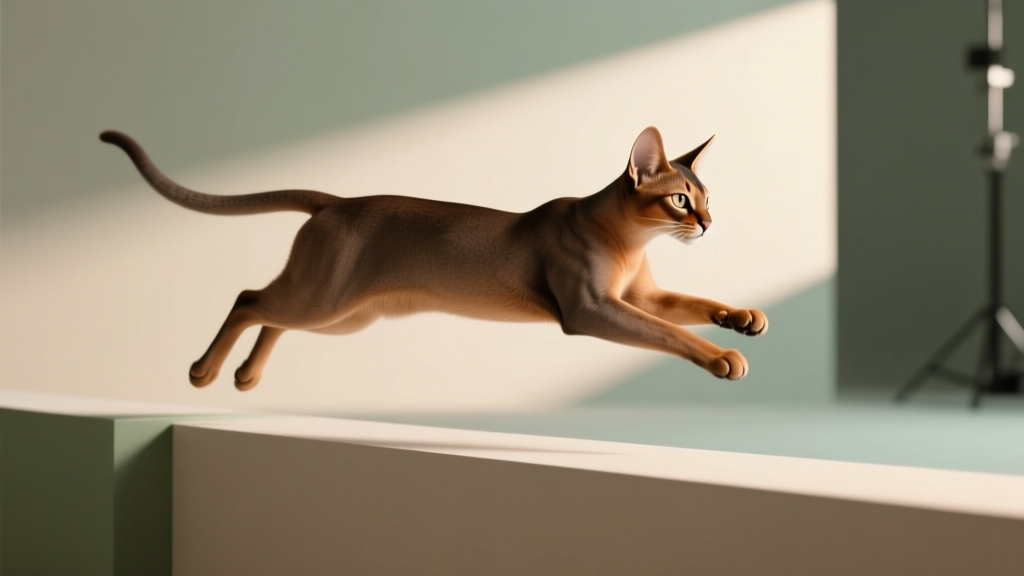
Glide Cat: Agile Movement Breed Selection
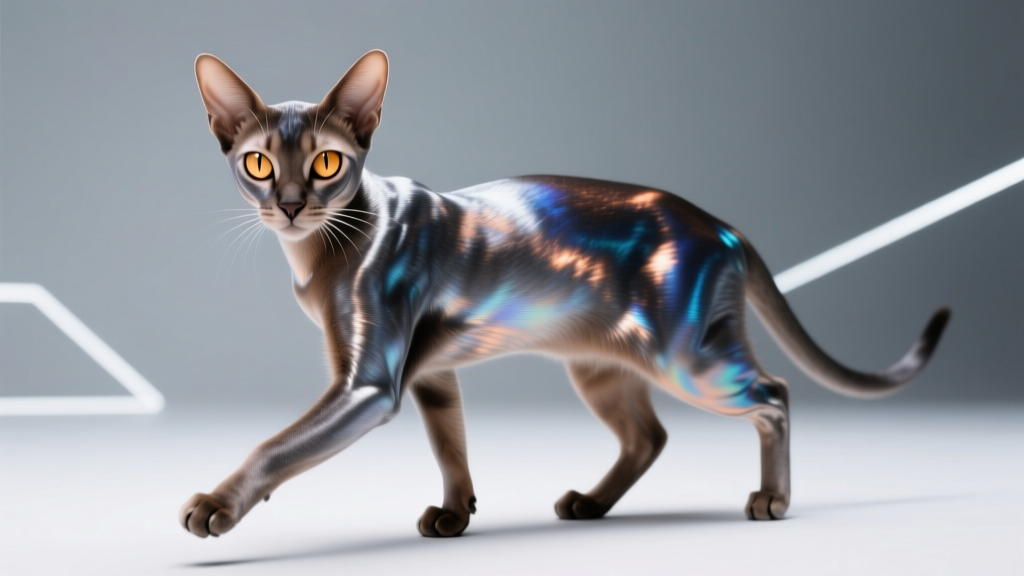
If you’ve ever watched a cat slip across a room like a whisper—no thumps, no clumsy corners, just pure, flowing motion—you already understand the kind of magic people mean when they talk about a “Glide Cat.” This isn’t a single official pedigree with one registry definition. It’s a practical, cat-lover way of choosing a breed (or breed type) that’s famous for athletic grace: cats that seem to float when they run, launch, and land.
For cat enthusiasts, potential adopters, and anyone researching breeds, “Glide Cat” is a helpful lens. It focuses on agile movement, light-footed builds, flexible spines, and that sleek confidence you see in natural jumpers. In this guide, you’ll learn which breeds best match the Glide Cat vibe, what traits create that smooth movement, and how to care for an agile, high-mobility companion so their body stays strong and happy.
Whether you’re dreaming of an elegant sighthound-of-the-cat-world or a spring-loaded acrobat who turns your hallway into a runway, this breed selection guide is designed to help you choose wisely—and fall in love responsibly.
Breed History and Origin: Where “Glide Cats” Come From
Because “Glide Cat” is a movement-based category rather than a single recognized breed, the history is really the story of several cat lines shaped by environment and human preference. Agile, gliding movement shows up most strongly in:
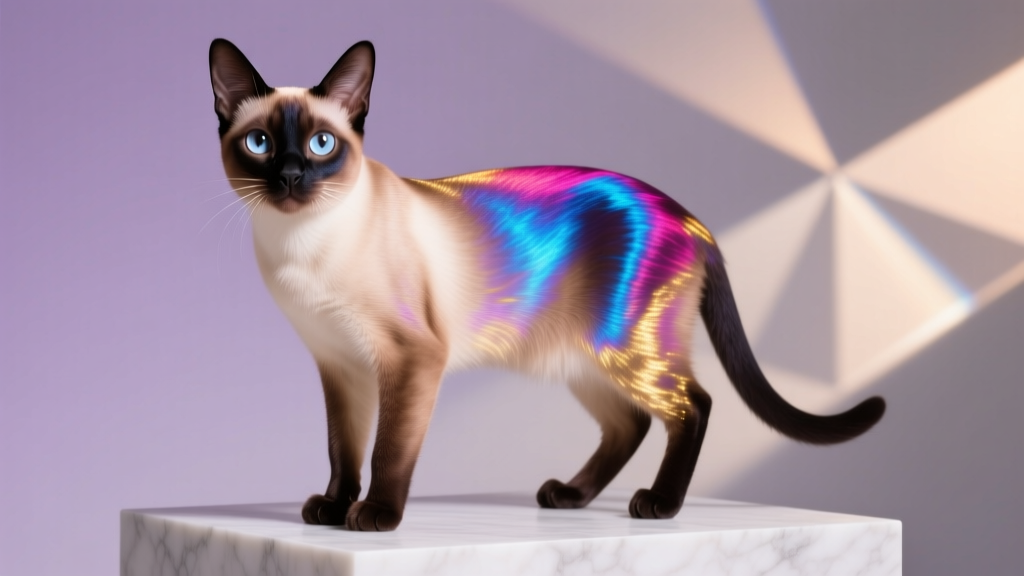
- Sighthound-like cats with long legs and a tucked-up, athletic silhouette (think the Oriental Shorthair and Siamese family, plus the Bengal in a different, muscular way).
- Natural athletes from harsh climates and rugged landscapes where climbing and hunting mattered (the Abyssinian, for example).
- Purpose-bred performance cats that lean into speed, leaping, and balance—like the Bengal, developed from Asian leopard cat ancestry crossed with domestic lines to create a vividly patterned, highly active companion.
Many of the best Glide Cat contenders trace their popularity to the 19th and 20th centuries, when cat fanciers refined body type, coat, and temperament. But the “glide” itself is ancient: it’s classic feline biomechanics—strong hindquarters, elastic spine, and precise paw placement—just emphasized in certain breeds.
Physical Characteristics: What Makes a Cat “Glide”?
Glide Cats tend to share a few eye-catching traits: a lean or athletic build, longer lines (neck/legs/tail), and efficient muscle placement that supports quick acceleration and controlled landings. They often look like they were designed to move.
Typical Size, Weight, Coat, and Colors
| Trait | Common Glide Cat Profile | Notes (Varies by Breed) |
|---|---|---|
| Size | Medium to medium-large | Bengals often look substantial due to muscle; Orientals look long and lean. |
| Weight | ~6–15 lb | Oriental Shorthair often 6–12 lb; Bengal commonly 8–15 lb; Abyssinian ~6–10 lb. |
| Coat | Usually short, sleek, low-drag feel | Short coats showcase movement; some agile breeds can have semi-long coats, but “glide” is most obvious in sleek coats. |
| Colors/Patterns | Wide range | Orientals come in many colors; Bengals often have spotted/rosetted or marbled patterns; Abyssinians are famous for ticked coats. |
| Distinctive features | Long tail, strong hindquarters, flexible torso | Often paired with alert ears and bright, focused eyes. |
Distinctive Features That Signal Agile Movement
- Long, tapered tail for balance—like a tightrope walker’s pole.
- Springy hind legs and a powerful “launch” stance.
- Deep flexibility through the back and shoulders (you’ll see it in how smoothly they turn).
- Fine bone with defined muscle: not bulky, but strong where it counts.
- Paw precision: quiet steps, clean landings, minimal clatter.
Personality and Temperament Traits
Most Glide Cat breeds aren’t couch ornaments. They’re curious, interactive, and often highly people-oriented. “Agile movement” tends to go hand-in-hand with an active mind—these cats want to explore, problem-solve, and play like it’s their job.
Common personality themes include:
- High play drive: Expect sprint bursts, vertical leaps, and impressive mid-air pivots.
- Curiosity and confidence: They’ll patrol shelves, investigate cabinets, and supervise your daily routine.
- Social bonding: Many are affectionate and happiest when included—especially Siamese/Oriental types.
- Vocal or expressive communication: Some lines (notably Siamese-family breeds) may “talk” often.
- Trainability: Their intelligence makes them great candidates for clicker training, leash walking, and puzzle toys.
If you want a serene, low-interaction cat, a Glide Cat-style athlete may feel like too much. But if you love engagement—fetch games, trick training, and watching a cat move like liquid—this category is pure joy.
Health Considerations and Common Issues
Agile cats need healthy joints, strong muscles, and good cardiovascular fitness. While many athletic breeds are robust, each has known risks. Here are common considerations for popular Glide Cat breeds:
- Bengal: Can be prone to hypertrophic cardiomyopathy (HCM) in some lines; also watch for patellar luxation and digestive sensitivities. Choose breeders who screen hearts and prioritize health testing.
- Oriental Shorthair / Siamese-family: Some lines have increased risk of respiratory sensitivity, dental issues, and HCM. Reputable breeders track family histories carefully.
- Abyssinian: Known concerns can include renal amyloidosis in some lines and progressive retinal atrophy (PRA). Ask about genetic testing and lineage transparency.
Across all agile breeds, keep an eye on:
- Joint strain from repeated high jumps (especially if the home setup encourages risky landings).
- Overuse injuries in extremely active cats that never seem to “power down.”
- Weight management: even a small weight gain can stress joints and reduce that signature glide.
A strong relationship with a cat-savvy veterinarian, routine wellness exams, and early screening when recommended by breed clubs can make a big difference.
Care Requirements: Grooming, Exercise, and Diet
Grooming
Many Glide Cat favorites have short, sleek coats that are easy to maintain—one reason they’re so popular with active households. Typical routine:
- Weekly brushing (more during seasonal shedding) to remove loose hair and keep the coat glossy.
- Nail trims every 2–4 weeks—agile cats climb and can snag nails easily.
- Dental care: brush when possible, and use vet-approved dental treats or rinses if recommended.
- Ear checks weekly, especially for cats that get into everything.
Exercise and Enrichment (This Is Non-Negotiable)
To keep that effortless “glide,” you’ll want to provide safe, structured outlets for athletic behavior.
- Vertical territory: Tall cat trees, wall shelves, or sturdy window perches.
- Interactive play: Wand toys, “chase the lure” sessions, and scheduled play 2–3 times daily.
- Solo enrichment: Puzzle feeders, treat balls, track toys, and rotating toy selection.
- Training: Clicker training, target training, and even agility-style obstacle courses.
Safety tip for high jumpers: place soft landing zones near common launch points, and avoid unstable furniture that could tip when a confident cat hits it at speed.
Diet
Agile cats thrive on nutrition that supports lean muscle, stable energy, and joint health. A few practical guidelines:
- Prioritize animal-based protein (cats are obligate carnivores).
- Measure meals to prevent slow weight creep, especially for indoor athletes.
- Hydration matters: wet food or a cat water fountain can support urinary health and recovery.
- Discuss supplements with your vet if you’re considering omega-3s for coat/joints or probiotics for digestion.
Compatibility: Families, Children, and Other Pets
Glide Cat breeds can be wonderful family companions when their energy is understood and respected. They often do best in homes that treat cats like active partners, not background décor.
- With families: Great match for homes that enjoy daily play and interaction. Many will follow you from room to room like a tiny, elegant shadow.
- With children: Often excellent with respectful kids who understand gentle handling and “no chase” rules. Athletic cats may run rather than scratch, but they still need boundaries.
- With other cats: Usually fine when introductions are done slowly. Many active breeds enjoy a similarly playful feline buddy.
- With dogs: Often successful with calm, cat-friendly dogs. Confident, agile cats may even enjoy dog companions if they have escape routes and vertical spaces.
If you’re pairing an agile cat with quieter pets, plan for separate downtime zones. A bored Glide Cat can become an expert at “encouraging” play—even when the other pet is not interested.
Pros and Cons of Owning a Glide Cat
| Pros | Cons |
|---|---|
| Stunning athleticism and graceful movement | Needs daily enrichment; boredom can lead to mischief |
| Often highly intelligent and trainable | May be too energetic for very quiet households |
| Can be deeply social and affectionate | Some lines can be vocal or demanding of attention |
| Short coats are often low-maintenance | High jumpers require a “cat-safe” home setup |
| Great fit for people who enjoy interactive play | Breed-specific health screenings matter (choose sources carefully) |
Glide Cat Breed Selection: Top Breeds Known for Agile Movement
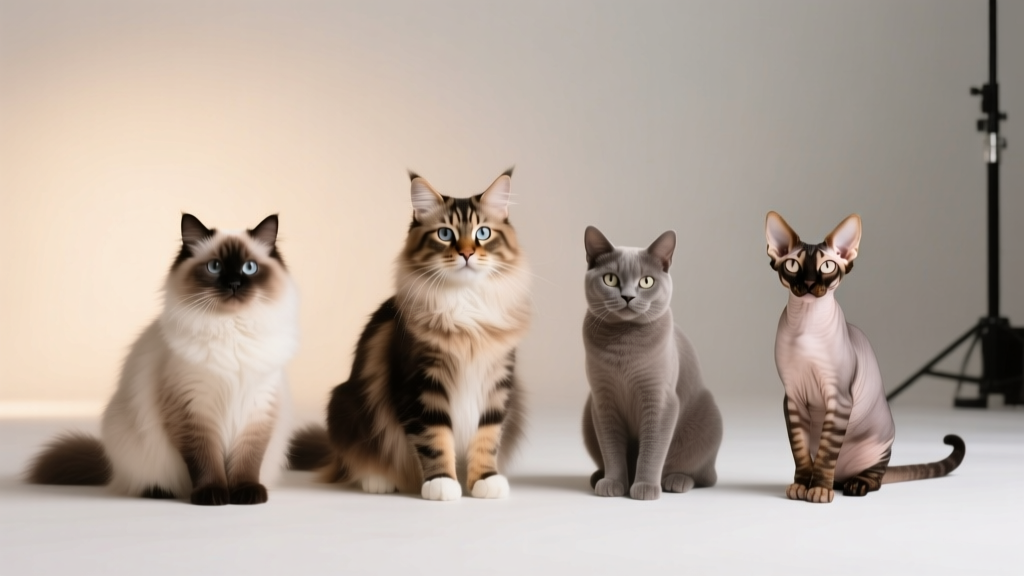
If you’re searching breed-related keywords like “most athletic cat breed,” “agile cat breeds,” or “cats that jump high,” these are some of the best-known Glide Cat contenders:
- Abyssinian: A classic, bright-eyed athlete—busy, clever, and famously active.
- Bengal: Muscular agility with dramatic coat patterns; thrives with lots of play and climbing.
- Oriental Shorthair: Sleek, long-lined, and socially tuned-in; often a true “glider” in motion.
- Siamese: People-focused, expressive, and athletic; loves interactive games and routines.
- Egyptian Mau: Known for speed and a naturally athletic build; often described as one of the faster domestic breeds.
Not sure which is right? Think less about aesthetics and more about lifestyle. If you want a cat that will actively participate in your day, learn tricks, and happily race the length of your home, you’re on the right track.
FAQ: Glide Cat (Agile Movement) Questions
Is the “Glide Cat” an official cat breed?
No. “Glide Cat” is a helpful category name for breeds and breed types known for graceful, agile movement. If you’re registering a cat or researching pedigrees, you’ll want to look at specific recognized breeds like the Bengal, Abyssinian, Siamese, or Oriental Shorthair.
Which cat breed is the most agile?
Agility depends on the individual cat, but breeds frequently praised for athleticism include the Abyssinian, Bengal, Oriental Shorthair, Siamese, and Egyptian Mau. The “most agile” cat is often the one with the best daily enrichment and conditioning.
Do agile cat breeds need more space?
They don’t always need a bigger home, but they do need better space: vertical climbing areas, safe running lanes, and daily interactive play. A small apartment can work beautifully if it’s enriched and cat-friendly.
Are Glide Cat-type breeds good for first-time cat owners?
They can be, especially for first-time owners who want a social, interactive companion and are ready to play and train daily. If you prefer a low-energy cat, consider a calmer breed or an adult cat with a known temperament.
How do I keep an athletic cat from destroying my furniture?
Give them legal outlets: tall scratching posts, horizontal scratchers, climbing shelves, and scheduled play sessions. Rotate toys, use puzzle feeders, and reward calm behavior. Many “problem” behaviors fade when an active cat has enough to do.
Do these breeds get injured from jumping?
They can, especially if they’re overweight, older, or jumping onto unstable surfaces. Use stable cat trees, add soft landing spots, keep nails trimmed for traction, and see a vet if you notice limping, hesitancy to jump, or changes in activity.
Warm Sendoff
A Glide Cat—whether you choose an Abyssinian’s sparkling athleticism, a Bengal’s powerhouse leaps, or the sleek elegance of an Oriental Shorthair—brings a special kind of beauty to everyday life. You don’t just live with them; you watch a tiny predator’s ballet unfold in your living room, day after day, with plenty of affection woven in between the sprints.
If you’re ready for a cat who moves like flowing water and thinks like a little genius, start by matching the breed’s energy to your own routines. When you get that match right, the bond is incredible.
Want to compare more agile cat breeds and find your perfect fit? Explore more breed profiles on catloversbase.com.