Desert Lynx: U.S. Native Breed Creation
If you’ve ever wished for a cat that looks like it strolled in from the high desert—tufted ears, bobbed tail energy, bold spots and swirls—but curls up like a devoted house companion, you’re exactly the kind of person who gets the appeal of the Desert Lynx. This is one of those breeds that makes cat people do a double-take: “Is that a wildcat?” And then, moments later, “Wait… why is it purring in my lap?”
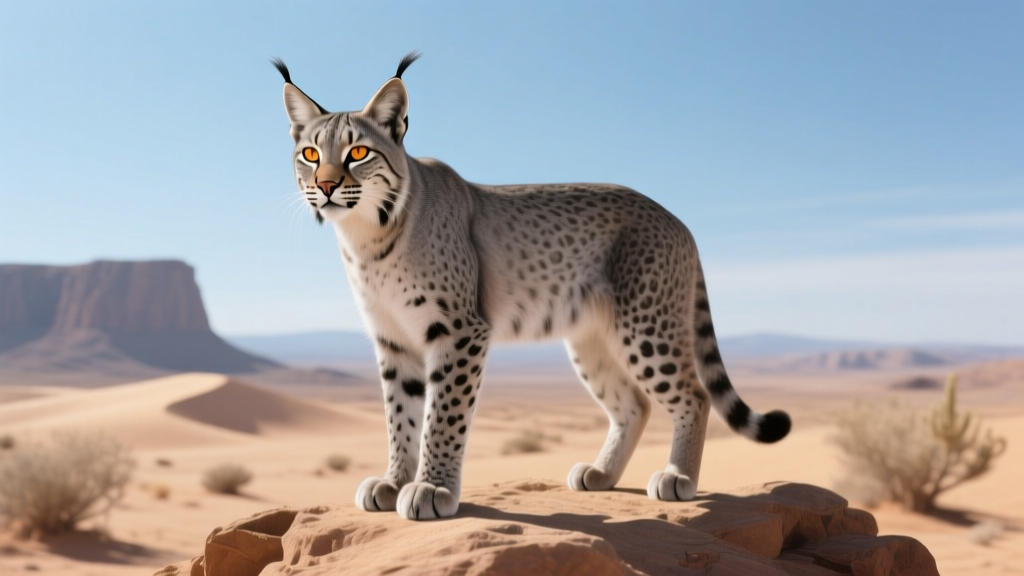
The Desert Lynx is a U.S.-developed, domestic cat type known for its “lynx-like” look (ear furnishings, sturdy build, often a shorter tail) and a personality that’s typically outgoing, family-friendly, and interactive. It’s also wrapped up in the modern story of American breed creation—where dedicated breeders aimed to capture a rugged aesthetic while keeping a home-loving temperament at the center.
Because the term “Desert Lynx” is sometimes used within wider breeding programs and registries vary in terminology, you’ll see it discussed alongside related types (such as American Lynx and other bobtailed, spotted domestic lines). This article focuses on the Desert Lynx as a domestic U.S. native breed creation, emphasizing commonly described traits, care needs, and what it’s like to share your life with one.
Breed History and Origin
The Desert Lynx is part of a wave of American-bred cats developed to resemble wild felines—particularly lynx and bobcat “vibes”—without using wildcat hybrids. Breeders sought:
- A sturdy, athletic build with a broad chest and substantial bone.
- “Lynx” features like ear tufts/furnishings, facial ruffing, and expressive eyes.
- Spotted, marbled, or ticked coats that feel naturally “desert” and outdoorsy.
- A shorter tail in many lines (from naturally occurring domestic bobtail genetics).
- A confident, people-oriented temperament suitable for homes.
Unlike true wildcat hybrids (which can involve serval or Asian leopard cat ancestry), the Desert Lynx is generally described as a domestic breed type developed from select domestic cats. The “U.S. native breed creation” angle matters: this look didn’t come from importing an ancient landrace—it came from intentional American breeding programs and enthusiasts who loved the rugged, outdoorsy aesthetic and wanted it in a friendly family cat.
Registration and naming: Recognition can differ by registry, and “Desert Lynx” may appear as a distinct term in some circles and as a related type or lineage descriptor in others. If you’re researching kittens, ask breeders exactly how they define Desert Lynx within their program, what registries (if any) they work with, and what traits they consistently produce.
Physical Characteristics
The Desert Lynx is known for a “wild look, domestic heart” package. While individual cats can vary, many share an athletic, muscular frame and expressive, tufted features.
| Feature | Typical Desert Lynx Description |
|---|---|
| Size | Medium to large; sturdy, well-boned, athletic |
| Weight | Often ~10–18 lb (some may be smaller or larger depending on lines, sex, and diet) |
| Body | Broad chest, strong shoulders, powerful hindquarters |
| Head | Broad with pronounced whisker pads; strong muzzle |
| Ears | Medium to large; often with ear furnishings/tufts (“lynx tips” look) |
| Tail | Often naturally shorter/bobbed; length can vary (some may have longer tails) |
| Coat | Short to medium; some lines produce longer, plusher coats |
| Color/Pattern | Frequently spotted, marbled, or ticked; a wide domestic color range may appear |
| Eyes | Large, expressive; color varies (gold, green, hazel, and more) |
Coat and Colors
Desert Lynx cats are often admired for coats that read “wild” at a glance—think high-contrast spots, rosettes-like spotting effects in some lines, marbling, or ticking that creates a sandy, outdoorsy blend. Depending on lineage, you may see:
- Spotted patterns with dramatic contrast on the sides and belly.
- Marbled/swirled patterns that feel like woodgrain or desert stone.
- Ticked coats where each hair has bands of color, giving a warm, “sunlit” look.
- Common domestic colors such as brown/black tabby tones, silvers, reds, and more, depending on the breeder’s program.
Distinctive Features
- “Lynx” ear furnishings (tufts and/or heavy ear hair) that frame the face.
- Short tail variations (in many, but not all, Desert Lynx cats).
- A powerful silhouette—they tend to look capable and athletic rather than delicate.
- Bold facial structure with strong whisker pads and an alert expression.
Personality and Temperament Traits
If the Desert Lynx look is what grabs you, the personality is often what seals the deal. Many owners describe Desert Lynx cats as confident, social, and deeply engaged with household life. They’re the kind of cat that wants to be where the action is—then nap in a sunbeam like they earned it.
Commonly reported Desert Lynx temperament traits include:
- People-oriented: Enjoys being near family members and may follow you from room to room.
- Playful and curious: Likes interactive toys, puzzle feeders, and learning routines.
- Confident: Often handles normal household noise and activity well when socialized early.
- Affectionate (but not always clingy): Many are cuddly on their terms and love a good “hang out.”
- Smart: Can learn household rules quickly; some enjoy harness training or fetch-style games.
Like any breed type, individual personality is shaped by genetics, early handling, and environment. If you’re choosing a kitten, a reputable breeder should be able to tell you about the parents’ temperaments and how kittens are raised and socialized.
Health Considerations and Common Issues
Because Desert Lynx cats come from relatively modern breeding programs rather than a centuries-old standardized breed, health profiles can vary by line. Many are robust, but smart owners (and good breeders) stay proactive.
Potential health considerations to discuss with a breeder and your veterinarian:
- General feline wellness: dental disease, obesity risk if overfed, and age-related kidney concerns (common across many cats).
- Joint and mobility support: larger, heavier cats benefit from weight control and appropriate exercise.
- Tail genetics: naturally short tails in domestic cats are often fine, but responsible breeding avoids pairing that could increase risk of spinal/tail issues. Ask what tail gene/lines are used and what screening is done.
- Heart health: some lines of many breeds can see hypertrophic cardiomyopathy (HCM). Ask whether echocardiogram screening is performed on breeding cats.
Health checklist when researching a Desert Lynx kitten:
- Written health guarantee and a clear return policy
- Veterinary records (vaccines, deworming, parasite prevention)
- Details on genetic/health screening performed in the cattery
- Transparent information on tail length/type and breeding practices
Care Requirements (Grooming, Exercise, Diet)
Grooming
Most Desert Lynx coats are short to medium and fairly manageable. Even so, regular grooming keeps the coat glossy and reduces shedding around your home.
- Brushing: 1–2 times per week for short coats; 2–3 times per week if the coat is plusher/longer.
- Nails: Trim every 2–4 weeks; provide scratching posts to help with maintenance.
- Dental care: Brush teeth if possible (even a few times weekly helps), and use vet-approved dental treats as support.
- Ears: Check weekly, especially if the cat has heavy ear furnishings that can trap debris.
Exercise and Enrichment
This is a breed type that often thrives with daily interaction. A bored Desert Lynx may invent hobbies you didn’t approve—like “countertop parkour” or “redistributing houseplants.”
- Daily play: 15–30 minutes of wand toys, chasing games, or fetch-style play.
- Vertical space: cat trees, shelves, and window perches to satisfy climbing instincts.
- Brain games: treat puzzles, clicker training, and rotating toys.
- Optional harness training: many confident cats enjoy safe outdoor walks or enclosed catios.
Diet
Desert Lynx cats do best on a high-quality, protein-forward diet that supports lean muscle. Because many are medium-to-large and athletic, staying ahead of weight gain matters—especially after spay/neuter.
- Choose complete and balanced food (AAFCO-compliant in the U.S.).
- Measure meals rather than free-feeding if your cat gains easily.
- Hydration: encourage drinking with water fountains and wet food options.
- Ask your vet about calorie targets based on your cat’s age, activity level, and body condition.
Compatibility with Families, Children, and Other Pets
Well-socialized Desert Lynx cats are often described as friendly household companions. Their confident, interactive nature can make them a great match for families who want a cat that participates in daily life rather than hiding when things get busy.
- Families and children: Often a solid choice with respectful kids who understand gentle handling and play boundaries.
- Other cats: Typically does well with proper introductions, especially if raised around other cats.
- Dogs: Many can coexist nicely with cat-savvy dogs; early introductions and safe escape routes are key.
- Small pets: As with most cats, prey drive can exist—use secure enclosures and never rely on “friendship” as safety.
The best outcomes come from early socialization and a home that provides structure: predictable routines, play outlets, and calm introduction processes.
Pros and Cons of Owning a Desert Lynx
| Pros | Cons |
|---|---|
|
|
FAQ: Desert Lynx Cats
Is the Desert Lynx a wildcat hybrid?
Generally, Desert Lynx cats are described as domestic cats developed in the United States to resemble wildcats in appearance. They are typically not serval or leopard cat hybrids. Always confirm lineage claims with the breeder and ask for documentation about their breeding program.
Do Desert Lynx cats always have a bobbed tail?
No. Many Desert Lynx cats are known for shorter tails, but tail length can vary by line and individual cat. Some may have a noticeably bobbed tail; others may have a longer tail while still showing “lynx-like” features.
How big do Desert Lynx cats get?
Most are medium to large, often landing around 10–18 pounds, with males typically larger than females. Genetics, diet, and activity level influence final size.
Are Desert Lynx cats good for first-time cat owners?
They can be, especially if you want a friendly, interactive cat and you’re ready to provide daily play and enrichment. If you prefer a very low-energy, hands-off cat, a Desert Lynx may feel like “too much personality.”
Do Desert Lynx cats shed a lot?
Shedding varies with coat length and season. Most short-to-medium coats shed a moderate amount. Weekly brushing (more during seasonal coat changes) keeps shedding manageable and helps prevent hairballs.
What should I ask a Desert Lynx breeder before buying a kitten?
Ask about health screening (including heart and any tail/spine considerations), kitten socialization, veterinary care records, contract terms, and how consistently their cats match the Desert Lynx look and temperament. A responsible breeder will welcome detailed questions.
Warm Parting Thoughts
The Desert Lynx is a celebration of what cat lovers adore about modern U.S. breed creation: a bold, outdoorsy look paired with a companionable, home-centered nature. If you’re drawn to athletic builds, tufted ears, striking patterns, and a cat that likes to be part of your day, this breed type can be a seriously rewarding match.
Give your Desert Lynx the basics—play, vertical space, solid nutrition, routine vet care—and you’ll likely end up with a confident, charming shadow who brings a little “desert wild” magic to your living room.
Want to meet more fascinating felines? Explore more breed profiles on catloversbase.com and find the cat that fits your home and your heart.