American Bobtail: Wild-Looking Domestic Breed
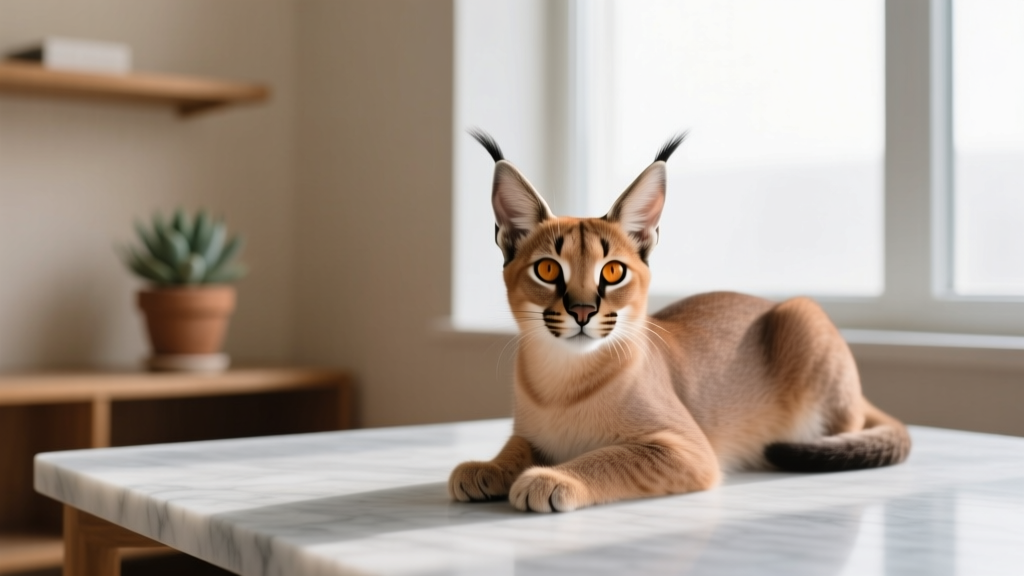
If you’ve ever wished for a “tiny lynx” to share your couch (without the wild instincts), the American Bobtail may be your dream cat. With its naturally short tail, athletic build, and alert, slightly rugged expression, this breed gives off serious wilderness vibes—yet it’s a deeply affectionate, people-focused companion at home.
American Bobtails are the kind of cats that make visitors do a double-take. They look exotic, but they act like devoted family members: playful, smart, and happiest when they’re included in everyday life. Many fans describe them as “dog-like” in the best way—ready to greet you at the door, follow you from room to room, and learn games or tricks.
Whether you’re researching breeds or actively looking for the right fit for your household, this guide covers what makes the American Bobtail special: history, temperament, care, health, and what life is really like with this wild-looking domestic breed.
Breed History and Origin
The American Bobtail is a relatively young breed with a distinctly American story. The most widely shared origin traces back to the 1960s, when a couple found a short-tailed brown tabby kitten during a trip in the American Southwest. That kitten—often referenced as the foundation cat in early accounts—was bred with a domestic female, and the naturally short tail appeared in some of the kittens.
From there, breeders and enthusiasts began developing a consistent type: a sturdy, athletic cat with a naturally bobbed tail and a bright, confident personality. Unlike some breeds created from a narrow gene pool, American Bobtail development relied on outcrossing to domestic cats to strengthen genetic diversity and maintain robust health.
- Developed: United States (modern breed development began in the 1960s)
- Breed type: Naturally occurring bobtail mutation, selectively developed
- Recognition: Recognized by major cat associations including TICA and CFA (in various classes and timelines depending on the organization)
A quick myth-buster: American Bobtails are sometimes mistaken for a bobcat hybrid because of their look. They are domestic cats, and reputable breeders do not claim bobcat ancestry as part of the breed standard.
Physical Characteristics
The American Bobtail is built like a little athlete: muscular, substantial, and surprisingly agile. Their defining feature is the short “bobbed” tail, but the breed is more than just a tail. A broad chest, sturdy legs, and a slightly wild facial structure give them that outdoorsy presence cat lovers adore.
| Feature | Typical Traits |
|---|---|
| Size | Medium to large |
| Weight | Males often ~12–16 lbs; females often ~7–11 lbs (varies by line and lifestyle) |
| Body | Muscular, solid, rectangular build; substantial bone structure |
| Head & Face | Broad wedge with strong cheekbones; expressive “hunter” look |
| Eyes | Large, almond-shaped; eye color can vary and may complement coat color |
| Coat | Shorthair or semi-longhair; resilient, often described as “shaggy” in longer coats |
| Colors & Patterns | Many colors/patterns accepted; tabby patterns are especially common and enhance the wild look |
| Tail | Naturally short, usually 1–4 inches; may be straight, slightly curved, or kinked |
That Signature Bobbed Tail
The American Bobtail’s tail is unique from cat to cat. Some have a tail that looks like a fluffy pom-pom; others have a short tail with a gentle bend. The breed standard generally favors a visible bob (not a full-length tail), but length and shape vary naturally.
- Texture: Can feel like a little handle—sometimes flexible, sometimes with a firm kink
- Movement: Many bobtails “wiggle” their tails when excited
- Care note: Never pull or tug the tail; always handle with gentle respect
Personality and Temperament Traits
American Bobtails tend to be confident, social, and emotionally tuned-in. If you want a cat that simply “decorates the room,” this probably isn’t your breed. Bobtails usually want to be where the action is—quietly supervising dinner prep, lounging near your work setup, or joining family movie night.
Common American Bobtail personality traits include:
- Affectionate without being clingy: Many enjoy cuddles, but they’re also content to hang nearby.
- Smart and interactive: They often learn routines quickly and can be trained with positive reinforcement.
- Playful well into adulthood: Expect a cat who still loves games at 5 years old.
- Adaptable: Typically handle new environments better than more sensitive breeds—especially with a calm introduction.
- Gentle confidence: They’re not usually skittish, and they often greet guests with curiosity.
Because they’re bright and engaged, American Bobtails can become bored if left without enrichment. A bored Bobtail may “redecorate” (knock things off shelves), open cabinets, or invent their own games. The fix is simple: give them appropriate outlets and attention.
Health Considerations and Common Issues
Thanks to a history that incorporates diverse domestic lines, the American Bobtail is often described as a generally hardy breed. Still, every cat is an individual, and responsible breeders focus on health, temperament, and structure—not just looks.
Potential concerns to be aware of:
- Tail/spine-related sensitivity: The bobbed tail comes from a natural mutation. While many American Bobtails live perfectly normal lives, any cat with a shortened tail should be evaluated thoughtfully for spinal comfort and mobility. Reputable breeding aims to avoid extremes.
- Dental disease: Like many breeds, they can develop tartar and gum issues without routine dental care.
- Weight gain: Their sturdy build can hide extra pounds. Overfeeding can lead to obesity-related issues in any cat.
Your best health strategy is refreshingly old-school: choose an ethical breeder (or a reputable rescue), schedule routine vet visits, keep vaccinations and parasite prevention current, and maintain a healthy weight.
Care Requirements (Grooming, Exercise, Diet)
Grooming
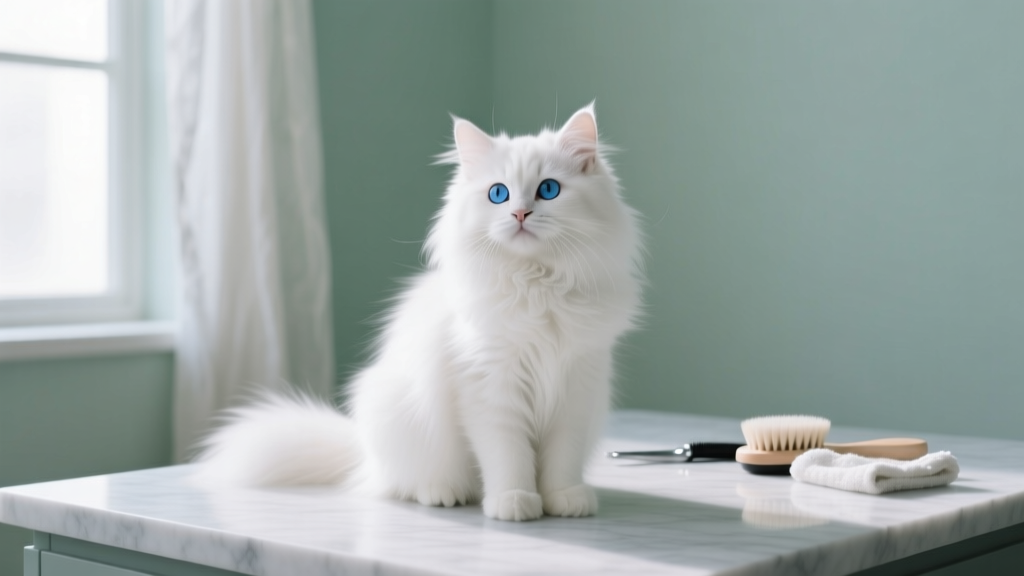
American Bobtails come in shorthair and semi-longhair varieties. Both are fairly manageable, though the longer coat benefits from a bit more routine brushing.
- Shorthair: Brush 1–2 times per week to remove loose hair and distribute skin oils.
- Semi-longhair: Brush 2–3 times per week; focus on the ruff, belly, and behind the legs where tangles can form.
- Seasonal shedding: Expect heavier shedding in spring/fall; increase brushing as needed.
- Nails & ears: Trim nails every 2–4 weeks; check ears weekly and clean only if your vet recommends it.
Exercise and Enrichment
This is an athletic, playful breed. They don’t just want a toy—they want a game. Rotate toys to keep things fresh, and provide vertical space so they can climb, perch, and observe.
- Daily interactive play: 15–30 minutes (split into shorter sessions if needed)
- Favorite activities: Wand toys, fetch (many will!), puzzle feeders, treat hunts
- Home setup: Cat tree, scratching posts (vertical and horizontal), window perch
Diet
American Bobtails thrive on a high-quality diet that supports lean muscle and healthy energy. Exact portions depend on age, activity level, and whether your cat is spayed/neutered.
- Protein-forward nutrition: Look for named animal proteins as primary ingredients.
- Portion control: Measure meals rather than free-feeding if weight is creeping up.
- Hydration: Many do well with a mix of wet and dry food; a water fountain can encourage drinking.
- Treats: Keep to a small percentage of daily calories—especially if using treats for training.
Compatibility with Families, Children, and Other Pets
The American Bobtail is often a wonderful match for families who want an interactive, friendly cat. Their social nature and playful attitude can make them excellent companions for households with kids—provided children are taught respectful handling and calm interaction.
- With children: Usually patient and game for play; supervise young kids to prevent tail pulling or rough grabbing.
- With cats: Many do well with other cats when introductions are slow and structured.
- With dogs: Often compatible with cat-friendly dogs; their confident vibe can help, but safe introductions are key.
If you’re adding an American Bobtail to a multi-pet home, plan a gradual introduction with scent swapping, separate spaces, and short supervised meetings. Their curiosity can be a big advantage, but they still deserve a low-stress transition.
Pros and Cons of Owning This Breed
| Pros | Cons |
|---|---|
| Striking wild look with a sweet, domestic temperament | Needs engagement; boredom can lead to mischief |
| Affectionate, social, and often great with families | May not suit someone wanting a very independent, hands-off cat |
| Smart and trainable; many enjoy fetch and puzzle toys | Some lines can be slow to mature; patience needed during “teen” phase |
| Generally hardy with good breeder practices | As with any bobtail breed, thoughtful selection matters for healthy structure |
| Comes in many coat colors and both short/long coats | Semi-longhair coats may require more frequent brushing |
FAQ: American Bobtail Cats
Are American Bobtails actually part wildcat or bobcat?
No. The American Bobtail is a domestic cat breed. Their “wild” appearance comes from selective breeding and common tabby patterns, not bobcat ancestry.
Do American Bobtails have problems because of their short tails?
Most live normal, active lives, but tail length is tied to spine structure, so ethical breeding and good veterinary care matter. Avoid anyone breeding for extreme tail traits, and always handle the tail gently.
How big do American Bobtail cats get?
They’re typically medium to large. Males are often around 12–16 pounds, and females around 7–11 pounds, though individuals can be outside those ranges.
Are American Bobtails good indoor cats?
Yes—many thrive indoors, especially with climbing space, interactive play, and puzzle-style enrichment. If you want safe outdoor time, consider a catio or harness training.
Do American Bobtails like to be held?
Many enjoy affection and will happily cuddle, but preferences vary. Some love being carried; others prefer sitting beside you or leaning in for head bumps.
How much grooming does an American Bobtail need?
Shorthairs usually need a weekly brushing. Semi-longhairs do best with brushing a few times per week to prevent tangles and reduce shedding around the home.
Conclusion
The American Bobtail is a standout for cat lovers who crave that wild-cat aesthetic but want a warm, friendly companion. They’re playful, clever, and deeply people-oriented—the kind of cat that feels like a true partner in your daily routine. If you can offer interactive time, enrichment, and a loving home, this bobtailed adventurer may be a perfect match.
Wishing you many happy head-bonks and purring evenings with your future feline friend. If you’re exploring other breeds too, visit catloversbase.com to discover more cat breed profiles and find the cat that fits your life.