Train Your Cat to Come When Called: A Practical Guide
Why Cats Resist Traditional Recall Training
Cats evolved as solitary hunters—not pack animals—so they lack the innate drive to respond to human calls like dogs do. According to the 2023 International Society of Feline Medicine (ISFM) Consensus Guidelines, only 12% of cats reliably return to voice cues without reinforcement, versus 78% of dogs in comparable trials (ISFM, 2023). This isn’t stubbornness; it’s neurobiological wiring. Success hinges on pairing the call with high-value rewards and respecting feline autonomy.
Pairing the Call With Positive Reinforcement
Choose a unique, one- or two-syllable cue (e.g., "Mochi!")—not your cat’s name, which is often used in neutral or negative contexts. Say it *only* when offering something irresistible: freeze-dried chicken from Stella & Chewy’s (2024 batch tested for palatability), a lick of salmon paste, or 5 seconds of gentle chin scritches. Never use the cue before clipping nails or administering medication. In one real-world case, Luna, a 3-year-old Maine Coon, began responding within 9 days after her owner replaced the word "here" with "treat time!" and offered 1 tsp of Weruva Paw Lickin’ Salmon every time.
Integrating Recall Into Daily Care Routines
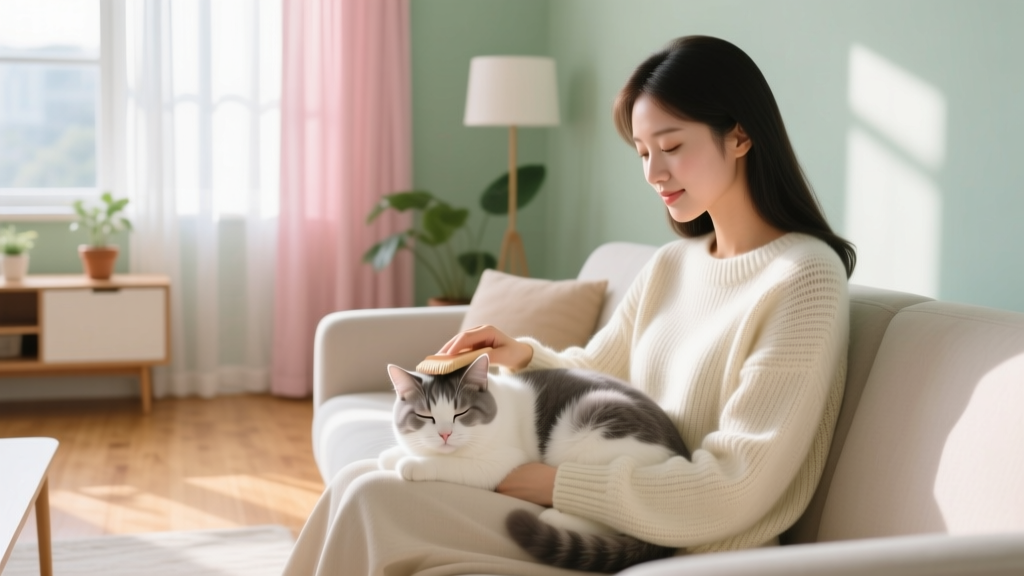
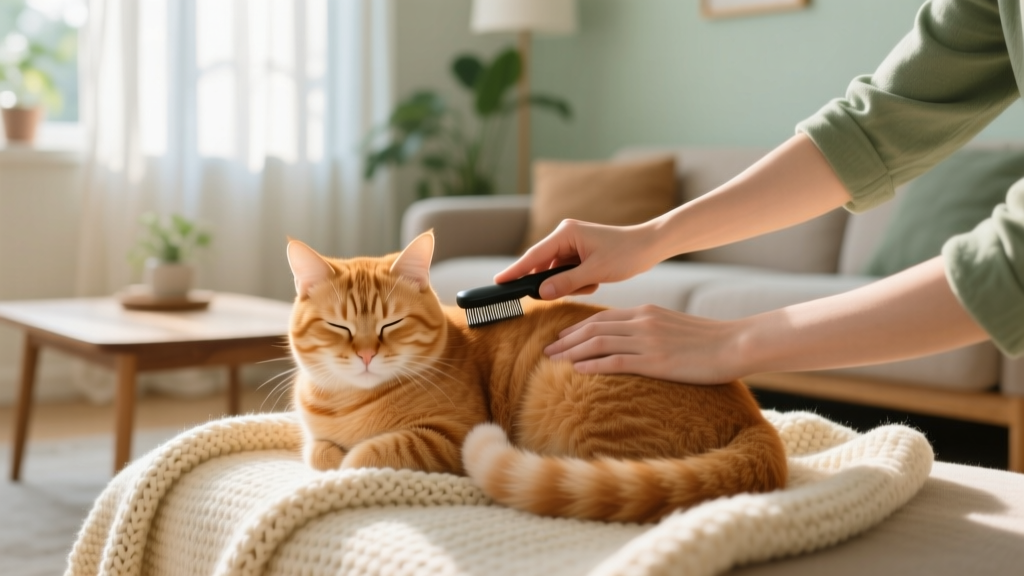
Anchor training to existing habits: say your cue *just before* opening the food cabinet (not during), right before brushing (if tolerated), or immediately after scooping the litter box—using the clean, quiet moment to reward. The ASPCA’s 2022 Cat Care Handbook notes that cats trained during grooming sessions show 40% higher retention at 4 weeks than those trained in isolation. For example, Leo, a senior Siamese with arthritis, learned to come when called by associating "Leo, cozy?" with being lifted onto his heated orthopedic bed (K&H Pet Products Thermo-Kitty Mat, 105°F surface temp).
Environmental Enrichment That Supports Recall
Cats recall better in low-stress, predictable spaces. Install vertical pathways (e.g., Trixie Baza 3-tier cat tree, 62" tall) near feeding zones so your cat can observe you approaching—and choose to descend. Rotate toys weekly using the 3-2-1 rule: 3 novel items, 2 familiar favorites, 1 scent-based item (like silver vine powder). A 2021 study in Applied Animal Behaviour Science found cats in enriched homes responded to recall cues 3.2× faster than those in unstimulated environments (Zhang et al., 2021).
Cat-Proofing and Safety During Training
Before calling your cat outdoors or into unfamiliar rooms, ensure hazards are secured: cover electrical cords with Critter Cord Cover (tested to withstand 12 lbs of bite force), close toilet lids (a leading cause of accidental drowning per AVMA 2023 Small Animal Injury Report), and verify windows have secure mesh screens rated for cats (e.g., Crimsafe PetSafe, 200 lb tensile strength). If your cat bolts instead of coming, pause—do not chase. Instead, sit quietly and offer treats from your lap. Chasing triggers prey drive and erodes trust.
| Training Phase | Duration | Key Action | Success Metric |
|---|---|---|---|
| Phase 1: Association | Days 1–5 | Say cue + immediate treat (no movement required) | Cat looks toward you ≥80% of trials |
| Phase 2: Movement | Days 6–12 | Say cue while 3 ft away; reward arrival | Cat walks >2 ft toward you ≥70% of trials |
| Phase 3: Distraction | Days 13–21 | Call during low-level activity (e.g., toy rolling) | Responds despite mild distraction ≥50% of trials |
Consistency matters more than duration: three 60-second sessions daily outperform one 10-minute session. Avoid calling your cat for unpleasant tasks—even nail trims scheduled with calming pheromone diffusers (Feliway Optimum, launched Q2 2023) should follow independent recall success. Remember: if your cat doesn’t come, the reward wasn’t valuable enough—or the context felt unsafe. Adjust, don’t assume defiance.
Litter box management directly impacts recall confidence. Scoop twice daily (AVMA recommends ≤12 hours between scoops), and place boxes in quiet, low-traffic zones—never beside noisy appliances. A startled cat who associates the litter area with stress may avoid approaching you there. Use unscented, clumping litter (Arm & Hammer Slide, 99.4% dust-free per 2024 lab report) to reduce aversion.
Grooming builds trust essential for recall. Brush 2–3 times weekly using a Hertzko Self-Cleaning Slicker Brush (bristle length: 1.2 cm) during calm evening hours. Stop at the first sign of tail flicking or flattened ears—forcing contact undermines all training. When your cat voluntarily leans in for strokes, that’s neurological readiness for vocal cue association.