Grooming a Cat That Hates Brushing
Why Some Cats Resist Brushing
Many cats develop an aversion to brushing due to past negative experiences, sensitive skin, or simply a dislike of being restrained. Understanding the root cause helps you choose the right approach.
Start With the Right Tools
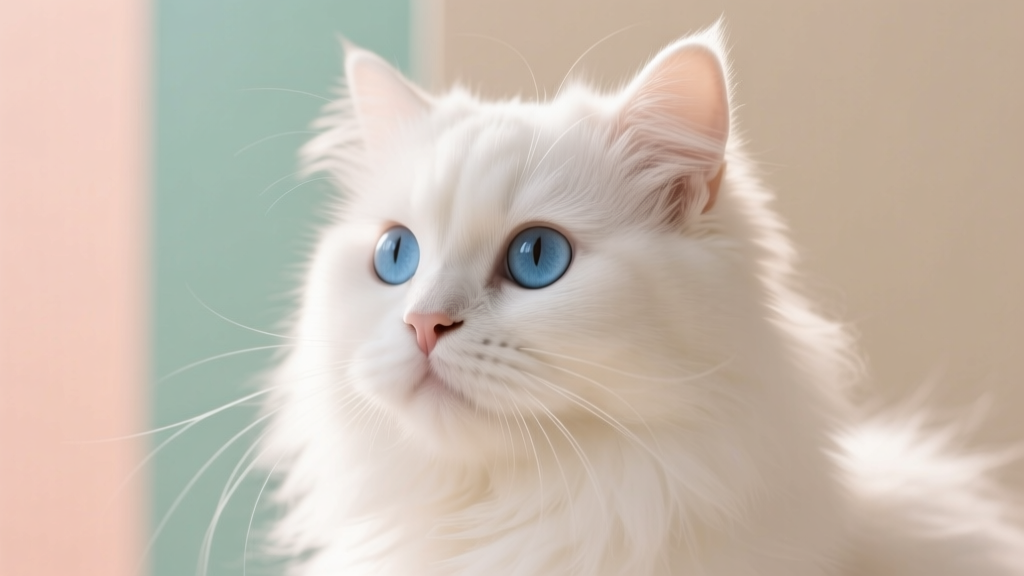
Use a soft-bristle brush or grooming glove for short-haired cats. For long-haired breeds, a wide-tooth comb works better than slicker brushes that can pull and cause pain. Always test the brush on your own skin first.
Build Positive Associations
- Introduce the brush during relaxed moments, not when your cat is active
- Let your cat sniff and rub against the brush before any contact
- Pair brushing with treats after every few strokes
- Keep initial sessions under 30 seconds and gradually extend
The Less Is More Technique
Focus on areas cats enjoy being touched: behind the ears, under the chin, and along the cheeks. Avoid the belly and tail base until your cat is comfortable. Three short sessions per week beat one long forced session.
When to Seek Professional Help
If your cat has severe matting, consult a professional groomer. Attempting to cut mats with scissors can easily result in skin injuries.