Senior Cat Comfort: Home Adjustments That Help
Understanding Your Senior Cat's Changing Needs
Cats are considered senior at around 11 years old. As they age, they face arthritis, declining vision and hearing, reduced kidney function, and cognitive changes. Small adjustments to your home can dramatically improve their quality of life.
Easy-Access Litter Boxes
High-sided litter boxes become difficult for arthritic cats. Switch to low-entry boxes or cut an entry point into existing boxes. Place boxes on every floor your cat uses.
Heated Beds and Warm Spots
Senior cats seek warmth because their circulation is slower. A heated cat bed or microwavable pad under a blanket provides joint relief. Place beds away from drafts.
Ramps and Steps
If your cat can no longer jump onto furniture, provide pet ramps or steps. Choose non-slip surfaces for stability.
Food and Water Adjustments
Elevated bowls reduce neck strain during meals. Consider switching to wet food for better hydration. Your vet may recommend a senior-specific diet.
Night Lights for Vision Decline
If your cat seems disoriented at night, small LED night lights in hallways and near the litter box help them navigate.
Gentle Grooming Support
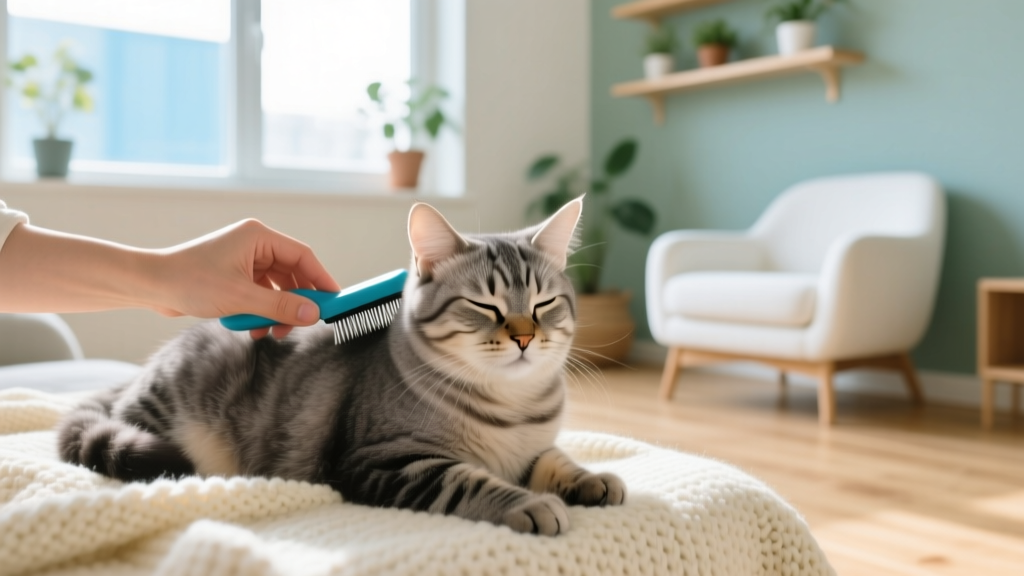
Senior cats groom less effectively due to stiffness. Help with daily brushing using a soft brush. Check for mats behind ears and under legs.
Regular Vet Checkups
Senior cats should see a vet every 6 months. Blood work catches kidney disease, hyperthyroidism, and diabetes early.