Seasonal Cat Care Tips for Every Home
Grooming Through the Seasons
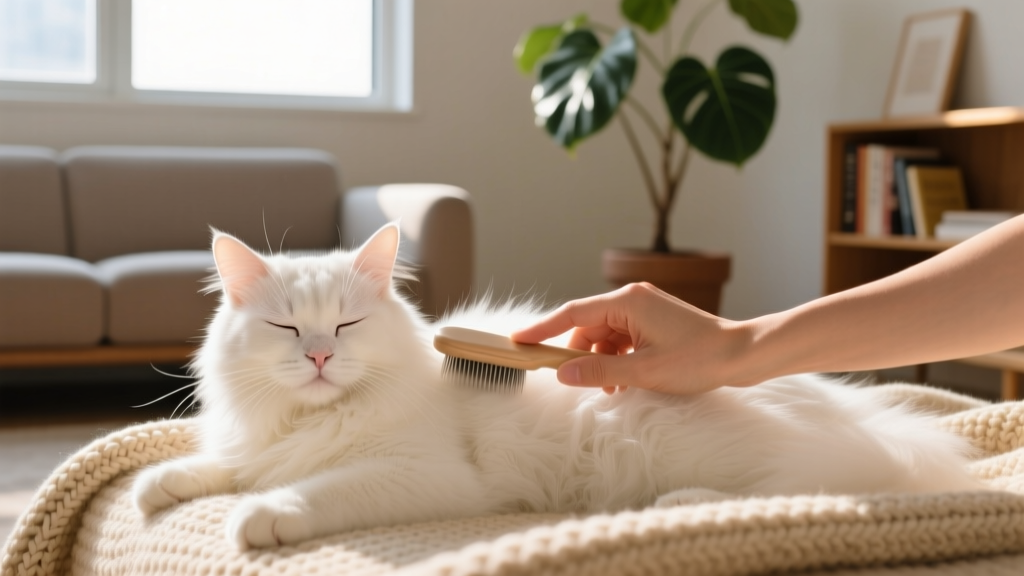
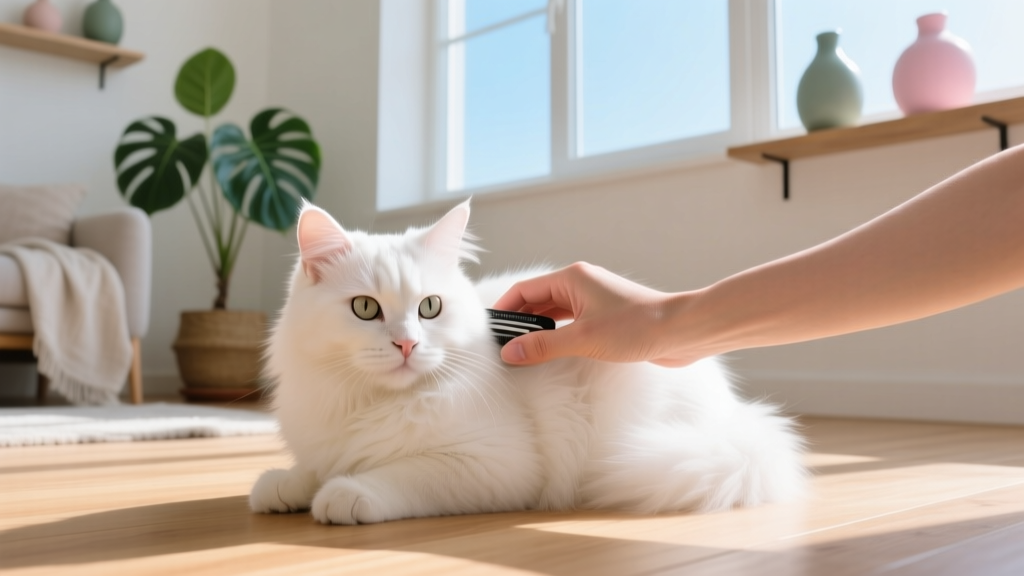
Spring shedding peaks in March–May, with cats losing up to 70% more undercoat than winter (ASPCA Animal Poison Control, 2023). Brush longhairs daily using a FURminator deShedding Tool (model FM12-1000) to reduce hairballs. In summer, avoid shaving—cats regulate heat through paw pads and ear vasculature, not fur density. Fall brings renewed shedding; switch to a rubber grooming mitt twice weekly. Winter dry air increases static and dander—use a humidifier set to 40–50% RH indoors.
Litter Box Management by Season
Cold floors deter litter use: place boxes on carpet or use heated mats (K&H Thermo-Kitty Heated Pad, 100°F surface max). In summer, high humidity promotes bacterial growth—scoop litter at least twice daily and fully replace clay litter every 5–7 days (per World Small Animal Veterinary Association guidelines, 2022). During spring pollen season, wipe paws after outdoor access (if supervised) to prevent tracking allergens into litter areas. One real-world case: A Portland owner noticed her senior cat avoiding the basement litter box when temps dropped below 60°F—relocating it to a warmer hallway resolved elimination issues within 48 hours.
Environmental Enrichment Shifts
Indoor cats need dynamic stimulation year-round. Rotate toys quarterly: use feather wands in spring (mimicking birds), crinkle balls in summer (cool texture), cardboard boxes with dried lavender in fall (scent enrichment), and heated cat caves in winter (K&H Pet Products Self-Warming Bed, tested at 102°F surface temp). Install window perches facing bird feeders—but add UV-blocking film to prevent overheating. A 2021 University of Lincoln study found cats exposed to rotating enrichment showed 32% fewer stereotypic behaviors over 12 weeks.
Cat-Proofing for Seasonal Hazards
Spring: Secure lilies (all parts toxic—just 2–3 petals cause acute kidney failure per ASPCA Toxicology Center, 2024). Summer: Keep citronella candles and sunscreen (zinc oxide) out of reach—ingestion causes vomiting and hemolysis. Fall: Store antifreeze (ethylene glycol) in sealed cabinets; as little as one teaspoon is fatal to a 10-lb cat. Winter: Check car engines before starting—stray or curious cats may nest in warm engine compartments, especially December–February. In Chicago, 17 feline injuries from hood-related incidents were reported to local shelters in January 2025 alone.
Daily Routines Adjusted Year-Round
Maintain consistent feeding times but adjust portions: reduce calories by 10% in winter if activity drops (per AAHA Nutrition Guidelines, 2023). Weigh cats monthly—ideal weight loss is ≤1% body weight/week. Perform ear checks weekly: yeast infections spike in humid months (July–August), while dry winter air increases wax buildup. Use Virbac Epi-Otic Advanced ear cleaner biweekly. One example: A San Diego owner tracked her cat’s water intake via a SmartCat Fountain (model SCF-200); she detected a 25% increase in spring—prompting early vet screening that revealed stage I chronic kidney disease.
| Season | Key Grooming Frequency | Litter Change Interval | Enrichment Priority |
|---|---|---|---|
| Spring | Daily brushing (longhair) | Every 7 days | Bird-watching perches |
| Summer | Every other day + paw wipes | Every 5 days | Cool ceramic tiles & fans |
| Fall | 2x/week rubber mitt | Every 7 days | Scented boxes (lavender/chamomile) |
| Winter | Weekly + humidifier use | Every 7 days + heated pad | Heated beds & tunnel play |