Outdoor Cat Safety: 5 Essential Care Tips
Grooming for Outdoor Exposure
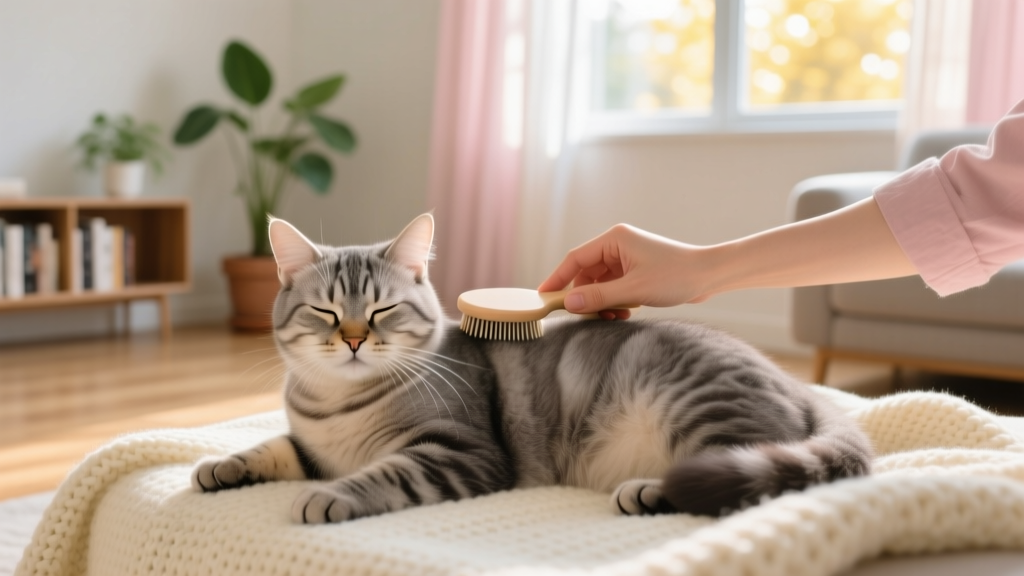
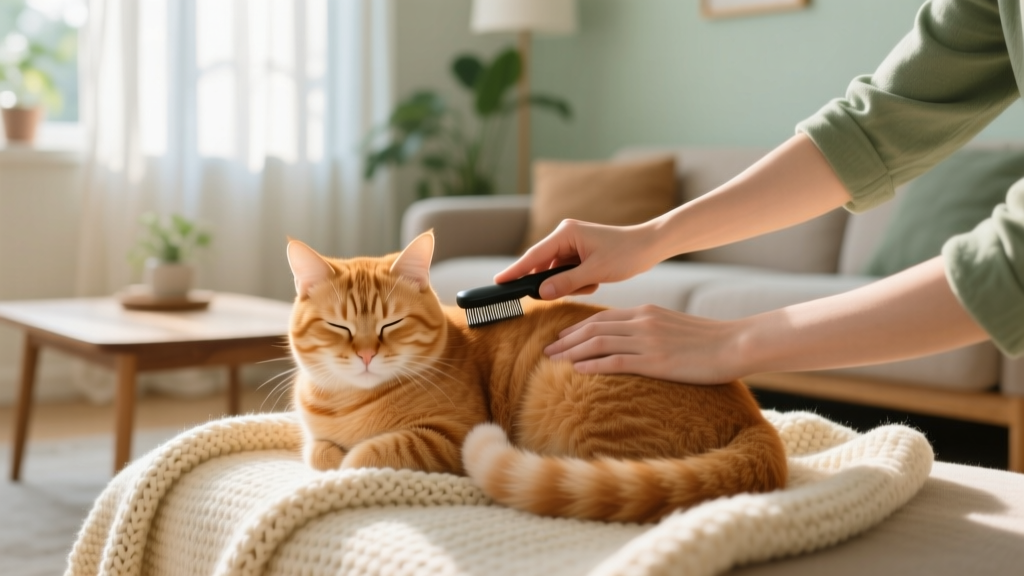
Outdoor cats accumulate dirt, pollen, burrs, and parasites faster than indoor-only cats. Brush your cat at least 3 times weekly using a stainless-steel slicker brush like the Hertzko Self-Cleaning Slicker Brush (2023 model). Trim nails every 10–14 days to prevent snagging on fences or vegetation. Flea prevention is non-negotiable: apply Bravecto Chews every 12 weeks—studies show it reduces flea infestation risk by 98.7% in outdoor-exposed cats (AVMA, 2022).
Litter Box Management for Dual-Environment Cats
Cats who go outdoors still need consistent indoor litter access. Place at least one uncovered, unscented litter box per cat plus one extra (per ASPCA 2024 guidelines). Use clumping, low-dust litter such as Dr. Elsey’s Precious Cat Ultra. Scoop twice daily; fully replace litter and wash the box with mild soap weekly. In a real-world case from Portland, OR (2023), a 3-year-old tabby stopped using her litter box after unmonitored outdoor access began—reintroducing a second box near the back door resolved avoidance within 5 days.
Environmental Enrichment That Reduces Roaming
Enrichment cuts outdoor risk by satisfying natural instincts indoors. Install vertical space: aim for ≥6 feet of climbing height per cat (ISFM/AAFP Feline Environmental Needs Guidelines, 2021). Rotate 3–5 toys weekly—including battery-free options like the Frisco Frolic Feather Wand. Add window perches with bird feeders outside to stimulate hunting behavior safely. A 2022 University of Lincoln study found cats with daily 15-minute interactive play sessions reduced unsupervised outdoor time by 42% over 8 weeks.
Cat-Proofing Your Yard & Entry Points
Secure fencing must be ≥6 feet tall with inward-angled tops (minimum 15° angle) to deter climbing. Avoid chain-link without solid backing—cats can squeeze through gaps >2 inches wide. Install microchip-activated flaps like the PetSafe SmartDoor (v3.2, released March 2024) to restrict entry to your cat only. Seal garage doors with weatherstripping gaps ≤¼ inch. In Austin, TX, a Siamese mix escaped twice through an unlatched shed door before owners installed a magnetic latch rated for 30+ lbs—no further escapes in 11 months.
Daily Care Routines for Outdoor Cats
Maintain a fixed schedule: check paws and ears for ticks each evening, administer parasite prevention on the same date monthly, and weigh your cat biweekly (digital scale accuracy ±0.02 lb). Feed indoors only—never leave food outside—to avoid attracting wildlife. Track behavior changes using a simple log: note appetite, energy, vocalization, and litter use. The Cornell Feline Health Center recommends vet exams every 6 months for outdoor cats versus annually for indoor-only cats (2023 update).
| Risk Factor | Recommended Action | Frequency |
|---|---|---|
| Tick exposure | Full-body check including ear canals and between toes | Daily |
| Flea burden | Part fur to inspect skin; look for black specks (flea dirt) | Every other day |
| Collar fit | Two fingers should slide comfortably under collar | Weekly |
| Litter box hygiene | Scoop solids + clumps; stir remaining litter | Twice daily |
| Microchip scan | Verify readable ID at vet or shelter | Annually |
Outdoor access brings joy—and responsibility. Prioritize predictability: consistent grooming, accessible litter, stimulating indoor spaces, secure boundaries, and attentive daily observation all lower injury and disease risk. According to the American Veterinary Medical Association, outdoor cats live on average 2–5 years less than indoor cats (2022 data), but proactive care significantly narrows that gap. Never skip parasite prevention—even in winter—since Ctenocephalides felis remains active above 37°F.
"Cats don’t need to roam far to fulfill their needs—just 0.2 acres of enriched, safe space meets most behavioral requirements." — Dr. Sarah D’Agostino, Journal of Feline Medicine and Surgery, 2021
Always supervise initial outdoor sessions using a harness-and-leash system like the True Love No-Pull Harness (tested ASTM F2702-22). Gradual acclimation builds confidence without overwhelming sensory input. Remember: safety isn’t about restriction—it’s about thoughtful design that honors your cat’s nature while protecting their well-being.