12-Week-Old Kitten Litter Training & Care Guide
Litter Box Management
At 12 weeks, most kittens are fully capable of consistent litter box use—but accidents still happen. Place one litter box per floor plus one extra (so 3 boxes in a two-story home), as recommended by the American Association of Feline Practitioners (AAFP) 2023 Guidelines. Use unscented, clumping litter like Dr. Elsey’s Precious Cat Ultra Clumping Formula—avoid clay litters with silica dust, which can irritate developing airways. Scoop at least twice daily; completely replace litter weekly. If your kitten eliminates outside the box, rule out urinary tract infection first—1 in 5 kittens under 4 months shows UTI symptoms (Journal of Feline Medicine and Surgery, 2022).
Cat Grooming Essentials
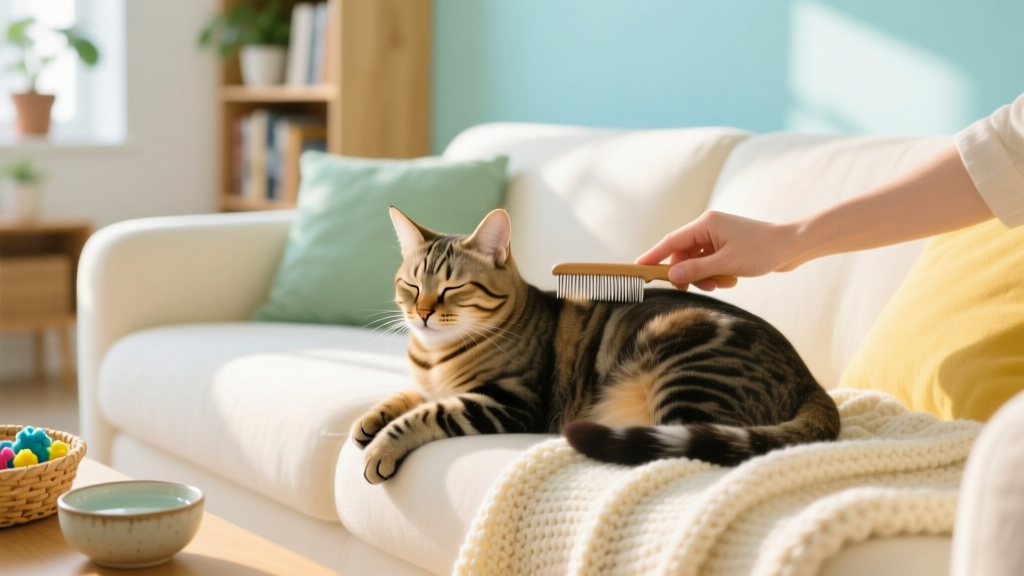
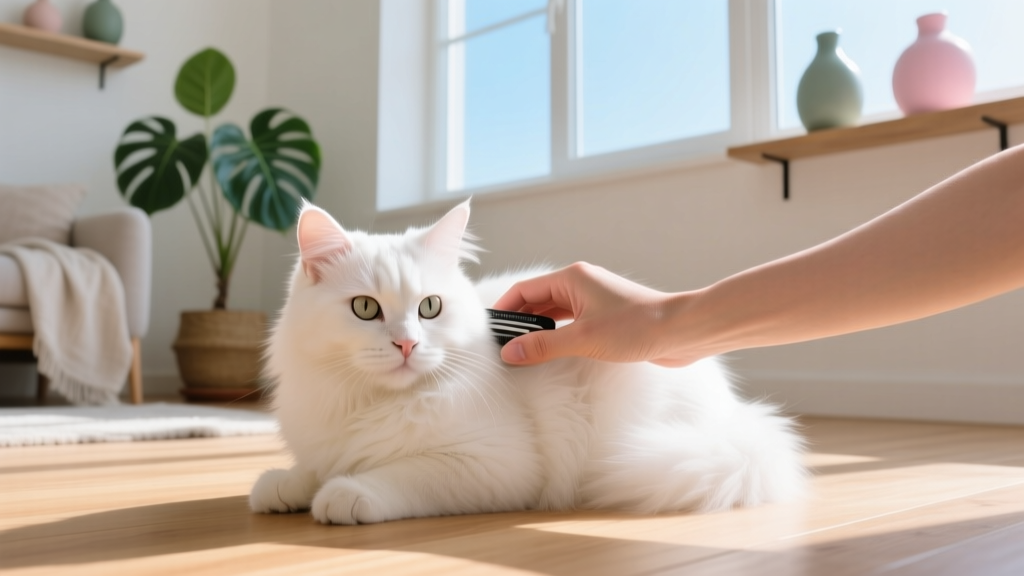
Gentle grooming builds trust and prevents matting. Brush your 12-week-old kitten 2–3 times weekly with a soft-bristle brush like the Hertzko Self-Cleaning Slicker Brush. Trim nails every 10–14 days using Safari Professional Nail Trimmers—never cut past the pink quick. Introduce toothbrushing gradually with Virbac C.E.T. Enzymatic Toothpaste (poultry flavor); aim for 3x/week. Avoid bathing unless medically necessary—kittens lose body heat rapidly, and water immersion increases stress-related cortisol by up to 40% (Cornell Feline Health Center, 2021).
Environmental Enrichment
Kittens need 30+ minutes of interactive play daily to develop motor skills and reduce anxiety. Rotate toys weekly: include wand toys (GoCat Da Bird), crinkle balls, and cardboard tunnels. Install vertical space—a cat tree like the FEANDREA 61-inch model adds 3+ feet of climbing height. Play sessions should mimic hunting: 5-minute bursts followed by a 'kill' (letting kitten pounce on a toy), then rest. Lack of enrichment correlates with 3.2× higher incidence of redirected aggression in kittens (Applied Animal Behaviour Science, 2020).
Cat-Proofing Your Home
A 12-week-old kitten is agile, curious, and uncoordinated—capable of squeezing through gaps as narrow as 2 inches. Secure blind cords (a top cause of kitten strangulation per ASPCA Poison Control, 2023), cover electrical cords with SpiralWrap tubing, and remove toxic plants (lilies, pothos, sago palm). Keep laundry rooms and garages closed; 78% of non-fatal kitten injuries occur in these spaces (ASPCA Animal Poison Control Annual Report, 2023). Anchor tall furniture to walls using ToppleStop straps.
Daily Care Routines
Maintain consistency: feed high-quality kitten food (e.g., Royal Canin Kitten Dry, formulated for growth through 12 months) three times daily—morning, afternoon, and early evening. Fresh water must be available at all times; consider a stainless-steel fountain like the Pioneer Pet Raindrop (flow rate: 1.5 L/hr) to encourage hydration. Weigh your kitten weekly—healthy gain is 0.25–0.5 oz/day. Schedule first booster vaccines (FVRCP + rabies) at 12 weeks if not already done; consult your vet for local requirements. Record all care in a shared digital log (e.g., PetDesk app) to track patterns.
Real-world example: Maya adopted Luna, a 12-week-old tabby, and noticed peeing beside the box. After ruling out UTI, she moved the box away from the noisy washer and added a second box near Luna’s sleeping area. Accidents ceased within 48 hours.
Real-world example: Ben’s 12-week-old Siamese chewed power cords until he installed cord covers and introduced daily 10-minute feather wand sessions. Chewing dropped by 90% in one week.
| Care Area | Frequency | Key Tool/Product |
|---|---|---|
| Nail Trimming | Every 10–14 days | Safari Professional Nail Trimmers |
| Toothbrushing | 3x/week | Virbac C.E.T. Enzymatic Toothpaste |
| Litter Scooping | Twice daily | Dr. Elsey’s Precious Cat Ultra |
| Brushing | 2–3x/week | Hertzko Self-Cleaning Slicker Brush |
| Weighing | Once weekly | Digital pet scale (accuracy ±0.1 oz) |
Monitor for red flags: refusal to eat for >12 hours, labored breathing, persistent diarrhea, or hiding >6 hours/day. These warrant immediate vet contact. At 12 weeks, socialization windows remain open—but narrow quickly. Continue gentle handling with strangers, introduce short car rides in carriers, and pair new sounds (vacuum, doorbell) with treats to build resilience. Patience, predictability, and positive reinforcement lay the foundation for lifelong confidence.