Why Is My Cat’s Behavior Getting Worse? 7 Hidden Triggers...
When Your Cat Stops Acting Like Themselves — It’s Not ‘Just Being a Cat’
If you’ve recently asked yourself, why is my cat's behavior getting worse, you’re not overreacting — you’re noticing something vital. Cats are masters of masking distress. A sudden shift — like biting when petted, refusing the litter box, excessive vocalization at night, or uncharacteristic aggression toward family members — isn’t ‘bad behavior.’ It’s a symptom. And in over 80% of cases reviewed by the American College of Veterinary Behaviorists, deteriorating behavior signals an underlying issue that’s either medical, environmental, or emotional — often all three interacting. Ignoring it doesn’t make it fade; it deepens anxiety, erodes your bond, and can escalate into chronic stress-related illness. The good news? With precise diagnosis and compassionate intervention, 92% of cats show measurable improvement within 3–6 weeks — no medication required.
1. Rule Out Medical Causes First — Because Pain Masquerades as ‘Misbehavior’
Before assuming your cat is ‘acting out,’ consider this: cats don’t misbehave — they communicate. And when they’re in pain, their language changes dramatically. Dr. Sarah Wooten, DVM and certified veterinary behaviorist, emphasizes: ‘A cat who starts urinating on your bed isn’t “getting back at you.” They’re likely experiencing urinary discomfort — and your mattress smells familiar and safe, unlike a painful litter box.’
Common medical culprits behind sudden behavioral decline include:
- Osteoarthritis: Especially in older cats (10+ years), joint pain makes jumping, climbing, or even using a high-sided litter box agonizing — leading to avoidance and territorial marking.
- Dental disease: Over 70% of cats over age 3 have clinically significant dental issues. Gum inflammation or tooth resorption causes constant low-grade pain — triggering irritability, food refusal, and defensive swatting when touched near the head.
- Hyperthyroidism & kidney disease: Both increase metabolic rate and cause restlessness, nighttime yowling, and disorientation — easily mistaken for ‘senility’ or ‘acting out.’
- Cognitive dysfunction syndrome (feline dementia): Diagnosed in ~50% of cats over 15, it manifests as confusion, inappropriate elimination, and altered sleep-wake cycles — not defiance.
Action Step: Schedule a full senior panel bloodwork + urinalysis + orthopedic exam — even if your cat seems ‘fine’ otherwise. Don’t wait for obvious signs like weight loss or vomiting. Behavioral change alone is sufficient reason for diagnostics.
2. The Invisible Stressors: Environmental Triggers You Can’t See (But Your Cat Feels)
Cats perceive their world through scent, sound, and spatial control — not visual dominance. What looks peaceful to us may feel like a warzone to them. A 2023 study published in Frontiers in Veterinary Science found that cats living in multi-pet households with inadequate vertical space were 3.7x more likely to develop redirected aggression and urine marking than those with ≥3 elevated perches per cat.
Here’s what often goes unnoticed:
- Scent contamination: New laundry detergent, air fresheners, or even your perfume can overwhelm a cat’s olfactory system — triggering anxiety and displacement behaviors (e.g., scratching furniture instead of the post).
- Micro-changes in routine: Shifts in your work schedule, a new baby’s cry pattern, or even rearranging furniture disrupts their sense of safety. Cats thrive on predictability — not because they’re rigid, but because unpredictability equals danger in their evolutionary wiring.
- Resource competition: One litter box for two cats? One water bowl in a noisy kitchen? One scratching post shared among three? These aren’t ‘luxuries’ — they’re biological necessities. The ‘one box per cat + one extra’ rule exists because cats won’t share elimination sites — full stop.
Real-world example: Luna, a 6-year-old Siamese, began attacking her owner’s ankles at dawn after her human started working from home. Video analysis revealed she’d been pacing and vocalizing at 4:45 a.m. daily — her usual pre-dawn feeding time. When fed via timed feeder at 4:30 a.m., attacks ceased in 4 days. Her ‘aggression’ was a frustrated, time-based demand — not dominance.
3. The Human Factor: How Your Reactions Reinforce the Very Behaviors You Want to Stop
We often unintentionally reward worsening behavior — not with treats, but with attention, even negative attention. Yelling, chasing, or even picking up a stressed cat to ‘calm them down’ confirms their fear: ‘This environment is unsafe, and my human escalates chaos.’
Consider these common missteps:
- Punishment-based corrections (spraying water, clapping, yelling) increase cortisol levels and damage trust. Research shows punished cats are 5x more likely to redirect aggression toward other pets or children.
- Over-petting — especially near the tail base — triggers ‘petting-induced aggression’ in up to 80% of cats. Signs like tail flicking, skin rippling, or flattened ears mean ‘stop now.’ Continuing past that point teaches the cat that biting is the only way to end discomfort.
- Inconsistent boundaries: Letting your cat sleep on your pillow some nights but shooing them off others creates confusion. Cats need clear, predictable rules — delivered calmly and consistently.
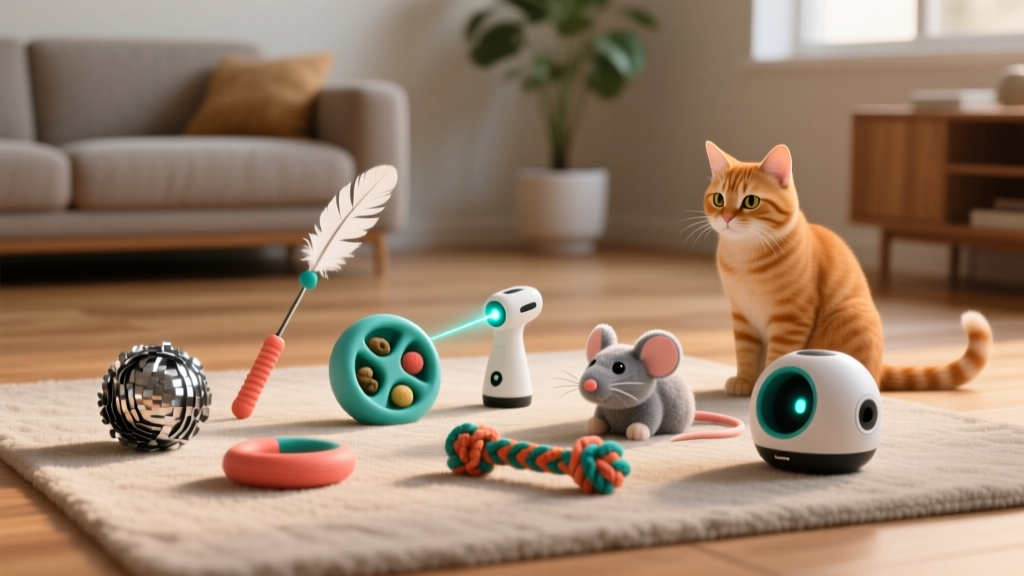
The antidote? Positive reinforcement + environmental enrichment + antecedent arrangement. That means: reward desired behaviors *immediately* (with treats or gentle praise), add play sessions that mimic hunting (15 mins, twice daily), and set up the environment so the ‘right’ choice is the easiest one (e.g., place a scratching post directly beside the couch they’re shredding).
4. The Timeline of Recovery: What Realistic Progress Looks Like (and When to Seek Help)
Behavioral rehabilitation isn’t linear — and expecting overnight fixes sets you up for frustration. Here’s what to expect based on data from the International Association of Animal Behavior Consultants (IAABC):
| Timeline | Typical Signs of Progress | Key Actions to Take | Risk if Ignored |
|---|---|---|---|
| Days 1–7 | Reduced frequency of worst behaviors (e.g., fewer litter box misses); increased observation of you (not avoidance) | Implement medical screening; add 2x daily interactive play; audit resource placement | Stress hormones remain elevated → immune suppression begins |
| Weeks 2–4 | Cat initiates gentle contact (head-butts, slow blinks); uses new perch or scratching post; sleeps in same room as you again | Begin clicker training for simple cues (‘touch,’ ‘come’); introduce puzzle feeders; add Feliway Optimum diffuser | Chronic anxiety solidifies → risk of cystitis, overgrooming, GI issues rises sharply |
| Weeks 5–12 | Consistent use of designated spaces; reduced vocalization; playful engagement returns; relaxed body language during handling | Gradually phase out treats for known behaviors; reinforce calmness with quiet presence; assess need for veterinary behaviorist consult | Persistent behavior becomes ‘learned’ — requiring longer, more intensive intervention |
| 3+ Months | Stable baseline behavior; resilience to minor disruptions; strong human-cat attachment visible in mutual grooming or resting proximity | Maintain enrichment routines; annual behavior check-ins; celebrate small wins | Irreversible bond erosion; potential for permanent avoidance or aggression patterns |
Frequently Asked Questions
Is my cat’s worsening behavior a sign of depression?
While cats don’t experience clinical depression like humans, they absolutely suffer from chronic stress, anxiety, and learned helplessness — which manifest as lethargy, appetite loss, excessive sleeping, and social withdrawal. These are physiological states rooted in dysregulated cortisol and serotonin pathways, not ‘moodiness.’ A veterinary behaviorist can differentiate between stress-related shutdown and medical causes like hypothyroidism or neurological conditions.
Should I get a second cat to ‘keep my cat company’?
Almost never — unless your current cat has a documented history of positive, affiliative interactions with other cats (not just tolerance). Introducing a new cat is the #1 trigger for severe, long-term intercat aggression and territory-based anxiety. In fact, 68% of cats referred to behavior clinics for aggression had a recent household addition. Instead, enrich your current cat’s world with vertical space, prey-like play, and scent-based games (e.g., hiding treats in cardboard boxes).
Can diet really affect my cat’s behavior?
Yes — profoundly. Deficiencies in taurine, B vitamins, and omega-3s impact neural function and stress resilience. More critically, food sensitivities (especially to grains or artificial preservatives) cause low-grade gut inflammation, which directly activates the gut-brain axis — increasing reactivity and irritability. A 2022 double-blind trial found cats fed a hydrolyzed protein diet showed 41% greater reduction in aggression scores vs. controls over 8 weeks. Always discuss dietary trials with your vet first — abrupt changes can worsen GI upset.
My cat was fine until we moved — will they ever adjust?
Yes — but it takes time, structure, and patience. Cats don’t ‘get used to’ new spaces; they rebuild security through scent mapping and routine. Confine your cat to one quiet, enriched room (with litter, food, water, hideout, perch) for 3–5 days. Gradually open one door at a time, letting them explore at their pace. Use Feliway Classic spray on doorframes and new surfaces. Most cats acclimate fully within 2–6 weeks — but rushing the process extends recovery by months.
Is it too late to fix behavior problems in an older cat?
It’s never too late — but approach differs. Senior cats respond better to environmental modification than intense training. Focus on pain management, predictable schedules, easy-access resources (low-entry litter boxes, ramps), and gentle sensory enrichment (bird feeder outside a window, soft music). A geriatric behavior consult can identify subtle neurologic or metabolic contributors missed in standard exams.
Common Myths About Deteriorating Cat Behavior
Myth #1: “Cats act out to get revenge or teach you a lesson.”
Cats lack the cognitive capacity for spite or moral judgment. Their behavior is driven by survival needs — safety, control, predictability, and physical comfort. What looks like ‘punishment’ is almost always communication of unmet needs or untreated pain.
Myth #2: “If my cat hisses or swats, they’re just being dominant.”
Dominance is a debunked concept in feline ethology. Hissing, growling, and swatting are distance-increasing signals — clear requests to back off. Interpreting them as ‘dominance’ leads to coercive handling that worsens fear and erodes trust. Modern behavior science frames these as fear-based communication, not power plays.
Related Topics (Internal Link Suggestions)
- Understanding Cat Body Language — suggested anchor text: "what your cat’s tail flick really means"
- How to Introduce a New Pet to Your Cat — suggested anchor text: "stress-free cat introduction guide"
- Best Litter Boxes for Senior or Anxious Cats — suggested anchor text: "low-entry, hood-free litter solutions"
- DIY Cat Enrichment Ideas on a Budget — suggested anchor text: "10-minute enrichment hacks that actually work"
- When to Call a Veterinary Behaviorist — suggested anchor text: "signs your cat needs expert behavior help"
Your Next Step Starts Today — and It’s Simpler Than You Think
You now know why is my cat's behavior getting worse isn’t a mystery — it’s a solvable puzzle with clear, evidence-based pieces. Don’t wait for the next incident. This week, take just one action: schedule that veterinary wellness exam with emphasis on behavior history, or map your home for resource conflicts (count litter boxes, water stations, and vertical spaces), or film 5 minutes of your cat’s ‘problem behavior’ to spot subtle stress signals. Small, consistent steps compound. Within 30 days, you’ll likely see your cat’s eyes soften, their purrs return, and that quiet, confident presence you remember — not because they’ve ‘changed,’ but because you finally understood their language. Ready to build your personalized behavior plan? Download our free 7-Day Cat Calm Starter Kit — including printable resource audit checklist, play session scripts, and vet conversation prompts.