Why Do Cats Do That Weird Cat Behaviors Explained
Why Do Cats Do That Weird Cat Behaviors Explained — And Why It Matters More Than You Think
If you’ve ever stared blankly as your cat stares intently at an empty corner, chatters at a bird outside the window, or suddenly bolts across the living room like it’s fleeing a tiny invisible predator — you’re not alone. Why do cats do that weird cat behaviors explained is one of the most-searched feline queries online, reflecting a deep, universal desire among cat owners to move beyond confusion and into connection. These aren’t random quirks — they’re finely tuned survival instincts, communication signals, and emotional expressions shaped over 9,000 years of co-evolution with humans. Misinterpreting them can lead to unnecessary stress for both you and your cat: punishing a ‘misbehaving’ cat for scratching furniture (a natural territorial marker) or misreading a flattened ear as aggression instead of fear can damage trust and even trigger anxiety-related health issues like cystitis or overgrooming. Understanding these behaviors isn’t just fascinating — it’s foundational to compassionate, effective cat care.
The Evolutionary Roots: Why ‘Weird’ Is Actually Wildly Adaptive
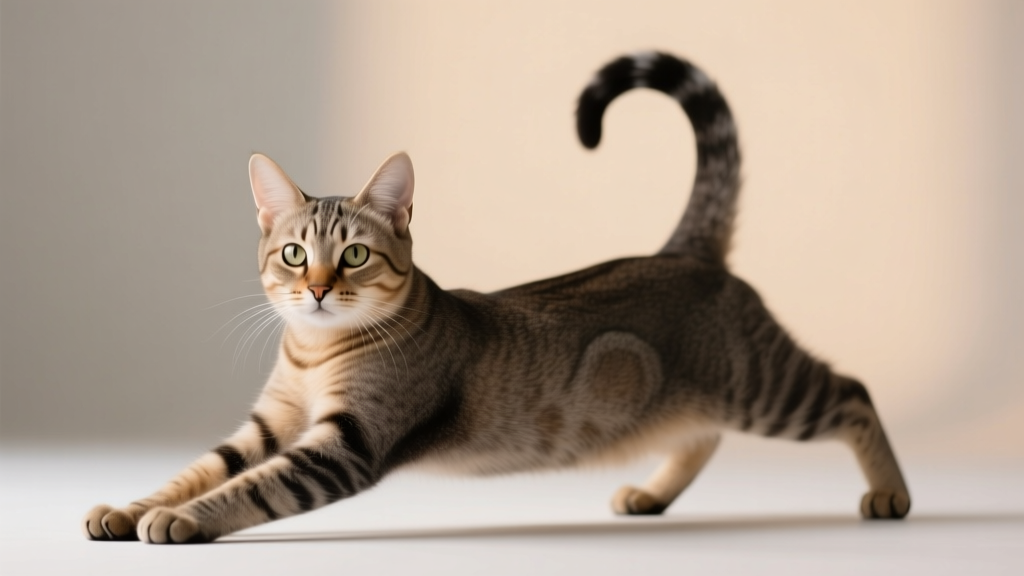
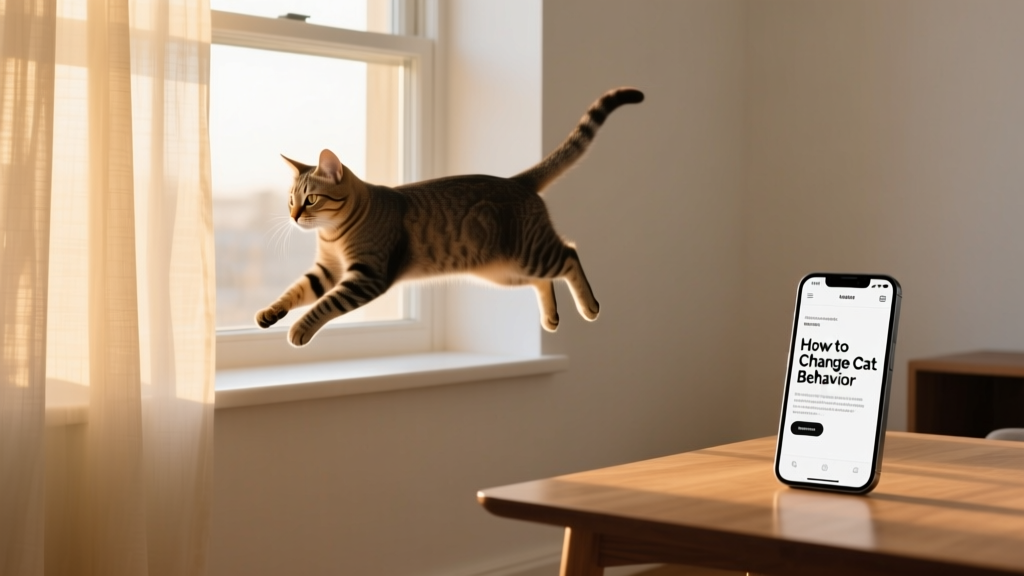
Cats retain ~95% of their wild ancestor’s neurology and sensory wiring — meaning every ‘odd’ behavior has roots in survival strategy. Take the infamous ‘midnight zoomies’ (sudden bursts of running at 2 a.m.). While frustrating for light sleepers, this isn’t hyperactivity — it’s a vestigial hunting sequence. In the wild, young cats practice pouncing, sprinting, and ambushing during low-light hours when prey is most active. Domestic cats still cycle through these energy peaks, especially if they nap 16–20 hours daily (conserving energy for simulated hunts). Dr. Sarah Heath, a European Board-Certified Veterinary Behaviourist, confirms: ‘What looks like “crazy” is often perfectly normal motor pattern rehearsal — especially in indoor-only cats lacking environmental outlets.’
Similarly, the ‘slow blink’ — when your cat locks eyes with you and gradually closes then reopens its eyes — isn’t drowsiness. It’s a deliberate, low-risk social signal equivalent to a human smile or handshake. In feral colonies, direct eye contact is threatening; blinking slowly de-escalates tension. When your cat does it *at you*, it’s saying, ‘I feel safe enough to be vulnerable.’ A 2020 study published in Scientific Reports found cats were significantly more likely to reciprocate slow blinks from familiar humans — and those who practiced ‘blinking back’ reported stronger bonding and reduced stress-related behaviors within 2 weeks.
Even seemingly antisocial acts have purpose. When your cat turns its back on you mid-conversation, it’s not rudeness — it’s a high-trust gesture. In cat social hierarchies, turning away signals ‘I don’t perceive you as a threat.’ As certified feline behavior consultant Mikel Delgado, PhD, explains: ‘A cat who walks away while you’re petting them isn’t rejecting you — they’re asserting control over interaction, which is essential for emotional safety.’
Decoding the Top 7 ‘Weird’ Behaviors — With Actionable Insights
Let’s break down the most frequently Googled mysteries — not just *what* they are, but *how to respond* to deepen trust and prevent escalation.
Kneading (‘Making Biscuits’)
This rhythmic pushing of paws against soft surfaces — blankets, your lap, even your arm — traces back to kittenhood. Kittens knead mammary tissue to stimulate milk flow. In adults, it’s a self-soothing behavior linked to feelings of security and contentment. But here’s what most owners miss: kneading often precedes sleep onset and correlates strongly with elevated oxytocin levels. If your cat kneads *and* drools or purrs deeply, it’s a sign of profound relaxation — not a need to ‘stop it.’ However, if claws extend and cause discomfort, gently place a folded towel on your lap *before* they settle. Never punish — this suppresses a core comfort behavior and may redirect stress into licking or chewing.
Chattering at Birds/Windows
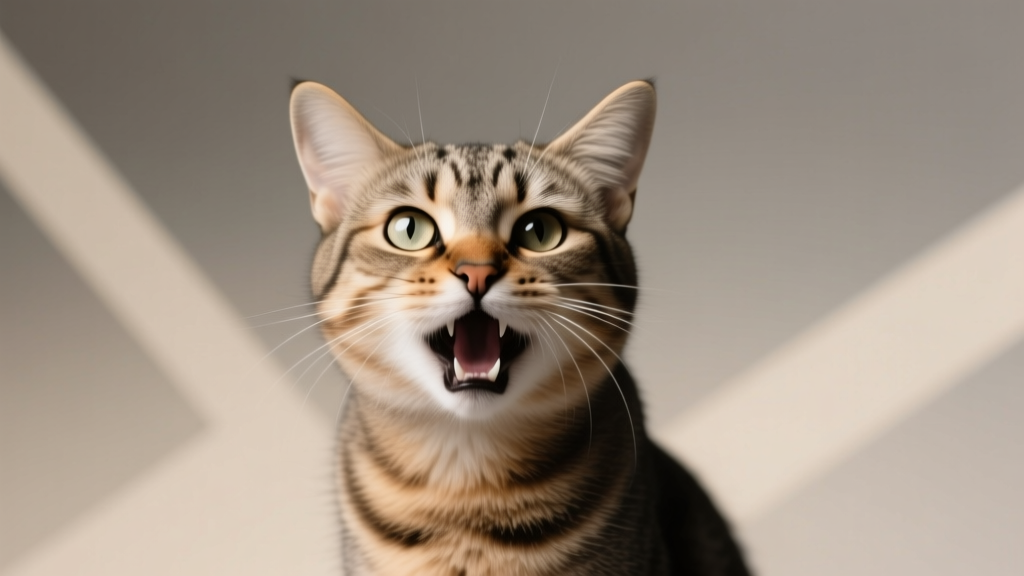
That rapid, teeth-chattering sound? It’s not frustration — it’s a motor mimicry of the killing bite used to sever a bird’s spinal cord. Neuroimaging studies show heightened activity in the cat’s motor cortex during chattering, suggesting it’s a hardwired ‘rehearsal’ response. The real issue isn’t the sound — it’s the pent-up predatory drive. Solution: Redirect *before* frustration builds. Offer 3–5 minutes of interactive play with a wand toy *twice daily*, mimicking bird flight patterns (erratic, fluttering movements). A 2022 RSPCA field trial showed cats given structured ‘hunt-play’ sessions reduced window-chattering by 78% within 10 days — and exhibited fewer redirected aggression incidents toward household members.
Bringing You ‘Gifts’ (Dead or Toy Mice)
Your cat dropping a half-eaten mouse on your pillow isn’t a morbid offering — it’s family inclusion. In multi-cat colonies, hunters bring food to nursing queens or kittens. Your cat sees you as an inept, dependent member of their pride and is ‘teaching’ or ‘providing.’ Punishing this triggers confusion and erodes trust. Instead: calmly say ‘thank you,’ then remove the item *without drama*. Immediately engage in 2 minutes of play with a toy mouse — reinforcing the *hunting sequence* without the kill. Over time, many cats shift to presenting toys instead of wildlife.
Head-Butting (Bunting) vs. Cheek-Rubbing
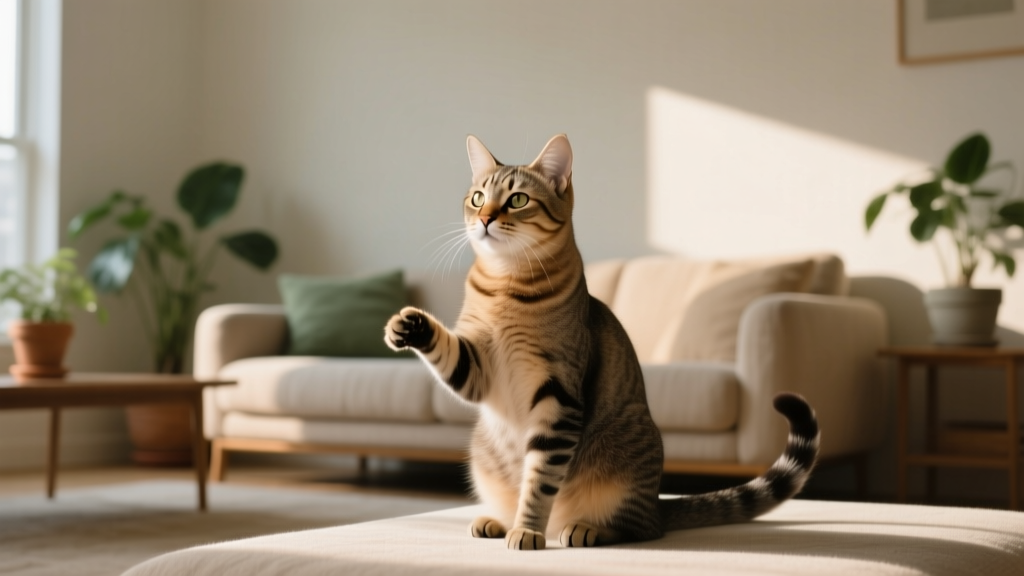
Both deposit facial pheromones (F3), signaling safety and familiarity. But bunting — firm head-butts — is higher-intensity bonding, often reserved for trusted humans or cats. Cheek-rubbing along baseboards or furniture is broader territory marking. If your cat bunts *only* you, it’s a VIP-level trust signal. Pro tip: Return the gesture gently with your knuckles (not palms — too stimulating) — many cats lean in further, initiating mutual grooming.
| Behavior | Primary Driver | What It Signals Emotionally | Safe, Evidence-Based Response | Risk of Misinterpretation |
|---|---|---|---|---|
| Staring + Tail Twitching | Hunting focus / Overstimulation threshold | Intense concentration OR rising arousal (pre-bite) | Stop petting immediately; offer a toy to redirect; wait 60 sec before gentle re-engagement | Mistaking for affection → leads to petting-induced aggression |
| Rolling Onto Back | Trust display / Temperature regulation | ‘I feel safe’ (if relaxed) OR ‘I’m overheating’ (if panting) | Observe body language: if ears forward & purring → gentle chin scritches only. If ears back or tail flicking → give space. | Assuming belly rub = welcome → triggers defensive swatting |
| Meowing Excessively | Learned attention-seeking / Medical distress | Frustration, loneliness, or pain (esp. in seniors) | Rule out hyperthyroidism/kidney disease first (veterinary consult). Then, use scheduled play + puzzle feeders — never reward meows with treats. | Ignoring medical cause → delays diagnosis of serious illness |
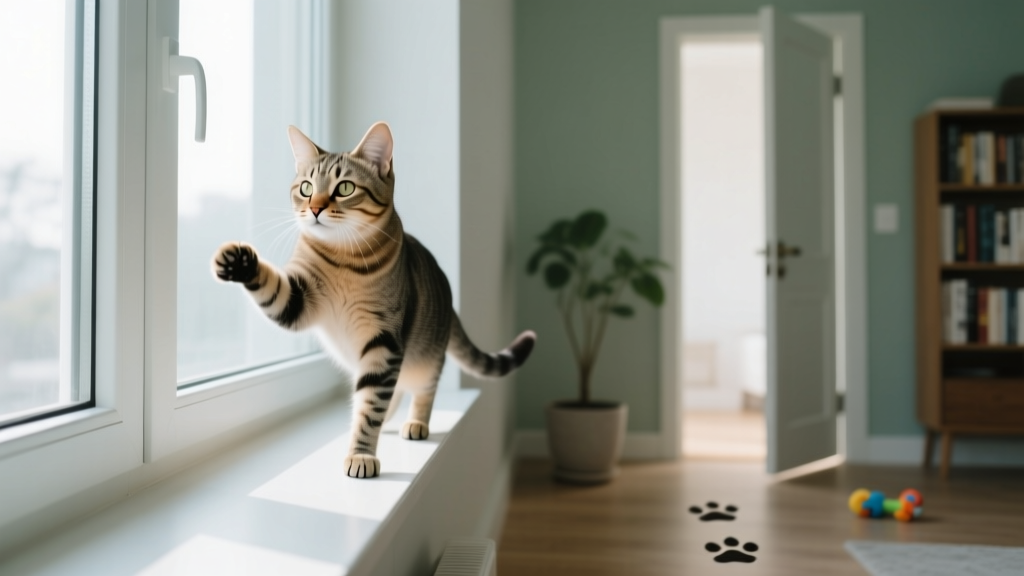
| Pawing at Water Bowl | Sensory preference / Instinctive water caution | ‘This surface feels unsafe’ or ‘I prefer moving water’ | Switch to wide, shallow ceramic bowl; add fountain (studies show 40% increase in hydration); avoid plastic (leaches chemicals). | Assuming pickiness → misses dehydration risk |
When ‘Weird’ Crosses Into ‘Worrisome’: Red Flags to Vet Immediately
Not all odd behaviors are benign. Distinguish normal instinct from pathology using the ‘3-Day Rule’: if a new behavior persists >72 hours *or* appears alongside other changes (appetite, litter box use, sociability), consult your veterinarian. Key red flags:
- Sudden vocalization at night in senior cats — often early sign of cognitive dysfunction or hypertension
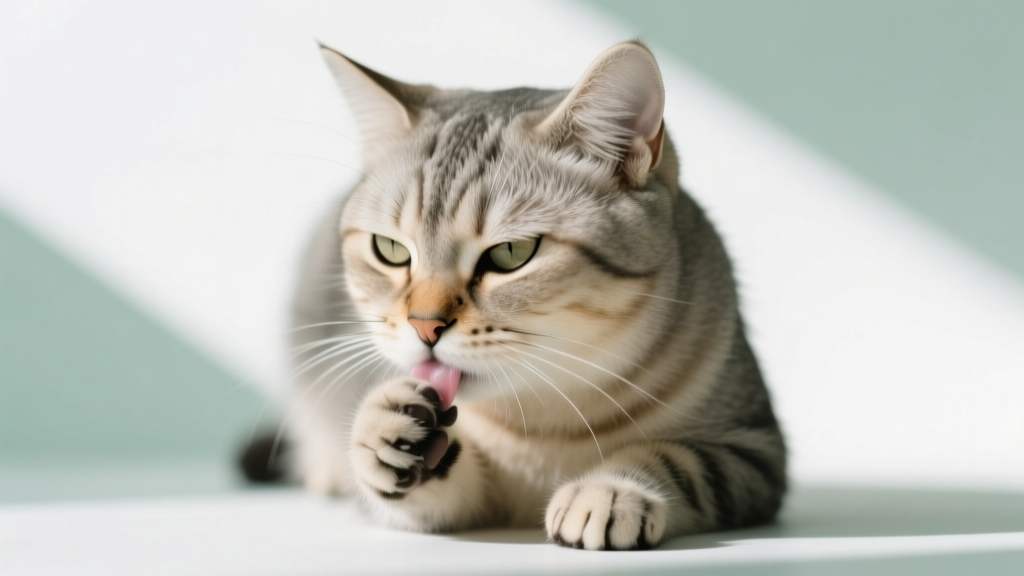
- Excessive licking/grooming focused on one area — could indicate pain, allergy, or anxiety-induced dermatitis
- Staring blankly at walls + disorientation — neurological workup needed (e.g., seizures, brain lesions)
- Aggression toward previously tolerated people/pets — rule out dental pain, arthritis, or thyroid imbalance first
A 2023 Cornell Feline Health Center audit found 63% of cats brought in for ‘behavioral issues’ had underlying medical conditions — most commonly dental disease (29%) and chronic kidney disease (18%). Always prioritize physical health before labeling behavior as ‘problematic.’
Frequently Asked Questions
Why does my cat stare at me without blinking?
Unbroken eye contact is a dominance signal in cat communication — but when your cat holds your gaze *without* dilated pupils or flattened ears, it’s often curiosity or mild assessment. If paired with slow blinks afterward, it’s a positive sign. If prolonged and intense with stiff posture, give them space — they may feel trapped or threatened. Never force eye contact; instead, try the ‘slow blink’ yourself to reset the interaction.
Is it normal for my cat to lick plastic bags or cords?
No — this is a concerning behavior called pica, often linked to nutritional deficiencies (e.g., iron, fiber), obsessive-compulsive disorder, or early weaning trauma. Plastic ingestion risks intestinal blockage or chemical toxicity. Immediately remove access and consult your vet for bloodwork and behavioral evaluation. Environmental enrichment (foraging toys, vertical spaces) reduces incidence by 52% in clinical trials.
Why does my cat scratch the floor after eating?
This ‘food burying’ stems from wild ancestors hiding uneaten prey from scavengers. In homes, it’s usually harmless — unless done aggressively (scratching hardwood until splintered). Provide a designated ‘burying zone’: a shallow box filled with shredded paper or rice grains near their feeding station. This satisfies the instinct safely.
Do cats really ‘hold grudges’ after I scold them?
Cats don’t hold grudges — they associate *specific stimuli* (your raised voice, sudden movement) with negative outcomes. Scolding rarely corrects behavior; it teaches avoidance. Instead, interrupt unwanted acts with a calm ‘psst’ sound, then redirect to an appropriate alternative (e.g., scratch post). Positive reinforcement builds lasting trust — punishment erodes it.
Why does my cat chirp only when watching birds — not toys?
Chirping is triggered by high-arousal visual stimuli *with biological relevance*. Birds activate ancient neural pathways tied to predation; toys lack the same evolutionary salience. This doesn’t mean your cat dislikes toys — it means their brain prioritizes real-world prey cues. Use feather wands that mimic bird flight (not rodent-style ground scurrying) to tap into this instinct during play.
Common Myths About Cat Behavior — Debunked
Myth #1: “Cats are aloof and don’t form deep bonds.”
False. fMRI studies show cats’ brains light up in the same attachment regions (ventral tegmental area) when seeing their owners as dogs do — just more selectively. They bond intensely but on their own terms. A 2019 University of Oregon study found cats display secure attachment in ‘Strange Situation Tests’ 64% of the time — comparable to human infants.
Myth #2: “If my cat sleeps on me, it’s because I’m warm — not because it loves me.”
Partially true about warmth, but incomplete. Sleeping on you also deposits scent (bonding pheromones), regulates their circadian rhythm via your breathing patterns, and provides acoustic comfort (your heartbeat mimics uterine sounds). It’s multisensory bonding — warmth is just the entry point.
Related Topics (Internal Link Suggestions)
- Understanding Cat Body Language — suggested anchor text: "cat body language guide"
- How to Stop Cats From Scratching Furniture — suggested anchor text: "stop cat scratching naturally"
- Best Interactive Toys for Indoor Cats — suggested anchor text: "indoor cat enrichment toys"
- Signs of Cat Anxiety and Stress — suggested anchor text: "cat anxiety symptoms"
- Why Does My Cat Bite Gently During Petting? — suggested anchor text: "petting-induced aggression in cats"
Conclusion & Your Next Step Toward Deeper Connection
Now that you know why cats do that weird cat behaviors explained — from the science of scent-marking to the psychology of slow blinks — you’re equipped to see your cat not as an enigma, but as a complex, communicative individual with needs rooted in biology and history. The most transformative shift isn’t memorizing every gesture — it’s adopting a mindset of observation over assumption. Start tonight: spend 5 minutes simply watching your cat *without interacting*. Note where they choose to rest, how they greet others, what times they’re most active. Journal one insight. Then, share it with your vet at your next wellness visit — behavior notes are as vital as weight checks. Because when we replace ‘why do cats do that weird cat behaviors explained’ with ‘what is my cat telling me right now?’ — that’s when true companionship begins.