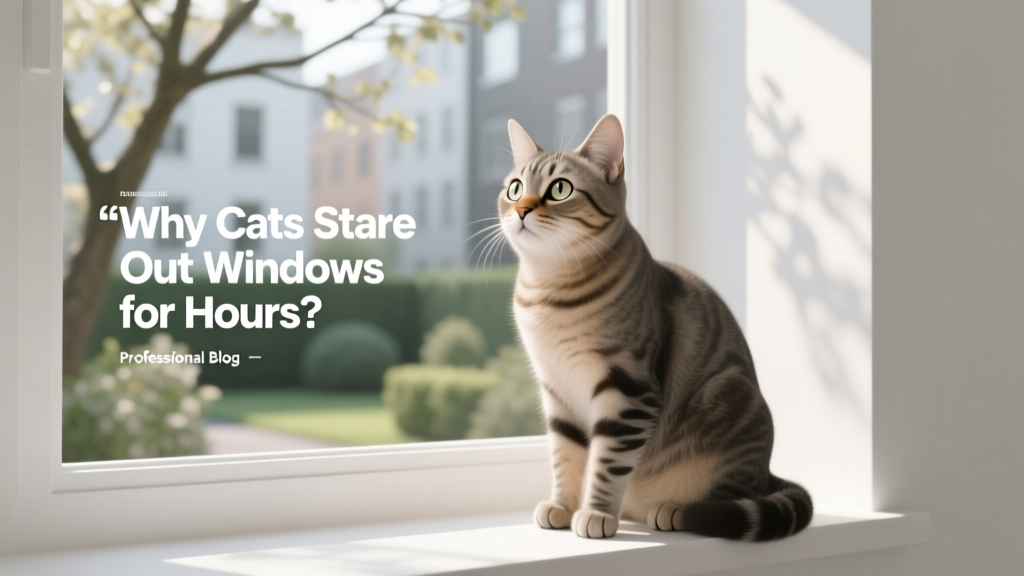
Why Cats Stare Out Windows for Hours
You glance over from the couch and there’s your cat again: perched like a tiny statue on the windowsill, eyes wide, whiskers slightly forward, tail either perfectly still or twitching like it’s sending Morse code. Minutes pass. Then an hour. You start to wonder—are they bored? Hypnotized? Secretly judging the neighbors?
If your cat treats the window like their personal movie theater, you’re not alone. This is one of the most common (and most fascinating) feline behaviors, and it’s usually a sign that your cat is doing exactly what cats are built to do: observe, track, and mentally “hunt” the world.
1) The scientific (and evolutionary) reason cats love window-watching
Cats are both predators and, in the wild, occasionally prey. That double role shaped them into masters of surveillance. Even the most pampered indoor cat still has the brain and senses of a highly specialized hunter.
Here’s what the window provides:
- Safe access to “territory” information: Cats are territorial. Watching outside is a low-risk way to monitor what’s happening in their environment—other cats, birds, people, delivery trucks, that one squirrel who acts like it owns the block.
- Visual stimulation designed for their senses: Cats are excellent at detecting motion. A fluttering leaf or a hopping bird is exactly the kind of movement their brains lock onto.
- Hunting practice without hunting: Stalking isn’t only physical—it’s mental. Your cat may be running a full hunting sequence in their head: locate, focus, track, anticipate.
- Environmental enrichment: Indoor life can be predictable. The outdoors is an ever-changing “channel,” and novelty is enriching for many cats.
Think of it this way: window-watching is not “doing nothing.” It’s attention, analysis, and often excitement—just expressed in a very still body.
2) A detailed breakdown: different window-staring “genres” and what’s happening
Not all window stares are the same. The context—body posture, time of day, what’s outside—changes the meaning.
The Bird TV Trance
Your cat’s head makes tiny tracking movements. Pupils may widen. You might hear a soft “ek-ek-ek” chirp. This is classic prey engagement—your cat’s predator brain is fully online.
What’s happening inside their mind: “I see you. I can predict you. I am practicing how I would catch you.” Even if they’ll never go outside, the sequence is rewarding.
The Neighborhood Patrol
Your cat sits upright, alert but calm, scanning slowly. This often happens at consistent times—morning dog-walker rush, afternoon school pickup, evening joggers.
What’s happening: Territorial monitoring. Cats like routine, and they also like to know what’s changed. A new cat wandering by can spark weeks of window vigilance.
The Sunbeam Soak (Disguised as Window Time)
Sometimes the “staring” is secondary. Your cat is really there for warmth, comfort, and the cozy vantage point.
What’s happening: Rest plus light observation. Cats doze lightly and wake quickly—so even when it looks like zoning out, they’re often semi-aware.
The Night Watch
Some cats get especially window-focused at dusk or after dark, when insects gather near lights or nocturnal critters move around.
What’s happening: Cats are naturally crepuscular (most active at dawn and dusk). Evening window time fits their internal schedule.
The “Something’s Not Right” Freeze
Different vibe: stiff body, low posture, ears angled sideways or back, staring without blinking much. Maybe they won’t leave the window even when called.
What’s happening: Vigilance and concern. This can happen if your cat spots an outdoor cat, a construction worker, or anything they find threatening or confusing.
3) What window-staring says about your cat’s mood and feelings
Window time can reflect a range of emotions—from contentment to agitation. Watch the whole body, not just the eyes.
- Relaxed curiosity: Soft face, normal blinking, ears forward, tail loosely wrapped. Your cat feels safe and interested.
- Excited prey drive: Intense focus, whiskers forward, pupils larger, “chattering” sounds, tail tip flicking. Your cat is stimulated and energized.
- Mild frustration: Repeated tail thumps, quick shifts in posture, vocalizing, pacing between windows. They may want access to something they can’t reach.
- Stress or defensiveness: Ears back, crouching, growling, puffed tail, or redirected aggression (suddenly swatting at you or another cat). This is often triggered by seeing another cat outside.
A helpful rule: stillness isn’t always calm. Cats can be very still when they’re highly aroused—either in “hunt mode” or “on guard” mode.
4) Related behaviors you might also notice
Window-watchers often come with a few bonus quirks:
- Chattering or chirping: That rapid little “ek-ek” sound is commonly heard when cats see birds or squirrels. It’s linked to arousal and frustration/excitement.
- Tail flicking: A slowly swishing tail can mean focus; a hard thump-thump can signal irritation or overstimulation.
- “Guarding” a particular window: Some cats pick one prime location and return to it like a job site.
- Zoomies afterward: All that pent-up predatory energy may need an outlet, especially in younger cats.
- Redirected aggression: If an outdoor cat appears, an indoor cat may turn and lash out at a housemate or human nearby.
- Scent marking near the window: Rubbing cheeks on the sill, scratching nearby surfaces, or (in some cases) spraying—often connected to territorial feelings.
5) When window-staring is normal vs. when it might be a concern
Normal: Most of the time, window-watching is healthy enrichment—especially for indoor cats. It provides mental stimulation, a sense of control, and a predictable “hangout spot.”
Potential concern if you notice:
- Sudden obsessive staring that replaces normal activities (your cat stops playing, socializing, eating normally, or sleeping comfortably).
- Signs of fear or agitation (growling at the window, crouching for long periods, hiding afterward).
- Aggression toward people or other pets after seeing something outside (especially if it’s new behavior).
- Compulsive pacing between windows paired with vocalizing, restlessness, or agitation.
- Any medical changes: If staring comes with disorientation, unsteady walking, head pressing, changes in vision, or unusual lethargy, call your veterinarian promptly. Some health issues can look like “spacing out.”
If your cat seems distressed specifically by outdoor cats, you’re not imagining it—this is a common trigger for stress in indoor cats, particularly in multi-cat homes.
6) Tips for responding to (and encouraging) healthy window-watching
If your cat loves the window, you can support it in ways that reduce stress and increase enrichment.
Create a “premium viewing station”
- Add a stable perch: A cat tree, window hammock, or sturdy shelf. Cats relax more when they feel secure.
- Provide traction: A folded blanket or non-slip mat helps cats feel confident jumping up and down.
- Multiple levels help: Vertical space lets cats observe without feeling trapped.
Pair window time with hunting outlets indoors
- Use wand toys after high-intensity watching: If your cat is chattering at birds, a 5–10 minute play session can “complete the hunt.”
- Try puzzle feeders: They satisfy seeking and foraging behaviors.
- Rotate toys: Novelty matters. Keep a small set “out,” hide the rest, and swap weekly.
Reduce stress if outdoor cats are the issue
- Block the view temporarily: Frosted window film or partial coverings can reduce triggers while you work on a longer plan.
- Use calming supports: Some cats benefit from pheromone diffusers or sprays near problem windows.
- Discourage outdoor visitors: Motion-activated sprinklers or deterrents in your yard (cat-safe options) can reduce territorial pressure.
Make it safe
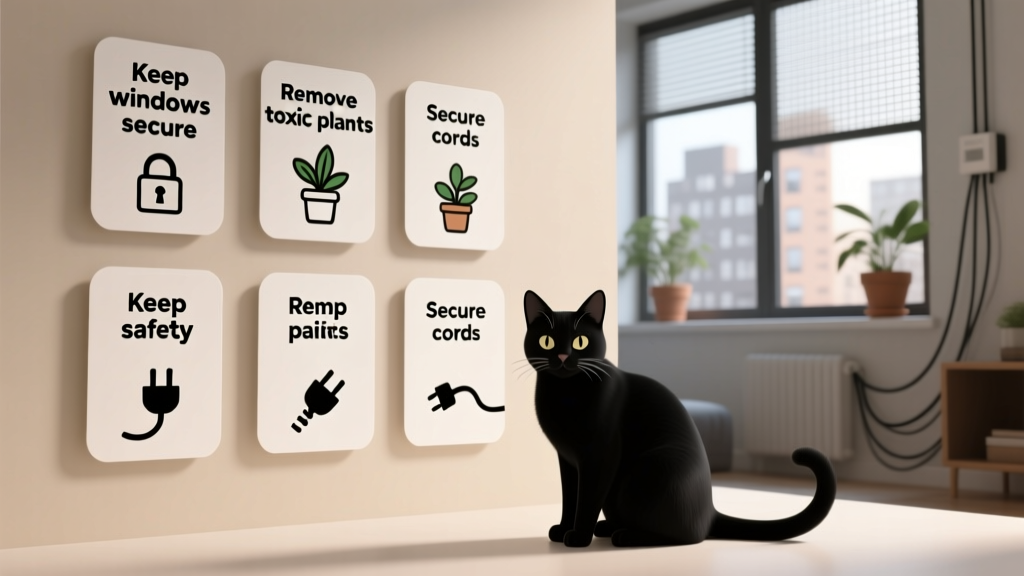
- Secure screens: A determined cat can push out a loose screen when prey appears.
- Watch for overheating: Sun-soaking is delightful, but provide shade and water, especially in warm climates.
The goal isn’t to stop the behavior. It’s to keep it enriching rather than frustrating.
7) Fun facts and research-y nuggets about window staring
- Cats are motion specialists: Their vision is tuned to notice movement, which is why a still bird might get less attention than one hopping around.
- They can “hunt” with their eyes: Predatory behavior isn’t only pouncing—tracking and predicting are big parts of the reward loop.
- They’re crepuscular by nature: Many cats feel most alert at dawn and dusk, which often matches peak window-watching times.
- Chattering is common but still mysterious: Many behaviorists link it to excitement and frustration; some suggest it could be a predatory vocalization or an arousal response. Either way, it usually means the “prey circuit” is lit up.
8) FAQ: Common questions about cats staring out windows
Is my cat bored if they stare out the window all day?
Not necessarily. For many cats, window-watching is enrichment. That said, if it’s the only activity your cat engages in and they seem restless or destructive, add more play, puzzle feeding, and climbing opportunities.
Why does my cat chirp or chatter at birds?
This often happens when a cat is excited and highly focused on prey but can’t access it. Think of it as a burst of predatory arousal—like your cat’s brain revving its engine.
My cat seems angry at the window. What’s going on?
Outdoor cats are a common trigger. Your cat may feel their territory is being challenged. If you notice growling, tail puffing, or your cat attacking a housemate afterward, reduce visual access temporarily and consider behavior support strategies (and talk with your vet if it’s intense).
Should I let my cat outside since they stare out the window so much?
Window-watching alone doesn’t mean your cat needs unsupervised outdoor access. Many cats do great with safe alternatives like a secured “catio,” leash-and-harness walks (for the cats who enjoy it), or more indoor enrichment.
Why does my cat only stare out the window at certain times?
They may be tracking routine events: birds visiting a feeder, neighborhood cats on their patrol route, or daily human activity. Cats love patterns—and they’re excellent at learning them.
Can window staring be a sign of illness?
Usually it’s normal. But if you see sudden behavior changes paired with confusion, aimless staring, unsteady movement, appetite changes, or lethargy, schedule a vet visit to rule out medical issues.
Window-staring is one of those behaviors that looks simple, but it’s full of meaning: curiosity, instinct, comfort, and sometimes a little soap-opera-level neighborhood drama. When you understand what your cat is getting out of it, you can support the healthy version—and spot the moments when your cat is feeling stressed rather than entertained.
Does your cat have a favorite window, a sworn enemy squirrel, or a daily “bird show” routine? Share your cat’s window-watching stories (and any hilarious chirping episodes) with the Cat Lovers Base community over at catloversbase.com.