Why Cats Sit on Your Phone Screen
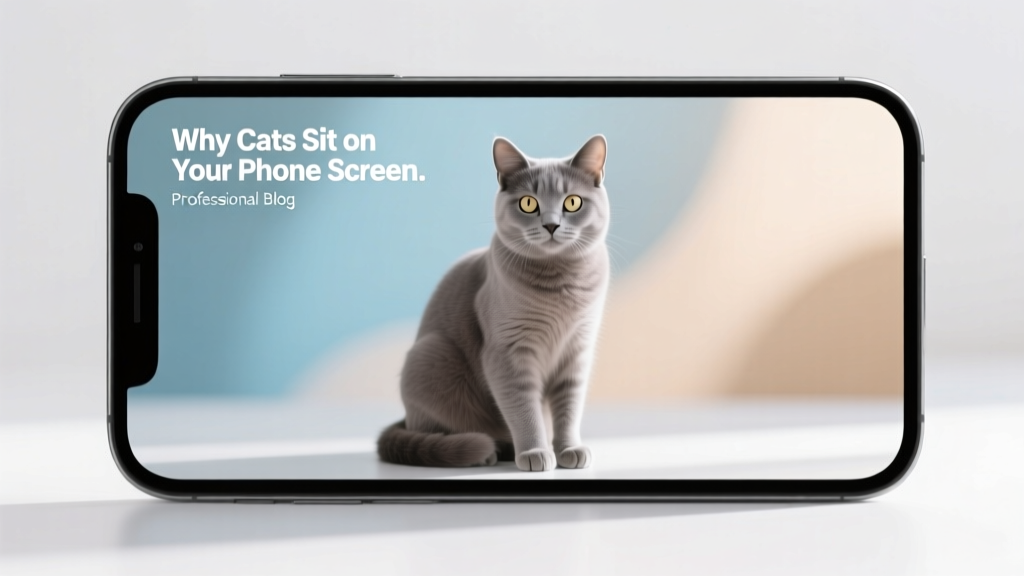
You finally sit down. Coffee? Check. Cozy spot? Check. Phone unlocked and ready for a little scrolling? Check. And then—thump—your cat appears like a furry stage magician and plants their entire body right on your phone screen. Sometimes it’s a delicate paw. Sometimes it’s a full “I live here now” loaf. Either way, your screen goes dark, your text becomes a keyboard smash, and your cat looks at you with the calm confidence of someone who has just solved a problem you didn’t know you had.
If you’ve ever wondered, “Why my phone?”—you’re not alone. This is one of the most common modern cat quirks, and it’s not random. From a cat’s perspective, your phone is basically a glowing, attention-stealing, hand-warming object that sits exactly where your cat most wants to be: between you and whatever you’re focused on.
1) The scientific (and slightly sneaky) reasons cats do this
Cats are masters of learning what works. When a behavior consistently earns a reward—attention, warmth, a reaction—they repeat it. That’s basic learning theory, and cats are excellent at it.
But there’s also a deeper, more “cat” layer to this:
- Heat seeking: Cats are naturally drawn to warm surfaces. In the wild, conserving heat saves energy. Your phone, laptop, and your hands are tiny heat sources, and some devices get pleasantly warm during use.
- Social attention economics: Your cat notices where your eyes go. When your gaze locks onto a screen, your cat may try to redirect that attention. This is not “spite”—it’s a social strategy.
- Scent and familiarity: Your phone is saturated with your scent from constant handling. Cats use scent to map their world. Sitting on your phone can be a comforting way to “claim” or mingle scents.
- Environmental control: Cats prefer predictable outcomes. If sitting on the phone reliably leads to you petting them, talking to them, or moving the phone (which still acknowledges them), it becomes a highly efficient behavior.
- Movement and light: Scrolling creates tiny movements and bright visuals. Some cats find this stimulating—like watching a small prey item skitter across a field.
So while it looks like your cat is being a tiny tyrant, they’re actually doing normal cat math: Warm + smells like my person + gets my person to look at me = excellent seat.
2) A detailed breakdown: different “phone-sitting” contexts and what they mean
Not all phone-sitting is the same. The context matters, and it can tell you what your cat is trying to accomplish.
The “full-body flop” on the screen
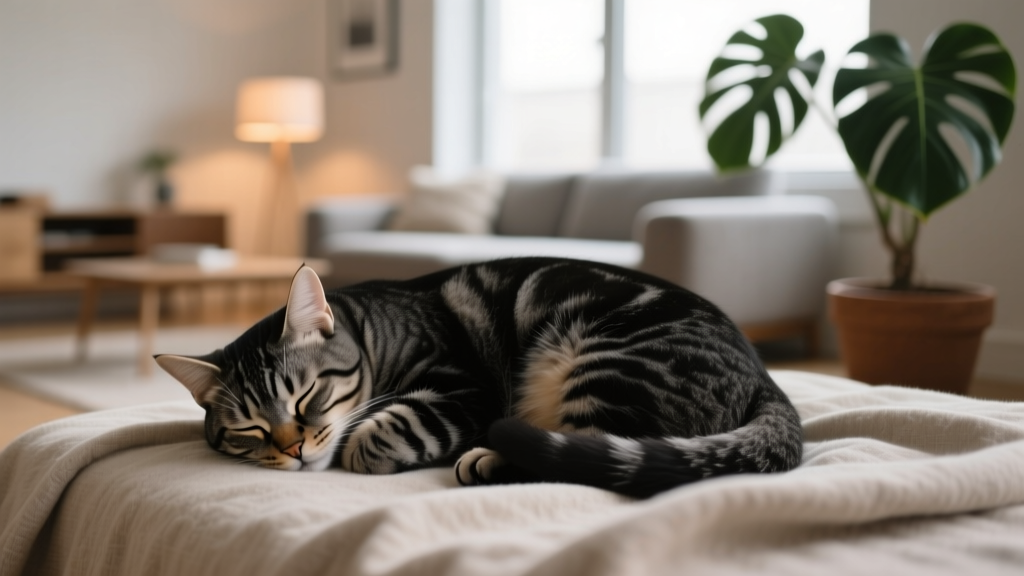
This is the classic move: your cat settles down as if your phone is a premium mattress. Usually this is about comfort, warmth, and attention. If they sigh, knead, or half-close their eyes, they’re not plotting your downfall—they’re simply choosing the coziest, most socially powerful spot available.
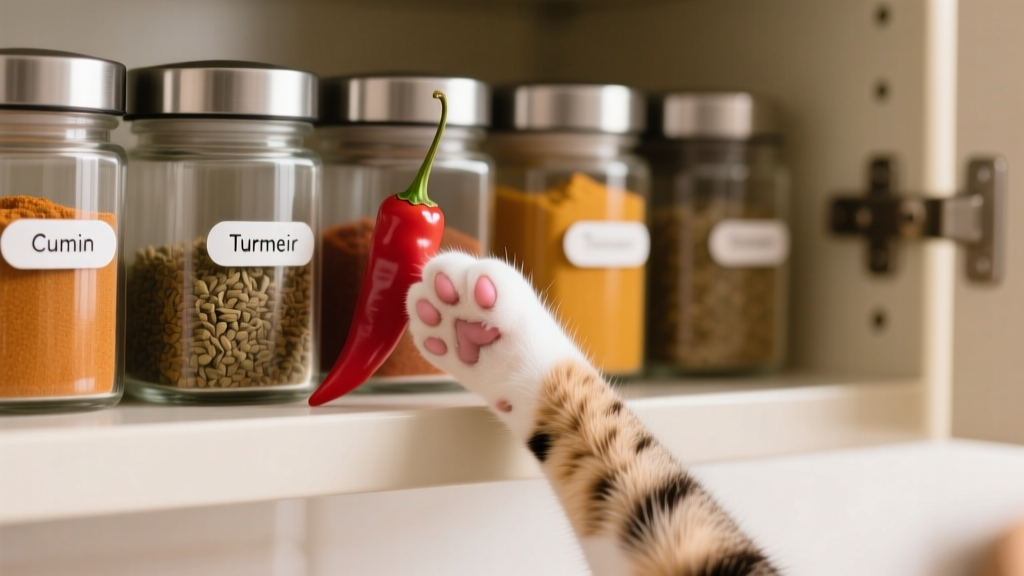
The “strategic paw placement”
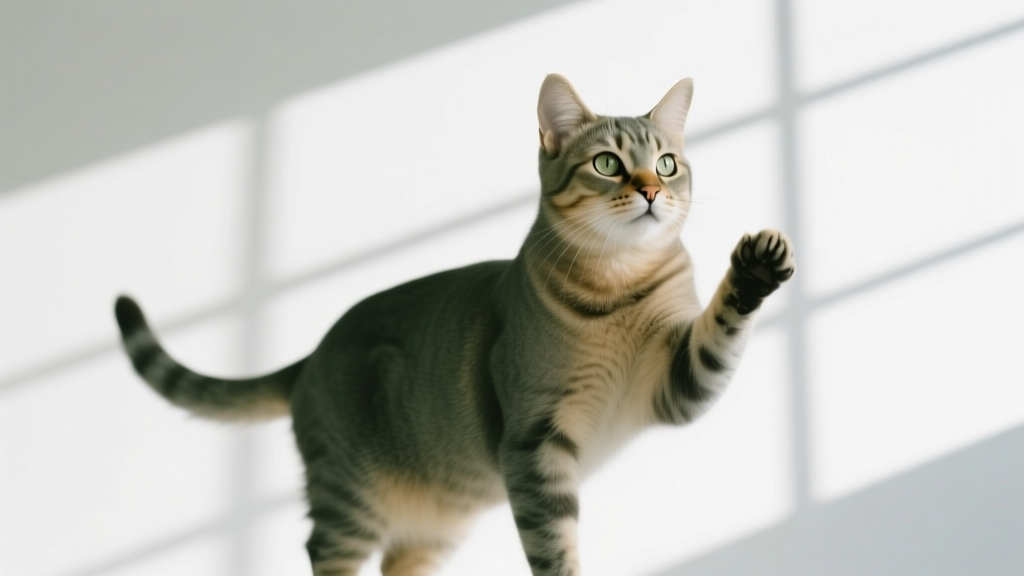
One paw on the screen while maintaining eye contact is often attention-seeking with polite flair. Think of it as your cat saying, “I see you’re busy… I’ll just place my request here.” If you respond, the paw-on-screen gesture can become a well-practiced routine.
The “phone sandwich” (cat between you and the device)
If your cat wedges their body between your hands and your phone, they’re doing a gentle version of blocking behavior. This often means: “I want contact.” Cats are social in their own way, and many prefer quiet closeness over active play.
The “aggressive head-butt and sit”
If your cat head-bunts your hands and then sits on the phone, you’re seeing a mix of scent-marking and bonding. Head-butting (bunting) deposits facial pheromones—friendly “you’re in my group” signals. The sit afterward is the punctuation mark.
The “pounce on notifications”
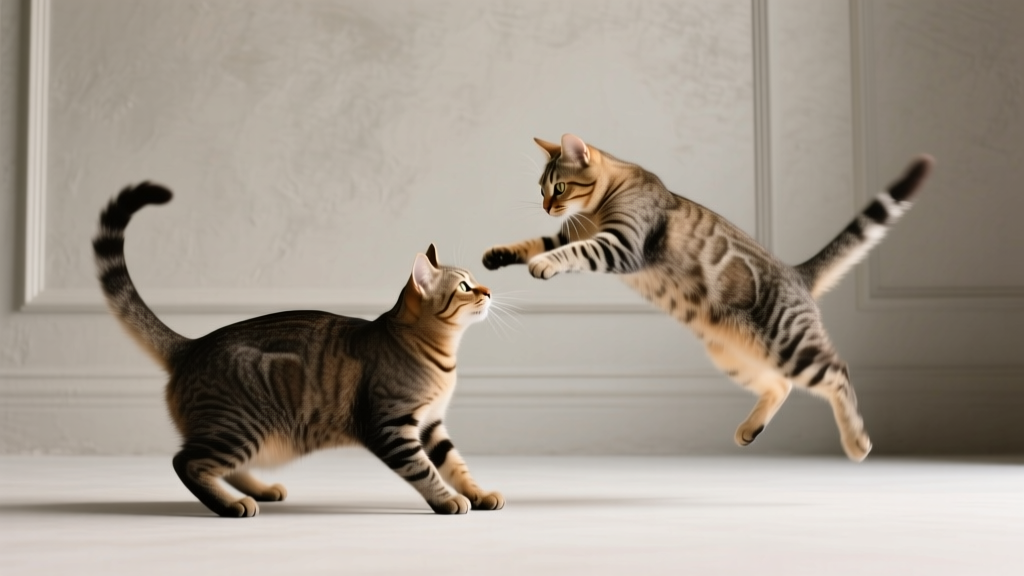
Some cats react to buzzing, sounds, or screen changes with hunting energy—pouncing, pawing, or staring intensely. That’s prey drive meeting modern technology. It can be entertaining, but it can also become overstimulating for some cats.
3) What it says about your cat’s mood and feelings
Your cat’s body language will tell you whether phone-sitting is affectionate, needy, playful, or stressed.
- Relaxed loaf, slow blinks, soft tail: Your cat is content and bonding. They likely want calm closeness.
- Purring + kneading: Comfort-seeking. Your cat may be self-soothing, enjoying warmth, or settling in for a nap.
- Persistent blocking + meowing: Your cat is requesting interaction—petting, play, food, or simply your undivided attention.
- Swishing tail, tense body, dilated pupils: Potential frustration or overstimulation. This can happen if your cat is competing with the phone for attention or if the screen activity is too stimulating.
- Sudden bite when you move the phone: Not “mean,” but a sign your cat may be startled, overstimulated, or guarding their cozy spot. (Or they’ve learned biting makes the phone stop moving.)
Most of the time, sitting on your phone is a social behavior: your cat is choosing you and your “stuff” because it smells like you and reliably creates contact.
4) Related behaviors you might also notice
If your cat sits on your phone screen, you may see similar “attention magnet” habits:
- Sitting on your laptop keyboard: Warmth plus guaranteed reaction—an iconic combo.
- Parking on whatever you’re reading: Books, newspapers, tablets… cats love to be the main headline.
- Rubbing on your hands while you type: Social scent-marking and “touch me” messaging.
- Stepping on your face at 5 a.m.: A bold, time-tested method of communication.
- Bringing a toy to your feet while you’re on your phone: A play request that escalates when ignored.
These behaviors all share one theme: your cat is trying to participate in your attention economy.
5) When it’s normal vs. when it might be a concern
Normal: Your cat occasionally sits on your phone, especially when you’re settled down. They’re relaxed, friendly, and easily redirected with a pet, a toy, or a nearby cozy spot.
Worth a closer look:
- Sudden clinginess: If your previously independent cat starts insisting on constant contact, consider potential changes at home, stressors, or health issues.
- Compulsive behavior: If your cat becomes frantic about the phone—pacing, vocalizing excessively, swatting constantly—there may be anxiety or under-stimulation.
- Aggression around the phone: If your cat growls, bites, or guards your device, that’s not typical “cute blocking.” It may signal frustration, resource guarding, or overstimulation.
- Other symptoms: Appetite changes, hiding, litter box issues, weight loss, or increased irritability alongside phone-fixation should prompt a vet check.
Behavior is communication. If the “phone sit” is part of a bigger shift, it’s worth listening closely.
6) How to respond (without accidentally training your cat to do it more)
You don’t have to banish your cat from your phone forever. The goal is to meet the need behind the behavior while setting gentle boundaries.
Offer a “yes spot” near your hands
Place a small blanket, heated cat bed (on low with safety features), or folded sweater on the couch or desk next to you. Reward your cat for choosing it with calm petting or a treat. Cats repeat what pays off.
Create a mini attention ritual
If your cat always climbs on your phone at night, build a predictable routine: 3 minutes of petting, then 5 minutes of play, then a snack. Predictability reduces attention-demand behaviors.
Don’t make the phone the main prize
If your cat sits on your phone and you immediately laugh, coo, and deliver a full cuddle session, you’ve just reinforced the behavior. Instead, gently move the phone, then invite your cat to the “yes spot” and reward that.
Enrichment for the phone-obsessed hunter
For cats who pounce on scrolling and notifications, add hunting outlets: wand toys, treat puzzles, or short “stalk-chase-catch” play sessions. A satisfied hunter is less likely to harass your screen.
Protect your cat (and your device)
- Keep cords and chargers out of reach if your cat chews.
- Use a sturdy case and screen protector if your cat likes to knead.
- Avoid letting your cat play with the phone if they get overstimulated or start biting.
7) Fun facts and research-flavored tidbits
- Cats track our attention. Many cats adjust their behavior based on where we look and what we respond to. Your phone is a big, bright clue that your attention is “elsewhere.”
- Warmth is a serious motivator. Cats are often most comfortable in warmer ambient temperatures than humans prefer, which is why they seek sunbeams, blankets, and—yes—electronics.
- Your scent is a social anchor. Cats use scent as a kind of emotional home base. Objects you touch constantly become familiar “you-scented” comfort zones.
- Blocking is a social strategy in many species. Moving into someone’s line of sight is a simple way to initiate contact without conflict—perfect for a cat who wants attention but doesn’t want to startle you.
FAQ: Common questions about cats sitting on phone screens
Is my cat jealous of my phone?
In human terms, “jealous” fits the vibe, but cats are usually responding to lost attention and strong reinforcement history. If the phone reliably steals your eyes and hands, your cat learns to insert themselves into that moment.
Why does my cat sit on my phone but not my partner’s?
Your cat may be more bonded to you, more reinforced by your reactions, or simply more interested in your scent. If you’re the one who feeds, plays, or cuddles most, your phone becomes a shortcut to you.
Should I let my cat do it?
If it’s occasional and gentle, it’s usually harmless. If it’s interfering with sleep, work, or your cat becomes pushy or aggressive, it’s time to redirect to a “yes spot” and add enrichment.
Why does my cat only do this at night?
Nighttime often means you’re finally still—and cats love predictable, quiet togetherness. Also, many cats get a second wind in the evening (hello, zoomies), so your phone time may overlap with their “social and activity” window.
My cat bites when I move the phone. What should I do?
Pause and assess body language. If your cat is overstimulated, end interaction calmly. Redirect with a treat toss or toy to move them away without a tug-of-war. If biting is frequent or intense, consult a vet or behavior professional to rule out pain, stress, or escalating frustration.
Can phones bother cats (sound/light/vibrations)?
Yes. Some cats are sensitive to sudden sounds, buzzing, or bright movement. If your cat seems tense around the phone but still sits on it, they may be conflicted—wanting your attention while feeling overstimulated by the device.
Better cat-human relationships, one blocked screen at a time
When your cat sits on your phone, it’s usually not sabotage—it’s communication. They’re saying, “I like being near you,” “I want something,” or “This warm, familiar rectangle belongs in the cuddle zone.” If you respond thoughtfully—meeting the need behind the behavior and reinforcing better options—you’ll keep the sweetness while reducing the screen-hogging.
Does your cat prefer the full-body phone flop, the single paw tap, or the dramatic head-butt-and-sit combo? Share your funniest (or most baffling) phone-screen stories with the Cat Lovers Base community at catloversbase.com.