Why Cats Sit on the Refrigerator Top
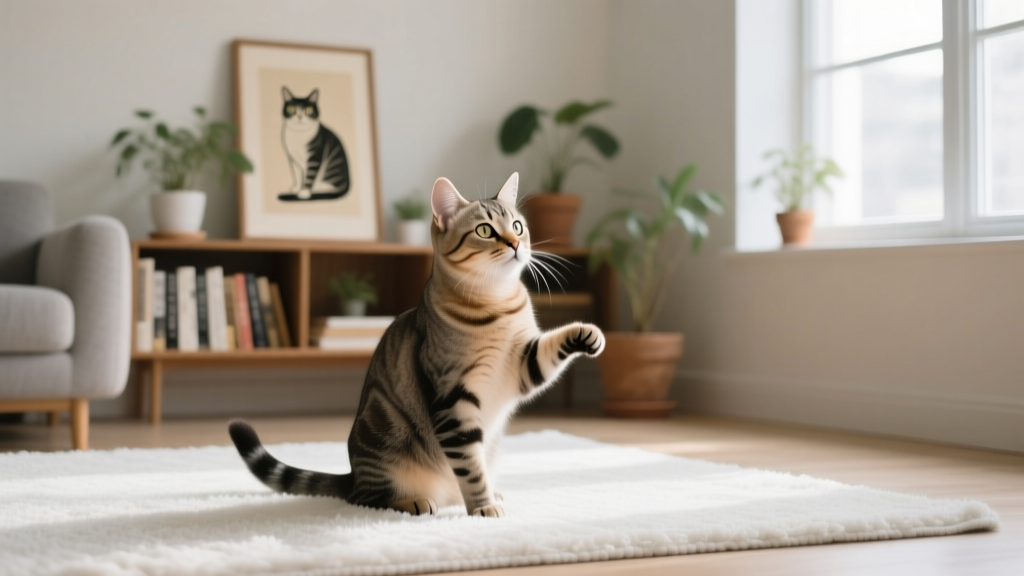
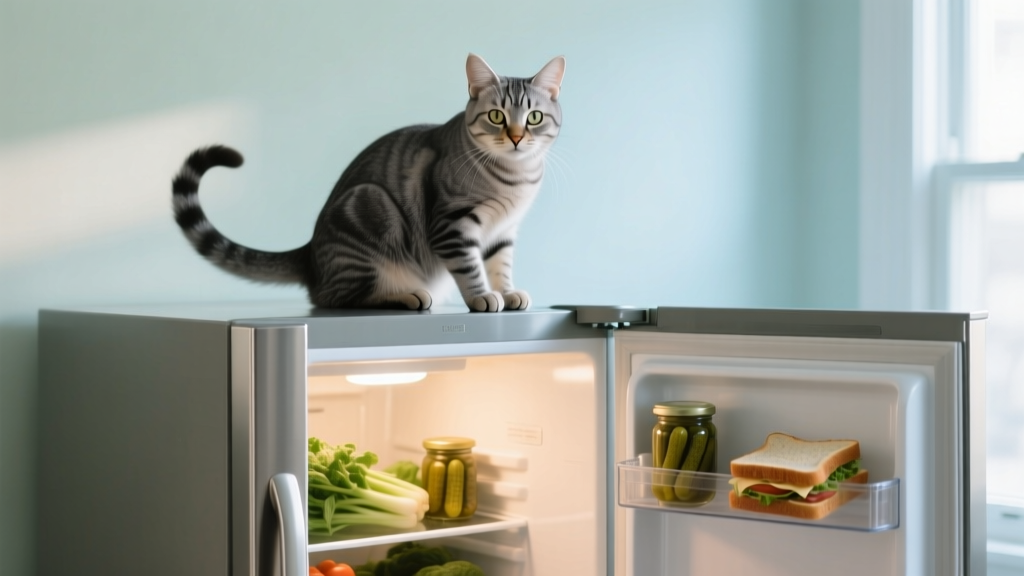
You walk into the kitchen for a midnight snack. The house is quiet, the fridge hums softly, and then you feel it: the unmistakable sensation of being watched. You look up… and there’s your cat. Perched like a tiny lion on a cliff, tail curled neatly around their paws, eyes half-lidded with calm authority. The refrigerator top: not a chair, not a bed, not even particularly convenient—yet somehow it’s become your cat’s favorite penthouse suite.
If you’ve ever wondered why your cat chooses the top of the fridge (and why they look so proud up there), you’re not alone. This behavior is common, surprisingly logical, and packed with clues about what your cat needs from their environment—and from you.
The Evolutionary Logic: Height = Safety + Information
To understand the fridge-top habit, it helps to think like a cat’s ancestors. Domestic cats share a lot of instincts with wild felines: they’re both predator and prey. That “in-between” role shapes many of their quirks.
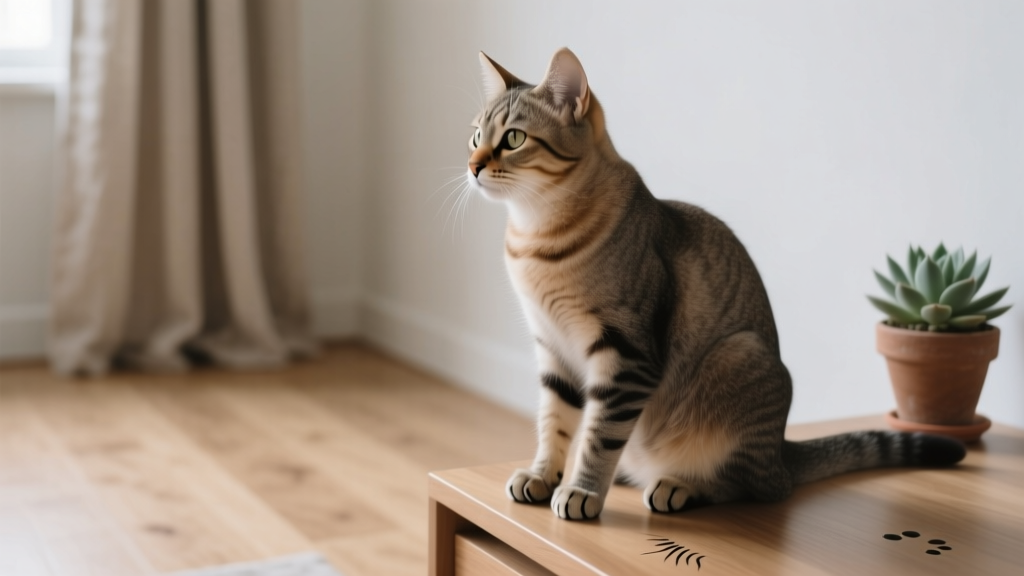
- Height offers security. From an elevated spot, a cat can avoid sudden approaches (from people, dogs, toddlers, or other cats). Up high, they’re harder to surprise and easier to defend.
- Height provides a strategic view. Cats are surveillance experts. Being up high lets them monitor “cat-important” activity: food preparation, doors opening, other pets moving around, and your general routine.
- Height reduces conflict. In multi-cat households especially, vertical space is like extra square footage. It creates lanes and levels so cats can share territory without constantly bumping into each other.
The refrigerator is a tall, stable object in a high-traffic area. It’s basically an observation tower placed in the center of the action. From your cat’s perspective, it’s excellent real estate.
Why the Refrigerator Specifically? Context Matters
Not all “high places” are equal. Cats often choose the fridge top for a handful of practical reasons—some you’d expect, some you might not.
1) It’s warm (or at least pleasantly toasty)
Many refrigerators release heat from the back or top depending on the model and ventilation. Even a small amount of warmth can be irresistible to a creature who loves cozy temperatures. If your cat seems to melt into a loaf position up there, warmth may be a major factor.
2) It’s quiet, stable, and rarely disturbed
Countertops get wiped. Chairs get moved. Cat trees wobble. But the refrigerator top? Many households don’t interact with it much. That makes it predictably safe. Cats adore predictable.
3) It smells like “life happens here”
Kitchens are scent-rich: food, packaging, hands that opened the treat jar, the lingering aroma of tuna. Cats experience the world through smell more than we do, and the kitchen is basically an olfactory bulletin board.
4) It’s a social hub with built-in entertainment
Even if you don’t cook often, the kitchen is where humans gather—coffee, snacks, water, conversation. If your cat likes to be near you but not necessarily touched by you, the fridge top is a perfect compromise: close enough to be included, high enough to feel in control.
5) It may be the best “vertical option” available
If your home doesn’t offer many tall cat-friendly perches, cats will improvise. Shelves, wardrobes, the top of cabinets—and yes, the fridge—become the next best thing. Cats don’t see “off limits” the way we do; they see “climbable.”
A Behavior Breakdown: What’s Going On in Different Situations?
Seeing your cat on the refrigerator is one thing. Understanding when they do it helps you decode the motivation.
When you have guests over
If your cat suddenly relocates to the fridge top during a dinner party, that’s often a polite coping strategy. They’re saying, “I want to watch, but I’m not ready to mingle.” Elevated perching can be a confidence boost—like viewing the party from a balcony.
When another pet enters the kitchen
In a multi-pet home, the fridge top can function as a neutral zone or escape hatch. If your cat jumps up there when the dog walks in, they’re managing distance. That’s not “being dramatic”—it’s smart conflict avoidance.
When they’re waiting for food
Some cats learn that being visible (and slightly in your way) increases the odds of snacks appearing. From the fridge top, they can track your movements and look incredibly persuasive. If they stare at you while slowly blinking, that’s basically cat for, “We both know what time it is.”
When they seem restless or bored
Perching can also be an enrichment activity. Climbing, balancing, and observing are mentally stimulating. If your cat does a fridge-top patrol and then hops down to chase a toy, you’re seeing natural hunting and scouting behavior in miniature.
When the house is noisy
Vacuuming, kids running, construction outside—cats often seek higher ground during stressful sound events. Up high, they feel less vulnerable. It’s a self-soothing choice.
What It Says About Your Cat’s Mood and Feelings
Fridge-top lounging isn’t one single “emotion.” It’s a behavior that can mean different things depending on body language and timing.
- Calm and confident: Relaxed posture, paws tucked, tail loosely wrapped, slow blinks. Your cat feels safe and is enjoying their lookout.
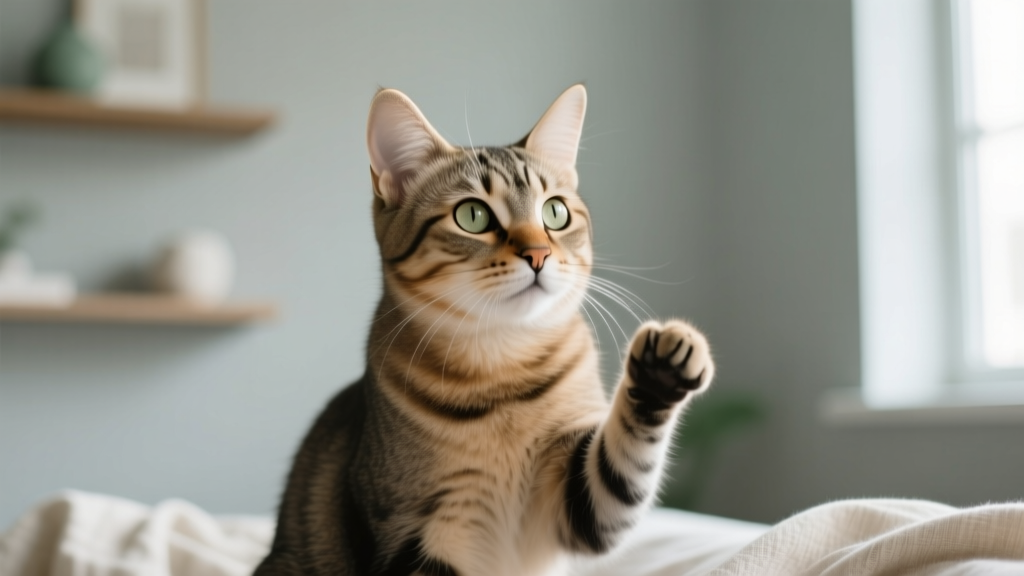
- Curious and engaged: Upright ears, head tracking movement, tail tip twitching lightly. They’re monitoring activity, possibly hoping something interesting (or edible) happens.
- Overwhelmed or cautious: Tense body, crouched posture, wide eyes, ears angled sideways, tail tight to the body. The fridge top is a refuge.
- Territorial or watchful: Stiff posture, intense staring at another pet, blocking access to jump-down spots. They may be guarding resources or feeling insecure.
The key is to read the whole cat, not just the location. The fridge top is the stage; their body language is the story.
Related Behaviors You Might Notice
If your cat loves the refrigerator top, you may also see:
- Cabinet-top camping: Especially above the fridge or along upper kitchen cabinets—classic “highway system” behavior.
- Shoulder riding or desk perching: Some cats prefer being near humans but above floor level.
- Window surveillance: Another high-value observation post, often paired with “chirping” at birds.
- Following you from room to room—at a distance: The cat version of quality time without too much closeness.
- Sudden zoomies after climbing: Physical activity and adrenaline release after a good perch-and-scout session.
When It’s Normal… and When It Might Be a Concern
Most of the time, fridge-top sitting is perfectly normal. Cats like height. Kitchens are interesting. End of story. But there are a few situations where it’s worth paying closer attention.
Normal, common reasons
- Your cat enjoys the view and feels secure up high.
- Your home lacks other tall, stable cat perches.
- They’re avoiding a pushy pet or a busy household moment.
Potential concerns to watch for
- Sudden change in behavior: If your cat never used to climb and now spends hours hiding on top of the fridge, consider stress, pain, or conflict with another pet.
- Signs of anxiety: Hiding more than usual, decreased appetite, overgrooming, aggression, or litter box changes.
- Mobility issues: Older cats may jump awkwardly, hesitate, or misjudge landings. Arthritis can make high jumps uncomfortable or risky.
- Safety hazards: If your cat knocks items down, gets stuck, or uses unsafe launch points (like the stove), it’s time to redesign the “route.”
If you see big shifts in perching behavior paired with other changes, a vet check and a look at household stressors are both smart moves.
How to Respond (and How to Encourage It Safely)
You don’t necessarily have to stop the behavior—often it’s meeting a real feline need. The goal is to make it safe and to give your cat even better options.
Create a better perch than the fridge
- Add a tall cat tree near (but not directly in) the kitchen or living area. Cats love being close to the action.
- Try wall shelves or a cat walkway to provide a vertical “highway.” This is especially helpful in multi-cat homes.
- Offer a window perch for daytime entertainment that doesn’t involve kitchen counters.
If you’re okay with fridge-top lounging, make it safer
- Clear the top completely. Remove glass, heavy objects, magnets, cords, and anything that can fall.
- Add traction. A non-slip mat or a thin rug pad (secured safely) can help prevent slips, especially for seniors.
- Provide a “step” route. A sturdy stool or intermediate surface reduces risky leaps. (Avoid anything that could tip.)
If you want to discourage it without drama
- Give an alternative that’s better. Place a cat tree nearby and reward your cat for using it with treats or praise.
- Make the fridge top boring, not scary. Don’t yell or chase. Instead, block access temporarily and reinforce other perches.
- Meet the underlying need. If they’re up there to avoid another pet, address the social tension with more resources (multiple feeding stations, litter boxes, resting spots).
From a relationship standpoint, the biggest win is this: when your cat chooses height, they’re often choosing comfort. Helping them feel safe doesn’t “spoil” them—it builds trust.
Fun Facts and Research-Style Nuggets
- Cats use vertical space to reduce conflict. Behaviorists commonly recommend vertical territory in multi-cat homes because it allows cats to share a room without constant face-to-face encounters.
- High perches can act like “privacy screens.” Cats can observe without being approached, which supports a sense of control—an important ingredient in feline well-being.
- Cats prefer warm resting spots. Their comfort zone tends to be warmer than what humans prefer, which is why sunny windows, warm appliances, and cozy blankets are perennial favorites.
- Observation is enrichment. A cat watching a household routine is not “doing nothing.” Mentally, they’re tracking patterns, sounds, and movement—basically running a tiny security office.
FAQ: Cats and Refrigerator Top Sitting
Is it okay to let my cat sit on top of the refrigerator?
Usually yes, as long as it’s safe: no fragile items up there, stable access, and no risk of contact with hot surfaces or cords. If your cat is elderly or unsteady, provide safer alternatives or steps.
Why does my cat jump on the fridge when strangers come over?
It’s often a coping strategy. Height helps cats feel secure and gives them a comfortable way to observe without interacting. Think of it as “social distancing, feline edition.”
My cat screams from the top of the fridge—what does that mean?
Vocalizing can be attention-seeking (“feed me”), excitement, or mild stress. Look at the context: time of day, your routines, and whether there are other stress signals (tense body, hiding more, appetite changes).
How do I stop my cat from getting on the refrigerator?
Offer a better high perch nearby, reward your cat for using it, and remove easy “launch points” if needed. Avoid punishment—cats rarely connect it to the behavior and may just learn to fear the kitchen (or you).
Why does my cat sleep up there instead of in their bed?
The fridge top may feel safer, warmer, quieter, or more socially connected (they can watch you). Some cats also prefer firm, elevated surfaces. Upgrading their bed location—higher, warmer, or more private—can make it more appealing.
Could this be a sign my cat is anxious?
It can be, especially if the behavior is new or paired with other changes like hiding, litter box issues, aggression, or overgrooming. If you’re seeing a pattern of stress, consider a vet visit and a home “resource check” (more perches, more litter boxes, more safe zones).
Your cat on top of the refrigerator isn’t just being quirky—they’re expressing a very normal feline desire for height, warmth, and a good view of their kingdom (which, conveniently, includes you). With a few small tweaks, you can turn that instinct into safer, happier perching—and a smoother cat-human household rhythm.
Does your cat have a favorite “impossible” perch—fridge, шкаф top, doorway ledge, or something truly creative? Share your cat’s funniest high-rise habits and stories with the Cat Lovers Base community at catloversbase.com.