Why Cats Sit on the Kitchen Island Stool
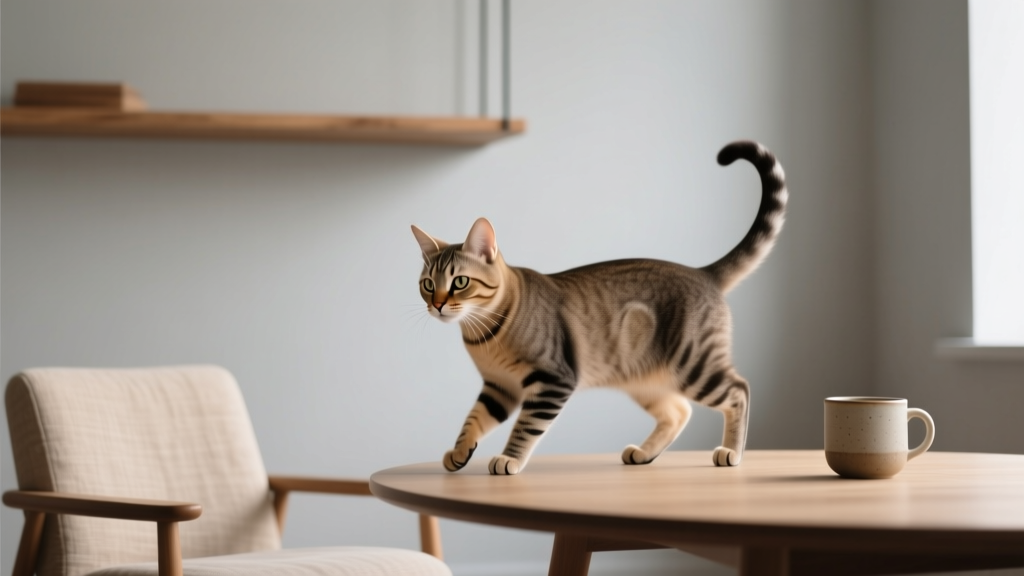
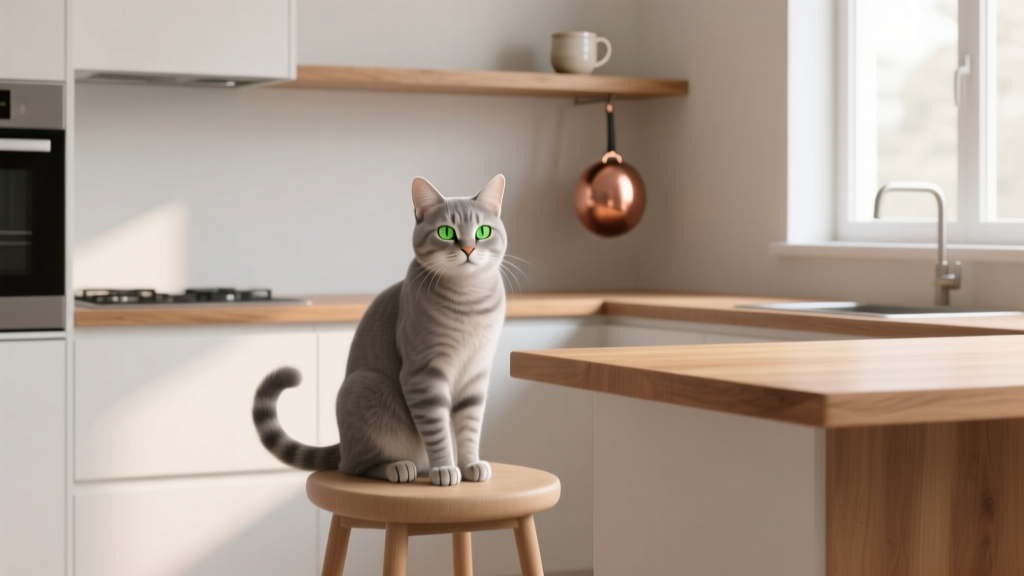
You walk into the kitchen to make coffee, and there they are—your cat perched on the kitchen island stool like they’ve reserved the best seat in the house. Tail tucked neatly around their paws, eyes half-lidded, quietly supervising the entire operation. You’re not even sure when they got up there. One minute they were in the hallway, the next they’re posted up at counter height, calmly judging your knife skills.
If your cat treats the island stool like a personal throne (especially when you’re cooking), you’re in good company. This isn’t random “cat weirdness”—it’s a very cat-logic choice, and it tells you a lot about what your cat wants, feels, and values in their environment.
The science-y, evolutionary reason: height equals safety, information, and control
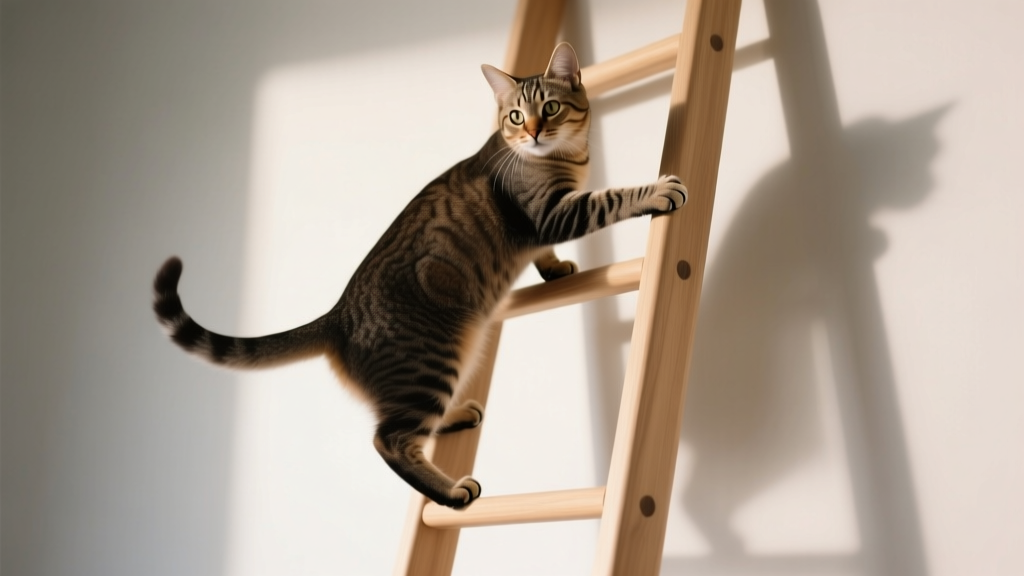
Cats are both predators and (sometimes) prey. That combo shapes nearly everything they do. In the wild, a small feline benefits hugely from getting off the ground: it improves visibility, reduces surprise encounters, and offers a safer place to rest. Even though your housecat isn’t hunting dinner in tall grass, their brain still loves the advantages of a good vantage point.
A kitchen island stool checks several instinctive boxes:
- Vantage point: Cats feel calmer when they can see what’s coming. A stool gives a panoramic view of doors, hallways, humans, other pets, and potential “suspicious noises.”
- Territory monitoring: Cats manage territory by observing it. Sitting up high is like running a security camera—without all the paperwork.
- Proximity without pressure: Your cat can be near you without being touched. That’s a big deal for cats who like company but dislike feeling cornered.
- Warmth and scent: Kitchens are often warm, and stools soak up household scents—especially yours—making them feel familiar and safe.
- Predictable routine: Kitchens are behavior hotspots: meals, treats, running water, opening cabinets. Cats love patterns they can anticipate.
From an evolutionary perspective, sitting on the stool is your cat’s version of “optimal positioning.” It’s the high ground, it’s central, and it’s close to resources.
Different contexts: what “stool sitting” can look like (and why)
Not all stool sitting is the same. The context matters, and your cat’s body language usually tells the story.
1) The “kitchen supervisor” during cooking
Your cat hops up as soon as you start chopping vegetables or unwrapping something crinkly. They’re not necessarily begging (though they might be). Often they’re simply tracking the activity. Kitchens are noisy, full of motion, and rich with smells—cat reality TV.
Common vibe: relaxed curiosity. They’re close enough to watch but not underfoot.
2) The “I want to be near you” seat
Some cats choose the stool specifically because it’s adjacent to you while you’re doing something stationary—scrolling at the island, prepping lunch, helping with homework. It’s social time, in cat terms: same room, comfortable distance.
Common vibe: slow blinks, loaf posture, gentle tail flicks.
3) The “my feeding station is nearby” strategy
If meals are prepped in the kitchen, the stool becomes a waiting room. Cats are excellent at building routines. If sitting there has ever led to food, attention, or a “just a tiny bite” from a soft-hearted human, the behavior can become a learned strategy.
Common vibe: alert posture, ears forward, eyes wide, occasional chirps or meows.
4) The “I don’t like the floor right now” option
If there’s a dog roaming, guests over, a new cat in the home, or even a vacuum recently used, the stool may be an emotional safety zone. Height can reduce stress because it creates distance and improves predictability.
Common vibe: tense shoulders, tight tail wrap, scanning the room.
5) The “best sunbeam / warmth spot” choice
Morning light often lands on the kitchen. Stools can be positioned perfectly for a warming sun patch. Cats are heat-seekers by design; warmth supports rest and muscle comfort.
Common vibe: sprawled position, purring, kneading, sleeping.
What this behavior says about your cat’s mood and feelings
Think of the stool as a communication tool. Your cat may be saying one (or several) of the following:
- “I feel safe here.” Relaxed body, slow blinking, grooming on the stool = comfort and trust.
- “I’m curious.” Upright sit, ears forward, head turning to track sounds = engaged and interested.
- “I want to be included… on my terms.” Choosing a nearby perch rather than a lap can mean social interest with a preference for personal space.
- “I’m waiting for something.” Staring at cabinets, licking lips, meowing, hopping down and up again = anticipation (often food-related).
- “I’m managing stress.” Wide eyes, crouched posture, quick startle responses = using height to cope.
Many cats find it easier to relax when they can observe without being approached. If your cat chooses the stool instead of hiding, that’s often a sign they feel generally secure in the home.
Related behaviors you might also notice
Stool sitting tends to come with a set of familiar “kitchen cat” habits:
- Counter surfing: If the stool is a stepping stone, the counter may be the next stop (especially if it’s ever paid off with food).
- Following you room-to-room: Cats who perch nearby often have a social attachment style—quiet companionship.
- Chirping at birds through kitchen windows: A stool near a window can become a bird-watching platform.
- “Helping” with water: Some cats sit on a stool to supervise the sink, ask for a drip, or watch water run.
- Gentle swats at your hands or utensils: Not aggression—often playful curiosity (though it can be unsafe during cooking).
When sitting on the kitchen island stool is normal—and when it might be a concern
Normal: Most of the time, this is a healthy, enriching behavior. Cats like perches. A stool is stable, social, and stimulating.
Possible concern: Consider digging deeper if you notice any of the following patterns:
- Sudden change: A cat who never perched before suddenly starts spending hours on the stool, especially if they seem restless or tense. This can indicate stress, conflict with another pet, or environmental changes.
- Avoiding the litter box area: If the stool becomes a “safe zone” because the cat is avoiding another space, investigate what’s making that area feel unsafe (another pet guarding, noisy appliance, dirty box, etc.).
- Signs of pain: Hesitation jumping, stiffness, missing jumps, or crying when landing could indicate arthritis or discomfort. Some cats still jump but pay for it later.
- Obsessive food anxiety: If the stool sitting escalates to constant vocalizing, stealing food, or frantic behavior, your cat may be underfed, bored, or experiencing a medical issue that increases appetite (like hyperthyroidism).
If you’re seeing mobility issues, appetite changes, hiding, aggression, or significant anxiety, it’s worth a vet check and a behavior-focused look at the home setup.
How to respond (and when to encourage it)
You don’t have to “fix” stool sitting—most cats benefit from having elevated stations. The goal is to make it safe, polite, and mutually comfortable.
Encourage the good parts
- Make it a designated perch: Add a washable mat or towel that gives traction and holds scent. Cats love stable footing.
- Reward calm behavior: If your cat sits quietly while you cook, occasionally toss a treat onto the stool (not the counter). You’re reinforcing “this spot is for hanging out calmly.”
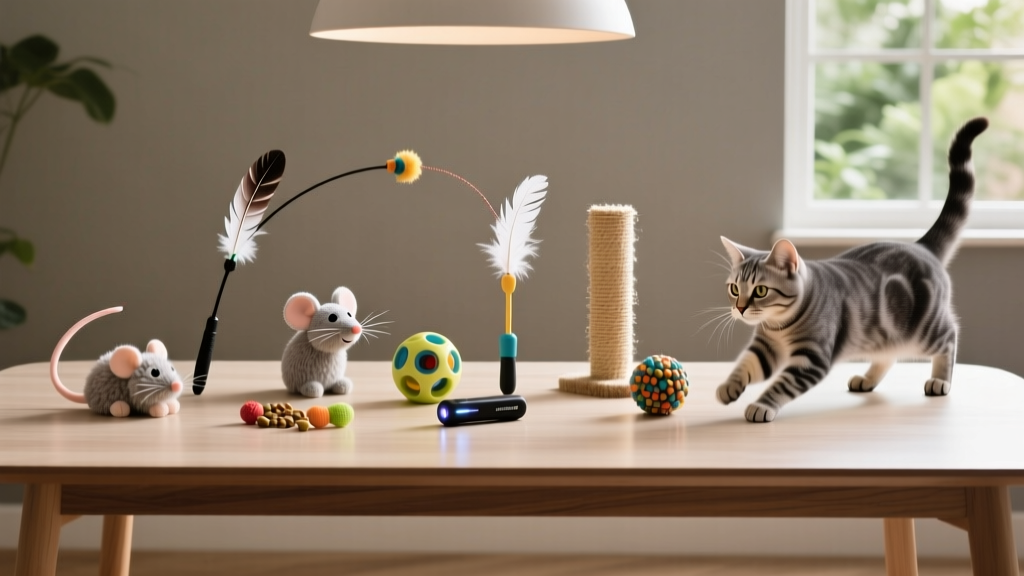
- Offer an alternative high spot: A cat tree near the kitchen or a window perch can reduce counter interest while still meeting the need for height.
Reduce kitchen conflict (especially around food)
- Don’t reward counter jumps by accident: If stool-to-counter hopping gets them chicken scraps even once, they’ll remember. Instead, give a small treat in a bowl on the floor or on the stool after you’re done cooking.
- Create a “station” ritual: Teach your cat that good things happen when they sit on the stool or a mat nearby—then reward that position. This is essentially target training, but kitchen-friendly.
- Prevent unsafe interactions: If your cat reaches for hot pans or knives, calmly block access and redirect them to their stool with a treat or a toy toss away from the cooking area.
Support nervous cats
- Give them a clear escape route: Make sure the stool isn’t a trap where a dog or child can corner them.
- Respect the perch: If your cat uses the stool to feel secure, avoid pulling them off or hovering over them. Let them choose contact.
Fun facts and research-flavored tidbits
- Cats are vertical strategists: In multi-cat homes, access to vertical space (perches, shelves, cat trees) is strongly associated with reduced tension and better cohabitation. Height creates options—and options reduce stress.
- Observation is enriching: Watching humans cook, listening to household sounds, and sniffing new items provide mental stimulation. For many indoor cats, the kitchen is a daily “sensory buffet.”
- Cats value predictable routines: Studies of cat behavior and welfare consistently highlight the importance of predictability and control. A stool near the action lets your cat monitor routine while choosing their level of participation.
FAQ: Cats and the kitchen island stool
Why does my cat sit on the stool only when I’m cooking?
Cooking is high-stimulation: smells, sounds, motion, and sometimes food rewards. Your cat may be curious, socially engaged, or anticipating a snack. If you want to reduce begging, reward calm stool sitting occasionally and avoid feeding directly from the prep area.
Is my cat begging or just hanging out?
Look at body language. Relaxed loafing, slow blinking, grooming, or dozing suggests companionship and comfort. Intense staring at your hands, frequent meowing, lip licking, and repeated jumping down/up suggests food-motivated waiting.
How do I stop my cat from going from the stool to the counter?
Provide a better “legal” perch (stool with a mat, nearby cat tree), reward staying there, and make counters boring: keep food put away, wipe scents, and avoid accidental reinforcement. Training a “go to your spot” cue can help a lot.
My cat guards the stool and swats if I walk by. What does that mean?
That can be overstimulation, resource guarding, or stress—especially in multi-pet homes. Add more perches, ensure your cat has escape routes, and avoid direct confrontation. If it’s new or escalating, consult a vet (pain can increase irritability) and consider a behavior professional.
Is it okay to pet my cat when they’re on the stool?
Only if your cat invites it. Cats often choose perches for “near but not handled.” Offer a hand for a sniff, pet briefly, then pause. If they lean in or head-butt, continue. If they stiffen, flick their tail, or turn away, respect the “no thanks.”
Why does my cat sleep on the stool instead of their bed?
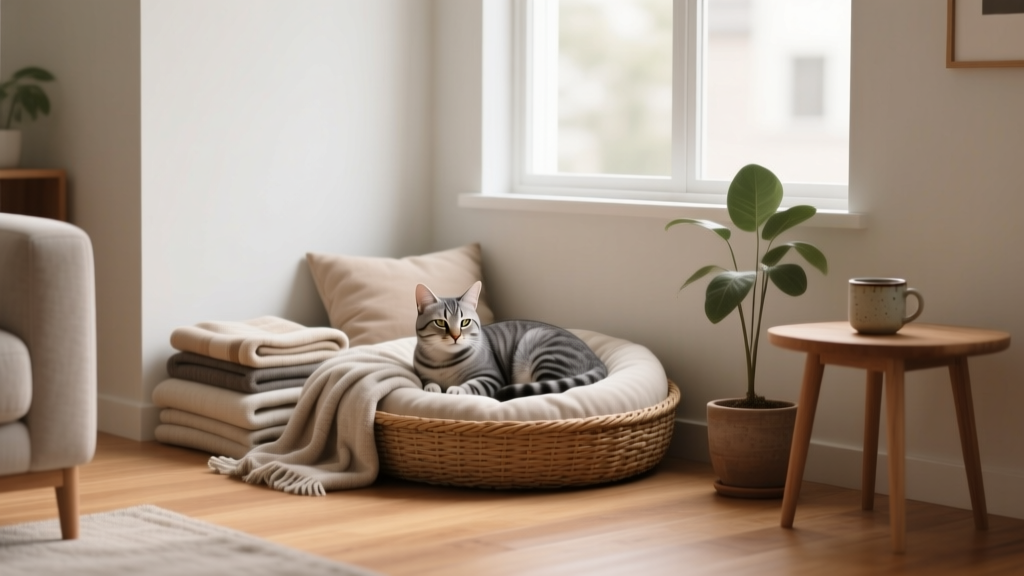
Your bed may be too tucked-away, too warm/cool, too soft, or in a low-visibility location. The stool may feel safer (better view), smell like you, or catch a warm draft or sun patch. You can experiment by moving the cat bed to a more “observational” spot or placing a familiar-smelling blanket on it.
In most homes, a cat on the kitchen island stool isn’t plotting anything more dramatic than comfort, curiosity, and a little social surveillance. They’re choosing a spot that meets feline priorities: height, visibility, predictable activity, and closeness to you without getting stepped on.
Does your cat have a favorite “supervisor seat” in the kitchen—stool, chair, windowsill, or something truly unexplainable? Share your cat’s quirky perch habits and stories with the Cat Lovers Base community at catloversbase.com.