Why Cats Sit in Sinks and Basins
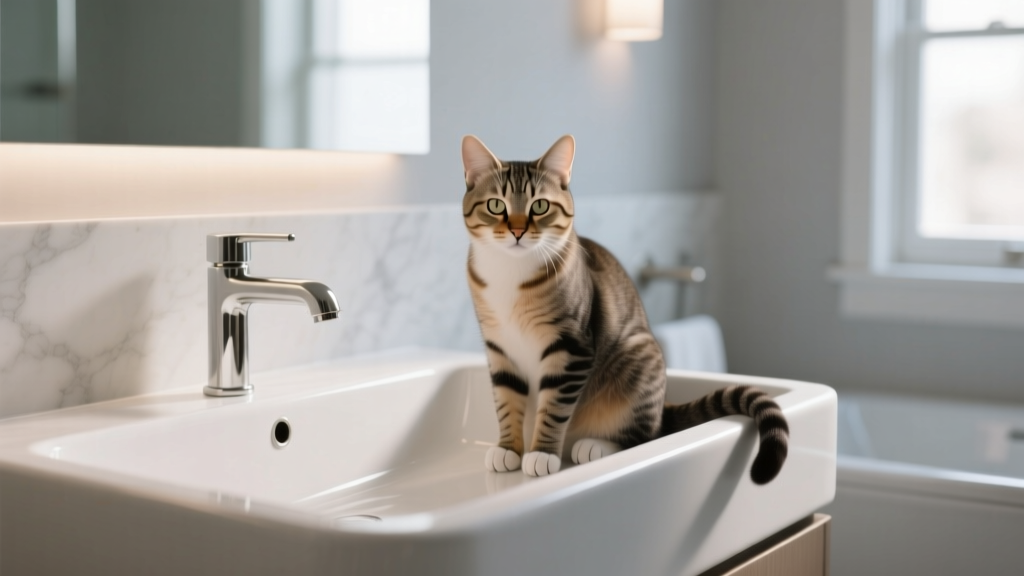
You walk into the bathroom half-awake, flip on the light, and there’s your cat—curled up in the sink like they pay rent. Maybe they blink at you slowly as if to say, “Yes, this is mine now.” Or you head to the kitchen to rinse a dish and find a furry loaf sitting neatly in the basin, perfectly fitted to the bowl. It’s one of those classic cat-owner moments: baffling, adorable, and mildly inconvenient when you actually need to use the sink.
As quirky as it looks, sink-sitting isn’t random. It’s a behavior with a surprisingly sensible mix of feline instincts, comfort-seeking, and a dash of “I like being where you are.”
1) The scientific and evolutionary “why”
Cats are both predators and potential prey. That combo shapes nearly everything they do. In the wild, resting spots are chosen for safety, warmth, and the ability to monitor what’s happening nearby. A sink or basin checks a lot of those boxes in a modern home.
- Security through containment: Cats often prefer spaces that “hug” their bodies. A sink is basically a pre-made nest—smooth walls, snug shape, and a clear boundary. Feeling enclosed can lower vigilance, which is the whole point of a good resting spot.
- Temperature regulation: Many sinks are cool porcelain or stainless steel. Cats run warmer than humans and can be picky about thermoregulation. A cool surface can feel amazing, especially after a zoomie session or during warm weather.
- Vantage point and territory: Sinks tend to be in high-traffic areas (bathrooms, kitchens). Cats are natural “event managers.” They like to observe and control access. A sink is a strategic perch where they can track movement and smell.
- Scent and familiarity: You’re in the bathroom and kitchen a lot. Your scent gathers there. Some cats find that comforting, like curling up in a hoodie you left on the chair. They might also be drawn to the mix of soap, toothpaste, or residual water smells—novel but safe.
In short: sink-sitting is a modern version of denning and lookout behavior, with bonus temperature control and social proximity.
2) A detailed breakdown: different sink scenarios and what they suggest
Not all sink visits are the same. The context matters, and it can tell you a lot about what your cat is looking for in that moment.
The “perfectly curled nap” sink cat
Your cat kneads once or twice, tucks paws, and settles in like a cinnamon roll. This is usually about comfort and security. The basin cradles the body and can feel like a safe nest. Many cats prefer curved resting spots because they reduce the need to stay “on guard.”
The “I’m waiting for you” bathroom sink cat
You brush your teeth and suddenly you have an audience. Cats often follow their people for predictable routines. Bathrooms are especially interesting: small space, echoing sounds, running water, and you’re standing still for a few minutes—prime cat social time.
The “turn on the tap” sink cat
Some cats hop in the sink and stare at the faucet like it owes them money. That can be about hydration preferences. Cats can be drawn to moving water because, instinctively, it’s often fresher than stagnant water. The sink is also a place where water sometimes appears—mysteriously, from the cat’s perspective.
The “it’s hot outside” sink cat
On warm days, cats may seek cooler surfaces. Porcelain and metal can help pull heat away from the body. If your cat rotates between tile floors, tubs, and sinks, they’re likely managing their temperature like a tiny furry engineer.
The “new home/new stress” sink cat
In a new environment, some cats choose sinks or bathtubs as “default safe zones.” The smooth surface holds less lingering scent from other animals, and the enclosed shape can feel protective. If your cat is hiding less and perching more in the sink, they might be cautiously gaining confidence.
3) What sink-sitting says about your cat’s mood
A sink cat can mean different things emotionally, but a few common interpretations show up again and again.
- Content and relaxed: Loose body, slow blinks, paws tucked, ears neutral. This is a “I feel safe here” signal.
- Social and affiliative: If your cat hops in the sink when you enter the room, rubs on your hands, or chirps, they’re likely seeking interaction.
- Curious and stimulated: Wide eyes, sniffing the drain, pawing at the faucet. This is investigative behavior—healthy and normal.
- Overheated or seeking relief: Sprawling posture, seeking cool surfaces repeatedly, possibly mild panting (panting should always be taken seriously). The sink is a cooling station.
- Stressed and self-soothing: Tense posture, flattened ears, crouching low, staying in the sink for long periods, avoiding other rooms. The sink may feel like a “protected bubble.”
Think of the sink as a cat’s multipurpose comfort tool: part bed, part lookout, part social stage.
4) Related behaviors you might also notice
If your cat loves sinks, you may recognize these close cousins of the same instincts:
- Box obsession: Same “snug, contained” preference. A box and a sink are basically siblings in cat logic.
- Laundry basket lounging: Curved sides plus soft fabric plus your scent—irresistible.
- Bathtub sleeping: Like a giant sink, often cool and enclosed.
- Sitting in the shower after you use it: Interesting smells, leftover humidity, and sometimes droplets to lick.
- Perching in high places: Cat trees, shelves, fridge tops—vantage points reduce stress and increase control.
These behaviors all orbit the same needs: safety, comfort, and information-gathering.
5) When sink-sitting is normal vs. when to pay attention
Most of the time, sink loafing is harmless and hilariously on-brand for cats. Still, it’s worth noting when the pattern changes.
Usually normal
- They nap in the sink occasionally, especially in warm weather.
- They visit the sink when you’re nearby (social behavior).
- They hop in, sniff around, then leave.
- They’re otherwise eating, drinking, playing, and using the litter box normally.
Potential concerns
- Sudden, intense fixation on water: If your cat is constantly seeking the sink and begging for running water when they didn’t before, consider a vet check. Increased thirst can be associated with medical issues like kidney disease, diabetes, or hyperthyroidism.
- Hiding in the sink for long periods: If your cat is retreating to the sink and avoiding interaction, look for stressors (new pet, visitor, construction noise) or signs of pain.
- Difficulty jumping in/out: Reluctance to jump can indicate arthritis or injury.
- Panting or drooling while sink-sitting: Heat stress and pain are both possibilities—contact your vet promptly.
Rule of thumb: the sink itself isn’t the problem; a change in behavior, thirst, mobility, or mood is what deserves attention.
6) Tips for responding (and keeping the peace with your plumbing)
You don’t have to ban sink-sitting. In many homes it becomes a charming ritual. A few small tweaks can keep it safe and sanitary while meeting your cat’s needs.
- Offer a “sink alternative”: If your cat likes the shape, try a curved cat bed, a cardboard box with a soft towel, or a felted cave bed near the bathroom or kitchen. Place it where your cat wants to be—cats are location loyal.
- Make water access easier: If your cat is drawn to the faucet, consider a pet water fountain. Many cats prefer moving water, and a fountain can reduce sink begging (and your tap-drip bills).
- Use positive redirection, not punishment: Spraying or scolding can increase stress and make the sink more “emotionally important.” Instead, lure them to an approved spot with treats or a toy, then reward.
- Keep it safe: Avoid leaving harsh cleaning chemicals residue in the basin. Rinse thoroughly. Also keep razors, dental floss, hair ties, and small objects out of reach—bathrooms are cat hazard zones.
- Give them bathroom companionship: If your cat uses sink time as social time, offer a quick ear scratch or slow blink while you wash your hands. You’re reinforcing a calm, friendly routine.
- If hygiene is your concern: Consider designating one sink as “cat tolerated” (often the bathroom) and gently discourage kitchen sink lounging by keeping it dry, covering it temporarily, or placing a dish rack/basin insert when you’re not using it.
The goal is to respect the need underneath the behavior—comfort, coolness, closeness, or water—while steering it into a setup that works for both of you.
7) Fun facts and research-flavored nuggets
- Cats love “thigmotaxis”: That’s a fancy way of saying many animals feel safer when they can touch a boundary (like a wall or the sides of a sink). It’s one reason tight spaces can be so soothing.
- Warmth isn’t always the goal: We often assume cats always seek heat, but many cats actively seek cool surfaces to regulate body temperature—especially in summer or in well-heated homes.
- Moving water preference is common: Domestic cats descend from desert-adapted ancestors. Many still show a bias toward fresh, moving water, which in nature can be less likely to contain contaminants than stagnant puddles.
- Sinks are scent hubs: They collect a rotating cast of odors (soap, food, your hands, toothpaste). For cats, scent is information, and information is reassuring.
8) FAQ: common questions cat owners ask
Is it okay to let my cat sleep in the sink?
Generally, yes—if the sink is clean, free of chemical residue, and your cat can get in and out comfortably. If you need to use the sink, gently move them or lure them out with a treat rather than startling them with water.
Why does my cat get in the sink when I’m brushing my teeth or washing my face?
Because your routine is predictable and you’re standing still. Many cats use that time for social bonding and attention. The sink puts them right at your level, which makes interaction easy.
My cat cries until I turn on the faucet. Are they thirsty?
Sometimes it’s thirst, sometimes it’s preference, and sometimes it’s just a fun game. If this is new or intense, or your cat is drinking much more than usual, schedule a vet visit to rule out medical causes. A water fountain often helps either way.
How do I stop my cat from sitting in the kitchen sink?
Avoid punishment. Instead, provide a better option nearby (a cozy bed on a chair, a window perch, a box) and reward your cat for using it. You can also make the sink less inviting by keeping it dry and temporarily placing a basin insert or dish rack when you’re away.
Why does my cat choose the sink instead of their expensive cat bed?
Because cats choose beds based on location, shape, and security—not price. A sink is snug, familiar-smelling, and often near you. Move the bed to a sink-adjacent spot and try a more “huggy” shape (round, high sides).
My cat suddenly started sleeping in the sink every day. Should I worry?
Not automatically, but note any other changes: appetite, litter box habits, hiding, thirst, weight, or mobility. Sudden behavior shifts can be a stress response or a sign of discomfort. If anything else seems off, a vet check is wise.
Better relationships, one weird perch at a time
When a cat sits in a sink, they’re not being “random.” They’re selecting a spot that meets real feline needs: safety through snug boundaries, temperature comfort, water access, and proximity to you. If you respond with curiosity instead of frustration, you’ll learn a lot about what your cat values—and you can use that knowledge to make your home even more cat-friendly.
Does your cat claim the bathroom sink, the kitchen basin, or the tub like a tiny throne? Share your sink-cat stories (and the funniest “excuse me, I need that sink” moments) with the community at catloversbase.com.