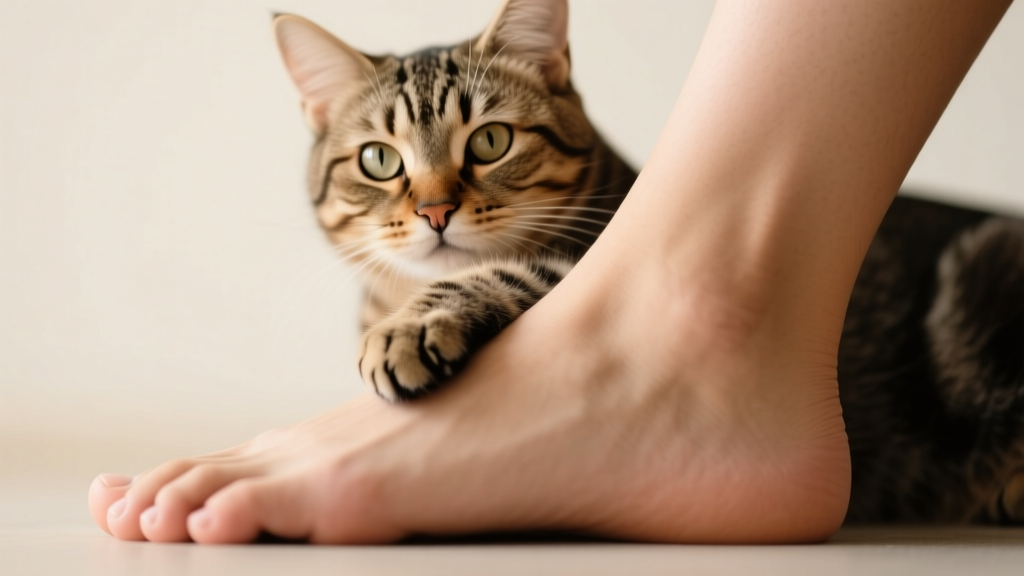
Cat Paw Resting on Your Ankle: Guard Behavior
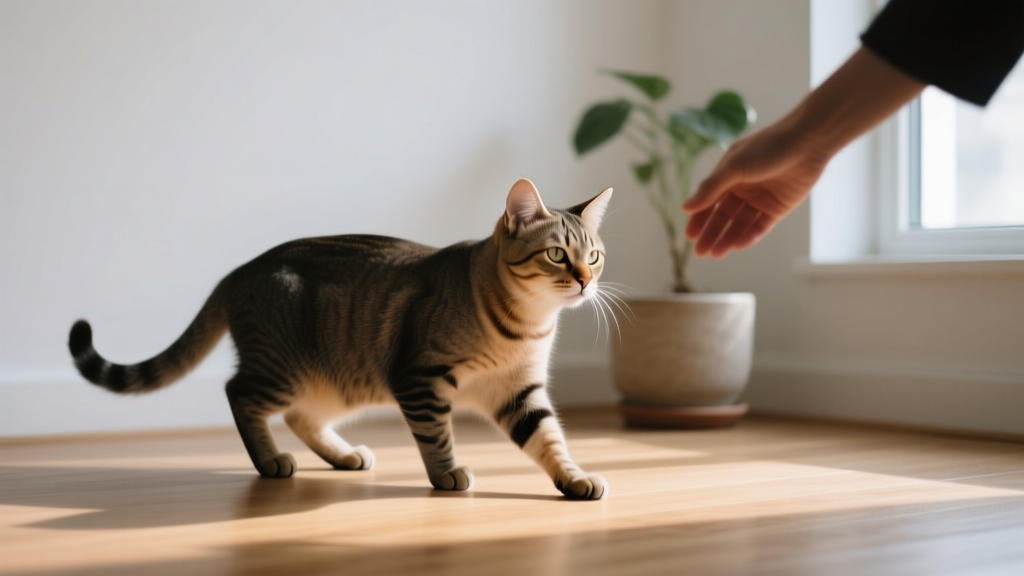
You’re standing at the kitchen counter, maybe waiting for the kettle to boil or scooping food into a bowl, and you feel it: a soft, deliberate tap on your ankle. You look down, and there’s your cat—calm face, relaxed whiskers, one paw gently parked on your foot like they’re claiming prime real estate. Not kneading. Not swatting. Just… resting there. If you shift your weight, the paw follows. If you step away, your cat might take a tiny step forward to keep contact.
It’s one of those quietly hilarious cat moments. They’re not exactly hugging you, but they’re not not hugging you either. So what is this? Affection? Possession? A request? A tiny furry security guard making sure you don’t wander off?
Often, yes: it’s a form of “guard” behavior—part bonding, part monitoring, part “you’re in my group, so I’m staying connected.”
Why cats do this (the science and evolution behind it)
Cats may have a reputation for being solitary, but domestic cats (and their wild relatives) are surprisingly social when resources allow. Free-ranging cats often form loose colonies, share space, and develop preferred partners. They’re not pack animals like dogs, yet they do build relationships and maintain them through subtle physical signals.
Touch is one of those signals. In social cats, body contact can serve a few key functions:
- Bond maintenance: Friendly touch helps reinforce “you’re safe with me.”
- Group cohesion: Staying physically connected makes it easier to coordinate movement and keep track of one another.
- Scent sharing: Cats use scent as a social language. Touching you can transfer their scent (and pick up yours), marking you as familiar.
- Security and monitoring: A paw on your ankle gives instant information—if you move, they feel it. In cat terms, that’s efficient supervision.
From an evolutionary lens, animals that can quickly read changes in their environment—movement, vibrations, shifting “herd members”—have an advantage. Your cat’s paw-on-ankle move is a low-effort way to stay informed and connected. Think of it as a living “status update.”
A detailed breakdown: different contexts where the ankle paw happens
The meaning shifts depending on the “scene” you’re in. Same paw placement, different message.
1) The Kitchen Shadow: “I’m here, and I’m keeping tabs”
This is the classic: you’re preparing food, and your cat stations themselves near your feet and rests a paw on you. Sometimes it’s partly practical—your ankles are the easiest reachable part of your body. But it’s also social. They’re anchoring contact while they wait to see if the situation becomes interesting (translation: snacks).
What it often means: Anticipation + affiliation. “I’m with you. Also, I have questions about dinner.”
2) The Hallway Escort: “Don’t leave the group”
You get up to go to another room and your cat follows, then touches your ankle as if to say, “I have eyes on you.” Cats who do this sometimes act like tiny bouncers—casually blocking your route with their body, then adding the paw for emphasis.
What it often means: Social attachment and gentle herding. Not dominance—more like, “We move together.”
3) The Couch Side-Quest: “I want attention, but I’m being polite”
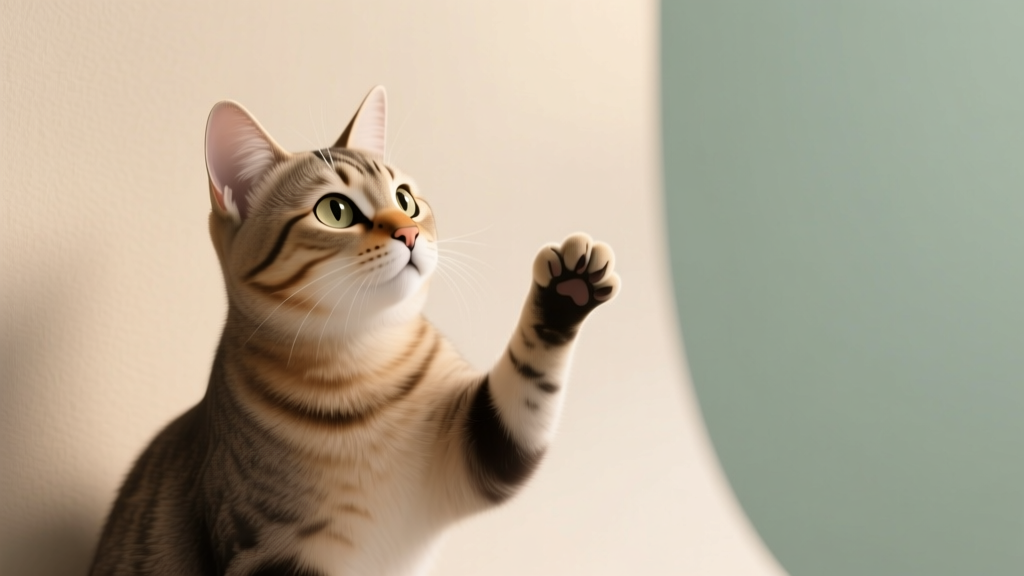
You’re sitting or standing nearby, and your cat reaches out with one paw, rests it briefly, then looks away like they didn’t do anything. This can be the feline version of raising a hand in class: a small request without the drama of meowing.
What it often means: Low-key attention seeking. “Hello. Touch me back. But keep it classy.”
4) The Nighttime Check-In: “You’re safe; I’m on duty”
Some cats do the ankle paw when you’re brushing teeth, getting ready for bed, or moving around in low light. They may be more alert at night (cats are crepuscular—most active at dawn and dusk), and physical contact helps them feel secure while the environment is quieter and more uncertain.
What it often means: Comfort-seeking and mutual reassurance.
5) The Visitor Situation: “I’m claiming my person”
If guests are over and your cat suddenly becomes extra “touchy” with your ankles, it can be a subtle social statement: “This human is familiar; I’m connected to them.” It’s not always jealousy. Sometimes it’s self-soothing—touching you helps them feel grounded.
What it often means: Mild stress + social anchoring.
What the behavior says about your cat’s mood and feelings
To interpret ankle pawing, zoom out and read the whole body.
- Relaxed tail (upright with a soft hook or gently waving): Friendly, confident connection.
- Soft eyes / slow blink nearby: Affection and trust.
- Purring with loose body posture: Contentment (though cats can also purr when self-soothing, so context matters).
- Ears forward or neutral: Curious and engaged.
- Tense body, ears angled sideways/back, tail flicking sharply: Overstimulation, uncertainty, or irritation—touching you may be their way of seeking security, but they may not want more touching back.
- Quick paw + immediate stare toward food/toy: A request. “You forgot something.”
The “guard” part usually shows up as steady contact and attentive monitoring. Your cat isn’t trying to control you; they’re keeping you within their social map. In their mind, you’re part of the territory that matters.
Related behaviors you might notice
If your cat is an ankle-paw specialist, you might also see:
- Following you from room to room: Social tracking—common in bonded cats.
- Head-butting (bunting): Scent marking and affection.
- Side-rubbing against your legs: Another “claim and connect” behavior, often stronger scent transfer than a paw.
- “Checking” you with a paw while you sleep: Gentle contact to confirm you’re there.
- Sitting with their back to you: A sign of trust—“I feel safe enough not to watch you.”
- Gentle ankle taps that escalate into weaving around your feet: A mix of greeting, herding, and “please notice me.”
When it’s normal vs when it might be a concern
Most of the time, paw-on-ankle is sweet, normal social behavior. But pay attention to changes in intensity or mood.
Usually normal
- Your cat touches your ankle briefly and stays relaxed.
- The behavior is consistent with their personality (clingy cats do clingy things).
- It happens during predictable routines: meals, bedtime, greeting you at the door.
Potential concern
- Sudden increase in clinginess: If your cat abruptly becomes more “guardy” or anxious, consider stressors (new pet, move, schedule change) or pain/illness.
- Pawing paired with vocal distress: Repeated yowling, restlessness, or inability to settle could suggest anxiety or discomfort.
- Pawing plus aggression: If they grab your ankle with claws, bite, or seem easily startled, it may be overstimulation, fear, or misdirected play.
- New behavior in a senior cat: Increased contact-seeking can accompany cognitive changes, vision loss, or arthritis—worth a vet check.
If the ankle touch is paired with limping, hiding, changes in appetite, litter box changes, or unusual vocalizing, treat it as a “whole-cat” message and consider talking with your veterinarian.
How to respond (and how to encourage it in a healthy way)
If you enjoy the ankle paw, you can respond in ways that reinforce calm, connected behavior—without accidentally training your cat to trip you at every meal.
- Reward the calm version: If your cat rests a paw gently (no claws, no weaving dangerously), respond with a soft “hello,” a brief chin scratch, or a treat after they’re calm. This teaches that gentle contact works.
- Create a “station” near you: Place a cat bed, stool, or mat near where you stand often (kitchen, bathroom sink). Reward your cat for sitting there. They can still “guard” you without becoming an ankle hazard.
- Use consent-based petting: Offer one or two strokes, then pause. If your cat leans in, you continue. If they turn away, respect it. This keeps the behavior affectionate, not overstimulating.
- Redirect if it becomes tripping: If your cat weaves around your feet, toss a treat a few feet away or cue them to their mat. Safety first—for both of you.
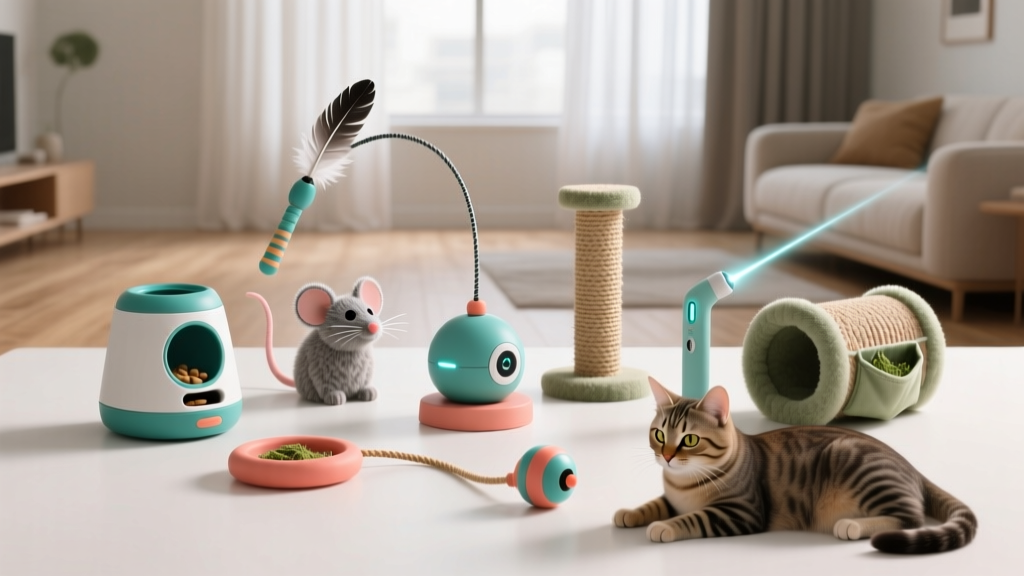
- Meet the underlying need: If the paw happens when they’re bored, add short play sessions (2–5 minutes) a couple times a day. “Guard behavior” can sometimes be “I need engagement” in disguise.
A helpful mindset: your cat isn’t trying to be weird. They’re trying to stay connected in the most cat-efficient way possible.
Fun facts and research-flavored tidbits
- Cats gather information through their paws: Paw pads are sensitive to vibration and texture. Resting a paw on you isn’t just touch—it’s data collection.
- Social scent is a big deal: Cats have scent glands on their face and paws. Physical contact supports a shared “family smell,” which can reduce tension in multi-cat homes.
- Affiliative touch is common in bonded pairs: Cats that are closely bonded often sleep touching, groom each other, and maintain small points of contact—like a paw draped over a friend. Your ankle may be standing in for that buddy-contact moment.
- Crepuscular timing makes routines feel important: Many cats ramp up social behavior at dawn/dusk, when hunting activity would naturally peak. Your evening kitchen routine may be their “prime time” for connection.
FAQ: Cat paw resting on your ankle
Is my cat guarding me when they put a paw on my ankle?
Often, yes—in a friendly way. It’s usually “social guarding”: staying connected, monitoring your movement, and reinforcing that you’re part of their safe group. It’s rarely about dominance.
Does this mean my cat is anxious or insecure?
Not necessarily. Many confident, affectionate cats do it. But if it increases suddenly or comes with tension (tail flicking, crouching, wide eyes), it can be a self-soothing behavior in response to stress.
Why does my cat do this more when I’m cooking?
The kitchen combines strong routines (predictability), exciting smells (high value), and your focused attention (they want some). The ankle paw can be both bonding and a polite “reminder” that they exist.
Should I pet my cat when they do it?
If your cat’s body language looks relaxed, a brief chin or cheek scratch is a great response. If they seem tense or easily overstimulated, acknowledge them verbally and avoid intense petting—some cats prefer simple proximity.
My cat grabs my ankle with claws—same thing?
That’s usually different. Grabbing can be play, overexcitement, or frustration. Don’t punish; instead, redirect to a toy, increase play outlets, and reward gentle contact. If it’s frequent or intense, consider a behavior consult.
Can I train my cat to stop doing it?
Yes—gently. Teach an alternative like sitting on a mat nearby, reward that behavior, and avoid reinforcing ankle-touching with immediate food every time. You can keep the affection while improving safety.
If your cat has a signature “paw on the ankle” moment—especially if it happens in a very specific spot in your home—share your story with the Cat Lovers Base community at catloversbase.com. The quirky little rituals cats invent are half the joy of living with them, and your cat’s guard-paw habit might be the exact mystery another owner is trying to decode.