Why Cats Prefer Running Water Over Bowl Water
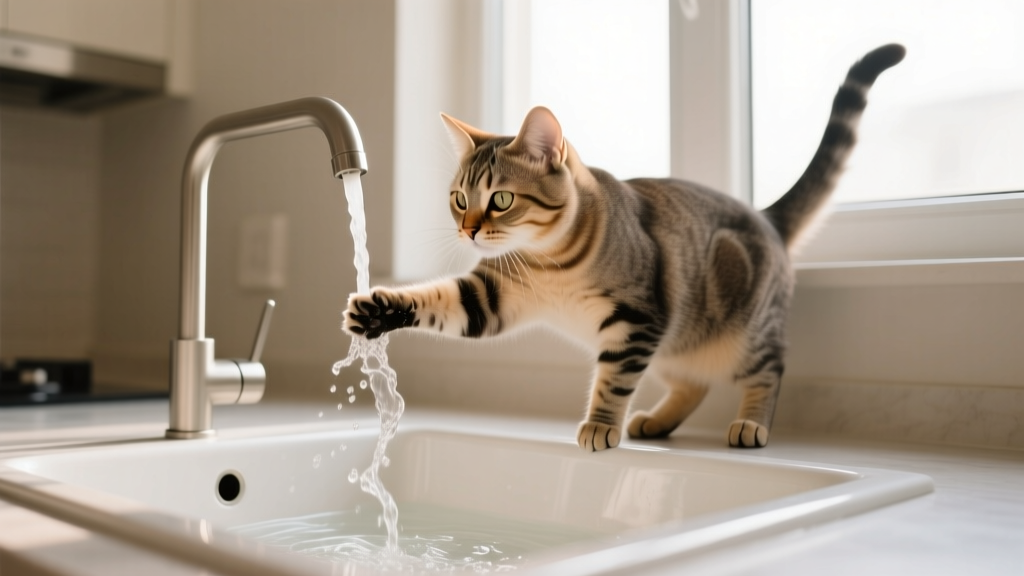
You’re half-awake, padding into the kitchen, when you hear it: drip… drip… drip. Not a leak—your cat. They’re perched at the sink like they pay rent, staring intensely at the faucet. The moment you turn it on, they lean in with the seriousness of a tiny scientist and start lapping at the stream. Meanwhile, their water bowl—freshly washed, refilled, and placed lovingly two feet away—sits ignored like yesterday’s news.
If you’ve ever wondered why your cat acts like running water is the finest beverage on Earth, you’re not imagining things. This preference is deeply rooted in feline instincts, sensory quirks, and a little bit of “cats being cats.” The good news: once you understand what’s going on, you can use it to make hydration easier and your relationship smoother (and maybe reduce the late-night sink concerts).
1) The scientific and evolutionary reason cats love running water
Domestic cats may live in cozy homes, but their bodies and brains still carry the blueprint of their wild ancestors. In nature, water quality can be a life-or-death issue. Still water—especially puddles or stagnant pools—can harbor bacteria, parasites, algae, and the unpleasant “something died here” flavors that animals learn to avoid.
Running water is often safer. Streams and trickles are more likely to be fresher and less contaminated than stagnant sources. Over time, animals that preferred moving water had a survival advantage. Your cat’s “sink obsession” is basically an ancient risk-assessment program wearing a fluffy coat.
There’s also a sensory angle. Cats are cautious by design. Their sense of smell is powerful, and their taste buds are… particular. A bowl of water can absorb odors from the home, the dish itself, nearby food, or even cleaning products. To a cat, that can make the water seem “off” even when it looks perfectly fine to you.
And unlike dogs, many cats have a naturally low thirst drive. Cats evolved from desert-adapted ancestors and got much of their moisture from prey. That means they can be picky about when and how they drink—so when something catches their attention (like a sparkling stream), it’s suddenly much more appealing.
2) A detailed breakdown: how context changes the behavior
Not all “running water cats” are the same. Here are common contexts—and what may be happening in your home.
The sink cat
This is the classic. The bathroom sink is cool, smooth, and often free of the scents that collect around food and litter areas. Many cats also like the height—being up on a counter gives them a sense of control and safety. If they can watch the room while they drink, that’s a bonus in cat logic.
What you might see: Your cat waits for you to brush your teeth, then meows pointedly at the faucet. Or they hop up the moment they hear water running anywhere in the house.
The faucet “drip” connoisseur
Some cats prefer a thin stream or drip rather than a strong flow. A gentle trickle is easier to lap and less startling. Cats often like predictability and control; a roaring faucet can feel chaotic.
What you might see: Your cat paws the handle, tries to lick the spout, or sits patiently until you create “the perfect drip.”
The shower or tub enthusiast
Shower cats often like leftover droplets or the slow trickle down the wall. Tubs also hold scent differently than a bowl. Plus, water on a smooth surface can look visually interesting—tiny moving highlights catch a cat’s attention like a mini nature documentary.
The fountain fan
Pet fountains mimic the moving-water effect while keeping things consistent and accessible. Many cats quickly decide fountains are superior to bowls—especially if the fountain has a clear stream and a wide drinking area.
The “I’ll drink from anything except my bowl” cat
Some cats go rogue: they drink from glasses, plant saucers, the dog’s bowl, or the rainwater collected on a patio chair. Often, this points to a bowl issue (shape, material, placement, cleanliness, or even whisker discomfort) rather than a true obsession with movement.
3) What this behavior means about your cat’s mood and feelings
Running-water preferences can tell you a lot about your cat’s emotional state and needs:
- Curiosity and play drive: Moving water is visually and audibly stimulating. Many cats can’t resist investigating it.
- Desire for control: Choosing the sink may be a way of saying, “I want water on my terms.” Cats like predictable routines—turning on the tap becomes a ritual.
- Seeking freshness: Your cat may genuinely believe the faucet offers “new” water compared to a bowl that’s been sitting out.
- Feeling cautious or vulnerable: Some cats avoid drinking if they feel exposed. They may prefer elevated, quiet, or tucked-away spots.
- Social bonding: Cats often drink from the sink when you’re nearby. In many homes, it becomes a shared moment: you provide the stream; they drink; everyone feels oddly accomplished.
It’s worth noting: a cat who insists on running water isn’t being stubborn just to be dramatic (even if it looks that way). They’re responding to instincts and sensory information we don’t fully perceive.
4) Related behaviors you might also notice
Cats who love running water often show other “water-adjacent” quirks:
- Paw-dipping: Some cats tap the water with a paw before drinking. This may help them gauge depth or movement, or simply make the water “do something.”
- Playing with the bowl: Splashing, tipping, or dragging the bowl can be an attempt to create movement—or a sign they dislike the bowl setup.
- Preferring wide, shallow dishes: Deep bowls can press on sensitive whiskers (a discomfort sometimes called whisker fatigue).
- Drinking far from food: Many cats prefer water placed away from their food dish, echoing natural instincts to avoid contaminating water near prey.
- Glass theft: If your cat targets your water glass, it may be about novelty, height, or a preference for “your” resources (cats are social… in their own way).
5) When it’s normal vs. when it might be a concern
Usually normal: A healthy cat who occasionally prefers the faucet but still drinks enough overall. Many cats simply find running water more appealing, and that’s not inherently a problem.
Potential concern: If you notice any of the following, it’s time to pay closer attention and consider a vet visit:
- Sudden increase in thirst (drinking much more than usual)
- Urinating more frequently or larger clumps in the litter box
- Weight loss despite normal appetite
- Vomiting, lethargy, or reduced appetite
- Only drinking when the tap runs and refusing all other sources, leading to dehydration risk
Increased thirst can be linked to medical issues like kidney disease, diabetes, or hyperthyroidism—especially in older cats. The faucet may simply be the only thing enticing enough to get them to drink, which can mask an underlying problem until it becomes more obvious.
Also watch for subtle dehydration signs: tacky gums, constipation, reduced skin elasticity, or unusually concentrated-smelling urine. Cats are masters at hiding discomfort, so hydration habits can be an early clue.
6) Tips for responding to (or encouraging) the behavior
If your cat prefers running water, you don’t have to become a full-time faucet attendant. You can work with their instincts while keeping hydration consistent.
Try a cat water fountain
Many cats drink more from fountains because the water stays moving and aerated. Choose one that’s easy to clean, has a quiet motor, and offers a few drinking styles (stream + pool). Clean it regularly—cats can be sensitive to biofilm buildup even when humans can’t see it.
Offer multiple water stations
Place several bowls around the home, especially in quiet areas and along your cat’s usual routes. Some cats drink more when water is “encountered” casually, like a convenient pit stop.
Rethink the bowl itself
- Go wide and shallow to reduce whisker contact.
- Use ceramic or stainless steel rather than plastic, which can hold odors and scratches.
- Wash daily (yes, daily—cats notice).
Move water away from food and litter
Many cats prefer separation. A bowl next to food may seem “contaminated” by scent alone.
Add moisture through diet
If your cat eats only dry food, consider adding wet food or a veterinary-approved moisture strategy. Even a partial switch can significantly increase total water intake.
Make faucet time structured
If sink drinking is your cat’s favorite hobby, you can turn it into a predictable routine: a short faucet session in the morning and evening. Cats love rituals. Predictability reduces pestering and makes the behavior feel like a shared, intentional activity rather than an all-day demand.
7) Fun facts and research-y nuggets cat owners love
- Cats have fewer thirst cues than many animals because they evolved to get water from prey. That’s one reason hydration can be a challenge, especially with dry diets.
- Moving water is visually stimulating—it reflects light in ways that grab a predator’s attention. Your cat may be “watching” the water as much as drinking it.
- Whiskers are highly sensitive sensory tools. If a bowl is narrow or deep, constant whisker contact can be irritating enough that a cat chooses literally any other water source.
- Some cats prefer drinking at specific times when the house is quiet. Nighttime faucet requests can be about peace and safety, not just mischief.
8) FAQ: Common questions about cats and running water
Is it okay to let my cat drink from the faucet?
Generally, yes—if your tap water is safe for humans and your cat can access it safely. The bigger issue is reliability: your cat shouldn’t depend on you being home to provide water. A fountain or multiple bowls can prevent accidental dehydration.
Why does my cat ignore fresh bowl water but drinks from my glass?
Your glass may be higher up, smell less like food, or feel “new.” Cats also value novelty and may be drawn to objects that belong to you. Try offering a wide, shallow bowl in a new location, and consider a fountain if the preference is strong.
Does my cat think bowl water is dirty?
Sometimes, yes—at least by cat standards. Water can pick up odors, dust, food particles, or the smell of the bowl material. Daily washing and moving the bowl away from food often helps.
My cat paws at the water before drinking. What does that mean?
It can be a way of testing the water level, creating movement, or checking for reflections. In some cats it’s also a learned habit: pawing makes the water ripple, which makes it easier to see.
Could my cat’s love of running water signal a health problem?
The preference alone is usually normal. But if thirst increases suddenly, or you notice more urination, weight loss, appetite changes, vomiting, or lethargy, schedule a vet check. Hydration changes can be an early sign of medical issues.
What if my cat refuses to drink unless the faucet is on?
That’s a sign you should make alternative water sources more appealing right away (fountain, multiple stations, bowl upgrades) and consider a veterinary check—especially if the behavior is new or your cat is drinking far more than usual.
Cats aren’t trying to be difficult when they demand “water, but make it move.” They’re listening to instincts shaped by survival, guided by sensitive senses, and sprinkled with a little feline preference for the dramatic. When you support that preference—without becoming a 24/7 faucet operator—you make hydration easier and help your cat feel understood.
Does your cat have a particular water ritual—sink sipping, shower droplet hunting, glass stealing, paw-dipping like a tiny raccoon? Share your cat’s funniest water habits and stories with the Cat Lovers Base community at catloversbase.com.