Why Cats Crouch Before Pouncing on Nothing
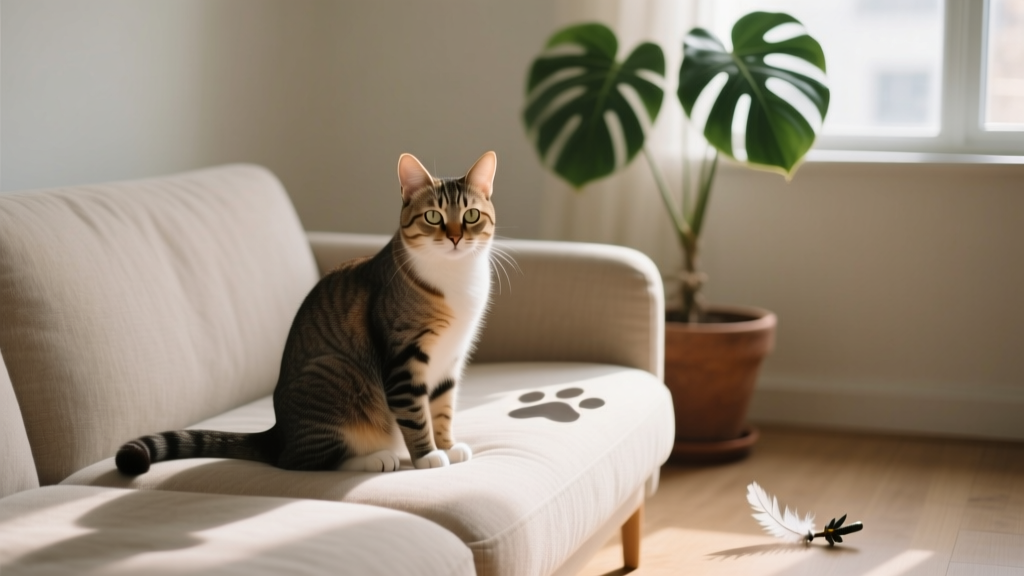
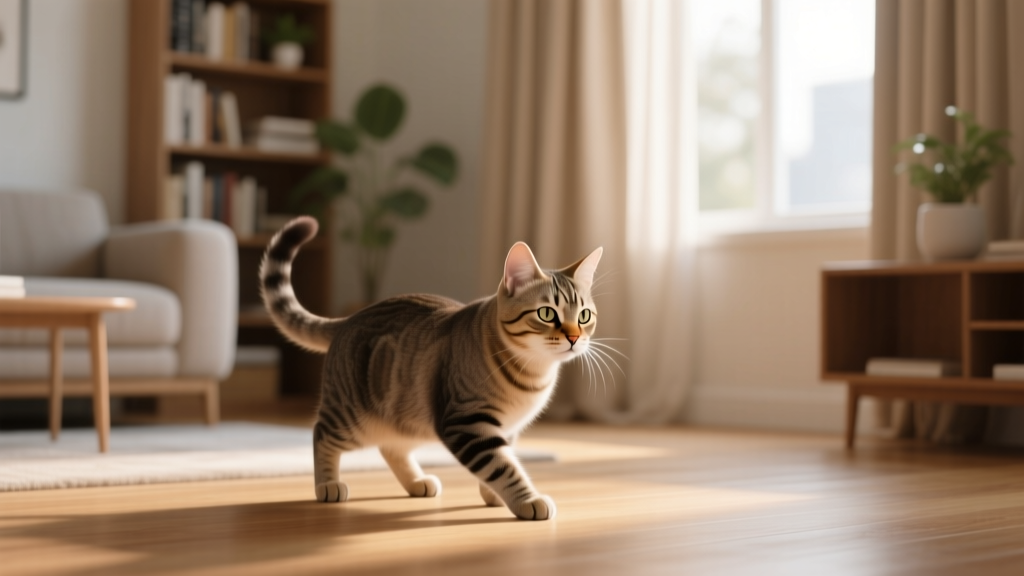
You’re on the couch, half-watching a show, when your cat suddenly goes still. Ears swivel. Body drops into a low crouch. Butt wiggles like a wind-up toy. Eyes go huge and laser-focused… on absolutely nothing. Then—boing—they launch across the rug, skid around a chair, and stare proudly at the spot where, apparently, a criminal dust bunny just escaped custody.
If you’ve ever wondered whether your cat is seeing ghosts, practicing parkour, or auditioning for an invisible prey documentary, you’re not alone. “Crouch, wiggle, pounce” is one of the most classic feline sequences—and yes, it can happen even when you don’t see a target. The good news: most of the time, it’s completely normal, deeply cat-like, and even a little genius.
The science (and evolution) behind the “pounce on nothing” routine
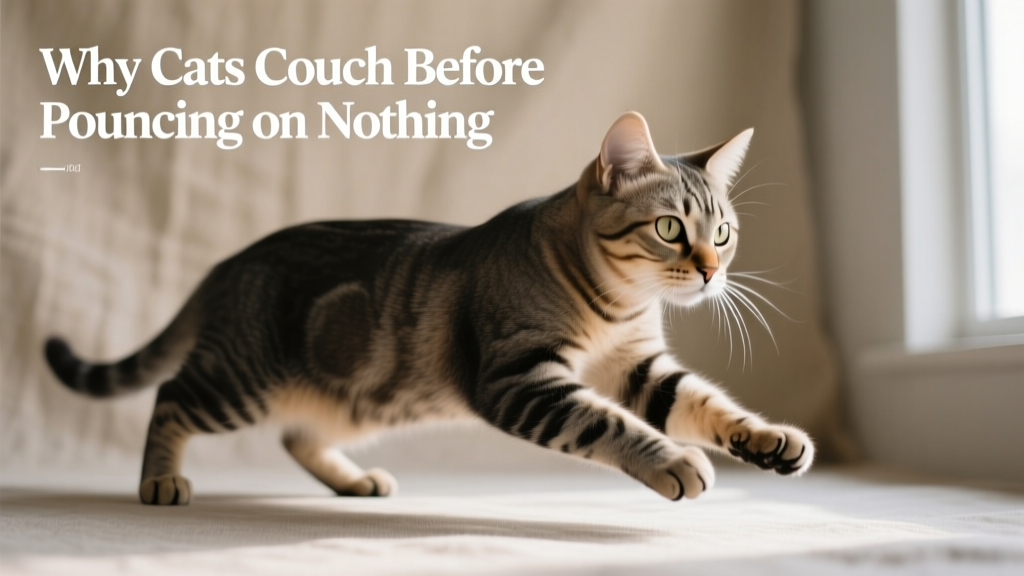
Cats are built for short, explosive hunts. In the wild, their ancestors survived by conserving energy, then using a burst of speed and precision to catch small prey. That crouch is the loading phase—like compressing a spring. The wiggle helps fine-tune balance and aim. The pounce is the payoff.
Even indoor cats who’ve never met a mouse still have that hardware and software. The brain circuits that drive stalking and pouncing don’t disappear just because dinner arrives in a bowl. Instead, those instincts get expressed through play, practice, and what behaviorists call “predatory motor patterns”—a sequence of actions (stalk → chase → pounce → grab → bite) that feels inherently rewarding to a cat.
Another piece of the puzzle: cats have incredible senses that don’t match ours. Their hearing can pick up higher frequencies than humans can, including tiny squeaks or rustles inside walls. Their vision is excellent at detecting motion, especially in low light. So while it looks like “nothing” to you, your cat may be responding to a sound in the baseboard, a flicker of light, a shifting shadow, or a barely moving speck you’d never notice.
What’s actually happening: a breakdown of the behavior in different contexts
That iconic crouch-and-pounce isn’t one single behavior with one meaning. Context matters. Here are the most common “targets” that seem invisible from a human perspective.
1) The dust bunny hunt
A tiny piece of lint rolls across the floor. A hair ties itself into a mysterious tumbleweed. A crumb glints in the sunlight. To your cat, these can register like small prey: low to the ground, unpredictable movement, and easy to bat.
What it looks like: Focused stare at the floor, slow creep, quick pounce, then batting or “digging” at the spot.
2) The light-and-shadow chase
Sunlight through blinds creates moving stripes. A phone screen reflects a glimmer onto the wall. A car’s headlights sweep across the ceiling at night. Cats are motion detectors with fur, and moving light patterns can trigger the chase sequence.
What it looks like: Head tilts, rapid eye tracking, sudden launch at a wall or floor, then a frustrated “Where did it go?” pause.
3) The “I heard something” pounce
Cats can hear tiny noises you can’t: a beetle in a vent, a neighbor’s footsteps through a shared wall, water pipes ticking, or a toy under the sofa shifting when the heat turns on. Sometimes they’re not pouncing at a visible target—they’re pouncing at a location.
What it looks like: Ears pinwheel, body stiffens, crouch near a wall or under furniture, then a leap toward a corner or baseboard.
4) Ambush practice (a.k.a. “I’m training”)
Many cats rehearse hunting skills for their own satisfaction. This is especially common in young cats, high-energy breeds, and indoor-only cats who don’t have much environmental variety.
What it looks like: Repeated stalking of the same area, pouncing, then sprinting away and circling back as if replaying a scene.
5) The “I need to move my body” pounce
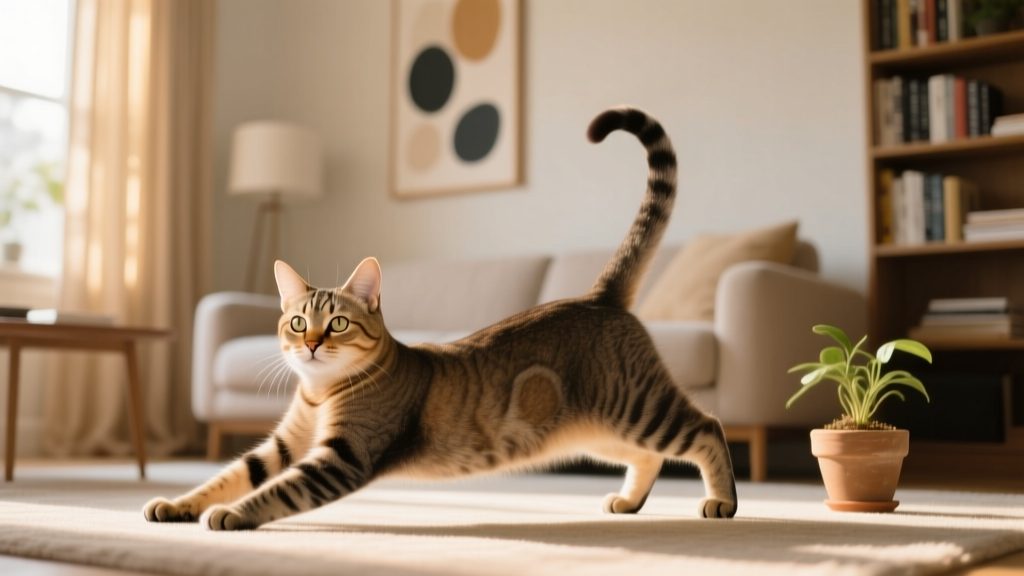
Cats get the zoomies. They also get the feline version of restlessness: “I’ve been napping for six hours and my legs want to be used.” A crouch can be the start of a playful burst, not necessarily a hunt.
What it looks like: Sudden crouch, pounce, then a run that turns into a full-room sprint, possibly ending in a dramatic slide on the rug.
6) Social play: “You’re the prey now”
If you have multiple cats (or a cat and a tolerant dog), one may crouch and pounce as an invitation—or a test—to play. Sometimes the “nothing” is actually the other pet just off-frame, or it’s a rehearsal before they ambush ankles (rude, but honest).
What it looks like: Crouch with eyes on a companion, tail tip twitching, then a pounce followed by chasing or wrestling.
What this says about your cat’s mood and feelings
In most homes, crouching and pouncing “at nothing” is a sign of a cat who feels safe enough to express natural behaviors. It often points to:
- Playfulness and confidence: Loose body, upright or gently swishing tail, quick recovery after the pounce.
- Curiosity: Ears forward, head tilting, sniffing the pounce spot afterward.
- Healthy arousal (the good kind of excitement): You may see a brief “butt wiggle” and intense focus, then a happy sprint.
Sometimes it can also reflect:
- Boredom: If your cat pounces at “nothing” frequently and seems restless, it may be self-made entertainment.
- Mild frustration: Especially with light reflections—your cat can’t “catch” them, but the chase urge keeps firing.
- Hypervigilance: If your cat startles easily, crouches low often, or scans the room as if on patrol, something may be stressing them.
Related behaviors you might also notice
The crouch-and-pounce rarely travels alone. You might see:
- Butt wiggles: Aiming and balancing; many cats do it right before a leap.
- Chattering or chirping: Often at birds outside, but some cats chirp at moving shadows too.
- “Greebles” staring: Intense focus at a corner, ceiling, or wall—usually tracking sound, light, or tiny motion.
- Sudden grooming after: A quick “I meant to do that” reset when the pounce didn’t have a satisfying payoff.
- Zoomies: The pounce becomes the spark that lights the sprint.
- Hiding and ambushing: Under chairs, behind curtains, around doorframes—prime feline hunting architecture.
When it’s normal vs. when it might be a concern
Normal: Occasional pounces, playful energy, relaxed body language afterward, normal eating and litter box habits, and no signs of distress. Many cats do this daily—especially at dawn and dusk, when their natural hunting rhythm is strongest.
Potentially concerning: Consider a closer look (or a vet call) if you notice any of the following:
- Compulsive intensity: Repeated, frantic pouncing at walls or floors for long periods, difficult to interrupt, and not settling afterward.
- Sudden change in behavior: A calm adult cat abruptly starts acting jumpy, scanning, and pouncing constantly.
- Signs of anxiety: Hiding more, dilated pupils much of the time, low crouching while moving, excessive startle responses.
- Possible sensory or medical issues: Head tilting, loss of balance, unusual eye movements, vocalizing in distress, or seeming disoriented.
- Skin twitching or back rippling with agitation: Especially if paired with tail chasing or sudden biting at the back end (could indicate discomfort or sensitivity that needs evaluation).
Also practical note: if your cat keeps pouncing at a particular wall, vent, or cabinet, it may be worth checking for real critters. Cats are often the first to notice insects—or rodents—long before humans do.
How to respond (and how to encourage the good kind of pouncing)
If your cat is doing a normal, playful “nothing pounce,” your job is mostly to be a supportive audience. But you can also use it to build a happier, calmer cat-human relationship.
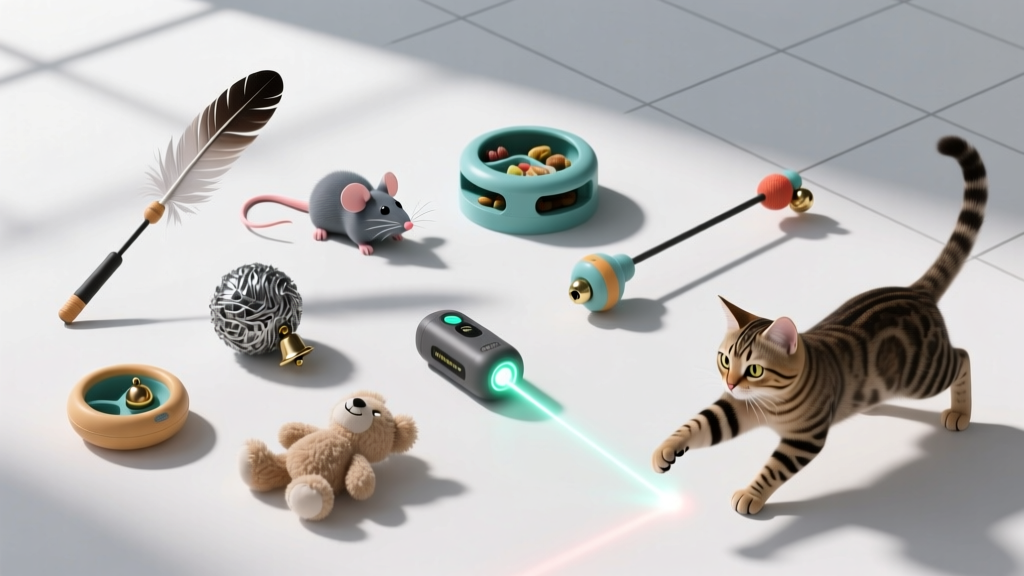
- Give the instinct a real outlet: Use wand toys, fuzzy mice, crinkle balls, or anything your cat can actually catch. A few short play sessions (5–10 minutes) often beat one long session.
- Copy the hunt sequence: Move the toy like prey—hide it, let it peek out, then “escape.” Let your cat catch it sometimes. Constantly making them miss can create frustration.
- End play with a win and a snack: After a successful “catch,” offer a small treat or meal. This mimics hunt → eat → groom → sleep and can reduce nighttime chaos.
- Reduce light-reflection obsession: If your cat gets fixated on laser pointers or reflected light, limit use and always finish with a tangible toy they can bite and hold.
- Enrich the environment: Add a window perch, bird feeder viewing spot (outside), cardboard boxes, paper bags (handles removed), and rotating toys to prevent boredom.
- Don’t punish pouncing: If they pounce “at nothing,” it’s not misbehavior. If they pounce at ankles, redirect to a toy and increase structured play—punishment often makes cats more jumpy, not less.
Fun facts and research-friendly nuggets
- Cats are crepuscular: They’re naturally most active at dawn and dusk. If “nothing pounces” happen around those times, your cat is following their built-in schedule.
- The crouch is energy-efficient: A stalking posture helps cats stay stable and ready without wasting energy—perfect for ambush hunters.
- Motion is magnetic to feline eyes: Cats are especially tuned to detect quick, small movements—exactly what dust, insects, and shadows can provide.
- Play and hunting share the same brain pathways: For cats, play isn’t just “for fun.” It’s practice and stress relief rolled into one.
- Whiskers help measure the world: Whiskers provide detailed sensory feedback about nearby space, which supports precise pouncing—even in dim light.
FAQ
Why does my cat crouch and wiggle their butt before jumping?
That wiggle is often a balance-and-aim adjustment. Your cat is shifting weight to the back legs, aligning their body, and preparing for a powerful leap. It’s the “loading” phase of the pounce.
Is my cat seeing something I can’t?
Possibly. Cats can detect tiny sounds in walls and high-frequency noises we miss. They also notice small movements and subtle light changes. Sometimes it’s truly a speck of lint; sometimes it’s a sound map in their head pointing to “something over there.”
My cat pounces at walls or corners—should I worry about bugs or mice?
It’s worth checking, especially if it happens repeatedly in the same spot. Look for signs like droppings, scratching sounds, or insect activity. Even if you find nothing, your cat may be hearing plumbing, vents, or outdoor critters.
Can laser pointers cause pouncing “obsession”?
They can for some cats. Because the “prey” is never physically caught, certain cats get frustrated or fixated. If you use a laser, keep sessions brief and always end with a toy your cat can grab and bite.
Why does my cat do this more at night?
Even indoor cats often ramp up activity in the evening and early morning. Add boredom, less household noise, and more dramatic shadows from lamps and headlights, and “nothing pounces” can become a nightly sport.
When should I talk to a vet?
If the behavior is sudden, intense, or paired with anxiety signs, disorientation, balance issues, or other changes (appetite, litter box habits, unusual vocalizing), a vet visit is a smart next step to rule out medical or sensory causes.
Crouching before pouncing on “nothing” is one of those reminders that your cat isn’t being weird—they’re being wonderfully, brilliantly cat. They’re practicing skills, burning energy, reacting to a world of sounds and flickers, and sometimes just entertaining themselves with the thrilling drama of a rogue crumb.
Has your cat ever executed a perfect sneak-attack on an invisible opponent (or a suspicious sunbeam)? Share your funniest “pounced on nothing” stories with the Cat Lovers Base community at catloversbase.com.